
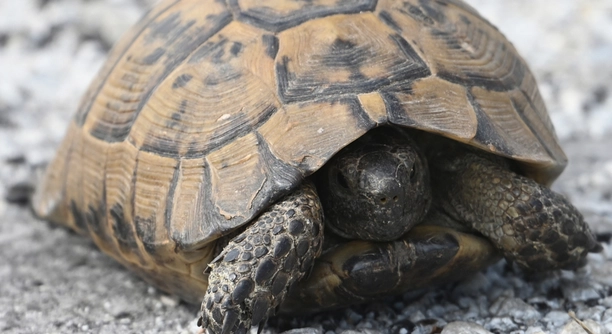
Greek tortoises often exhibit curious behaviors, and one of the more puzzling habits can be licking rocks. Understanding why they do this can help you better care for your pet. In this article, we will explore the reasons behind this behavior.
Licking rocks is typically a natural behavior for Greek tortoises. It may serve various purposes such as moisture intake, exploring their environment, or even seeking minerals. Tortoises have specific needs that can explain their tendency to interact with their surroundings in this way.
This behavior can be influenced by factors like hydration levels and their natural instincts. Understanding these causes can ensure your tortoise’s needs are met. Keep reading to learn more about what might be driving your tortoise’s rock-licking habit.
The Need for Moisture
Greek tortoises live in dry environments, and licking rocks can be their way of finding moisture. Rocks in their habitat often retain moisture, especially in the morning or after rain. When a tortoise licks a rock, it might be trying to hydrate itself. This is a natural instinct that helps them stay hydrated without needing a constant water source. In the wild, these tortoises may have to rely on these water sources for their survival. As pets, providing a shallow dish of water can help, but some tortoises still prefer licking objects around their enclosure for hydration.
Moisture is vital for your tortoise’s health. If the rocks feel cooler or have any dew, they may be more appealing to lick.
When caring for a Greek tortoise, it’s essential to maintain the right humidity levels in their habitat. Too little moisture can lead to dehydration, causing health issues like dry skin or difficulties shedding. You can ensure that they have access to a humid environment by using a misting system or placing damp sphagnum moss around their enclosure. A rock that holds moisture naturally can serve as a simple but effective way for the tortoise to hydrate. However, this doesn’t replace the need for clean water in a dish. It’s important to observe your tortoise’s behavior to make sure it’s getting the right amount of moisture to thrive.
Natural Exploration
Greek tortoises are curious creatures, and licking rocks may also be a form of exploration. Their sense of taste and smell helps them understand their environment better.
Rocks are often rough and textured, making them ideal for tortoises to explore. The act of licking could be their way of interacting with different surfaces and objects in their surroundings. It is a natural way for them to gather information about their habitat, much like how they might explore plants, soil, or even other animals. These behaviors are essential for tortoises to feel secure and familiar in their environments.
Mineral Intake
Greek tortoises might lick rocks to obtain minerals. Rocks contain essential minerals like calcium, which they need for bone growth and shell health.
In the wild, tortoises often seek out mineral-rich surfaces or soils. Licking rocks could be their way of supplementing their diet. If their diet is lacking in specific minerals, they may instinctively turn to rocks to meet these needs. While commercial calcium supplements can help, providing a variety of natural surfaces might encourage healthy behaviors.
To ensure your tortoise’s well-being, make sure its diet includes enough calcium and other nutrients. Providing cuttlebone and mineral blocks can also help fulfill their dietary needs, reducing the chance that they will excessively lick rocks for minerals. Monitor their eating habits and consult a vet if you notice signs of deficiency.
Stress or Anxiety
Licking rocks can be a sign of stress. If your tortoise feels anxious or threatened, it may engage in repetitive behaviors like rock licking.
Stress triggers in your tortoise’s environment, such as temperature fluctuations or sudden changes in its enclosure, can cause anxiety. Tortoises are sensitive to changes and prefer a stable environment. If the space feels too small or there’s too much noise, they may try to comfort themselves through this behavior. When a tortoise is stressed, it may also stop eating, hide, or become more reclusive.
To reduce stress, try to keep their habitat consistent. Provide enough space and avoid excessive handling. Make sure your tortoise feels safe, with plenty of hiding spots. Stress-free tortoises are less likely to exhibit these repetitive behaviors.
Digestion
Licking rocks might help Greek tortoises with digestion. The act could aid in stimulating their digestive system, especially if they’re eating hard-to-digest foods.
When a tortoise licks rocks, the texture might encourage saliva production, which helps break down food more effectively. Tortoises rely on their saliva to begin the digestive process, and the act of licking might mimic a natural function that helps them prepare their food for digestion.
Make sure to monitor your tortoise’s diet for fiber and roughage, which are important for digestive health. If you’re concerned about digestion, a vet may recommend adjustments to their diet to prevent issues.
Temperature Regulation
Licking rocks could also be a way for Greek tortoises to regulate their body temperature. Rocks absorb heat during the day, which might attract them.
Tortoises are cold-blooded animals, relying on external heat sources to maintain their body temperature. Licking a warm rock could help them absorb some heat to warm up, especially after being in cooler areas. In the wild, they would naturally seek out sun-heated surfaces to bask on.
Ensure your tortoise has access to a heat source, like a basking light, to help with temperature regulation. Too much heat or too little can impact their health.
FAQ
Why does my Greek tortoise lick rocks?
Greek tortoises lick rocks for a variety of reasons. The most common reasons include seeking moisture, exploring their surroundings, or trying to ingest minerals. In some cases, it may be a behavior linked to stress or anxiety. If rocks are cooler or have moisture on them, licking could help with hydration. If the tortoise is licking excessively, it might also be trying to get calcium or other minerals from the rocks, which are often present in the environment.
Is it normal for my Greek tortoise to lick rocks?
Yes, it is normal for Greek tortoises to lick rocks. Licking is part of their natural behavior. They might lick rocks to check for moisture, minerals, or even as a way to explore their surroundings. As long as it’s not excessive and doesn’t lead to health issues, this is typical tortoise behavior.
What should I do if my tortoise licks rocks a lot?
If your tortoise is licking rocks frequently, monitor its diet and hydration levels. It’s possible that it needs more calcium or moisture. You can provide cuttlebone or mineral blocks to meet its calcium needs. Also, ensure that your tortoise has a shallow dish of fresh water available. If the behavior continues or becomes excessive, it might be worth checking for signs of stress or health issues.
Could licking rocks harm my tortoise?
In most cases, licking rocks won’t harm your tortoise. However, if the rocks are coated with harmful substances, such as pesticides or chemicals, it could lead to health issues. Make sure the rocks in the tortoise’s enclosure are safe and free from harmful materials. If you’re concerned about the behavior, consult a vet.
How can I stop my tortoise from licking rocks?
If you’re concerned about the behavior, the best approach is to identify the underlying cause. Ensure your tortoise has enough hydration, proper nutrition, and a comfortable, stress-free environment. If it’s licking rocks due to a lack of moisture, consider adjusting humidity levels or providing more fresh water. If the behavior is linked to stress, address any environmental factors that could be causing anxiety.
Can my tortoise live without licking rocks?
Yes, your tortoise can live without licking rocks. Licking is a natural behavior, but it’s not essential for survival. As long as your tortoise has access to clean water, proper food, and a suitable habitat, it can live a healthy life without excessive rock licking. However, understanding why it licks rocks will help you provide the best care for it.
How can I tell if my tortoise is licking rocks because it’s stressed?
If your tortoise is licking rocks because of stress, you may notice other signs of anxiety, such as decreased eating, hiding more than usual, or a lack of interest in its environment. Stress can be caused by environmental changes, temperature fluctuations, or excessive handling. Try to maintain a consistent, comfortable habitat for your tortoise.
Are there other reasons for my tortoise to lick rocks?
Yes, Greek tortoises may lick rocks as part of their natural behavior for exploring their environment. They use their sense of taste and smell to investigate their surroundings. Licking rocks can be a way for them to gather information, much like they might explore plants or soil. This behavior helps them stay connected to their environment.
How do I know if my tortoise needs more minerals?
If your tortoise is licking rocks frequently, it could be a sign that it is trying to get more minerals, especially calcium. Other signs of mineral deficiency include soft or brittle shell, poor growth, and a lack of energy. You can provide mineral supplements like cuttlebone or mineral blocks to ensure your tortoise gets what it needs.
Does my tortoise need more water if it’s licking rocks?
Yes, your tortoise may be licking rocks to obtain moisture if it’s not getting enough water. Licking is often a way for tortoises to find moisture in their environment. Make sure there is always fresh water available in a shallow dish. Additionally, consider increasing humidity in their enclosure to provide additional hydration.
Final Thoughts
Greek tortoises licking rocks is a natural behavior that can happen for several reasons. It could be an attempt to hydrate, gather minerals, or simply explore their surroundings. Licking is a way for tortoises to interact with their environment, which is essential for their well-being. In most cases, this behavior isn’t harmful, and it’s a part of their normal routines. However, it’s important to pay attention to how often it happens and what might be driving the behavior.
If you notice your tortoise licking rocks more frequently, consider whether it has enough moisture in its environment. Hydration is crucial for tortoises, and if their living space is too dry, they may look for alternative ways to stay hydrated, like licking rocks. You can help by offering clean water in a shallow dish, adjusting humidity levels, or even adding damp moss to their enclosure. If the rocks in your tortoise’s habitat naturally hold moisture, it may be drawn to them, but always ensure there’s a water source available to reduce the chance of dehydration.
Additionally, ensure your tortoise is receiving a balanced diet with enough minerals like calcium. If it’s licking rocks due to a lack of essential nutrients, consider providing cuttlebone or other mineral supplements. You should also check for signs of stress, which can lead to repetitive behaviors like rock licking. By providing a comfortable, stable environment with the right nutrition and hydration, you can help prevent excessive licking and promote your tortoise’s overall health and happiness.

Hello,
If you enjoy the content that we create, please consider saying a "Thank You!" by leaving a tip.
Every little bit helps us continue crafting quality advice that supports the health, happiness, and well-being of pets around the world, for pets of all shapes, sizes, and species.
We really appreciate the kindness and support that you show us!