
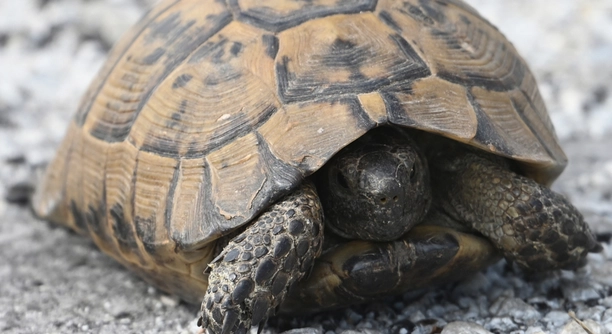
Greek tortoises are fascinating creatures, but when they dig non-stop, it can be concerning. Understanding the reasons behind this behavior will help provide the proper care and environment they need.
There are several possible reasons for excessive digging in Greek tortoises. These may include searching for food, establishing a burrow, or responding to environmental changes. Digging is a natural behavior that can indicate various health or habitat-related factors.
Understanding the causes behind this behavior can help you better meet your tortoise’s needs. It also ensures their well-being and comfort in their environment.
Digging for Food and Water
When a Greek tortoise digs constantly, one reason could be that it is searching for food or water. In the wild, these tortoises forage for a variety of plants and other food sources. The same instinct is present in captivity. They may dig in hopes of finding hidden treats, especially if their environment lacks adequate food or hydration. This behavior can also result from boredom if their enclosure doesn’t provide enough stimulation. It’s essential to ensure your tortoise has a balanced diet, with fresh vegetables, greens, and water available at all times.
Providing a varied, high-fiber diet can prevent overzealous digging. Additionally, keep fresh water accessible at all times to avoid dehydration, which can also lead to digging behavior.
A more enriched environment, such as hiding food in safe, accessible spots, will offer both mental and physical stimulation. This will give your tortoise a chance to satisfy its natural foraging instincts without constant digging in search of resources.
Stress and Environmental Changes
Environmental changes may also trigger excessive digging.
A Greek tortoise may dig if it feels stressed, which can be caused by changes in temperature, humidity, or its surroundings. They are sensitive creatures, and shifts in their environment, like a new enclosure or different lighting, can make them feel unsettled. This stress can lead to behaviors such as digging, hiding, or pacing. It’s crucial to maintain a stable environment.
Make sure the temperature and humidity levels are consistent and comfortable for your tortoise. Sudden fluctuations or discomfort could make your tortoise feel insecure and cause stress-driven digging. It’s important to monitor these environmental factors and make adjustments when necessary to keep your tortoise happy and healthy.
Mating Behavior
During mating season, digging is common among Greek tortoises. Both males and females dig to prepare nesting sites or to establish dominance. Males may dig to create burrows as a way to attract females. This behavior is part of their natural reproductive instincts.
If your tortoise is constantly digging during certain months, it may be a sign that it’s in mating season. Ensure the environment provides enough space for them to exhibit this behavior without stress. It’s helpful to include areas with soil or sand that will allow them to dig comfortably.
Understanding these seasonal changes can help ensure your tortoise’s health and happiness. By providing the right habitat during mating season, you can minimize stress caused by digging and support their natural instincts.
Burrowing Instincts
Greek tortoises have a strong instinct to dig and burrow, which serves as both protection and comfort. In the wild, they dig to escape predators, create safe resting spots, or avoid extreme weather conditions. This instinct is still present in captivity.
Providing a safe and secure area where your tortoise can dig freely is important for its well-being. Creating a space with soft soil or sand allows them to dig as they would in their natural habitat. It helps reduce stress and supports healthy behavior.
Offering these conditions promotes a sense of security for your tortoise. When they dig, they’re not just looking for shelter—they’re also satisfying a deep-rooted need to feel safe. Maintaining an appropriate environment encourages natural behavior while keeping your tortoise content.
Temperature Fluctuations
Temperature changes can trigger digging in Greek tortoises. If the enclosure is too cold, they might dig to find warmth. If it’s too hot, they may dig to escape the heat. Both situations cause discomfort and lead to digging as a survival instinct.
Keeping the temperature within the ideal range for Greek tortoises will help minimize this behavior. Provide a temperature gradient, with a warm basking area and cooler zones, to give your tortoise control over its environment.
Insufficient Space
A cramped environment may lead to digging. Greek tortoises need space to move freely, explore, and engage in natural behaviors. A lack of room can cause frustration, which often manifests as excessive digging.
Ensure your tortoise’s enclosure is large enough to allow movement. A more spacious setup will give them a sense of security and freedom, reducing stress-related behaviors like digging. A proper enclosure also promotes overall health and well-being.
FAQ
Why is my Greek tortoise digging all the time?
Constant digging can result from several factors, such as boredom, hunger, stress, or environmental discomfort. Greek tortoises dig naturally to explore, find food, or establish shelter. If your tortoise is digging excessively, ensure its habitat is enriched with appropriate food, hiding spots, and proper temperature and humidity levels.
How can I stop my Greek tortoise from digging?
Stopping a Greek tortoise from digging isn’t always possible or desirable, as it’s a natural behavior. However, you can minimize excessive digging by providing a more stimulating environment. Offer hiding places, fresh food, and a spacious enclosure. Maintain the right temperature and humidity to ensure they are comfortable.
Is it normal for my tortoise to dig during the mating season?
Yes, it is normal. Mating behavior often triggers digging, especially in males. They dig to create a nesting site or attract a mate. If your tortoise is digging more during certain months, it could be related to its reproductive cycle.
Can stress make my Greek tortoise dig more?
Yes, stress is a common cause of excessive digging. Changes in their environment, temperature fluctuations, or handling can all cause stress. Providing a stable, calm environment will help your tortoise feel more secure and reduce stress-induced digging.
What temperature should my Greek tortoise’s enclosure be?
Greek tortoises thrive in a temperature range of 75°F to 85°F (24°C to 29°C) during the day, with a basking area around 90°F (32°C). At night, the temperature can drop to 65°F to 70°F (18°C to 21°C). Maintaining these conditions helps prevent digging related to discomfort.
How can I tell if my tortoise is digging because it’s bored?
If your tortoise has plenty of food, water, and comfortable conditions but still digs excessively, it could be due to boredom. Provide more enrichment, such as hiding food, adding climbing structures, or creating a larger area for them to explore.
Should I provide a digging area for my Greek tortoise?
Yes, providing an area with soft soil, sand, or dirt allows your tortoise to engage in its natural digging behavior. This is important for their physical and mental well-being. It helps satisfy their instinctual needs for burrowing and exploration.
Can my tortoise get injured from digging too much?
Injury from digging is rare but possible if the environment is not properly set up. Ensure there are no sharp objects, unstable surfaces, or overly compacted soil that could harm your tortoise. A safe, soft substrate helps prevent injuries while still allowing for natural digging.
Is it okay to handle my Greek tortoise while it’s digging?
It’s best to avoid disturbing your tortoise while it’s digging. Digging is often a sign of a need for privacy or comfort. Handling them during this time can cause stress or disrupt their behavior. Allow them to dig in peace unless necessary.
How do I know if my tortoise is digging due to health issues?
If your tortoise’s digging is excessive and accompanied by other signs of illness, such as loss of appetite, lethargy, or changes in behavior, it could be a sign of a health issue. Consult a veterinarian to rule out any medical concerns.
Can I stop my tortoise from digging in the corners of its enclosure?
If your tortoise is consistently digging in the corners, it may be trying to escape or find a more comfortable spot. Ensure there are no areas of the enclosure where it feels trapped or restricted. Adding more hiding spots and diversifying the substrate might help.
How often should I change the substrate in my tortoise’s enclosure?
Substrate should be changed regularly to maintain cleanliness and hygiene. Depending on the type used (e.g., soil, sand, or coconut husk), aim to change or refresh it every 1-2 months. This helps prevent bacterial buildup and keeps the habitat safe for your tortoise.
Can my tortoise dig through its entire enclosure?
While tortoises are excellent diggers, they are unlikely to dig through the entire enclosure if it’s designed properly. However, they may attempt to dig out if they feel the space is too small or insecure. Ensure the sides and bottom of the enclosure are secure to prevent escape.
Is it necessary to provide a hide for my Greek tortoise?
Yes, providing a hide or burrow space is essential. It helps your tortoise feel safe and secure, reducing stress. A hide mimics the natural environment, where they can retreat for rest or protection. A safe hide is crucial for your tortoise’s well-being.
Can my tortoise dig under the substrate?
Yes, Greek tortoises have strong digging instincts and can dig under soft substrates if they feel the need to create a deeper burrow. Ensure the substrate is deep enough to accommodate this natural behavior without risking escape or injury.
Final Thoughts
Greek tortoises are naturally inclined to dig, and this behavior is typically part of their normal habits. While it may seem excessive at times, digging is often a way for them to explore, find food, or adjust to environmental conditions. Understanding why your tortoise digs can help you provide the right environment and make necessary adjustments to reduce excessive behavior. Whether it’s temperature control, creating a more spacious habitat, or adding more enrichment, small changes can make a big difference.
If your tortoise’s digging becomes a concern, it’s important to assess their living conditions. Make sure the temperature, humidity, and space are all appropriate for their needs. A stable environment with opportunities for exploration and natural behaviors, such as hiding spots and varied substrates, will encourage them to dig less frequently. If digging persists despite providing the right conditions, it could be a sign of stress or health issues that require further attention.
Overall, digging is a natural part of your Greek tortoise’s behavior. It is important to offer them an environment that encourages this instinct while keeping them healthy and safe. By paying attention to their needs and making sure their habitat is well-suited to their natural behavior, you can create a space where they can thrive. If necessary, consulting with a vet can provide additional guidance for managing excessive digging or addressing any underlying health concerns.

Hello,
If you enjoy the content that we create, please consider saying a "Thank You!" by leaving a tip.
Every little bit helps us continue crafting quality advice that supports the health, happiness, and well-being of pets around the world, for pets of all shapes, sizes, and species.
We really appreciate the kindness and support that you show us!