
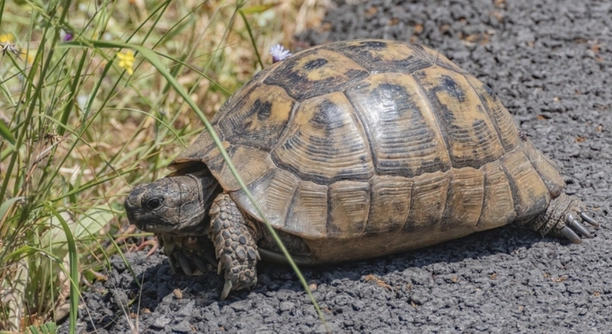
Greek tortoises are fascinating creatures, known for their unique behaviors. One such behavior is digging, which can seem constant and puzzling to owners. Understanding why this happens can help you better care for your pet.
Constant digging in Greek tortoises is often linked to natural behaviors such as nesting, foraging, or exploring. These actions are vital for their well-being and can also indicate environmental needs, like humidity or temperature issues.
There are several reasons why your tortoise may be digging, and knowing these can help resolve any concerns. Keep reading to uncover the main causes and what you can do about it.
1. Natural Instincts and Behaviors
Tortoises are known for their digging habits, and it’s often just part of their natural instincts. They dig for several reasons, including seeking shelter, exploring their environment, or trying to create a cool space during hot weather. As burrowers, they instinctively want to dig to create a safe spot to relax or hide. This is especially important for wild tortoises in the wild, where they dig to escape predators and avoid extreme temperatures. In captivity, they might dig for similar reasons, even though they’re in a safe environment.
They may also dig to find food, as foraging is another instinct. If the digging seems excessive or the tortoise is digging in unusual places, it’s worth considering if they are seeking something in their surroundings. Often, providing a more enriching environment with hiding spots and varied terrain can help reduce unwanted digging.
It’s essential to remember that tortoises are active creatures, and digging is simply part of how they interact with their environment. Giving them space and natural conditions to explore can help them feel more comfortable and reduce stress.
2. Temperature and Humidity Issues
Sometimes, digging might be triggered by temperature or humidity issues. Greek tortoises, like other reptiles, are sensitive to their environment. They thrive in areas where the temperature is warm, and humidity is properly regulated. If the enclosure is too hot or too cold, your tortoise may dig to escape the discomfort. Similarly, if the humidity is too low, they may dig to find a cooler or moister spot to regulate their body temperature.
Proper heating and humidity levels are crucial for the health of your tortoise. Setting up a temperature gradient in the enclosure allows your tortoise to choose the warm or cooler areas. Humidity should be monitored and adjusted depending on your specific tortoise species’ needs.
It’s a good idea to regularly check your tortoise’s habitat. Make sure they have a space that mimics their natural environment to help reduce unnecessary digging.
3. Nesting Behavior
Tortoises may dig as part of nesting behavior. Female Greek tortoises instinctively dig to create a safe space for laying eggs. This can happen even if there’s no male around or if the tortoise is kept in captivity.
This behavior is usually seasonal, so if your tortoise is digging a lot during the warmer months, it could be nesting instinct at play. Female tortoises will dig in the soil or substrate to create a nest chamber. They may not always lay eggs, but the behavior mimics natural reproductive instincts.
If you’re unsure whether the digging is due to nesting, check for signs of egg-laying. You might notice that the tortoise is spending more time digging than usual or moving around the enclosure restlessly. Sometimes, giving them more space to dig can satisfy their nesting urges.
4. Boredom and Lack of Enrichment
Tortoises dig when they are bored. Without enough stimulation, they may start digging as a way to pass time or release pent-up energy. Lack of enrichment in their habitat can lead to this repetitive behavior.
Greek tortoises need a variety of objects to explore, climb, and hide in. Simple changes to their environment, such as adding new plants, rocks, or hides, can reduce boredom and encourage more natural behavior. Without these, they may focus on digging as a way to fill their time.
A more enriched environment keeps your tortoise engaged. Adding a variety of textures, hiding places, and safe objects for climbing can help reduce constant digging. A stimulating environment mimics what they would encounter in the wild, helping prevent frustration.
5. Overcrowding
If your tortoise’s enclosure is too small or shared with other pets, they may dig more due to stress. Overcrowding can make them feel anxious, and digging becomes a way to relieve that tension.
Providing a larger, more spacious environment allows your tortoise to feel secure. A bigger habitat also gives them more room to roam, reducing the need for constant digging. If multiple pets are involved, it’s worth considering separate spaces for each.
6. Illness or Injury
Sometimes, digging can signal discomfort or illness. If a tortoise is feeling unwell, it may dig in an attempt to escape pain or discomfort. Watch for other signs, such as lethargy, lack of appetite, or unusual behavior.
If your tortoise’s digging is accompanied by other symptoms, it’s a good idea to consult a vet. Illness or injury may cause distress, and digging could be an expression of that. Early intervention can help address underlying issues and ensure your tortoise’s health is not compromised.
7. Hormonal Changes
During mating seasons or due to hormonal shifts, your tortoise may dig more often. Male tortoises, especially, become more active and may dig as part of their mating behavior.
Hormonal changes can be stressful and increase digging behavior. If you notice your tortoise digging more than usual around certain times of the year, it could be related to these natural shifts.
FAQ
Why does my Greek tortoise dig so much?
Constant digging in Greek tortoises is typically a natural behavior. It can be caused by their instincts to find food, create shelter, or regulate temperature. Additionally, if they are nesting, digging may be an effort to find a safe place to lay eggs. In some cases, excessive digging might also point to environmental stress or boredom.
Is my tortoise digging because it’s stressed?
Yes, stress can make your tortoise dig more than usual. This could happen if their environment is too small, overcrowded, or if they feel threatened by other pets. Creating a larger, more secure space can help reduce their anxiety and digging behavior.
How can I tell if my tortoise is digging to lay eggs?
When a female tortoise is digging to lay eggs, the behavior is often more deliberate. She may repeatedly dig in the same spot, appearing restless, and may even create a deeper hole. If the digging happens during warmer months, it could be an indication that she’s preparing to nest.
What can I do to reduce constant digging?
To reduce constant digging, make sure your tortoise has an enriched environment with plenty of hiding spots, climbing opportunities, and varied textures. Proper temperature, humidity, and space are key factors. Regularly check the habitat for signs of overcrowding or stress, and adjust accordingly.
Can lack of food or water cause my tortoise to dig more?
Yes, if your tortoise is not getting enough food or water, it might dig more as it searches for sustenance. Ensure that the diet is balanced and provides all the necessary nutrients. Access to fresh water should always be available, as dehydration can also lead to excessive digging.
Is it normal for my tortoise to dig during the winter?
Tortoises typically slow down during the colder months, entering a state of dormancy or hibernation. However, some might dig more if their enclosure temperature is not appropriately regulated. If you notice more digging than usual in winter, check that your tortoise’s environment is warm enough for them to feel comfortable.
How do I know if my tortoise is digging due to a health issue?
If your tortoise’s digging is accompanied by signs of illness, such as lack of appetite, lethargy, or abnormal behavior, it may be a sign of a health issue. Illness or injury might cause your tortoise to dig to escape discomfort. In this case, seeking veterinary advice is important for proper diagnosis and treatment.
Why does my tortoise dig in the same spot every day?
Digging in the same spot can indicate that your tortoise is attempting to create a burrow or find a comfortable resting place. It might also signal the presence of nesting instincts if it is a female. If the spot seems to be favored more than others, consider adding more hiding or digging spaces to reduce the repetitive behavior.
Does digging mean my tortoise is unhappy?
While digging can sometimes be a sign of stress, it is not always a sign of unhappiness. Tortoises dig for many natural reasons, including exploring their surroundings or nesting. If the behavior is excessive, it may be worth checking the conditions in their enclosure, but occasional digging is completely normal.
Can my tortoise dig its way out of its enclosure?
Tortoises, especially if they are determined, may try to dig their way out of their enclosure. To prevent escape, ensure the sides of the enclosure are high enough, and consider adding barriers that extend into the ground to prevent digging. Properly securing the area will help prevent your tortoise from escaping.
How often should I clean my tortoise’s enclosure if it digs a lot?
If your tortoise digs frequently, cleaning the enclosure regularly is important. Remove any excess substrate that’s been displaced and spot clean droppings. A thorough cleaning every few weeks, with substrate replacement as needed, helps maintain hygiene and provides a fresh environment for your tortoise to explore.
Should I let my tortoise dig as much as it wants?
Allowing your tortoise to dig naturally is a good thing, as it mimics their instinctive behaviors. However, if the digging becomes excessive or appears to be driven by stress, providing more enrichment or adjusting their environment might help. Make sure their enclosure has enough space and appropriate conditions to avoid frustration.
What type of substrate is best for my tortoise if it likes to dig?
For tortoises that enjoy digging, a substrate that mimics their natural environment is ideal. Consider using soil, coconut coir, or a mix of sand and soil to allow them to dig comfortably. Avoid using sharp materials or small particles that could harm them. Make sure the substrate is deep enough to accommodate their digging habits.
Final Thoughts
Understanding why your Greek tortoise digs constantly is key to providing the best care. Digging is a natural behavior for tortoises, whether it’s to regulate temperature, create a comfortable space, or search for food. However, excessive digging can sometimes point to stress or discomfort in their environment. Ensuring that your tortoise has enough space, proper lighting, and a comfortable habitat can help reduce unnecessary digging. Providing a balanced diet, proper humidity levels, and the right type of substrate also plays a significant role in their well-being.
If your tortoise’s digging seems excessive or unusual, it’s worth investigating the cause. Is your tortoise showing signs of illness, or is there a possible source of stress in the environment? Stress factors, such as overcrowding, improper temperature, or lack of enrichment, can cause tortoises to dig more. Additionally, during mating seasons or hormonal changes, female tortoises may dig to prepare for egg-laying. Understanding these behaviors will help you take appropriate action and create an environment that promotes comfort and health for your tortoise.
Regularly monitoring your tortoise’s habits and adjusting its care as needed is essential for maintaining a happy and healthy pet. While digging is a natural behavior, it should not become a sign of stress or discomfort. If you notice significant changes in your tortoise’s behavior, it’s best to address the issue promptly. Whether it’s adjusting their enclosure, seeking veterinary advice, or making other environmental changes, ensuring your tortoise’s needs are met will help them feel secure and comfortable.

Hello,
If you enjoy the content that we create, please consider saying a "Thank You!" by leaving a tip.
Every little bit helps us continue crafting quality advice that supports the health, happiness, and well-being of pets around the world, for pets of all shapes, sizes, and species.
We really appreciate the kindness and support that you show us!