
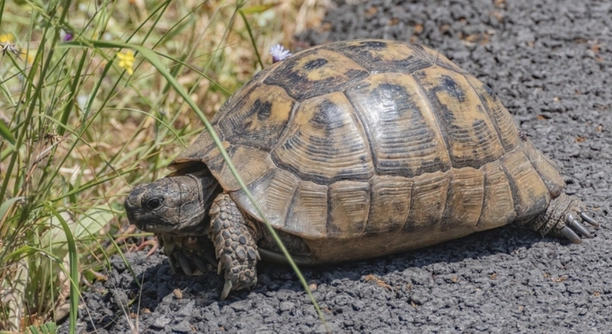
If you’re a proud owner of a Greek tortoise, you may have noticed some unusual breathing sounds. These noises could be worrying, especially if you’re unsure about their cause. Understanding what’s happening can help.
Noisy breathing in a Greek tortoise is often caused by respiratory infections, environmental factors, or other underlying health conditions. It’s important to monitor these sounds and consult a vet if the issue persists or worsens.
Addressing the issue early is key to your tortoise’s well-being. Knowing the potential causes can help guide your next steps in keeping your pet healthy and happy.
Respiratory Infections
One of the most common causes of noisy breathing in a Greek tortoise is a respiratory infection. These infections can be bacterial or viral and often lead to symptoms like wheezing, coughing, or nasal discharge. Tortoises are particularly vulnerable to respiratory illnesses when their environment is too cold or too humid. Poor ventilation, incorrect humidity levels, and improper temperature are all factors that can weaken their immune system and lead to respiratory issues. Infections can progress quickly if not addressed, so it’s essential to monitor your tortoise’s behavior closely. If your tortoise shows signs of distress, it’s best to consult a vet immediately.
A proper diagnosis is essential to determining the right treatment. If left untreated, respiratory infections can become life-threatening for your tortoise.
To prevent infections, ensure that your tortoise’s enclosure is at the right temperature and humidity level. Regularly clean its habitat and provide enough ventilation to avoid stagnant air. These simple steps will reduce the risk of respiratory infections and keep your tortoise comfortable and healthy.
Temperature and Humidity Imbalances
When your tortoise’s environment isn’t properly regulated, it can cause breathing problems. If the temperature is too low or humidity too high, your Greek tortoise may begin to breathe noisily. These imbalances can stress your tortoise, making it harder for them to breathe normally. It’s essential to create a balanced environment.
To maintain proper temperature, ensure the basking area is around 90°F (32°C) and the cooler side stays between 70–75°F (21–24°C). Humidity levels should be around 50–60%, and using a hygrometer can help you monitor this. If the environment is not optimal, your tortoise could develop respiratory issues, making noise when it breathes.
Check your tortoise’s habitat regularly to make sure it’s comfortable. If your tortoise continues to struggle with noisy breathing, you may need to adjust the heat lamps or mist the enclosure. A stable environment helps prevent stress and supports overall health, allowing your tortoise to thrive. Make these small changes, and you might see a noticeable improvement in your tortoise’s breathing patterns.
Stress and Anxiety
Stress is a common cause of noisy breathing in tortoises. When a Greek tortoise feels threatened, uncomfortable, or overstimulated, it can start to breathe more loudly. This can happen if they’re handled too much, exposed to loud noises, or placed in a busy area of the home.
Avoid placing your tortoise in high-traffic areas, as constant movement can stress them out. Try to limit handling and ensure your tortoise has a quiet, peaceful space to rest. The more relaxed your tortoise feels, the less likely it is to exhibit loud breathing patterns.
Obstructions in the Airway
Sometimes, noisy breathing may be caused by a physical obstruction in the tortoise’s airway. Foreign objects, such as bedding material or small pieces of food, can cause a blockage that makes it hard for them to breathe normally.
If you suspect a blockage, gently examine your tortoise and, if necessary, seek veterinary assistance to remove the obstruction. Left untreated, this can lead to more severe respiratory problems.
FAQ
What are the signs that my Greek tortoise is sick?
If your Greek tortoise is sick, you may notice changes in behavior such as lethargy, loss of appetite, and difficulty moving. Other signs can include nasal discharge, excessive sneezing, or labored breathing. Their eyes may appear swollen or crusted, and you might hear a wheezing or clicking sound when they breathe. Any noticeable change in behavior or physical condition should be taken seriously. If you notice these signs, it’s important to consult a veterinarian immediately to diagnose the problem and begin treatment.
How can I tell if my tortoise is stressed?
Stress in tortoises can manifest through a variety of behaviors, including erratic movement, hiding excessively, or constantly trying to escape their enclosure. They may also stop eating or drink less water. If a tortoise is stressed, it might have its mouth open or show signs of aggression. Stress can also affect their health and immune system, making them more susceptible to infections. It’s important to ensure your tortoise has a peaceful, stable environment with minimal disturbances to reduce stress.
Should I be worried if my tortoise’s breathing is slightly noisy?
Occasional noisy breathing, like a soft wheeze or gentle huffing, might not be a cause for concern, especially if there are no other signs of illness. However, if the breathing is consistent, loud, or accompanied by other symptoms like nasal discharge, lethargy, or loss of appetite, it’s best to have your tortoise checked by a vet. Mild noises could also indicate slight stress or a temporary environmental issue, but these should not be ignored if they persist for an extended period.
Can noisy breathing be caused by a cold or wet enclosure?
Yes, a cold or overly humid environment can lead to respiratory issues in Greek tortoises. If the temperature in the enclosure is too low or the humidity is too high, it can weaken their immune system and cause them to develop respiratory infections. It’s essential to maintain proper temperature and humidity levels to keep your tortoise healthy. Use a thermometer and hygrometer to monitor these factors closely. If the environment is unstable, your tortoise might begin to breathe noisily as it tries to compensate for the uncomfortable conditions.
Is it possible for my Greek tortoise to recover from a respiratory infection?
Yes, respiratory infections in tortoises can be treated successfully if caught early. Treatment typically involves antibiotics prescribed by a veterinarian, along with environmental adjustments to improve temperature and humidity levels. Recovery time can vary, but with proper care, many tortoises make a full recovery. It’s important to act quickly, as untreated infections can worsen and become life-threatening.
How can I prevent respiratory infections in my tortoise?
Preventing respiratory infections involves keeping your tortoise’s habitat clean, dry, and at the correct temperature. Ensure the basking area stays warm enough, typically around 90°F (32°C), and the cooler side stays between 70-75°F (21-24°C). Regularly clean the enclosure and remove waste, as buildup can harbor bacteria. Make sure your tortoise has good ventilation to avoid stagnant air, which can promote the growth of harmful bacteria and fungi. Proper nutrition and hydration also help maintain their immune system, reducing the risk of infections.
What should I do if I think my tortoise has something stuck in its nose or throat?
If your tortoise is having trouble breathing or seems to have something stuck in its nose or throat, it’s important to act quickly. Gently examine the mouth, nose, and throat to see if there’s any visible obstruction. If you cannot remove it easily, do not force it, as this could harm the tortoise. Instead, take your tortoise to a veterinarian who specializes in reptiles. They have the tools and experience to safely remove the obstruction and prevent further complications. If left untreated, airway blockages can lead to severe respiratory problems.
How do I know if my tortoise is too cold or too hot?
Signs that your tortoise is too cold include lethargy, lack of movement, and a refusal to eat. If the temperature is too low, your tortoise may become sluggish and unresponsive. Conversely, if the temperature is too high, your tortoise might open its mouth to regulate body heat, become excessively active, or show signs of stress. To maintain a comfortable temperature, make sure the basking area is warm enough and that your tortoise can move to cooler spots if needed. Use a thermometer to ensure the enclosure stays within the right temperature range.
Can my tortoise’s noisy breathing be a result of allergies?
It’s possible for a tortoise to experience breathing difficulties due to allergens, although this is less common. Dust, mold, or certain types of bedding material can cause respiratory irritation, leading to noisy breathing. If you’ve recently changed your tortoise’s bedding or added new items to their habitat, consider switching to hypoallergenic bedding. Regular cleaning of the enclosure will also reduce dust and mold build-up. If the problem continues, it’s best to consult a vet to rule out other health issues.
When should I take my tortoise to the vet for noisy breathing?
If the noisy breathing persists for more than a day or two or is accompanied by other symptoms such as nasal discharge, lethargy, or a change in appetite, it’s time to visit a vet. A vet can properly diagnose the underlying cause of the noisy breathing and suggest the best course of treatment. It’s always better to err on the side of caution, especially if your tortoise’s behavior or condition worsens.
Noisy breathing in your Greek tortoise can be unsettling, but it’s important to remember that it isn’t always a sign of a serious problem. Sometimes, it can be caused by environmental factors like temperature or humidity imbalances, or it could be a sign of minor stress. As a tortoise owner, the best thing you can do is ensure that your pet has a stable, comfortable environment. This includes maintaining the right temperature range and humidity, as well as making sure their habitat is clean and well-ventilated. By providing these conditions, you can help reduce the risk of respiratory issues and prevent other common problems that lead to noisy breathing.
However, it’s also important to be alert and monitor your tortoise for any other signs of illness. If the noisy breathing continues for a prolonged period or is accompanied by other symptoms, such as nasal discharge, lethargy, or a lack of appetite, it’s crucial to seek veterinary care. Respiratory infections, while treatable, can become severe if not addressed in time. Catching these issues early gives your tortoise the best chance for a full recovery. A vet can also rule out other potential causes, like obstructions in the airway, and provide a clear diagnosis.
Taking care of a Greek tortoise involves more than just feeding them. It’s about creating the right environment and being observant of their behavior. Regularly check the conditions of their habitat, and always keep an eye on their physical health. If you ever have concerns, don’t hesitate to reach out to a vet. Understanding the common causes of noisy breathing and taking quick action when needed will ensure that your tortoise stays happy and healthy.

Hello,
If you enjoy the content that we create, please consider saying a "Thank You!" by leaving a tip.
Every little bit helps us continue crafting quality advice that supports the health, happiness, and well-being of pets around the world, for pets of all shapes, sizes, and species.
We really appreciate the kindness and support that you show us!