
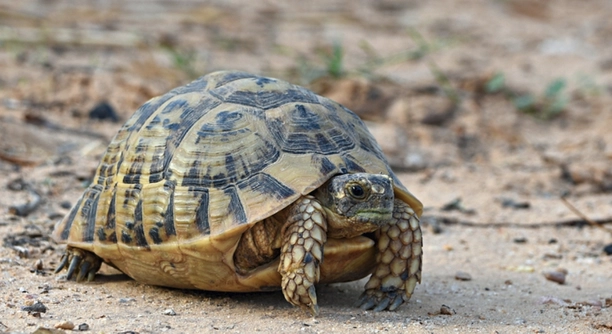
Greek tortoises are fascinating creatures, known for their unique behaviors. If you notice your tortoise constantly trying to escape, there may be specific reasons behind this. Understanding these behaviors can help create a better environment for your pet.
The most common cause of escape attempts in Greek tortoises is insufficient space or inadequate habitat conditions. Tortoises are naturally curious, and they may try to escape if their environment does not meet their needs for exploration and safety.
Addressing these factors can help prevent escape attempts.
Inadequate Habitat Size
Greek tortoises need a spacious enclosure to feel comfortable. A small or cramped space can lead to stress, which may cause them to try to escape. These tortoises are naturally inclined to roam and explore, and if their habitat doesn’t offer enough space to do so, they may attempt to find an escape route. Providing a larger enclosure with varied terrain and hiding spots can make a significant difference. Ensure your tortoise’s living area is spacious enough for them to move around freely. Adding ramps, climbing areas, or even a small digging spot will help create a more enriching environment. This encourages natural behaviors and reduces the urge to escape.
When it comes to tortoise enclosures, size matters. A larger habitat allows your pet to feel more at ease, promoting better health and fewer escape attempts.
Making the effort to create a spacious, diverse enclosure for your Greek tortoise not only keeps them engaged but also ensures their well-being. Take note of the amount of space they need, and be sure to adjust accordingly.
Lack of Environmental Enrichment
Greek tortoises are highly active and intelligent creatures. Without proper enrichment, they can get bored, leading them to seek out an escape. By offering various activities and natural elements in their habitat, such as rocks, plants, and hiding spots, you can satisfy their need for exploration. This will help minimize the desire to escape. Regularly changing the setup of their environment can keep things interesting, too. Providing a place to dig or climb will engage their curiosity and help them stay content.
Without enrichment, your tortoise may look for ways to escape.
Incorporating natural features like rocks, plants, and varied textures into their habitat can make it more engaging. Creating an environment that encourages exploration will help reduce escape behavior by fulfilling their natural instincts.
Inadequate Temperature and Lighting
Greek tortoises need a specific temperature range to thrive. If their enclosure is too hot or too cold, they may become stressed and more likely to escape. Ensure the habitat has a basking area with proper lighting that mimics natural sunlight. This provides warmth and helps regulate their body temperature. Without adequate heat, tortoises may feel uncomfortable and search for more suitable environments.
Proper lighting and temperature control are crucial for your tortoise’s well-being. A basking light and UVB lamp should be used to recreate a natural environment. These factors contribute to their overall health, making them less likely to engage in escape behavior. Tortoises that feel safe in their environment are less likely to attempt an escape.
Maintaining the correct temperature ensures your tortoise remains active and comfortable. A drop in temperature can disrupt their digestion and overall behavior. Keep the habitat at a consistent level and provide a gradient of warmth, allowing your tortoise to regulate its body temperature naturally.
Unhealthy Diet
A poor diet can contribute to stress in Greek tortoises. Without proper nutrition, they may become restless or lethargic. A diet high in fiber and low in protein is essential for their health. If they are not receiving the right nutrients, they may try to escape in search of better conditions or food. Proper diet management is key to maintaining a healthy and calm tortoise.
A varied diet including leafy greens, vegetables, and some fruits should be provided. Avoid foods that are high in sugar or protein, as these can cause digestive issues. Regularly providing fresh and clean water will also prevent dehydration, which can lead to behavior changes and potential escape attempts. Always check that the food is appropriate for the species.
Greek tortoises rely on the right mix of nutrients to stay active and healthy. Offering a well-balanced diet helps reduce the urge to escape due to discomfort or lack of satisfaction. Proper diet management is a simple yet essential aspect of keeping your tortoise happy and secure.
Stress and Anxiety
Stress is a major factor that can cause Greek tortoises to attempt escaping. If there are sudden changes in their environment, like loud noises or unfamiliar objects, they may feel unsettled. Ensuring a calm and quiet space will reduce stress and prevent escape behaviors.
Tortoises can also become stressed if they are handled too frequently. Handling should be kept to a minimum, especially if your tortoise is new to its environment. Providing a safe, secure space with minimal disturbances will help your tortoise feel secure. The less stressed your tortoise is, the less likely they are to try and escape.
Lack of Proper Fencing
A weak or low fence can easily lead to escape attempts. If the walls of your tortoise’s habitat are not high enough or secure, your tortoise may climb or dig its way out. Ensure the fence is tall and sturdy enough to prevent escapes.
Tortoises are known to dig or climb when they feel the need to explore. A low or insecure barrier is an invitation for them to escape. Ensure the fencing around the enclosure is reinforced and tall enough to stop them from attempting to get out. Use digging barriers if needed.
FAQ
Why is my Greek tortoise always trying to escape?
Greek tortoises are naturally curious and active animals. If they are constantly attempting to escape, it may be due to a lack of space, inadequate environmental conditions, or stress. Providing a larger enclosure with appropriate lighting, temperature, and enrichment can help minimize escape attempts. A proper diet also plays a crucial role in keeping them satisfied and reducing the urge to leave their habitat. Ensure that the enclosure is secure and that your tortoise has everything it needs to feel safe and comfortable.
How can I stop my Greek tortoise from escaping?
To prevent escape attempts, start by providing a larger enclosure. Ensure the habitat is well-secured, with high, reinforced fencing. Add natural elements such as rocks, plants, and hiding spots to make the environment more engaging. Regularly check the habitat for any potential escape routes, such as gaps in the fencing. Offering a healthy diet, maintaining proper lighting and temperature, and reducing stress will also help keep your tortoise comfortable and less likely to try escaping.
Can I let my Greek tortoise roam outside?
Yes, you can let your Greek tortoise roam outside, but it is essential to supervise them closely. Outdoor areas need to be secure, with no potential escape routes. Create a safe, enclosed space where your tortoise can explore freely. Avoid areas with predators or heavy traffic. Also, ensure the outdoor temperature is within a suitable range for your tortoise to avoid temperature stress. Always supervise to prevent accidental escapes.
What size enclosure does my Greek tortoise need?
A Greek tortoise needs a large enough enclosure to roam and explore. For a single adult tortoise, an enclosure should be at least 4 feet by 8 feet in size. The larger the space, the better, as tortoises need plenty of room to move, explore, and engage in natural behaviors. Ensure the enclosure includes areas for basking, hiding, and digging. The habitat should also be enriched with rocks, plants, and safe objects for climbing and exploring.
What is the best diet for a Greek tortoise?
The best diet for a Greek tortoise consists primarily of leafy greens, vegetables, and some fruits in moderation. Offer a variety of high-fiber plants such as dandelion greens, collard greens, and mustard greens. Avoid foods high in protein or sugar, as these can cause digestive issues. You can also feed them flowers like hibiscus and dandelions. Ensure fresh water is always available, and avoid feeding them iceberg lettuce, which lacks nutritional value. A balanced diet is essential for maintaining a healthy tortoise.
Do Greek tortoises need UVB light?
Yes, UVB light is essential for Greek tortoises. It helps them produce vitamin D3, which is crucial for calcium absorption and overall health. Without UVB light, your tortoise can develop metabolic bone disease, leading to weakened bones and shells. Use a high-quality UVB light designed for reptiles, and ensure it is positioned correctly to provide adequate exposure. Change the bulb regularly, as the UVB output decreases over time, even if the light is still functioning.
How often should I feed my Greek tortoise?
Greek tortoises should be fed daily, but the amount will depend on their age and size. Young tortoises require more frequent feeding, while adults can be fed every other day. Always provide fresh greens and vegetables, and ensure they are getting a variety of foods. Avoid overfeeding, as obesity can lead to health problems. Offer small portions and adjust based on your tortoise’s activity level and size. Ensure fresh water is always available.
How do I know if my Greek tortoise is stressed?
Signs of stress in a Greek tortoise can include pacing, digging excessively, loss of appetite, and hiding. Stress can be caused by many factors, including poor living conditions, temperature imbalances, sudden changes in their environment, or being handled too much. If you notice these signs, reassess the habitat, reduce handling, and make sure the temperature and lighting are within the proper ranges. Stress can lead to escape attempts as the tortoise seeks a more comfortable environment.
What temperature should my Greek tortoise’s enclosure be?
Greek tortoises need a temperature gradient in their enclosure to regulate their body temperature. The basking area should be between 90°F and 95°F, while the cooler side of the enclosure should be around 70°F to 75°F. The nighttime temperature should not drop below 60°F. A consistent temperature range is important to keep your tortoise healthy and comfortable. If the temperature is too high or too low, your tortoise may become stressed and try to escape.
How long can a Greek tortoise live?
Greek tortoises can live for decades with proper care. The average lifespan ranges from 50 to 80 years, with some tortoises reaching over 100 years. Providing a well-maintained habitat, a proper diet, and regular veterinary check-ups can help ensure a long, healthy life for your tortoise. Be prepared for a long-term commitment if you choose to care for one.
Can my Greek tortoise live with other animals?
Greek tortoises can generally live alone or with other tortoises, but they should not be housed with other types of animals, especially if they are not compatible. Keep your tortoise away from pets like dogs, cats, or birds, as they can cause stress or pose a threat. If you do house multiple tortoises together, make sure the space is large enough to prevent territorial behavior. It’s important to monitor their interactions closely to ensure that they get along.
Final Thoughts
Understanding why your Greek tortoise is trying to escape is key to providing the best care. Tortoises are naturally curious creatures, but they also need a secure environment to feel comfortable. Factors like stress, an inadequate enclosure, or a lack of stimulation can cause them to seek an escape. By addressing these issues, you can help your tortoise feel safer and more at ease in its habitat.
Providing a larger, more enriching environment is crucial. Greek tortoises thrive when they have space to explore, hide, and engage in natural behaviors like digging and climbing. Reinforced fencing is essential to keep them from escaping, as they are capable of climbing or digging if given the chance. Ensure the enclosure has proper lighting, temperature, and humidity levels to support their health and well-being. Regularly check the habitat to make sure there are no escape routes.
A proper diet, regular monitoring, and less frequent handling can also help reduce the urge to escape. Tortoises need a balanced diet that includes fresh greens, vegetables, and a small amount of fruit. Avoid overfeeding and keep the diet simple and natural. Lastly, handling should be minimized to prevent stress. By meeting these basic needs, your Greek tortoise will be less likely to try to escape and more likely to thrive in its environment. With the right care, your tortoise can live a long, healthy, and stress-free life.

Hello,
If you enjoy the content that we create, please consider saying a "Thank You!" by leaving a tip.
Every little bit helps us continue crafting quality advice that supports the health, happiness, and well-being of pets around the world, for pets of all shapes, sizes, and species.
We really appreciate the kindness and support that you show us!