
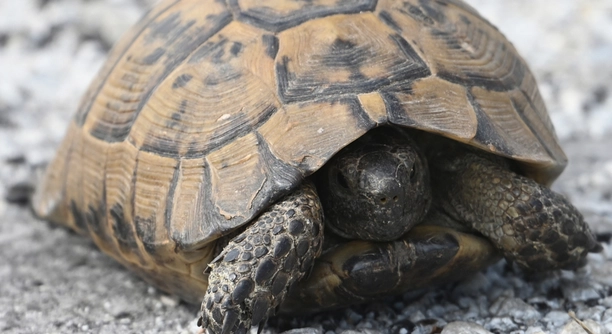
Greek tortoises are known for their digging behavior, especially at night. This instinct is natural and part of their routine. However, when it becomes frequent or concerning, it’s important to understand why this happens.
The primary reason your Greek tortoise digs at night is likely due to its natural instincts for shelter and security. Tortoises often dig to create a comfortable space for resting or to find a cooler or warmer area.
Understanding the causes behind this behavior can help ensure your tortoise stays happy and healthy. There are several reasons why digging happens, and we’ll explore them in detail.
Natural Instincts and Behavior
Greek tortoises are naturally inclined to dig. This behavior is deeply rooted in their survival instincts. In the wild, they dig to find shelter, stay safe from predators, and regulate their body temperature. It’s their way of creating a secure and comfortable environment. Digging also allows them to hide and avoid harsh weather conditions. This instinct remains strong even in captivity, and your tortoise may dig simply to mimic natural behaviors. While this is common, it doesn’t always mean something is wrong. If the digging is excessive, it’s worth observing any other signs of stress.
Understanding why your tortoise digs is essential for ensuring its well-being. A happy tortoise will usually dig in a specific area of its habitat. If you notice digging at night, it could simply be their way of adjusting to the temperature changes that occur after dark.
While the digging itself is normal, it’s important to ensure that your tortoise has a suitable environment that supports its needs. Check the temperature, humidity, and substrate to make sure they align with its natural habits.
Habitat and Temperature
Tortoises are sensitive to temperature changes, especially at night. If your Greek tortoise is digging, it could be a way to regulate its environment. They often dig to find cooler ground in warmer climates or warmer ground during cooler nights. When housed indoors, temperature regulation may be difficult, leading your tortoise to dig in search of more comfort.
A suitable habitat should offer a consistent range of temperatures, ideally between 75-85°F (24-29°C) during the day. Night temperatures can drop, but ensure they don’t fall below 65°F (18°C). If temperatures fluctuate too much, your tortoise might dig more than usual.
Stress and Anxiety
When a Greek tortoise feels stressed or anxious, it may dig more frequently. Changes in its environment, such as a new habitat, a change in caretakers, or loud noises, can trigger this behavior. Tortoises tend to seek comfort in the form of digging when they are unsure of their surroundings.
If your tortoise is digging at night and shows signs of being stressed—like excessive pacing or hiding—it may be a sign that it’s feeling insecure. Providing a stable, quiet environment is key to reducing stress. Keep the habitat consistent, with familiar objects and regular handling.
Sometimes, stress can arise from a lack of proper enrichment or boredom. Make sure your tortoise has enough space to roam and areas to explore. Adding new textures or hiding places in the enclosure might reduce the urge to dig excessively.
Breeding Behavior
If your tortoise is a female, digging at night could be related to nesting. Female Greek tortoises dig to create a safe spot for laying eggs. This is part of their natural reproductive behavior. The digging may seem more intense, as they search for a place where they can lay eggs.
Female tortoises don’t always lay eggs after digging, but they will often perform the digging behavior in preparation. If you notice that your tortoise is digging more than usual, consider whether it could be a sign of nesting. Providing a deep substrate to dig in can help.
Inadequate Substrate
If the substrate in your tortoise’s enclosure is too shallow or not suitable, it may encourage excessive digging. Greek tortoises prefer a substrate that is deep enough to dig and burrow comfortably. Without proper bedding, your tortoise might dig more in an attempt to find a better place to settle.
Use a substrate like coconut coir, soil, or a mix that allows your tortoise to dig without difficulty. Make sure the substrate is deep enough (at least 3-4 inches) to support natural digging behaviors. If it’s too thin, your tortoise might dig more frequently or aggressively.
Hunger or Food Search
Greek tortoises are always looking for food, and sometimes they dig in search of it. If your tortoise is hungry or feels like its food source is limited, it may dig as part of its natural hunting instinct. This can happen especially at night when they are more active.
Ensure your tortoise is being fed properly with a balanced diet of vegetables, grasses, and occasional protein. Keep the feeding schedule consistent so it doesn’t feel the need to search for food through digging.
FAQ
Why is my Greek tortoise digging so much at night?
Greek tortoises are naturally more active during the evening and night hours. Digging at night could be a response to instinctual behaviors, like seeking shelter or regulating temperature. It might also indicate stress, boredom, or attempts to find food. Ensure its habitat is stable and comfortable, with proper temperature and substrate, to prevent excessive digging.
Can I stop my Greek tortoise from digging at night?
While you can’t completely stop the digging, you can reduce its frequency. Ensure your tortoise’s environment meets all its needs, such as providing a proper substrate, temperature control, and hiding spots. Reducing stress factors, like loud noises or sudden changes in its surroundings, can also help minimize nighttime digging.
Is it normal for my Greek tortoise to dig every night?
It is normal for tortoises to dig, but doing so every night may suggest an underlying cause. This could range from natural instincts to stress, or an inadequate enclosure. If the digging seems excessive or is causing harm, it’s a good idea to evaluate its habitat and behavior for possible improvements.
Should I be worried if my tortoise digs a lot?
Occasional digging is normal and part of their natural behavior. However, if your tortoise is digging constantly or showing signs of distress, like not eating or hiding frequently, you may need to investigate potential stressors or environmental factors. Over-digging may indicate that something in its setup needs to be adjusted.
How can I make my tortoise’s habitat more comfortable?
To make your tortoise feel comfortable, create a space with enough room to roam and burrow. Use deep, natural substrates, such as coconut coir or soil, so it can dig freely. Keep the temperature consistent, with a basking area around 85°F (29°C), and a cooler zone of about 75°F (24°C).
Can I provide my Greek tortoise with a hiding spot to reduce digging?
Yes, adding hiding spots can help reduce digging. Tortoises often dig when they feel insecure, and a hiding spot can provide a sense of safety. Use rocks, logs, or small caves where the tortoise can retreat when needed. This can help create a more balanced, secure environment.
Is nighttime digging a sign of illness?
Nighttime digging itself is not necessarily a sign of illness, but if it is accompanied by other symptoms like lethargy, poor appetite, or abnormal behavior, it could point to health issues. Make sure to monitor your tortoise’s overall well-being and consult a veterinarian if any concerning signs arise.
Do I need to worry if my tortoise is digging to lay eggs?
If your female Greek tortoise is digging, it could be due to nesting instincts. Female tortoises dig to find a safe place for laying eggs, even if they don’t lay them every time. Ensure that your tortoise has a deep substrate in its enclosure to mimic natural nesting conditions.
What’s the best substrate for a Greek tortoise?
A good substrate for a Greek tortoise should allow for digging and provide a comfortable environment. Coconut coir, soil, and organic mulch are ideal because they hold moisture and allow burrowing. The substrate should be deep enough—at least 3-4 inches—to accommodate natural digging behaviors.
How often should I change the substrate in my tortoise’s enclosure?
You should replace the substrate when it becomes dirty or soiled, as a buildup of waste can lead to bacteria and health problems. Generally, you can spot clean daily and do a full change every 1-2 months. Ensure the new substrate is free from chemicals and pesticides.
Can I put my Greek tortoise outside to stop the digging at night?
If you live in a climate that’s safe for tortoises, placing them outside during the day is fine. However, nighttime temperature drops might cause them to dig for warmth. If keeping them outside, provide a secure, temperature-controlled outdoor enclosure with proper shelter.
How can I tell if my tortoise is digging out of boredom?
Boredom-driven digging usually happens when the tortoise feels it has nothing to do. If your tortoise is in an enclosure that’s too small, lacks enrichment, or doesn’t have enough stimulation, it may dig out of frustration. Provide hiding spots, safe climbing areas, and a variety of textures to explore.
Is there a risk of my tortoise hurting itself by digging?
While it’s rare for a tortoise to hurt itself digging, excessive or aggressive digging can lead to physical injury, like scratching or stressing the shell. If digging leads to torn skin or injury, or if the tortoise digs so much it exhausts itself, consult a vet to ensure there are no underlying issues.
How do I know if my tortoise is digging because it’s stressed?
Stress-induced digging is often accompanied by other signs like pacing, hiding, or a lack of appetite. If you notice changes in behavior, it might be linked to stress. Check for environmental stressors such as temperature fluctuations, loud sounds, or sudden changes in the enclosure.
Should I provide more food if my tortoise is digging for food?
If your tortoise is digging in search of food, it might be due to hunger or insufficient nutrition. Make sure to provide a balanced diet with enough fresh vegetables, fruits, and occasional protein. Keep feeding times consistent to avoid confusion and ensure the tortoise feels secure in its food supply.
Digging is a natural behavior for Greek tortoises, and it’s important to remember that it’s usually not something to worry about. Whether it’s seeking shelter, regulating temperature, or following instincts, digging helps them feel secure in their environment. If your tortoise digs at night, it’s likely just following its natural rhythm, as tortoises are crepuscular animals, meaning they are most active during the dawn and dusk hours. A lot of digging at night can also be related to the search for a more comfortable spot or a place to rest. As long as your tortoise is eating well, moving around, and showing no signs of illness, nighttime digging is often just part of their routine.
However, if the digging becomes excessive or is accompanied by other concerning behaviors such as a lack of appetite, lethargy, or unusual hiding, it could indicate an underlying issue. Stress, boredom, inadequate habitat, or even the presence of eggs can make your tortoise dig more. If you notice any of these signs, it’s a good idea to check your tortoise’s environment. Ensure the temperature, substrate, and humidity levels are appropriate. Adding enrichment, like hiding spots or more space to explore, can help reduce unnecessary digging. Also, make sure the enclosure is large enough to allow your tortoise to feel safe and secure.
Overall, while digging is often a normal and instinctive behavior, being aware of what might be causing it can help create a more comfortable and stress-free environment for your tortoise. Proper care, along with attention to any changes in behavior, will ensure your Greek tortoise remains happy and healthy. If you are ever uncertain or concerned, reaching out to a vet who specializes in reptiles can provide additional peace of mind and guidance for managing your tortoise’s needs.

Hello,
If you enjoy the content that we create, please consider saying a "Thank You!" by leaving a tip.
Every little bit helps us continue crafting quality advice that supports the health, happiness, and well-being of pets around the world, for pets of all shapes, sizes, and species.
We really appreciate the kindness and support that you show us!