
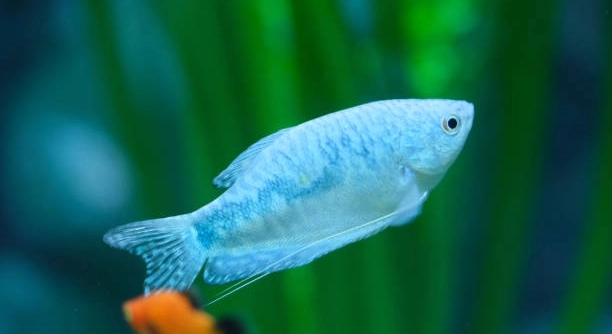
Gouramis are popular freshwater fish known for their gentle nature and bright colors. Many fishkeepers enjoy watching them explore their tank. Sometimes, gouramis rub against rocks or decorations, which can be puzzling for owners.
Gouramis rubbing against rocks usually indicates irritation or discomfort caused by parasites, skin issues, or poor water conditions. This behavior can also be a natural way for them to remove dead skin or relieve itching. Identifying the cause is essential for their health and wellbeing.
Knowing why your gourami behaves this way can help you provide better care. Understanding the reasons behind this action will guide you in creating a healthier environment for your fish to thrive.
Causes of Gourami Rubbing Against Rocks
Gouramis may rub against rocks for several reasons, mostly linked to their health or environment. One common cause is irritation from parasites such as ich or flukes, which attach to the fish’s skin. This makes them scratch to try to remove the pests. Another factor can be poor water quality—high ammonia or nitrite levels often cause discomfort and stress, leading to rubbing behavior. Skin infections or wounds might also make your gourami seek relief by rubbing against hard surfaces. Additionally, natural behavior like shedding dead skin can cause them to rub gently. Observing your gourami closely and checking water parameters regularly will help catch these issues early. Keeping the tank clean and balanced supports their well-being and reduces such rubbing actions.
If your gourami rubs occasionally, it may not be urgent. But frequent rubbing usually signals something is wrong and needs attention.
Understanding these reasons will help you respond properly and keep your fish comfortable and healthy.
How to Check Your Aquarium Environment
Start by testing your water for ammonia, nitrites, and nitrates using a reliable test kit. Keeping these levels in check is critical for your gourami’s health. Temperature and pH also matter, so make sure they fit the species’ needs. Regular partial water changes help maintain a clean tank and reduce toxins. Inspect decorations and substrate for rough edges that could cause injury if your fish rubs too hard. Proper filtration is essential, so ensure your filter runs efficiently and is appropriate for your tank size. Overcrowding or aggressive tank mates can stress your gourami, increasing rubbing behavior. Make adjustments where needed to create a calm and safe environment.
A healthy aquarium environment significantly reduces discomfort and rubbing actions in gouramis.
Cleaning the tank regularly and observing your fish’s behavior are simple but effective ways to prevent many common problems.
Treating Parasites and Skin Issues
When parasites cause rubbing, treatment should begin quickly to prevent serious harm. Many pet stores offer anti-parasitic medications that are safe for gouramis. Follow the instructions carefully to avoid overdosing. For mild cases, raising the tank temperature slightly can speed up parasite life cycles, making treatments more effective. Skin infections might require antibacterial medications or salt baths, but always research which treatments are safe for gouramis specifically. Avoid harsh chemicals that could stress your fish further. Keeping your fish isolated during treatment helps prevent spreading to others. If unsure, consulting an aquatic veterinarian or experienced aquarist is a good step. Prevention through good hygiene and water quality remains the best approach.
Early treatment improves the chances of a quick recovery and reduces the chance of permanent damage to your gourami’s skin.
Regular tank maintenance and observation are key to spotting problems before they become serious.
Physical Injuries and Stress
Physical injuries can cause gouramis to rub against rocks. Even small scratches or abrasions from sharp tank decorations can irritate their skin. Stress from overcrowding or aggressive tank mates may also lead to this behavior.
If your gourami has a visible wound, keep the tank clean to avoid infection. Remove any sharp objects or rough decorations that could cause further harm. Stress can weaken their immune system, making them more prone to illness and rubbing behaviors. Provide plenty of hiding spots and ensure your tank isn’t overcrowded to reduce stress. Sometimes, simply improving their environment can stop rubbing caused by injury or stress.
It’s important to monitor your fish carefully after noticing injuries or stress-related rubbing. Early care can prevent complications and help your gourami heal faster.
Nutritional Deficiencies and Gourami Behavior
Poor nutrition can contribute to skin problems that cause rubbing. Gouramis need a balanced diet rich in vitamins and minerals to maintain healthy skin and scales. A diet lacking in essential nutrients can weaken their immune system, making them more susceptible to irritation and infections.
Feeding a variety of foods like high-quality flakes, pellets, frozen, and live foods helps provide a complete nutrient profile. Vitamin supplements are sometimes necessary if your fish show signs of deficiency. Avoid overfeeding, which can cause poor water quality and indirectly stress your gourami. Regularly changing the diet or introducing fresh foods keeps them interested and healthy.
Good nutrition supports your gourami’s overall health and reduces unwanted rubbing behaviors caused by skin issues or discomfort.
Natural Behavior and Exploration
Sometimes gouramis rub against rocks simply as part of their natural behavior. It can be a way to explore their environment or remove dead skin. This rubbing isn’t always a sign of trouble.
If the behavior is occasional and your fish looks healthy, it’s likely normal. Watch for any other symptoms before worrying.
When to Seek Professional Help
If rubbing is frequent and paired with signs like loss of appetite, lethargy, or visible wounds, it’s time to get expert advice. A vet or experienced aquarist can diagnose underlying issues that might not be obvious.
Professional help ensures your gourami receives the correct treatment, especially for persistent infections or parasites that over-the-counter remedies may not fully resolve.
Tank Setup Tips
Smooth decorations and plenty of hiding spots help reduce rubbing. Avoid sharp edges that can injure delicate gourami skin. Providing plants and caves creates a safer environment.
A well-planned tank setup supports your fish’s health and comfort, reducing stress and irritation.
FAQ
Why is my gourami rubbing against the tank walls or decorations?
Gouramis often rub against surfaces when they feel itchy or uncomfortable. This behavior can be caused by parasites, skin infections, or poor water quality. Sometimes it’s a way to remove dead skin or scratches. If the rubbing happens often or your fish shows other signs of illness, it’s important to check water conditions and look for parasites.
How can I tell if my gourami has parasites?
Look for white spots, redness, or unusual patches on your fish’s body. Parasites often cause your gourami to rub or scrape itself. You might also notice rapid breathing or hiding. If you suspect parasites, treat your tank with appropriate medications and improve water quality.
Is rubbing always a sign of illness?
Not always. Gouramis sometimes rub against objects naturally as part of their behavior or to shed old skin. Occasional rubbing without other symptoms usually isn’t a concern. However, frequent or intense rubbing combined with lethargy, loss of appetite, or visible wounds suggests a health issue.
Can poor water quality cause my gourami to rub against rocks?
Yes. High levels of ammonia, nitrites, or nitrates can irritate your fish’s skin and gills. This irritation often leads to rubbing as the gourami tries to ease discomfort. Regular water testing and changes are crucial to keep these toxins low and maintain a healthy environment.
What steps should I take if my gourami is rubbing a lot?
First, test your water for ammonia, nitrites, and nitrates, and adjust as needed. Inspect your fish for signs of parasites or injury. Remove any rough or sharp decorations that could cause damage. Treat parasites or infections promptly with recommended medicines. Consider isolating the fish if needed to protect others.
How can I prevent my gourami from rubbing against rocks?
Maintain good water quality with regular cleaning and water changes. Provide smooth decorations and plenty of hiding spots to reduce stress. Feed a balanced diet to support healthy skin and immunity. Avoid overcrowding and aggressive tank mates to minimize stress.
Could stress make my gourami rub against surfaces?
Yes. Stress weakens a fish’s immune system and can cause unusual behaviors like rubbing. Causes of stress include overcrowding, aggressive tank mates, sudden changes in water conditions, or inadequate hiding places. Reducing stress helps prevent rubbing and other health issues.
Are there any safe treatments for rubbing caused by parasites?
Many anti-parasitic treatments are safe for gouramis but follow instructions carefully. Common options include medications for ich or flukes and salt baths in recommended doses. Increasing tank temperature slightly can make treatments more effective but always research what’s safe for your specific gourami species.
How long does it take for a gourami to recover from rubbing caused by parasites or injuries?
Recovery time varies depending on the cause and treatment speed. Mild cases might improve within a week, while severe infections or injuries can take several weeks to heal. Keeping water clean and stress low speeds up recovery.
When should I consult a vet for my gourami?
If rubbing continues despite treatment, or if your fish shows worsening symptoms like severe wounds, lethargy, or refusal to eat, professional advice is important. A vet can provide accurate diagnosis and stronger treatment options.
Can nutrition affect my gourami’s skin health?
Definitely. A diet lacking vitamins and minerals can weaken your gourami’s skin, making it more prone to irritation and infections. Feeding a varied diet with high-quality flakes, pellets, and occasional live or frozen foods helps maintain healthy skin and reduces rubbing.
Is it normal for gouramis to rub against rocks during molting or skin shedding?
Yes. Like other fish, gouramis sometimes rub to help shed old or dead skin. This behavior is usually gentle and occasional. If rubbing seems aggressive or is causing injury, it may signal a health problem instead.
How do I make my tank safer to prevent rubbing injuries?
Choose smooth, rounded decorations without sharp edges. Avoid overcrowding the tank to reduce stress and fighting. Provide plants, caves, and hiding places so your gourami can feel secure. Regularly check the tank for hazards that could injure your fish.
Does rubbing affect the overall health of my gourami?
Frequent rubbing can damage your fish’s skin, making it vulnerable to infections and stress. If left untreated, this can lead to serious health problems. Early intervention helps keep your gourami healthy and comfortable.
Can rubbing behavior be a sign of aging in gouramis?
Aging fish might develop more sensitive skin or minor irritations, leading to occasional rubbing. However, age alone usually doesn’t cause frequent rubbing. Watch for other signs of illness or environmental issues if your older gourami starts rubbing more often.
When your gourami starts rubbing against rocks or decorations, it’s important to understand that this behavior can have many causes. Sometimes it’s normal, like when your fish is gently scraping to remove dead skin. But often, rubbing is a sign that something isn’t quite right in the tank. It could be due to parasites, skin irritation, poor water quality, or even stress. Paying close attention to your gourami’s behavior and overall health will help you figure out if the rubbing is just a harmless habit or a warning signal.
Keeping the tank clean and maintaining good water conditions is one of the best ways to prevent rubbing caused by irritation. Testing water regularly for harmful chemicals like ammonia and nitrites, and performing routine water changes, will keep the environment healthy for your fish. Also, make sure the tank decorations are smooth and free from sharp edges that could injure your gourami. Stress from aggressive tank mates or overcrowding can also lead to rubbing, so providing enough space and hiding places can reduce stress and improve your fish’s comfort.
If rubbing continues or your gourami shows signs of illness, such as changes in appetite, lethargy, or visible wounds, consider seeking professional help. Early treatment for parasites or infections is important to avoid serious problems. Feeding your gourami a balanced diet with the right nutrients supports healthy skin and overall well-being. By observing your fish carefully and acting when needed, you can help ensure your gourami stays healthy, comfortable, and happy in its tank.

Hello,
If you enjoy the content that we create, please consider saying a "Thank You!" by leaving a tip.
Every little bit helps us continue crafting quality advice that supports the health, happiness, and well-being of pets around the world, for pets of all shapes, sizes, and species.
We really appreciate the kindness and support that you show us!