
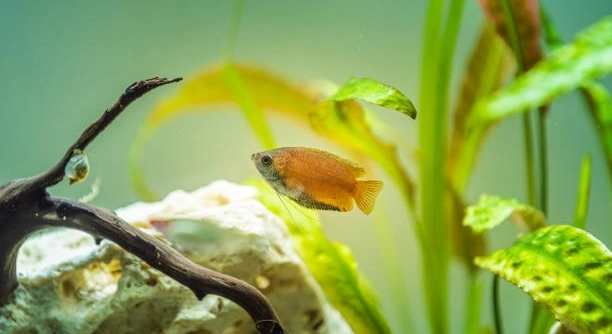
Are your gouramis acting more aggressive than usual in the tank? Observing your fish constantly chasing or nudging others can be unsettling. Understanding their behavior can help maintain a peaceful and healthy aquarium environment for all.
Gouramis often push other fish around due to territorial instincts, dominance establishment, or stress caused by overcrowding or poor water conditions. Recognizing these triggers allows aquarists to manage tank dynamics and promote harmonious interactions among all fish species.
Managing aggression in your tank requires awareness and small adjustments. Proper space, hiding spots, and compatible companions can greatly reduce conflicts and keep your gouramis calmer.
Understanding Gourami Aggression
Gouramis are naturally territorial, especially in smaller tanks or when they feel overcrowded. Their pushing and chasing behavior is often a way to claim space or show dominance. Male gouramis can be more aggressive, particularly during breeding periods, as they defend their bubble nests. Stress factors, such as poor water quality, sudden changes in temperature, or lack of hiding places, can also increase aggression. Observing when and how your gourami pushes others can reveal patterns. Sometimes, aggression occurs during feeding times, while other times it happens randomly. Adjusting the tank layout, adding plants, or providing more space can help reduce tension. It’s important to remember that aggression is not always a sign of illness but often a natural instinct. By carefully managing their environment, you can create a calmer and more balanced tank for all your fish. Keeping a consistent routine also helps gouramis feel secure and less likely to act aggressively.
Aggression in gouramis usually stems from space issues or stress. Simple changes can prevent many conflicts.
Careful tank planning makes a big difference. Placing tall plants or decorations strategically creates territories that reduce chasing. Hiding spots allow less dominant fish to escape harassment, improving overall harmony. Observing interactions daily helps spot potential problems early, allowing timely adjustments. Overcrowding or mismatched tank mates often worsen aggression. Maintaining stable water parameters, regular cleaning, and consistent feeding schedules also reduce stress. If one gourami is overly aggressive, temporarily separating it can calm the tank. Patience and observation are key. Understanding each fish’s behavior and adjusting their environment can transform a tense aquarium into a peaceful one where all species thrive.
Tank Setup and Compatibility
Proper tank size and layout are essential for reducing conflicts. A cramped or poorly structured tank can heighten tension and trigger frequent pushing.
Choosing compatible species and arranging the tank thoughtfully is crucial for harmony. Gouramis prefer calm tank mates that are not overly aggressive or territorial. Providing plenty of plants, rocks, and hiding places helps create distinct areas, reducing confrontations. Tall plants and floating decorations give vertical space, which gouramis often use to establish territories. Avoid placing multiple dominant males together unless the tank is very large. Observing fish behavior after adding new companions allows adjustments before conflicts escalate. Regular water changes, stable temperatures, and monitoring pH levels also support calm behavior. Feeding multiple spots in the tank prevents competition for food. By combining thoughtful species selection with careful tank design, aggression can be minimized, creating a balanced environment. Over time, your gouramis will settle into their territories, pushing less often, and the aquarium will become a calmer, healthier habitat for every fish.
Recognizing Stress in Gouramis
Stress often causes gouramis to act aggressively. Changes in water temperature, overcrowding, or poor water quality can make them push other fish more frequently. Observing their behavior closely helps identify stress triggers early, allowing timely adjustments to improve tank harmony.
Stress in gouramis shows in several ways. They may chase tank mates, hide excessively, or refuse food. Fins might appear clamped, colors dull, and swimming erratic. Sudden changes, like adding new fish or rearranging decorations, can trigger tension. Maintaining stable water conditions, including proper temperature, pH, and cleanliness, reduces stress. Providing adequate space and hiding spots allows fish to feel secure. Feeding routines should remain consistent to avoid competition. Over time, stress reduction leads to calmer behavior, less chasing, and a healthier tank environment for all inhabitants.
Sometimes, even with proper care, aggression continues. Adjusting tank structure, increasing hiding spots, or separating particularly aggressive individuals temporarily can reduce conflict. Monitoring interactions regularly ensures that stress-related behaviors are managed before escalation. Ensuring each gourami has its own space minimizes constant pushing. Avoiding sudden changes in lighting, water flow, or tank companions keeps fish calmer. Observation is key: knowing which fish are more dominant helps prevent harm to weaker tank mates. Over time, with consistent care, gouramis learn to coexist more peacefully, and the aquarium becomes a more relaxed and balanced environment.
Feeding Habits and Aggression
Competition for food often increases pushing behavior among gouramis. Uneven feeding can make dominant fish chase or block others, causing tension in the tank.
Feeding multiple areas at once helps reduce conflicts. Gouramis naturally compete for food, and dominant individuals may try to claim all portions. Using floating and sinking foods ensures all fish have access, minimizing stress. Feeding smaller amounts more frequently prevents sudden bursts of aggression. Observing fish during feeding can reveal which individuals are being bullied or left hungry. Sometimes separating aggressive feeders temporarily allows weaker fish to eat without pressure. Consistent routines and balanced diets also support calmer interactions. Ensuring all gouramis are well-fed reduces competition-driven aggression.
Aggressive behavior can still occur during feeding despite precautions. Adjusting the timing, type, or placement of food can help. Some gouramis become more territorial during mealtime, requiring temporary barriers or divided feeding zones. Monitoring which fish are dominant allows you to intervene early, preventing injury or excessive stress. Adding live or frozen foods can distract dominant individuals, giving others a chance to feed. Over time, balancing feeding methods and maintaining fair access to food encourages more peaceful behavior. Careful observation combined with structured feeding routines ensures all gouramis thrive without constant conflict.
Tank Size and Space
A small tank often causes gouramis to push others as they compete for limited territory. Providing enough room for each fish reduces stress and aggressive behavior significantly, giving all inhabitants space to swim freely without constant confrontations.
Adding vertical and horizontal space with plants or decorations helps create distinct zones. Gouramis use these areas to establish personal territories, which minimizes chasing. Open swimming areas combined with hiding spots balance their need for space and security. Adjusting tank layout gradually allows fish to adapt without sudden stress. Observing interactions helps ensure all fish have enough room and reduces repeated aggression over time.
Recognizing Breeding Behavior
During breeding periods, male gouramis can become highly territorial. Bubble nest building and guarding intensify pushing and chasing behavior toward other fish.
Separating Aggressive Fish
Temporarily isolating a particularly aggressive gourami can prevent injuries. Using a divider or separate tank keeps the main group calmer.
Why is my gourami always chasing other fish?
Gouramis chase other fish mainly due to territorial instincts or dominance behavior. Males are often more aggressive, especially during breeding periods when they build bubble nests. Stress from overcrowding, sudden changes in water temperature, or poor water quality can also trigger chasing. Observing their behavior helps identify whether the aggression is occasional or constant. Adjusting tank conditions, providing hiding spots, and ensuring enough swimming space can reduce chasing. Sometimes it’s natural behavior, and with careful monitoring, the tank can remain peaceful.
Can stress make gouramis more aggressive?
Yes, stress is a common factor that increases aggression in gouramis. Stress can result from overcrowded tanks, incompatible tank mates, sudden water changes, or inadequate hiding spaces. Signs of stress include clamped fins, dull colors, erratic swimming, and refusal to eat. Stress reduction techniques involve maintaining stable water conditions, offering sufficient space, adding decorations for hiding, and keeping feeding routines consistent. Reducing environmental stress helps gouramis act calmer and prevents constant chasing or pushing of other fish.
How can I reduce aggression between gouramis and other fish?
Aggression can be reduced by creating defined territories and ensuring the tank is large enough for all inhabitants. Adding plants, rocks, or other decorations gives fish personal space and hiding areas. Choosing compatible tank mates that are calm and non-territorial also helps. Observing interactions daily allows you to spot signs of stress or bullying early. Feeding in multiple areas prevents competition over food, while temporarily separating the most aggressive individuals can calm the tank. Consistent care, proper tank setup, and monitoring behavior are key to reducing conflicts.
Does tank size affect gourami behavior?
Tank size significantly influences gourami behavior. Small tanks limit swimming space and increase territorial disputes. Providing enough room allows each fish to establish its own area, reducing constant chasing and aggression. Vertical space is also important, as gouramis utilize the tank’s height to explore and claim territories. Gradually increasing space with plants, rocks, or decorations helps create boundaries. Larger tanks with multiple hiding spots allow less dominant fish to avoid confrontations. Proper tank size combined with thoughtful layout leads to a calmer, healthier aquarium environment for all species.
Are certain gourami species more aggressive than others?
Yes, some gourami species display more aggressive behavior than others. Male dwarf gouramis, pearl gouramis, and kissing gouramis can show territorial tendencies. Larger species like opaline or three-spot gouramis often dominate smaller fish. Aggression levels may vary individually, so observing personality differences is important. Providing adequate space, compatible tank mates, and hiding spots reduces conflicts. Keeping a balanced number of males and females can also prevent excessive fighting. Recognizing species-specific behavior helps in planning the tank and managing interactions effectively.
Can diet influence aggression in gouramis?
Diet plays a role in behavior. Hungry gouramis tend to chase others during feeding. Providing multiple feeding spots ensures all fish have access to food, reducing competition. A balanced diet with varied protein sources keeps gouramis healthy and less irritable. Feeding smaller portions more frequently prevents sudden bursts of aggression. Monitoring eating habits helps identify fish that are being bullied or missing meals. Proper nutrition and consistent feeding routines contribute to calmer behavior and a more harmonious tank environment.
When should I consider separating aggressive gouramis?
Separating aggressive gouramis is necessary when chasing leads to injury or extreme stress in other fish. Temporary dividers or a separate tank can calm the main group. This is especially useful during breeding periods or when introducing new fish. Monitoring interactions before and after separation ensures the tank balance improves. Reintegration should be gradual, allowing the aggressive fish to adapt to shared territory without causing harm. Separation is a practical tool to maintain peace and protect weaker or smaller tank mates while maintaining overall tank harmony.
Can water conditions influence pushing behavior?
Poor water conditions increase stress and aggression. High ammonia, nitrite, or nitrate levels, fluctuating pH, or inconsistent temperatures make gouramis more likely to push or chase others. Regular water testing, partial water changes, and stable conditions help reduce tension. Clean, well-maintained water improves overall health, prevents disease, and encourages calmer behavior. Gouramis thrive in stable, slightly acidic to neutral pH and warm temperatures. By prioritizing water quality, you can minimize aggression and maintain a balanced environment for all tank inhabitants.
Is breeding the main reason for aggressive behavior?
Breeding periods often amplify aggression, particularly in males. Bubble nest construction and defending the area from other fish cause pushing and chasing. Providing separate breeding tanks or sufficient territory reduces conflicts. Even outside breeding, hormonal changes in males may lead to temporary dominance displays. Observing patterns helps differentiate between natural breeding behavior and persistent stress-related aggression. By adjusting tank setup and monitoring breeding cycles, you can maintain peace while supporting natural reproductive behavior.
How do I know if aggression is harmful or just normal behavior?
Normal behavior includes occasional chasing, mild nudging, or brief territorial disputes. Harmful aggression results in injury, fin damage, constant bullying, or preventing other fish from accessing food or hiding spots. Observing frequency, intensity, and impact on tank mates helps determine if intervention is needed. Environmental adjustments, tank redesign, and temporary separation prevent harm. Maintaining careful observation ensures that aggression remains within natural boundaries and does not compromise the health or well-being of your aquarium. Regular monitoring and early intervention are key to a safe and calm tank.
Can adding decorations really reduce pushing?
Yes, adding plants, rocks, and hiding spots creates natural boundaries and reduces conflicts. Gouramis use these areas to claim territory, rest, or hide from more dominant fish. Vertical and horizontal structures allow multiple fish to coexist without constant interaction. Strategically placed decorations help separate aggressive individuals from weaker fish. Floating plants or tall stems provide vertical layers, giving gouramis additional space to explore and claim. Over time, these adjustments lower stress, reduce chasing, and foster a calmer aquarium environment where all species feel secure.
Managing gourami aggression is a common concern for aquarists, and understanding why it happens is the first step toward creating a calmer tank environment. Gouramis are naturally territorial, and some pushing and chasing is normal behavior. Male gouramis, in particular, show more dominant tendencies, especially during breeding or when establishing personal space. Stress, overcrowding, and poor water conditions often make aggression worse, turning minor territorial behavior into constant chasing or bullying. By observing your fish and their interactions, you can identify the triggers behind aggressive behavior and take steps to address them before they cause harm.
Adjusting the tank environment can make a big difference. Providing enough space for each fish is crucial, as a cramped tank often leads to conflicts. Vertical and horizontal room, along with well-placed plants, rocks, or decorations, allows gouramis to claim personal territory and reduces constant interaction with others. Hiding spots give less dominant fish a place to escape, while floating plants or tall stems help create additional layers of space. Consistent feeding practices, including offering food in multiple areas, also reduce competition and stress. Maintaining clean, stable water with proper temperature and pH levels supports overall health, making gouramis calmer and less likely to push other fish around.
Patience and observation are key to keeping a harmonious aquarium. Aggressive behavior is not always a sign of a problem, but it can escalate if ignored. Temporarily separating overly aggressive fish or rearranging tank structures can restore balance. Choosing compatible tank mates and understanding species-specific behavior also reduces conflicts. Over time, careful monitoring, consistent care, and thoughtful tank management help gouramis coexist peacefully. By paying attention to their needs and creating an environment that balances space, territory, and security, you can enjoy a healthier, calmer aquarium where all your fish thrive.

Hello,
If you enjoy the content that we create, please consider saying a "Thank You!" by leaving a tip.
Every little bit helps us continue crafting quality advice that supports the health, happiness, and well-being of pets around the world, for pets of all shapes, sizes, and species.
We really appreciate the kindness and support that you show us!