
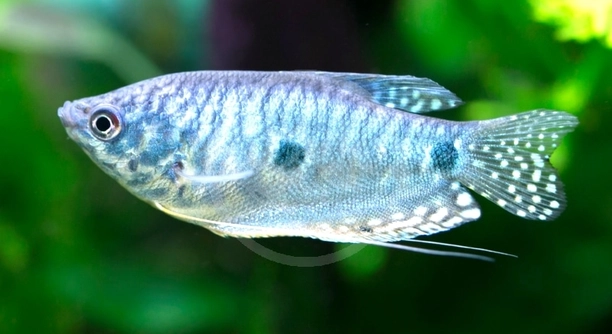
Gouramis are popular aquarium fish known for their peaceful nature and vibrant colors. Many owners enjoy watching them thrive, but sometimes these fish suddenly lose interest in food. Understanding why this happens is important for their health.
A gourami ignoring food often indicates stress, illness, or poor water conditions. Changes in environment, diet, or water quality can affect their appetite significantly. Addressing these factors promptly is essential to prevent further health complications.
Knowing the reasons behind your gourami’s behavior helps ensure it stays healthy and active. The following information will guide you through common causes and practical solutions.
Common Reasons Gouramis Ignore Food
Gouramis may stop eating for several reasons, including water quality issues, illness, or stress. Poor water conditions such as incorrect pH, high ammonia, or nitrite levels can cause discomfort and reduce appetite. Stress factors like sudden changes in temperature, new tankmates, or inadequate hiding spots also affect feeding behavior. Illnesses such as bacterial or parasitic infections commonly lead to food refusal. Additionally, overfeeding or inappropriate diet can cause a gourami to lose interest in its food. It is important to monitor your tank’s environment regularly and observe any signs of illness. Early detection helps prevent long-term problems. Adjusting water parameters, providing a balanced diet, and ensuring a calm habitat can restore your gourami’s appetite. Sometimes, simply changing the type of food or feeding routine may encourage eating. Consistency and attention are key to maintaining your gourami’s health and preventing future feeding issues.
Checking water quality with a reliable test kit is essential. Regular partial water changes help keep conditions stable.
Many gouramis benefit from a varied diet that includes high-quality flakes, pellets, and occasional live or frozen foods. Offering small portions several times a day instead of one large feeding can stimulate appetite. Avoiding overfeeding prevents waste buildup and keeps the tank clean. If illness is suspected, isolating the fish and consulting with a vet or aquatic specialist is recommended. Observation of behavior and physical condition can guide treatment choices. Reducing stress through gentle handling and a peaceful environment supports recovery. Overall, maintaining proper care routines is the best way to keep your gourami healthy and interested in food.
How to Encourage Your Gourami to Eat Again
Loss of appetite can sometimes be reversed by simple changes in the tank or feeding habits. Introducing live or frozen foods like brine shrimp or bloodworms often entices gouramis to eat. Reducing light intensity and minimizing disturbances during feeding time can also help. In some cases, lowering the water temperature slightly encourages appetite by slowing metabolism and reducing stress.
A clean, quiet environment supports recovery and normal feeding behavior. Patience and observation are necessary when your gourami refuses food. Identifying the specific cause can take time, but targeted changes improve results. Maintaining consistent feeding schedules and water quality prevents future issues. When all else fails, consulting with a professional ensures proper diagnosis and treatment.
Signs of Illness in Gouramis
Loss of appetite is often a sign of illness in gouramis. Other symptoms include lethargy, clamped fins, rapid breathing, and unusual spots or discoloration on the body. These signs should never be ignored, as early treatment improves chances of recovery.
Monitoring your gourami closely helps identify health issues early. Illnesses such as bacterial infections, parasites, or fungal growth can cause appetite loss. If your fish shows abnormal behavior or physical changes, it’s important to test water quality and isolate the affected fish if possible. Proper medication should be administered based on diagnosis. Maintaining clean water and a stress-free environment supports healing. Acting quickly can prevent the illness from worsening and spreading to other tank inhabitants.
If illness is confirmed, quarantine your gourami in a hospital tank to avoid contaminating the main aquarium. Treat with appropriate medicines such as antibiotics or antiparasitics recommended by aquatic specialists. Follow dosing instructions carefully and observe for improvement. Avoid overmedicating, as this can harm the fish further. Support recovery with proper nutrition once the fish starts eating again. Regularly cleaning the tank and maintaining stable water parameters will reduce the risk of recurring illness. Patience and care are essential during treatment.
Maintaining Ideal Water Conditions
Stable and clean water is crucial for gourami health. Inconsistent water parameters often stress fish, causing loss of appetite. Testing pH, ammonia, nitrite, and nitrate levels regularly helps maintain a safe environment.
Water temperature should be kept between 74°F and 82°F (23°C–28°C) for most gouramis. Sudden changes in temperature or poor filtration can cause discomfort and reduce feeding. Frequent partial water changes of 20–30% help keep waste levels low. Avoid overcrowding the tank, as this increases stress and reduces oxygen. Using a reliable water conditioner removes harmful chemicals from tap water. Aeration and gentle water flow improve oxygen levels without stressing the fish. Proper lighting cycles simulate natural day and night rhythms, supporting normal behavior. Consistent maintenance prevents many common problems and helps gouramis stay healthy and interested in food.
Stress Factors Affecting Gouramis
Stress is a common reason gouramis stop eating. Changes in environment, aggressive tankmates, or overcrowding cause stress. A stressed gourami may hide and refuse food until conditions improve.
Minimizing sudden changes and providing plenty of hiding spots can reduce stress. Calm surroundings help gouramis feel safe and encourage normal eating behavior.
Best Foods for Gouramis
Gouramis thrive on a varied diet. High-quality flakes or pellets form the base, supplemented with live or frozen foods like brine shrimp and bloodworms. Variety improves nutrition and interest in food.
Feeding Frequency and Portions
Feeding small amounts two to three times daily works best. Overfeeding can foul water and discourage appetite. Remove uneaten food promptly to maintain cleanliness.
Tank Environment Adjustments
Adjusting water flow, lighting, and decorations can help gouramis feel comfortable. Avoid bright lights and strong currents that may stress them.
FAQ
Why is my gourami ignoring food suddenly?
Sudden loss of appetite in gouramis is often caused by stress, illness, or poor water quality. Changes in tank conditions, new tankmates, or temperature fluctuations can shock the fish. Illness or parasites may also reduce their desire to eat. Testing water parameters and observing behavior helps identify the cause.
How long can gouramis go without eating?
Healthy gouramis can survive for about one to two weeks without food, but this is not ideal. Prolonged fasting weakens their immune system and increases vulnerability to disease. If your gourami stops eating for more than three days, it is important to investigate and address the cause.
Can overfeeding cause my gourami to stop eating?
Yes, overfeeding often leads to leftover food that pollutes the tank and stresses the fish. It can also cause digestive problems, making gouramis reluctant to eat. Feeding small, controlled portions twice daily prevents waste buildup and encourages healthy appetite.
What signs indicate illness in a gourami?
Common signs include faded colors, lethargy, clamped fins, rapid breathing, and spots or lesions on the body. Loss of appetite is often one of the first symptoms. Early detection and treatment increase the chance of recovery.
How do I treat a sick gourami that won’t eat?
First, isolate the fish in a quarantine tank. Maintain clean water and correct temperature. Use medication prescribed for the specific illness, such as antibiotics or antiparasitics. Offer live or frozen foods to tempt feeding. Monitor closely and adjust care as needed.
Can stress cause my gourami to ignore food?
Yes, stress from overcrowding, aggressive tankmates, or sudden environment changes can cause gouramis to stop eating. Providing hiding spots, stable water conditions, and peaceful tankmates helps reduce stress and improve appetite.
Is water quality important for my gourami’s appetite?
Absolutely. Poor water quality with high ammonia, nitrites, or incorrect pH causes discomfort and loss of appetite. Regular testing and partial water changes keep the environment safe and encourage healthy feeding behavior.
What is the best diet for gouramis to keep them eating well?
A balanced diet includes high-quality flakes or pellets, supplemented with live or frozen foods like brine shrimp, daphnia, or bloodworms. Variety improves nutrition and keeps gouramis interested in eating.
How often should I feed my gourami?
Feeding two to three small portions daily is ideal. This mimics natural feeding patterns and prevents overfeeding. Remove uneaten food promptly to avoid water pollution.
Can changes in tank lighting affect my gourami’s appetite?
Yes, intense or irregular lighting can stress gouramis and reduce their desire to eat. Providing a regular light-dark cycle with moderate brightness helps maintain normal behavior and feeding habits.
What tank conditions help encourage a gourami to eat?
Stable temperature between 74°F and 82°F, clean water, gentle filtration, and low stress levels create an ideal environment. Adding plants or decorations provides hiding places and reduces anxiety, improving appetite.
Is it normal for gouramis to sometimes ignore food?
Occasional appetite loss can happen due to minor stress or environmental changes. However, if it persists beyond a day or two, it may indicate a problem that needs addressing to ensure the fish’s health.
Can I hand-feed my gourami to encourage eating?
Yes, hand-feeding can build trust and stimulate appetite. Offering food with tweezers or fingers gently encourages interaction and may help a reluctant eater resume feeding.
What should I avoid feeding my gourami?
Avoid feeding low-quality foods, stale flakes, or foods that sink rapidly and pollute the tank. Also, limit fatty or processed treats that may upset digestion. Stick to balanced, fresh options to keep your gourami healthy.
How do I know if my gourami is stressed?
Signs include hiding frequently, erratic swimming, faded colors, clamped fins, and loss of appetite. Stress often results from poor tank conditions or aggressive neighbors. Improving environment and reducing disturbances lowers stress levels.
What steps should I take if my gourami refuses food for several days?
Check water quality immediately and perform partial water changes if needed. Look for signs of illness or injury. Isolate the fish if necessary and offer live or frozen foods. If no improvement occurs, consult an aquatic veterinarian or specialist.
Does water temperature affect gourami appetite?
Yes, temperature outside the ideal range slows metabolism and can reduce appetite. Keeping water between 74°F and 82°F supports normal feeding and overall health.
Can tankmates influence my gourami’s feeding behavior?
Aggressive or overly active tankmates may intimidate gouramis, causing them to hide and refuse food. Choosing compatible, peaceful species helps maintain a stress-free environment that encourages eating.
How important is tank maintenance for a gourami’s appetite?
Regular cleaning, water changes, and monitoring parameters are vital. Dirty tanks cause stress, disease, and loss of appetite. Consistent maintenance keeps conditions optimal for feeding and health.
What live foods can help stimulate a picky gourami?
Brine shrimp, daphnia, mosquito larvae, and bloodworms are excellent options. These foods are rich in nutrients and often entice gouramis to eat when they refuse flakes or pellets.
Can fasting help if my gourami refuses food?
Short fasting periods of one to two days can sometimes reset appetite, especially if overfeeding was the problem. However, extended fasting is harmful and should be avoided.
Is it normal for gouramis to eat less during breeding or molting?
Yes, during breeding or stress related to molting, gouramis may eat less. This behavior is usually temporary and resolves once the fish returns to normal condition.
Should I change my gourami’s diet if it stops eating?
Trying different foods or textures can sometimes stimulate feeding. Switching between pellets, flakes, live, and frozen foods helps keep gouramis interested and well-nourished.
How can I tell if my gourami is eating enough?
Healthy gouramis maintain vibrant colors, active swimming, and regular waste production. If your fish appears thin, lethargic, or faded, it may not be eating enough.
What role does aquarium size play in a gourami’s appetite?
Small or overcrowded tanks increase stress and reduce feeding. Providing ample space according to species needs supports health and appetite.
Can changes in water chemistry cause feeding issues?
Yes, sudden shifts in pH, hardness, or other parameters disrupt gourami comfort and appetite. Gradual adjustments and stability prevent problems.
How do I safely introduce new tankmates to avoid stress?
Introduce new fish slowly and observe interactions. Provide hiding places and monitor behavior to reduce aggression and feeding disruptions.
Are there any supplements that improve gourami appetite?
Vitamins and mineral supplements can boost health but should be used cautiously. Balanced diet and good water quality remain most important.
What is the best way to monitor my gourami’s health daily?
Observe activity levels, coloration, breathing, and feeding habits every day. Early detection of changes helps prevent serious illness.
When should I seek professional help for a gourami that won’t eat?
If appetite loss lasts more than a week despite proper care, or if other illness symptoms appear, consulting an aquatic veterinarian is recommended for accurate diagnosis and treatment.
Final Thoughts
Gouramis are delicate fish that can show changes in behavior when something in their environment is off. Ignoring food is one of the most common signs that your gourami may be experiencing stress, illness, or poor water conditions. It is important to observe your fish regularly and keep the tank clean to prevent problems before they start. Maintaining stable water parameters and a calm environment will help your gourami feel safe and comfortable enough to eat well.
When a gourami stops eating, the cause is often related to stress or illness, but sometimes it can be a sign of natural changes such as breeding behavior or temperature shifts. Monitoring water temperature and tankmates closely can make a big difference. Providing a balanced diet with variety, including live or frozen foods, encourages a healthy appetite. Avoid overfeeding, as leftover food can harm water quality and make your fish less interested in eating.
If your gourami continues to ignore food despite your efforts, it may require more attention. Quarantining the fish and checking for signs of disease are important steps. In some cases, medications or professional advice from an aquatic specialist may be needed to restore your fish’s health. Taking care of these needs promptly helps prevent long-term issues and supports your gourami’s well-being. Consistency and patience are key to ensuring your gourami thrives in its home.

Hello,
If you enjoy the content that we create, please consider saying a "Thank You!" by leaving a tip.
Every little bit helps us continue crafting quality advice that supports the health, happiness, and well-being of pets around the world, for pets of all shapes, sizes, and species.
We really appreciate the kindness and support that you show us!