
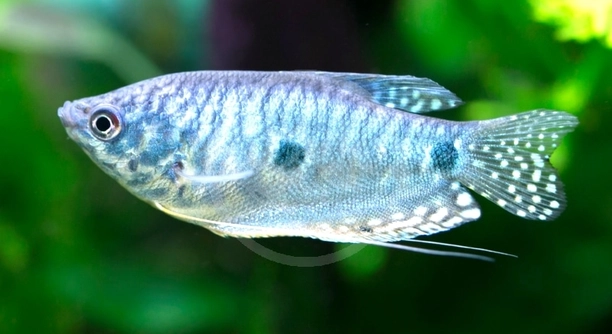
Gouramis are peaceful fish, often adored for their beauty and gentle nature. However, if your gourami has been hiding consistently, it may leave you wondering about the cause of this behavior and how to address it.
The most common reason your gourami is hiding is stress. This can be caused by factors such as improper water conditions, aggression from tank mates, or a lack of hiding spots. Understanding these stressors can help resolve the issue.
There are multiple factors to consider when figuring out why your gourami is hiding, and recognizing them is key to providing the best care for your fish.
Stress and Environmental Factors
One of the main reasons your gourami might be hiding is stress. Stress can come from several sources, including poor water conditions, sudden changes in temperature, or an overcrowded tank. If your gourami feels unsafe or uncomfortable, it may retreat to darker corners of the aquarium to seek shelter. Stress is detrimental to their health and can lead to a weakened immune system or even early death. Ensuring stable water conditions and a peaceful environment can help your fish feel more secure.
Water temperature plays a significant role in how your gourami feels. If the temperature fluctuates too much, it can stress them out, causing them to hide.
To maintain a healthy environment, keep the water clean, check the temperature regularly, and ensure proper filtration. Avoid frequent changes in the tank’s layout, as it can make your fish feel unsettled.
Tank Mates and Aggression
Your gourami might be hiding due to aggressive tank mates. Some fish, especially those with territorial tendencies, can stress out peaceful species like gouramis. When bullied or chased, gouramis will seek refuge in places where they feel safe. This type of stress can lead to more hiding, further impacting their well-being.
Gouramis do best with non-aggressive tank mates. Avoid pairing them with fin-nippers or overly dominant fish, which can cause them anxiety. If aggression continues, consider separating your gourami from the aggressive fish or rearranging the tank to create more hiding spaces.
Proper tank management and compatible fish are key to making sure your gourami feels secure and less likely to hide.
Lack of Hiding Spots
If your aquarium lacks enough hiding places, your gourami may feel exposed and seek corners where it feels safe. Gouramis are naturally shy and prefer areas where they can hide if needed. Without sufficient hiding spots, they may become stressed and stay hidden for longer periods.
Adding decorations, plants, or caves to your tank can help create these hiding spots. Gouramis often feel more secure in tanks that provide these opportunities. Make sure these areas are accessible but not too crowded, as overcrowding the tank can lead to additional stress.
Providing a well-designed tank with hiding spots allows your gourami to retreat when needed. This creates a balanced and healthier environment, promoting active swimming when it feels more comfortable.
Water Quality and Filtration
Water quality is a critical factor in how your gourami behaves. Poor water quality, with high levels of ammonia or nitrites, can lead to stress and cause your fish to hide. Keeping the water clean is essential to your gourami’s overall health and comfort.
Ensure regular water changes and use a proper filtration system to maintain good water quality. Testing the water regularly for ammonia, nitrites, and pH levels will help you monitor its condition. A sudden change in water parameters can also cause your gourami to hide as it adjusts to the new environment.
Consistent care of your tank’s water quality is a straightforward but effective way to keep your gourami healthy and reduce stress. Clean water will encourage more active behavior and prevent your fish from retreating to hiding spots too frequently.
Overcrowded Tank
An overcrowded tank can stress your gourami, leading it to hide more often. Fish need space to swim and establish their own territory. When there are too many fish in the tank, competition for space and resources increases, causing anxiety and hiding behavior.
Make sure your aquarium has enough room for all its inhabitants. Research the space requirements for each fish species you own and ensure that your tank provides enough swimming space. Regularly monitor the tank’s population and avoid adding too many fish at once.
A properly stocked tank helps reduce stress, giving your gourami a healthier and happier environment to thrive in.
Temperature Fluctuations
Temperature fluctuations in your tank can cause your gourami to hide. If the water is too warm or too cold, it can lead to discomfort and stress, making your fish more likely to retreat to a corner.
Maintaining a stable water temperature is essential for your gourami’s well-being. Keep a reliable heater in your tank and check the water temperature regularly. Sudden drops or spikes in temperature can be harmful, so try to maintain consistency throughout the day and night.
Illness or Injury
If your gourami is hiding more than usual, it could be a sign of illness or injury. Fish often hide when they don’t feel well, as it provides a place of safety away from other tank mates.
FAQ
Why is my gourami hiding all the time?
Your gourami might be hiding due to stress, illness, poor water conditions, or aggression from other fish. Stress can result from improper water temperature, overcrowded tanks, or the presence of aggressive tank mates. Checking the water quality and making sure your tank is peaceful can help reduce hiding behavior.
How can I tell if my gourami is stressed?
Signs of stress in gouramis include hiding, rapid gill movement, and a lack of appetite. They might swim erratically or hover near the surface of the water. You may also notice unusual coloration or faded scales. If these behaviors persist, you should check the water quality and assess tank conditions.
What is the best water temperature for a gourami?
Gouramis thrive in water temperatures between 75°F and 80°F (24°C to 27°C). If the water gets too cold or too hot, your gourami may become stressed and seek hiding spots. A consistent temperature is essential for their health, so invest in a good aquarium heater and thermometer to maintain stability.
Can a dirty tank make my gourami hide?
Yes, dirty water is a common cause of hiding. High levels of ammonia, nitrites, or nitrates in the water can stress your gourami, causing it to retreat into hiding. Regular water changes, good filtration, and testing water parameters are key to maintaining a healthy tank and preventing stress.
Can aggressive tank mates cause a gourami to hide?
Aggressive tank mates can make your gourami feel threatened, leading it to hide. Gouramis are peaceful fish and might retreat if other fish are constantly chasing or nipping at them. Consider moving any aggressive fish to a separate tank to reduce stress and allow your gourami to feel secure.
Is it normal for gouramis to hide during the day?
While gouramis are generally active during the day, some may hide occasionally. If your gourami is only hiding during the day but otherwise seems healthy, it might just be seeking some alone time. However, if hiding becomes excessive, it could indicate stress or illness, which requires further attention.
What should I do if my gourami is hiding and not eating?
If your gourami is hiding and not eating, check the water conditions immediately. Poor water quality or temperature fluctuations can affect appetite. Additionally, ensure that no aggressive fish are causing distress. If your gourami still refuses to eat after making necessary adjustments, it may be a sign of illness, and a vet visit may be needed.
Can I add more plants or decorations to encourage my gourami to come out?
Yes, adding more plants and decorations can help your gourami feel more secure and less stressed. Gouramis enjoy having hiding spots where they can retreat when needed, but also appreciate open swimming areas. Make sure not to overcrowd the tank, as this can increase stress.
How often should I clean the tank to prevent stress in my gourami?
You should perform partial water changes once a week, removing about 25-30% of the water to maintain good water quality. Additionally, clean the filter monthly and vacuum the substrate to remove debris. A clean tank helps prevent stress and keeps your gourami active and healthy.
Can my gourami hide if it’s injured?
Yes, if your gourami is injured, it may hide to recover in peace. Fish instinctively try to avoid predators or other tank mates when they are injured, so hiding is a natural response. If you suspect an injury, monitor the wound closely and make sure water conditions are ideal to aid healing.
Why is my gourami acting lethargic and hiding?
Lethargy and hiding are signs that something is wrong, whether it’s poor water conditions, stress, or illness. Check your tank’s water quality, temperature, and tank mates. If the issue persists, you may need to isolate your gourami and observe it for signs of disease or infection.
Is my gourami stressed if it hides in the same spot every time?
If your gourami consistently hides in the same spot, it could be stressed. It may feel more secure in that particular area. However, if the hiding behavior is excessive, it could indicate an underlying issue, such as aggression from other fish or water quality problems. Ensure the tank is calm and properly set up to reduce stress.
Can a gourami’s hiding behavior be a sign of a disease?
Yes, hiding can sometimes be a sign that your gourami is sick. Illnesses such as internal parasites, swim bladder issues, or fungal infections can cause your fish to seek refuge. If your gourami shows other symptoms like bloating, discolored patches, or abnormal swimming, consider treating the tank and consulting a vet.
How can I reduce stress for my hiding gourami?
To reduce stress, ensure your tank is properly set up with clean water, appropriate temperature, and peaceful tank mates. Providing hiding spots is important, but ensure the tank isn’t overcrowded. Also, avoid sudden changes in water chemistry, as stability is crucial for keeping your gourami comfortable.
Can my gourami hide if it’s too shy?
Yes, gouramis can hide if they are particularly shy, especially in new environments or if they are not accustomed to their tank mates. Over time, with more stability and peace, your gourami may become less shy and more active. If it continues to hide for long periods, check for stressors or illness.
What size tank is best for a gourami?
A minimum of a 20-gallon tank is recommended for a single gourami. A larger tank provides more space for swimming and reduces the risk of overcrowding. Adequate space also helps maintain a stable environment, which can reduce stress and hiding behaviors.
Can I reduce hiding behavior by lowering the tank light?
Yes, lowering the tank light or providing dim lighting can help reduce stress and make your gourami feel more comfortable. Gouramis prefer soft lighting, as bright lights can make them feel exposed. Consider using low-intensity aquarium lights or placing plants to provide shade and hide areas.
Final Thoughts
Gouramis are peaceful and beautiful fish, but when they start hiding, it can be concerning. Understanding the potential reasons behind this behavior is key to creating a healthy environment for your fish. Factors such as stress from poor water quality, overcrowding, or aggression from tank mates can make your gourami retreat to darker, quieter corners of the aquarium. Keeping a close eye on the water temperature, making sure it’s stable, and ensuring the tank is clean and spacious can help reduce stress and encourage more active behavior from your gourami.
While it’s normal for gouramis to occasionally seek shelter or hide, excessive hiding is a sign that something isn’t quite right. Whether it’s a physical issue like illness or injury, or environmental stressors such as poor water quality, addressing the root cause is essential. Check your tank’s parameters regularly, including the pH, ammonia, nitrites, and nitrates, to make sure the water conditions are ideal. If your gourami continues to hide despite these adjustments, it may be worth consulting an aquarium professional or a veterinarian to rule out any health problems.
By paying attention to the needs of your gourami and maintaining a stable, peaceful environment, you’ll help your fish feel more secure and less likely to hide. Providing enough hiding spots, but not overcrowding the tank, is essential for their comfort. Also, make sure your gourami has space to swim and explore, as a happy, healthy fish will be more active and less inclined to stay hidden. Taking these steps will not only address the immediate issue of hiding but will also promote the long-term well-being of your gourami.

Hello,
If you enjoy the content that we create, please consider saying a "Thank You!" by leaving a tip.
Every little bit helps us continue crafting quality advice that supports the health, happiness, and well-being of pets around the world, for pets of all shapes, sizes, and species.
We really appreciate the kindness and support that you show us!