
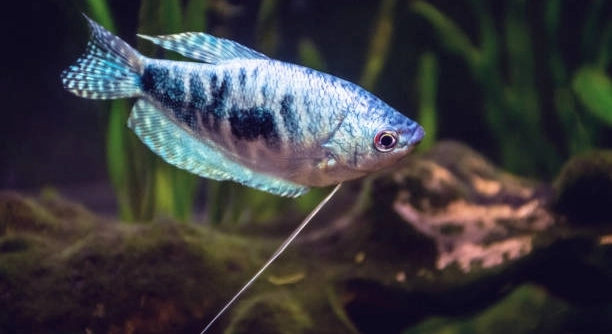
Gouramis are colorful and lively fish that bring life to any aquarium. Sometimes, they may display unusual behaviors that catch the attention of their owners. Headbutting decorations is one of these behaviors that can be concerning to observe.
Gouramis often headbutt decorations due to territorial instincts, stress, or environmental factors. This behavior can signal dominance, frustration, or inadequate stimulation within the tank. Understanding the underlying cause is crucial to maintaining the fish’s well-being and preventing harm.
Observing this behavior carefully can help identify triggers and improve the overall environment of your aquarium. Proper adjustments can ensure your gourami thrives happily.
Creating a Safe Tank Environment
A well-structured tank can significantly reduce headbutting behavior in gouramis. Providing plenty of hiding spots, such as caves, plants, and driftwood, allows fish to feel secure and less prone to stress. Open swimming areas should be balanced with dense sections where the fish can retreat. Decorations should be positioned securely to prevent movement during interaction, as unstable objects can increase frustration and injury risk. Maintaining proper water parameters is equally important. Gouramis prefer stable temperatures and clean water with regular changes to prevent irritation or agitation. Avoid overcrowding by carefully selecting tank mates and respecting the fish’s need for personal space. Behavioral enrichment, like varied textures or floating elements, encourages natural exploration and reduces repetitive striking. Observing the fish’s routine helps identify problem areas early, allowing timely adjustments. With thoughtful setup, headbutting can be minimized, creating a calmer and safer environment for your gourami.
Regular observation helps spot stress early and prevent behavioral escalation.
Adjusting tank layout and enrichment ensures healthier, calmer fish, promoting natural interaction without damage or excessive aggression.
Feeding and Interaction Tips
Proper feeding routines reduce stress-induced behaviors in gouramis.
Consistent feeding times with a balanced diet help maintain calm behavior. Gouramis benefit from high-quality flakes, pellets, and occasional live or frozen food. Overfeeding can cause digestive issues, while underfeeding increases agitation. Observing their eating patterns provides insight into overall health and mood. Introducing food gradually encourages natural foraging behavior, keeping them engaged. Interaction should be gentle, avoiding sudden movements near the tank. Repeated tapping or disturbing the water can trigger stress responses. Using feeding tools like tongs or floating rings directs attention and prevents competition among tank mates. Rotating food types introduces variety and stimulation, reducing boredom and repetitive striking against decorations. Monitoring responses during feeding allows adjustments to diet or quantity, ensuring proper nutrition. Over time, consistent care and mindful interaction foster a stable routine, helping gouramis feel secure and reducing unnecessary aggressive actions within their environment.
Monitoring Health and Stress
Headbutting can indicate underlying stress or health issues in gouramis.
Regularly checking your fish for signs of illness, such as faded color, frayed fins, or labored breathing, is essential. Stressful conditions, including poor water quality or incompatible tank mates, can trigger repeated striking against decorations. Identifying these signs early prevents long-term harm and promotes a stable environment.
Behavioral changes often reflect discomfort or disease. Gouramis may become lethargic or hide more frequently alongside headbutting. Ensuring consistent water conditions, appropriate diet, and a calm tank reduces stress. If symptoms persist, consulting a veterinarian or aquatic specialist helps address possible infections, parasites, or internal issues. Attention to detail in monitoring allows timely intervention, keeping the fish healthy and minimizing aggressive interactions with the tank environment.
Preventive measures, like regular water testing and gentle handling, help maintain long-term health and reduce stress behaviors.
Adjusting Tank Decorations
Tank layout plays a significant role in headbutting behavior.
Providing a mix of open swimming space and structured hiding areas prevents territorial disputes. Decorations should be stable and non-sharp to avoid injury during contact. Rearranging decorations occasionally can stimulate curiosity and exploration without causing frustration. Visual barriers, such as plants or rocks, reduce direct sightlines between aggressive fish, lowering repeated striking incidents. Rounded or smooth ornaments are preferable, as they minimize harm if bumped. Observing interactions after adjustments helps identify which setups encourage calmer behavior. A well-thought-out layout balances security, stimulation, and space, reducing headbutting while promoting natural activity.
Regular evaluation and minor changes in the tank design encourage safer interaction and mental enrichment, preventing stress-related behavior.
Consistent monitoring after decoration adjustments ensures that the tank environment continues to meet the gouramis’ needs. Providing adequate hiding spots and reducing competition lowers aggression and improves overall well-being, making the aquarium a calmer space for all inhabitants. Creating zones where gouramis can retreat and explore safely supports natural behavior, while stable, smooth decorations prevent accidental injuries during headbutting. Careful planning and ongoing observation help maintain harmony and keep stress-related actions to a minimum, fostering healthier and more active fish.
Reducing Aggression
Headbutting often decreases when gouramis feel secure and have sufficient space.
Providing separate territories and visual barriers helps reduce confrontations. Limiting overcrowding and maintaining calm tank conditions also lowers stress, which can minimize aggressive behavior.
Environmental Enrichment
Adding plants, driftwood, and varied textures encourages exploration and mental stimulation. Gouramis are less likely to repeatedly strike decorations when their surroundings are engaging. Rotating ornaments or introducing floating items can provide new points of interest, keeping them occupied. Maintaining clean water and stable temperatures supports healthy behavior, reducing stress-induced aggression and creating a balanced habitat where the fish can thrive.
Observing Interactions
Watch how gouramis interact with each other and their environment closely.
Noting patterns in headbutting helps identify triggers. Recognizing early signs allows adjustments in tank layout, feeding, or companions to maintain a calmer and safer aquarium.
FAQ
Why is my gourami headbutting the glass?
Headbutting the glass is usually a sign of stress or territorial behavior. It can happen if the tank is too small, the water conditions are unstable, or the fish feels threatened by its reflection. Adding plants or rearranging the tank can reduce these incidents.
Can headbutting damage my gourami?
Yes, frequent headbutting can lead to bruising, fin damage, or injuries to the head. Smooth decorations and stable objects help prevent harm. Monitoring the fish and adjusting the environment early reduces risk and keeps the gourami healthy.
Is this behavior normal for gouramis?
Some headbutting is natural, especially in males establishing territory. Occasional bumps are less concerning than repeated or aggressive striking. Understanding the context helps determine whether action is needed.
How can I stop my gourami from headbutting decorations?
Providing hiding spots, visual barriers, and enough open swimming space reduces repeated striking. Stable and smooth ornaments prevent injury. Regular water changes, proper diet, and calm tank mates also lower stress-related behavior.
Does tank size affect headbutting?
Absolutely. Crowded tanks increase stress and aggression, making headbutting more likely. Larger tanks with multiple zones and territories allow gouramis to establish personal space, reducing conflict with decorations or other fish.
Can water quality cause this behavior?
Poor water quality stresses fish, which can increase headbutting. Checking pH, temperature, ammonia, nitrite, and nitrate levels regularly ensures a healthy environment. Stable conditions help the fish feel secure and reduce aggressive interactions with the tank.
Do tank mates influence headbutting?
Yes. Aggressive or incompatible tank mates can increase stress and territorial displays. Choosing compatible species and monitoring behavior helps maintain peace. Separating aggressive individuals or adjusting companions can reduce headbutting incidents.
Will changing decorations help?
Rearranging or adding new decorations can redirect attention and stimulate exploration. Smooth, stable items prevent injury if bumped. Rotating decorations occasionally keeps the environment interesting and reduces repetitive striking behavior.
Is diet linked to headbutting?
Nutrition impacts behavior. A balanced diet with high-quality flakes, pellets, and occasional live or frozen food keeps gouramis healthy. Overfeeding can cause digestive issues, while underfeeding may increase agitation. Observing feeding responses can indicate whether diet adjustments are needed.
When should I seek professional help?
If headbutting persists alongside signs of illness—faded color, frayed fins, lethargy, or labored breathing—consulting a veterinarian or aquatic specialist is recommended. Professional advice ensures proper treatment and prevents long-term health issues.
Can stress alone cause headbutting?
Stress is a primary factor. Changes in lighting, sudden movements near the tank, overcrowding, or unstable water conditions can trigger repeated headbutting. Reducing stress through environmental adjustments often improves behavior.
How long does it take to see improvement?
Behavior changes vary depending on cause. Environmental adjustments, proper diet, and enrichment can show results within days to weeks. Patience and careful observation are key to ensuring lasting improvements.
Does age or size matter?
Younger gouramis may be more active and curious, occasionally leading to headbutting. Adult males are more territorial. Recognizing life stage differences helps tailor the tank environment to reduce aggression.
Are some gourami species more prone to headbutting?
Yes. Males of certain species, like Dwarf Gouramis or Pearl Gouramis, often display more territorial behavior. Knowing species tendencies helps anticipate and manage aggressive actions effectively.
Can adding plants stop this behavior completely?
Plants provide hiding spots and visual barriers, reducing aggression, but may not eliminate headbutting entirely. Combining plants with proper tank size, compatible mates, and environmental stability is most effective.
Should I separate my gourami if it keeps headbutting?
Separation can help if headbutting leads to injuries or constant stress. Using a divider or moving aggressive individuals to a separate tank allows recovery and reduces conflict.
Does lighting affect headbutting?
Harsh or inconsistent lighting can stress fish. Providing moderate, stable lighting reduces agitation. Dimmer areas or shaded spots allow gouramis to feel secure and calm.
Can frequent observation make behavior worse?
Observing quietly is fine, but tapping on the glass or sudden movements can increase stress and headbutting. Gentle, calm observation ensures the fish remains comfortable.
Is headbutting a sign of boredom?
Yes, especially in well-fed, healthy fish. Lack of stimulation can lead to repetitive striking. Adding plants, driftwood, and safe ornaments provides enrichment, keeping gouramis mentally engaged.
What’s the best long-term strategy to prevent headbutting?
Consistent care, stable water conditions, proper tank size, suitable mates, enrichment, and regular observation together prevent repeated headbutting. Combining these strategies ensures the fish remain healthy, calm, and safe within the tank environment.
Final Thoughts
Gouramis are lively and interesting fish, but their behavior can sometimes be puzzling. Headbutting decorations is a common action that often signals stress, territorial instincts, or simple curiosity. Observing this behavior carefully is important because it can indicate underlying issues in the tank environment or the fish’s health. While occasional bumps are normal, repeated headbutting can be a sign that adjustments are needed. Ensuring a balanced environment with stable water conditions, appropriate tank size, and compatible companions helps gouramis feel secure. Decorations, plants, and hiding spots can provide visual barriers and areas for retreat, which lowers stress and reduces aggressive interactions. Regular observation allows you to notice changes in behavior and respond promptly to any problems.
Water quality is a key factor in maintaining calm and healthy fish. Gouramis thrive in clean, stable water with consistent temperature and proper pH levels. Poor water conditions, such as high ammonia, nitrite, or nitrate levels, can irritate fish and increase aggressive or repetitive behaviors like headbutting. Regular water testing and changes help maintain an environment where the fish can feel safe and comfortable. Alongside water management, proper feeding routines are equally important. A balanced diet of high-quality flakes, pellets, and occasional live or frozen food provides essential nutrients and helps keep the fish calm. Overfeeding or underfeeding can both cause stress, so observing how the fish respond to meals is crucial. When combined, these practices create a stable and supportive environment, reducing the likelihood of behavior problems and supporting overall health.
Behavioral enrichment also plays an important role in preventing repeated headbutting. Gouramis are naturally curious and need stimulation in their tank. Adding decorations with varied textures, floating ornaments, and dense plant sections encourages exploration and prevents boredom. Rotating decorations occasionally or creating new zones for hiding and swimming keeps the fish engaged and reduces repetitive striking against objects. Attention to tank layout, space, and visual barriers ensures that territorial instincts do not lead to constant conflict or stress. Monitoring interactions among tank mates allows for timely adjustments if aggression becomes an issue. With careful planning, consistent care, and attention to detail, headbutting can often be minimized. Creating a stable and stimulating environment supports both mental and physical well-being, allowing gouramis to thrive and display natural behaviors safely.

Hello,
If you enjoy the content that we create, please consider saying a "Thank You!" by leaving a tip.
Every little bit helps us continue crafting quality advice that supports the health, happiness, and well-being of pets around the world, for pets of all shapes, sizes, and species.
We really appreciate the kindness and support that you show us!