
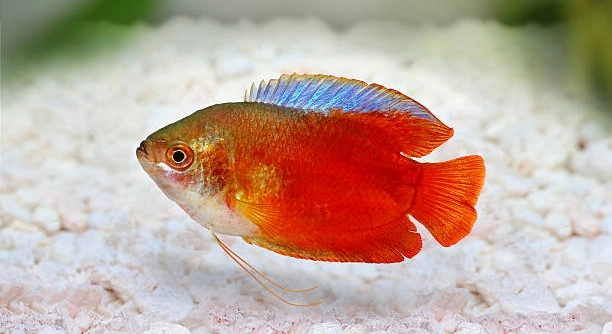
Do you ever notice your gourami swimming aggressively around the tank, often chasing other fish without pause? Many fish owners face this behavior, which can be stressful for both the gourami and its tankmates, especially in community aquariums.
Gouramis chase other fish mainly due to territorial instincts, dominance, or mating behavior. These behaviors are natural and often intensify in smaller tanks or when there are insufficient hiding spots and visual barriers for other fish.
Learning the reasons behind this behavior can help create a calmer, more balanced aquarium environment for all your fish. Adjusting tank setup and observing interactions often reduces tension effectively.
Understanding Gourami Aggression
Gouramis are naturally territorial fish. They use chasing as a way to establish dominance over other tankmates, especially in smaller aquariums. Males are often more aggressive, patrolling the tank and protecting their space. In community tanks, this behavior can cause stress and injuries to other fish. A lack of hiding spots or dense plants makes the problem worse. Even peaceful species may become stressed when constantly pursued, which can affect their health. Tank size also plays a role—crowded tanks often increase conflicts. Gouramis may also chase others during feeding times, trying to get the best access to food. Recognizing these behaviors early allows you to adjust the environment or separate fish if needed. Observing your gourami’s patterns helps identify whether the chasing is territorial, dominance-related, or linked to mating. Simple changes, like adding plants, rocks, or decorations, can reduce aggressive behavior effectively and create a calmer environment for all fish.
Aggression is typically stronger in male gouramis, especially when they feel their space is threatened or when competing for food.
Adding visual barriers and rearranging decorations can reduce chasing by breaking sightlines, giving other fish safe zones. Regular observation and adjusting tank layout often prevent ongoing conflicts and help maintain a peaceful aquarium.
Causes Linked to Tank Environment
Tank size and layout play a major role in gourami behavior. Smaller tanks limit swimming space and make territories overlap, which increases chasing and fights. Gouramis feel more secure with hiding spots, plants, and decorations to create private areas. Water quality also affects behavior—stress from poor conditions can make gouramis more aggressive. Overstocked tanks amplify conflicts, while well-planned aquariums allow each fish to establish its space. Light levels, filtration, and consistent feeding routines also impact how fish interact. Even minor changes in tank setup can trigger increased chasing if fish feel insecure or stressed. Understanding how the environment influences behavior helps owners take proactive steps to reduce aggression. Observing interactions and experimenting with tank arrangements ensures a healthier and more balanced ecosystem for your gourami and its companions. Over time, careful adjustments can minimize chasing and create a more harmonious tank that supports the well-being of all aquatic life.
Mating and Breeding Behavior
Male gouramis often chase other fish to attract a mate or protect a nesting area. This chasing is a normal part of reproduction and usually peaks during breeding periods. Females may be pursued more frequently, while other males are seen as rivals, triggering territorial displays.
During mating season, gouramis build bubble nests near the water surface. Males aggressively defend these nests, chasing other fish away to protect their eggs and territory. The behavior may seem alarming, but it is instinctive. Providing enough space and hiding spots for females and non-breeding males can help reduce stress. Observing your gourami’s activity near the nest can also give insights into breeding readiness and dominance patterns. Proper tank conditions, including stable water parameters and calm surroundings, encourage natural behavior while preventing excessive aggression from harming other fish.
Females are less aggressive, but constant chasing by males can stress them. Ensuring separate zones and dense plants helps females escape and recover, maintaining overall tank harmony.
Reducing Aggression Through Tank Setup
Increasing tank size reduces conflicts by giving gouramis more space to patrol. Visual barriers like tall plants, rocks, or driftwood create private zones, limiting direct line-of-sight between fish. Adequate hiding spots allow stressed or chased fish to retreat safely, decreasing injuries.
Regularly rearranging decorations prevents fixed territories from forming, which can reduce persistent chasing. Maintaining water quality with consistent filtration and monitoring parameters like pH, temperature, and ammonia levels also impacts aggression. Crowding should be avoided; fewer fish per gallon reduces competition and stress. Feeding routines influence behavior too—spread food around the tank so gouramis do not guard one area aggressively. By observing interactions and making these adjustments, tank life becomes more balanced, allowing all fish to thrive while minimizing stressful confrontations and maintaining a peaceful aquarium environment.
Signs of Stress in Other Fish
Other fish may hide more often, lose appetite, or develop faded colors when constantly chased. Stress can also make them more vulnerable to disease.
Monitoring these signs early is crucial. Stress reduction through tank adjustments or separating aggressive gouramis prevents long-term health issues and ensures a peaceful environment.
Separating Aggressive Gouramis
If aggression persists despite tank adjustments, separating the gourami may be necessary. Dividers, separate tanks, or temporary isolation during breeding periods can protect other fish from harm. Ensuring both spaces have proper hiding spots and adequate size helps maintain normal behavior and reduces stress during separation.
Choosing Compatible Tankmates
Gouramis thrive with calm, non-territorial fish that can coexist without provoking aggression. Avoid fin-nipping or overly active species that trigger chasing. Proper selection promotes balance and reduces tension in the aquarium, supporting the well-being of all fish.
Monitoring Long-Term Behavior
Continuous observation helps detect recurring aggression. Adjustments in layout, feeding, or tank population may be needed over time to maintain harmony and prevent stress-related problems.
FAQ
Why is my gourami chasing only certain fish?
Gouramis often target fish that are slower, smaller, or brightly colored. These fish stand out, triggering territorial or dominance behavior. Males may also chase rival males to assert control. In some cases, it’s related to breeding, with males protecting bubble nests and guarding females. Tank layout and hiding spots also influence which fish are targeted, as gouramis may chase those they can easily see or corner.
Can a gourami’s aggression harm other fish?
Yes, prolonged chasing can cause stress, injuries, or even death. Stress weakens the immune system, making fish more prone to disease. Fin damage, scratches, or constant harassment can lead to infections. Early observation and intervention, such as adding plants or rearranging decorations, can prevent serious harm and improve tank harmony.
Does tank size affect gourami aggression?
Absolutely. Smaller tanks restrict swimming space, increasing territorial conflicts. Crowded tanks lead to overlapping territories, making chasing more frequent. Larger tanks give gouramis room to patrol without constantly encountering others. Providing visual barriers, plants, or decorations in any tank size helps reduce line-of-sight confrontations, lowering stress for all fish.
Do male and female gouramis behave differently?
Yes. Males are more territorial and aggressive, especially during breeding. They chase rivals and protect nests. Females are generally calmer but may still become stressed if constantly pursued. Understanding these differences helps in planning tank mates, arranging hiding spots, and managing breeding periods effectively.
Can changing tank decorations reduce chasing?
Yes, rearranging plants, rocks, or driftwood breaks fixed territories. This prevents long-term dominance over specific areas and reduces repeated chasing. Adding dense plants and hiding spots allows stressed fish to escape, while new layouts encourage exploration and reduce boredom-driven aggression. Regular adjustments help maintain a balanced environment.
Is chasing always a sign of aggression?
Not always. Some chasing is linked to mating behavior, with males following females or rivals near nests. This behavior is natural and usually temporary. Observing patterns and tank interactions can help distinguish between normal reproductive behavior and harmful aggression that needs intervention.
How can I prevent my gourami from chasing others?
Providing enough space, hiding spots, and visual barriers is essential. Choose compatible tankmates and avoid overcrowding. Spreading food around the tank prevents guarding behavior. If aggression persists, consider temporary separation, dividers, or separate breeding tanks. Consistent water quality and routine observation also help reduce aggressive tendencies.
Can stress make gouramis more aggressive?
Yes. Poor water quality, sudden changes in environment, or overcrowding can increase aggression. Stress triggers heightened territorial and defensive behaviors. Maintaining stable water parameters, clean tanks, and adequate space helps minimize stress-related chasing, ensuring a calmer and healthier aquarium for all fish.
Are there specific fish that should not be kept with gouramis?
Avoid fin-nipping, overly active, or small timid species. These fish can provoke chasing or become constant targets. Peaceful, non-territorial tankmates work best. Examples include certain tetras, rasboras, and peaceful catfish. Choosing compatible fish helps reduce conflicts and promotes a more stable aquarium environment.
Will gouramis calm down as they mature?
Often, yes. Some aggressive behaviors decrease as fish establish territories or settle into the tank. However, males may remain territorial during breeding seasons. Continuous observation and adjustments, like adding hiding spaces or rearranging decorations, help manage ongoing aggression as they mature.
How important is feeding in controlling aggression?
Feeding plays a key role. Gouramis may guard food aggressively if only a single area is offered. Distributing food across the tank allows multiple fish to eat simultaneously, reducing competition. Consistent feeding schedules and varied diets also prevent stress-induced chasing linked to hunger or competition.
Can multiple male gouramis coexist?
It depends on tank size, layout, and available hiding spots. In small tanks, multiple males often fight for dominance. Larger tanks with visual barriers can allow peaceful coexistence. Observing interactions and providing separate zones helps prevent constant chasing and stress among males.
How do I know if chasing is a serious problem?
Persistent chasing that causes visible injuries, stress signs, or hiding indicates a serious issue. Temporary, situational chasing is normal, but constant harassment requires intervention. Adjusting tank layout, separating aggressive individuals, or providing hiding spots usually resolves long-term problems.
Does water temperature affect behavior?
Yes. Sudden temperature changes can stress gouramis, making them more territorial. Stable, species-appropriate temperatures support normal behavior and reduce aggression. Monitoring water conditions consistently helps maintain a calm tank environment.
Can breeding behavior be managed without harming other fish?
Yes. Providing separate breeding tanks or dividers allows males to protect nests without stressing the rest of the tank. Adequate hiding spots for females and non-breeding fish prevent constant chasing. Observing the breeding period ensures aggressive behavior remains controlled and temporary.
Final Thoughts
Understanding why gouramis chase other fish is key to maintaining a healthy aquarium. Chasing is often natural behavior, rooted in territorial instincts, dominance, or mating. While it can seem aggressive, it is usually a way for the fish to protect space or assert itself. Recognizing this behavior early helps prevent stress or injuries among other tank inhabitants. Adjusting tank conditions, such as adding hiding spots, visual barriers, or rearranging decorations, can greatly reduce the frequency and intensity of chasing. Observing patterns of behavior allows you to see if the chasing is situational, seasonal, or constant, which informs the best approach to managing it effectively.
Tank size and layout have a significant impact on gourami behavior. Smaller tanks tend to amplify conflicts because territories overlap, and fish have limited space to retreat. By contrast, larger tanks provide more freedom, allowing each fish to patrol without constant interference. Dense plants, rocks, and other decorations act as visual breaks and safe zones, giving stressed or chased fish places to hide. Even minor adjustments, like spreading food throughout the tank or rearranging decorations periodically, can make a noticeable difference. Maintaining stable water parameters and a clean tank also reduces stress-driven aggression. Paying attention to the environment as a whole helps create a more balanced, calmer aquarium where all fish can coexist.
Choosing compatible tankmates is another important step in reducing aggressive behavior. Peaceful, non-territorial species that do not provoke or compete heavily with gouramis work best. Avoid overly active or fin-nipping fish that can trigger chasing or prolonged conflicts. When aggression persists despite careful tank management, temporary separation, dividers, or separate breeding tanks can help protect more vulnerable fish. Over time, consistent observation and proactive adjustments allow the aquarium to function as a stable ecosystem. By understanding natural behaviors, adjusting the environment, and choosing the right companions, you can ensure a healthier, more peaceful home for your gouramis and their tankmates, making your aquarium a safe and comfortable space for all.

Hello,
If you enjoy the content that we create, please consider saying a "Thank You!" by leaving a tip.
Every little bit helps us continue crafting quality advice that supports the health, happiness, and well-being of pets around the world, for pets of all shapes, sizes, and species.
We really appreciate the kindness and support that you show us!