
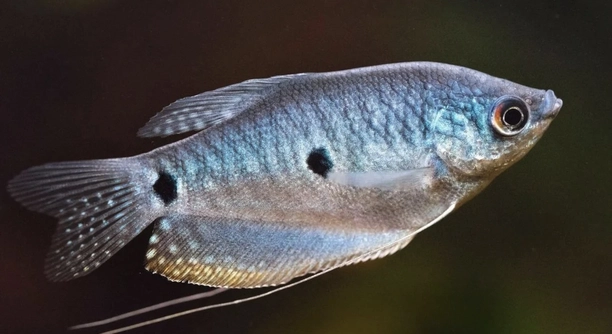
Is your gourami suddenly breathing faster than usual, and you’re not sure what’s causing the change in behavior or how to respond?
Rapid breathing in gouramis is often caused by poor water quality, low oxygen levels, high stress, or illness. These factors can lead to discomfort or even serious health issues if not addressed quickly and properly.
Learning about the causes and knowing what to look for can help you keep your gourami healthy and calm in its environment.
Common Reasons for Fast Breathing in Gouramis
Fast breathing in gouramis is usually a sign that something in the tank isn’t right. Poor water quality is one of the most frequent reasons. Ammonia, nitrite, or nitrate levels that are too high can quickly make it hard for your gourami to breathe. Another factor is low oxygen levels in the water, which can happen when there’s not enough surface agitation or if the tank is overcrowded. Stress from sudden changes in the tank, such as moving décor, introducing new tank mates, or even loud noises nearby, can also lead to rapid breathing. Illnesses like bacterial infections, parasites, or gill disease are other possibilities to consider. If your gourami’s breathing seems unusually fast, it’s important to check the tank conditions right away. Using a water testing kit, observing behavior closely, and noting any other symptoms will help you decide what steps to take next.
Water temperature plays a big role, too. If it’s too high, oxygen drops and breathing speeds up.
Fast breathing might not be the only sign of stress or sickness. Look for clamped fins, loss of appetite, or hiding. Combining these signs with fast breathing usually means something deeper is going on in the tank.
How to Check and Improve Conditions
Start by testing your water parameters. A simple liquid test kit will help you quickly check ammonia, nitrite, nitrate, and pH levels.
If any readings are off, change part of the water immediately and clean your filter if needed. Make sure your tank has proper surface agitation—air stones or a well-positioned filter output help increase oxygen levels. Avoid overstocking the tank and limit feeding to reduce waste buildup. Keep an eye on the temperature and try to keep it stable between 75°F and 82°F, depending on the gourami species. If your fish continues breathing fast, try dimming the lights and reducing outside noise. These steps can help reduce stress. If things don’t improve after adjusting the tank conditions, it’s worth looking into possible infections or diseases. Some signs to watch for include visible spots, red gills, or ragged fins. Quarantining the fish might be necessary if others in the tank are healthy. Always act fast to avoid long-term health problems.
Other Signs to Watch For
Along with fast breathing, look out for behavior changes. If your gourami is hiding more than usual, refusing food, or swimming near the surface all the time, something may be wrong. These actions often happen when a fish feels unwell or stressed.
Visible signs on the body can also help you understand what’s going on. Faded colors, clamped fins, bloating, or white patches may point to an infection or parasite. Gill movement that looks strained, redness, or swelling is another clear warning. If you notice your gourami rubbing against objects, that can also mean irritation or discomfort. These signs, when combined with fast breathing, usually mean it’s more than just a water issue. Acting early, by testing water and possibly isolating the fish, can prevent further issues in the tank and keep your gourami safe.
Tracking changes can also help. If you keep notes or take short videos, you may start to notice patterns. Sometimes stress builds over time, and only when you look back do you see the full picture. Watching your gourami closely and staying consistent with tank care makes a big difference. If things keep getting worse, consulting a vet who deals with fish may be your best option.
When to Seek Treatment
If your gourami’s breathing does not improve after adjusting water quality and lowering stress, it may be time to begin treatment. Symptoms that get worse over a few days, or new signs like spots, wounds, or fin damage, need attention.
Over-the-counter medications can help with common problems like parasites or bacterial infections. Look for treatments that match your gourami’s symptoms and follow the directions closely. Always remove carbon from your filter before adding medicine, as it can soak up the treatment. If you’re not sure what illness your gourami has, you can also try a general treatment first while keeping the fish isolated. Quarantining your gourami in a separate tank during treatment helps protect your other fish and lets you control the environment more easily. Make sure the quarantine tank is warm, clean, and quiet. Good care during this time gives your gourami the best chance at recovery.
Preventing Future Issues
Keeping the tank clean and stable is the best way to avoid future problems. Regular water changes, testing, and proper filtration help your gourami stay healthy and calm. Avoid sudden changes to the environment.
Make sure the tank isn’t overcrowded and that each fish has enough space. Use gentle lighting and provide hiding spots to reduce stress.
Choosing the Right Equipment
A strong filter, reliable heater, and a thermometer are basic needs for any gourami tank. Choose a filter that suits your tank size and creates enough surface movement to keep oxygen levels stable. Heaters should be adjustable and accurate to avoid harmful temperature swings. Air stones are a good option for extra oxygen.
Watching Your Gourami Daily
Daily checks make a big difference. A quick look at your gourami’s color, breathing, and behavior helps catch issues early.
FAQ
Why is my gourami breathing fast at the top of the tank?
This often means your gourami is not getting enough oxygen. Gouramis can breathe from the surface using their labyrinth organ, but if they’re doing it constantly, it likely points to low oxygen in the water. Poor water quality, high temperature, or lack of surface agitation are common causes. Make sure the tank has good circulation, check the water parameters, and avoid overcrowding. Adding an air stone or adjusting the filter flow can help improve oxygen levels. If the water checks out but the issue continues, illness or stress may be the cause.
Can poor water quality cause fast breathing in gouramis?
Yes, it’s one of the most common reasons. Ammonia, nitrite, or even high nitrate levels can make it hard for your gourami to breathe. These toxins irritate the gills, reduce oxygen exchange, and cause stress. You may also notice your fish acting restless, hiding, or refusing food. Test your water regularly using a reliable test kit and aim to keep ammonia and nitrite at zero. Weekly partial water changes and proper filtration are key to maintaining safe conditions. Poor water quality can harm your fish quickly, so early detection is important.
What temperature should the tank be for gouramis?
Most gouramis do well in water between 75°F and 82°F. Water that’s too cold can slow down their metabolism and weaken their immune system, while water that’s too warm holds less oxygen, causing them to breathe faster. Use a good heater with a thermostat to keep the temperature steady. Sudden drops or spikes in temperature can stress your fish and lead to illness. If you live in a place where room temperature changes often, check your tank daily with a thermometer. Stable temperature helps keep your gourami comfortable and less likely to get sick.
Is fast breathing always a sign of illness?
Not always. It can also mean your gourami is stressed or reacting to something in its environment. Loud noises, sudden movements, bright lights, or even rearranging tank decorations can cause short-term stress. However, if fast breathing continues or is paired with other symptoms—like hiding, color loss, clamped fins, or not eating—it’s best to investigate further. Rule out water quality first, then look for signs of disease. Illness-related fast breathing often comes with visible signs like gill redness, white spots, or bloating. Always act early to prevent things from getting worse.
How do I know if my gourami is sick or just stressed?
Stressed gouramis might breathe fast, hide, or avoid eating for a short time. This can happen after a water change or if something in the tank changes. These signs usually go away once the environment settles. Sick gouramis often show longer-lasting signs, such as swimming strangely, staying at the bottom, or developing visible marks on the skin or fins. The key is how long the signs last and if they get worse. Watching your fish closely and comparing behavior over a few days can help you tell the difference between stress and illness.
Should I quarantine a gourami that’s breathing fast?
If fast breathing continues after you’ve fixed water issues and reduced stress, a quarantine tank can be helpful. It gives your gourami a calm space and lets you monitor its health without putting other fish at risk. Use clean, treated water, and keep the temperature steady. Avoid bright lights, and only treat with medicine if you’re fairly sure there’s an infection. Quarantine tanks are especially useful if other fish in the main tank are acting normally. It’s a safe way to care for one fish without making big changes to the entire tank.
Can tank mates cause stress-related breathing problems?
Yes. Aggressive or overly active tank mates can chase or nip at your gourami, leading to stress. Even peaceful fish can crowd the space or compete for food, which also causes tension. Gouramis prefer calm environments, so it’s best to keep them with gentle species that don’t invade their space. Watch for bullying or fin nipping, especially during feeding times. If you notice your gourami hiding more or breathing fast only when other fish are nearby, consider separating them or adding more plants and hiding spots to reduce stress.
How long does it take for breathing to return to normal after a fix?
This depends on the cause. If the issue was low oxygen or poor water quality, you might see improvement within a few hours after fixing it. However, if the cause was illness or long-term stress, it could take days or even a week. Watch for steady improvement—less surface gasping, more calm swimming, and normal feeding. If nothing changes after two to three days, you may need to look deeper into possible health problems or seek advice from a vet who works with fish. Patience is key, but so is taking the right steps early.
Final Thoughts
Fast breathing in gouramis is not something to ignore. It is usually a sign that something in the tank is bothering them. This can be water issues, poor oxygen, stress, or even an illness. The good news is that most causes can be fixed with a few simple steps. Regular tank checks, water testing, and a calm, steady environment all help. It’s important to act quickly when you notice changes. Even something small, like warmer water or leftover food, can lead to bigger problems if left alone. Keeping a close eye on your gourami’s behavior will help you catch problems early and keep your fish healthy.
Taking care of a gourami does not have to be hard, but it does require attention. Every fish is different, and what works in one tank may not work in another. That’s why it’s helpful to learn your gourami’s normal behavior. Over time, you’ll start to notice what’s normal and what’s not. Fast breathing on its own can sometimes be short-term, but if it continues or comes with other signs, you need to check the tank right away. Clean water, stable temperature, and peaceful tank mates go a long way. These things may seem simple, but they make a big difference in your gourami’s health.
In the end, your gourami relies on you to keep the tank safe and stable. Whether you’re new to keeping fish or have had gouramis before, it’s always good to learn more and watch closely. Small changes can mean something important. Taking the time to fix problems early helps avoid stress for both you and your fish. With care, your gourami can stay healthy, calm, and active. And if fast breathing ever returns, you’ll have the tools and knowledge to respond quickly and confidently.

Hello,
If you enjoy the content that we create, please consider saying a "Thank You!" by leaving a tip.
Every little bit helps us continue crafting quality advice that supports the health, happiness, and well-being of pets around the world, for pets of all shapes, sizes, and species.
We really appreciate the kindness and support that you show us!