
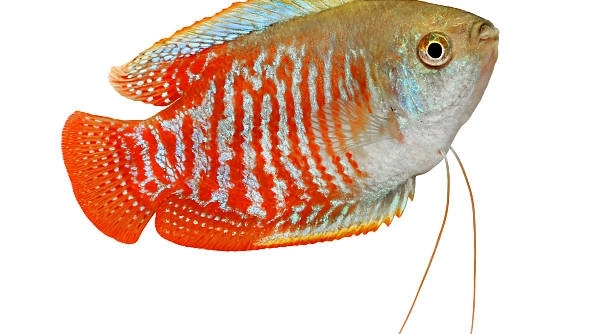
Many aquarists enjoy watching their gouramis glide gracefully through the tank, yet some notice these fish avoiding bright areas. Observing your gourami’s behavior can reveal important clues about its comfort and environment.
Gouramis often avoid bright areas due to stress, sensitivity to light, or insufficient hiding spaces. Bright lighting can overwhelm their senses, leading them to seek shaded regions where they feel safer, reducing stress and promoting normal behavior.
Learning about your gourami’s lighting preferences will help create a more comfortable and healthy tank environment for your fish.
Understanding Gourami Behavior
Gouramis are naturally shy and territorial fish. They prefer areas with moderate lighting where they can feel safe and observe their surroundings. Bright areas can make them anxious because their eyes are sensitive to intense light. In the wild, gouramis often hide under plants or near shaded waters, so they instinctively seek similar conditions in aquariums. Stress from constant exposure to bright light can affect their appetite, activity levels, and even immune system. Observing your gourami’s daily habits can help you identify when lighting might be too harsh. Simple adjustments, like adding floating plants or dimming aquarium lights, can make a noticeable difference. Gouramis also enjoy having a few hiding spots, such as caves or decorations, which allow them to retreat when feeling overwhelmed. These changes can improve their comfort and overall health, encouraging more natural behavior and activity throughout the tank. Over time, you may notice your gourami exploring more and showing less stress.
Providing shaded areas and hiding spots can significantly reduce stress and improve your gourami’s overall behavior.
Creating the right environment requires paying attention to tank setup. Start by placing floating plants that diffuse light and provide shaded regions. You can also use dimmable aquarium lights to control brightness according to your gourami’s comfort. Include a variety of hiding spots like small caves, driftwood, or decorative plants to mimic natural habitats. Keep in mind that gouramis are territorial, so avoid overcrowding the tank, which can increase stress. Monitoring water quality is also essential because stress is often linked to poor conditions. Perform regular water changes and maintain stable temperature and pH levels. Observing how your gourami interacts with its environment helps you make adjustments. Over time, the fish will spend more time exploring open areas as it feels safe. A well-arranged tank with appropriate lighting and hiding spots supports healthy behavior and reduces stress-related issues, allowing your gourami to thrive in a comfortable and stimulating space.
Lighting Adjustments for Comfort
Dim or indirect lighting works best for gouramis. Bright lights often make them hide more and stay less active.
To make your gourami more comfortable, experiment with different lighting options. Start with lower intensity bulbs or position lights further from the tank. Adding floating plants can soften the light and create shaded areas for your fish to rest. Observe how your gourami reacts to these changes over several days. If it begins to swim more confidently in open areas, the adjustments are likely helping. In addition, establish a consistent day-night cycle with timers to reduce stress. Sudden changes in light intensity can confuse and unsettle them. For tanks with multiple fish species, ensure that lighting changes accommodate all inhabitants while keeping gouramis’ needs in mind. Proper lighting combined with appropriate hiding spots enhances overall behavior, encourages natural activity, and reduces stress, leading to healthier and more vibrant gouramis.
Tank Decorations and Hiding Spots
Providing plenty of hiding spots helps gouramis feel secure. Plants, caves, and driftwood offer shaded areas where they can rest and reduce stress.
Arranging the tank with varied decorations gives gouramis options to retreat when they feel threatened or overwhelmed. Tall plants along the edges, floating plants on the surface, and small caves create natural zones for privacy. Gouramis naturally seek shelter, and these additions mimic their wild habitat, encouraging normal behavior. When hiding spots are limited, gouramis may stay in corners or under objects, avoiding open, bright areas entirely. Consistently offering these safe zones helps them adjust to the tank environment, improves their confidence, and promotes healthy activity throughout the day.
The placement of decorations also affects movement patterns. Creating shaded pathways and open swimming areas allows gouramis to explore while having easy access to cover. This balance between light and shade encourages natural swimming behavior, reduces stress, and keeps them active and healthy. Properly positioned decorations prevent dominance disputes among tank mates and maintain a stable, comfortable environment for your gourami.
Water Conditions and Comfort
Stable water conditions are crucial for gouramis’ well-being. Sudden changes in temperature or pH can make them hide more and avoid bright areas.
Gouramis thrive in clean, stable water with temperatures between 75-82°F and pH levels around 6.5-7.5. Irregular maintenance or rapid shifts in water parameters can cause stress, leading them to retreat to shaded regions. Regular water changes, careful monitoring of temperature, and maintaining proper filtration ensure the tank remains comfortable. Water quality directly affects their health, appetite, and activity levels. Stress from poor water conditions can make gouramis more sensitive to light, prompting them to stay in darker areas for safety. Maintaining consistent conditions supports normal behavior, encourages exploration, and reduces hiding tendencies.
In addition, the presence of dissolved oxygen and minimal ammonia or nitrate levels enhances overall comfort. Overcrowding or introducing aggressive tank mates can further increase stress, causing gouramis to hide more frequently. Monitoring and adjusting these factors ensures the fish feel secure, active, and less sensitive to lighting. By prioritizing stable water conditions and thoughtful tank management, you create an environment where gouramis can thrive while displaying natural behavior without unnecessary avoidance of bright areas.
Stress and Environmental Factors
Stress can make gouramis avoid bright areas. Loud noises, sudden movements, or overcrowded tanks often trigger this behavior.
Even minor disturbances like frequent tapping on the glass or abrupt lighting changes can cause anxiety. Gouramis rely on calm surroundings to feel safe and explore their environment naturally.
Tank Placement Considerations
The location of the aquarium affects how gouramis respond to light. Tanks near windows or high-traffic areas often experience fluctuating brightness and disturbances, increasing stress. Choosing a quiet corner with consistent lighting reduces anxiety and encourages your gourami to swim more confidently in open areas.
Feeding Habits and Behavior
Gouramis may hide during feeding if they feel exposed. Offering food in shaded or secure areas can improve feeding efficiency and reduce stress. Regular feeding schedules help gouramis anticipate mealtime and feel more comfortable in the tank environment.
FAQ
Why is my gourami hiding most of the time?
Gouramis naturally seek shaded areas to feel safe. If your fish spends most of its time hiding, it may be stressed due to bright lights, tank placement, or lack of hiding spots. Ensuring plenty of plants, caves, and floating decorations gives them security and reduces anxiety.
Can bright lights harm my gourami?
Yes, intense or direct lighting can stress gouramis. Their eyes are sensitive, and constant exposure may lead to hiding, loss of appetite, or lethargy. Using dimmable lights or floating plants to diffuse brightness helps maintain a comfortable environment.
How many hiding spots does my gourami need?
It depends on tank size and the number of fish. As a general rule, providing multiple hiding areas along the tank edges, with some floating plants on the surface, allows gouramis to choose where they feel safest.
Will my gourami eventually get used to bright areas?
Some gouramis may adapt over time if the tank is calm and secure. Gradually adjusting lighting intensity and ensuring ample shaded areas can encourage exploration. Avoid sudden changes, as these can increase stress rather than improve confidence.
Does water quality affect their behavior?
Absolutely. Poor water conditions, such as high ammonia, nitrite, or fluctuating pH, can make gouramis more sensitive to light and prone to hiding. Regular testing, water changes, and stable temperature create a healthier environment that supports natural activity.
Can tank mates cause my gourami to avoid bright areas?
Yes, aggressive or overly active fish can make gouramis feel threatened. Providing hiding spots and maintaining compatible tank mates ensures gouramis feel safe and reduces the need to stay in shaded areas constantly.
Is the size of the tank important?
Tank size influences comfort and behavior. Overcrowded or small tanks increase stress, making gouramis avoid open, bright spaces. A larger tank with varied decorations gives them freedom to swim and retreat safely when needed.
How often should I change the water to reduce stress?
Performing regular water changes, usually 20-25% weekly, keeps the tank clean and stable. Maintaining consistent temperature and pH during changes is important to avoid shocking the gouramis, which can lead them to hide more often.
Can hiding spots improve feeding habits?
Yes. Gouramis feel safer feeding in shaded areas. Placing food near plants or caves encourages them to eat confidently and reduces stress-related avoidance behavior during mealtime.
Are gouramis more active at certain times of the day?
Gouramis often adjust their activity to natural light patterns. Maintaining a consistent day-night cycle with timers helps regulate behavior and reduces stress, encouraging them to use both bright and shaded areas appropriately.
Will stress from bright lights affect their health long-term?
Prolonged stress can weaken the immune system, reduce appetite, and lead to disease. Addressing lighting, tank setup, and environmental factors early helps prevent long-term health problems and supports natural behavior.
Do floating plants really make a difference?
Yes. Floating plants diffuse light, create shaded areas, and provide a sense of security. They are particularly effective for gouramis that avoid bright open spaces and help maintain calmer behavior in the tank.
How can I tell if my gourami is stressed from lighting?
Signs include hiding frequently, reduced swimming, loss of appetite, or clinging to shaded spots. Observing these behaviors alongside lighting patterns can help identify if adjustments are needed.
Can changing the tank location help?
Yes. Moving the tank to a quieter area away from windows or high-traffic zones reduces exposure to fluctuating light and disturbances, helping gouramis feel more secure and encouraging natural activity throughout the day.
Is it normal for gouramis to hide at first?
Yes, especially when newly introduced to a tank. Initial hiding is normal while they adjust. Ensuring shaded areas, proper water conditions, and minimal disturbances accelerates acclimation and promotes exploration.
Do gouramis prefer specific plant types?
They do best with a mix of floating and rooted plants. Floating plants provide shade, while taller rooted plants along the edges offer cover and privacy, mimicking their natural habitat and making them feel more secure.
Can stress from bright areas cause disease?
Indirectly, yes. Chronic stress weakens the immune system, making gouramis more susceptible to infections and illnesses. Reducing bright light exposure and providing safe areas is crucial for maintaining health.
How quickly should I adjust lighting?
Gradually. Sudden increases or decreases in brightness can shock gouramis. Adjust lighting incrementally over several days and observe their reactions to ensure comfort and reduced stress.
Is hiding behavior different for male and female gouramis?
Males may be slightly more territorial and cautious, while females may hide more during breeding periods. Both benefit from shaded areas, hiding spots, and consistent environmental conditions to feel secure.
Does tank size affect hiding frequency?
Yes. Smaller or overcrowded tanks force gouramis into hiding more often due to limited space and stress. Larger tanks with multiple shaded areas encourage natural swimming, exploration, and less constant hiding.
Can adding new decorations stress gouramis?
New decorations can temporarily increase hiding as gouramis adjust. Place items gradually and allow the fish time to explore the changes. Providing familiar shaded zones during this adjustment helps reduce stress.
Are gouramis nocturnal?
No, they are diurnal but often reduce activity in bright conditions if stressed. Providing shaded areas allows them to rest comfortably during the day while remaining active in moderate lighting.
Can diet influence their confidence in bright areas?
A balanced diet supports energy and health, which indirectly improves confidence. Healthy gouramis are more likely to explore open areas when they feel secure and well-nourished.
How can I encourage exploration without stressing them?
Offer shaded areas near open spaces, gradually increase light exposure, and maintain calm surroundings. Consistent water quality and compatible tank mates also help gouramis feel safe while exploring.
Do gouramis communicate stress to each other?
Yes. Gouramis may observe or mimic the behavior of stressed tank mates. Ensuring all fish have hiding spots and enough space reduces overall anxiety in the tank.
Can seasonal changes affect hiding behavior?
Fluctuating daylight from nearby windows can influence activity. Using timers or consistent artificial lighting helps maintain predictable patterns and reduces stress-related hiding during seasonal changes.
Are gouramis more sensitive to direct sunlight?
Yes. Direct sunlight can overheat water, create glare, and increase stress. Position the tank away from windows or use blinds to prevent excessive light exposure.
Will stress from bright light affect breeding?
Stress can reduce breeding behavior and egg production. Providing shaded areas and a calm environment improves chances of successful mating and healthier offspring.
How long does it take for gouramis to adjust to new lighting?
Adjustment varies by individual but usually takes a few days to a week with gradual changes. Observing their activity and hiding patterns helps gauge comfort.
Can adding more plants replace dimming the lights?
Partially. Plants help diffuse light and create shaded zones, but controlling overall light intensity ensures the tank remains comfortable for gouramis. Combining both methods is most effective.
Is frequent hiding always a sign of stress?
Not always. Some gouramis are naturally shy or territorial. Occasional hiding is normal, but constant avoidance of bright areas usually indicates environmental stress or discomfort.
Can I use a timer to help gouramis adjust to light?
Yes. Timers create a consistent day-night cycle, preventing sudden lighting changes that can stress gouramis. Predictable light patterns encourage natural activity and reduce constant hiding.
Do gouramis react differently to LED versus fluorescent lighting?
LEDs can be harsher if too bright, while fluorescents provide more even light. Dimmable LEDs or diffused lighting are preferred to prevent stress and encourage exploration.
Will a new gourami hide more than an established one?
Yes. New arrivals are more cautious and will often stay in shaded areas initially. Gradual acclimation, shaded zones, and consistent care help them adjust faster.
Can water current affect hiding behavior?
Strong currents may cause stress and force gouramis into sheltered areas. Gentle, evenly distributed flow creates a comfortable environment and encourages normal swimming patterns.
Do gouramis ever hide for comfort, not stress?
Yes. Even relaxed gouramis use shaded areas for resting or security. Providing these zones supports natural behavior and helps maintain overall well-being.
Does temperature fluctuation impact hiding?
Yes. Sudden changes in water temperature make gouramis seek shelter. Keeping the tank temperature stable reduces hiding due to environmental discomfort.
Are all gourami species equally sensitive to light?
Sensitivity varies. Some species tolerate brighter conditions better, while others, like dwarf gouramis, are more prone to hiding. Observing species-specific behavior guides appropriate tank lighting and setup.
Can I use dimmable lights with floating plants?
Yes. Combining both provides optimal shading, reduces stress, and allows gouramis to explore safely while controlling brightness levels according to their needs.
How do I know if my gourami feels secure in the tank?
Signs include normal swimming patterns, occasional surface exploration, active feeding, and reduced time spent hiding. Proper lighting, hiding spots, and calm surroundings support these behaviors.
Do gouramis hide more when sick?
Yes. Illness can increase hiding behavior. Monitoring for changes in appetite, coloration, or movement alongside hiding helps detect health issues early.
Can I train gouramis to tolerate brighter areas?
Gradually exposing them to moderate light while providing shaded retreats helps. Avoid sudden changes, and reward exploration with food or safe zones to build confidence over time.
Are gouramis more stressed in glass tanks versus acrylic?
Glass reflections can sometimes increase perceived threats, causing hiding. Using background decorations or non-reflective surfaces helps reduce stress and encourages natural behavior.
Can hiding spots improve social interactions?
Yes. They allow gouramis to retreat when needed, reducing conflicts. Comfortable fish are more likely to interact normally and explore without constant avoidance of open areas.
Does water hardness affect hiding behavior?
Indirectly. Extreme hardness can stress gouramis, making them avoid bright areas. Maintaining moderate hardness suitable for the species contributes to comfort and natural activity levels.
Is hiding behavior linked to age?
Younger or newly introduced gouramis may hide more due to inexperience or cautiousness. Older, established fish are generally more confident but still benefit from shaded zones and hiding spots.
Can tank size changes affect behavior?
Yes. Moving gouramis to a larger or differently arranged tank may temporarily increase hiding as they adjust. Providing familiar shaded zones helps reduce stress during the transition.
Do gouramis prefer specific types of lighting?
They favor soft, diffused lighting over direct, intense illumination. Combining dimmable lights with floating plants creates a comfortable environment that reduces stress and encourages natural behavior.
How important is consistency in tank setup?
Very. Consistency in lighting, decorations, and water conditions reduces stress, minimizes hiding, and supports confident exploration. Frequent changes can unsettle gouramis and trigger avoidance of bright areas.
Are there behavioral signs that indicate improvement?
Increased swimming in open areas, more frequent feeding, and reduced time spent hiding indicate comfort. Observing these behaviors confirms effective adjustments to lighting, decorations, and tank conditions.
Can stress from bright areas affect lifespan?
Prolonged stress weakens the immune system and can shorten lifespan. Creating a comfortable environment with proper lighting, hiding spots, and stable conditions supports long-term health.
Does adding new fish affect hiding?
Yes. New tank mates can increase stress temporarily. Providing ample hiding spots and monitoring interactions reduces anxiety and prevents excessive avoidance of bright areas.
Are gouramis more sensitive to overhead lights or side lighting?
Overhead lights tend to be more stressful. Diffusing overhead lighting with floating plants or indirect positioning reduces intensity and creates comfortable shaded zones for your gourami.
Can hiding affect growth?
Indirectly. Stress from constant hiding can reduce appetite and energy levels, potentially slowing growth. Ensuring proper care, diet, and a secure environment promotes healthy development.
Is hiding behavior permanent?
Not necessarily. With proper lighting, tank setup, and environmental adjustments, gouramis often reduce hiding and explore confidently. Consistency and patience are key.
Do gouramis hide more during breeding?
Yes, especially females. They seek shaded areas for safety and protection. Providing ample hiding spots ensures reduced stress and supports successful breeding behavior.
How do I balance light for gouramis and plants?
Use dimmable lights and floating plants to create shaded zones for gouramis while still supporting plant growth. Adjust intensity gradually and monitor fish behavior to maintain comfort.
Does tank background color affect hiding?
Darker backgrounds can make gouramis feel more secure. Lighter backgrounds may increase visibility and stress, encouraging more hiding. Choosing neutral or dark tones improves comfort.
Can reflective surfaces increase stress?
Yes. Reflections can mimic other fish or movement, making gouramis feel threatened. Using a solid background or non-reflective decorations helps reduce stress and hiding.
How long should gouramis hide when first introduced?
A few days to a week is normal. Providing shaded areas and consistent care helps them acclimate faster and reduces prolonged avoidance of bright areas.
Do gouramis prefer specific tank heights?
They tend to use mid-to-top water levels but still seek shaded regions near plants or decorations. Balanced tank height with hiding areas encourages natural swimming behavior.
Can regular observation reduce stress?
Yes. Monitoring behavior helps detect problems early, adjust lighting, decorations, or water conditions, and ensure gouramis feel secure without constant hiding.
Does feeding location affect hiding?
Placing food near shaded areas encourages safe feeding and reduces stress. Gouramis are more likely to eat confidently when they feel secure.
How do I prevent hiding from becoming habitual?
Maintain stable lighting, adequate hiding spots, compatible tank mates, and consistent water conditions. Gradual exposure to open areas and gentle encouragement promotes confident, active behavior over time.
Can stress from bright light trigger aggressive behavior?
Yes. Some gouramis may act defensively if stressed. Reducing brightness, providing hiding spots, and maintaining calm surroundings minimizes conflicts and encourages normal behavior.
Are gouramis sensitive to sudden flashes of light?
Yes. Quick, intense light changes can trigger hiding and stress. Avoid frequent disturbances and maintain consistent, diffused lighting for comfort.
Does tank cover affect behavior?
A partially covered tank can reduce light intensity, creating shaded areas that encourage safe exploration and reduce hiding tendencies.
Do gouramis react differently to natural versus artificial light?
Artificial light can be controlled for intensity and duration, reducing stress. Natural light may fluctuate, causing hiding if too bright. Combining timers with diffused light helps maintain comfort.
Can overcrowding make gouramis avoid bright areas more?
Yes. Overcrowding increases stress, reduces hiding options, and forces gouramis into shaded corners. Proper stocking density with sufficient decorations improves confidence and activity levels.
Are gouramis more active in planted tanks?
Yes. Plants provide shaded areas and security, encouraging exploration and reducing constant hiding compared to sparsely decorated tanks.
How can I monitor if my gourami feels secure?
Observe swimming patterns, feeding behavior, time spent in open areas, and interactions with tank mates. Comfort is indicated by normal activity, exploration, and reduced hiding.
Does water flow affect hiding frequency?
Strong or uneven currents can stress gouramis, leading them to hide. Gentle, evenly distributed flow allows comfortable swimming and natural behavior.
Can seasonal light changes stress gouramis?
Yes. Fluctuations in daylight exposure can increase hiding. Using timers or consistent artificial lighting maintains predictable patterns and reduces stress-related behavior.
Do gouramis respond to reflections in glass?
They may mistake reflections for other fish or threats, triggering hiding. Using a solid background or decorations minimizes reflections and stress.
Can hiding behavior indicate a need for tank rearrangement?
Yes. If gouramis consistently avoid open areas, rearranging plants, decorations, or lighting to create better shaded zones can improve confidence and reduce hiding.
Do gouramis ever hide for comfort rather than stress?
Yes. Even calm gouramis use shaded areas to rest or feel secure. Providing these zones supports natural behavior without indicating distress.
Is hiding more common in younger gouramis?
Yes. Younger fish are often more cautious and will hide frequently. Providing shaded areas helps them adjust and gain confidence in the tank.
Can water chemistry changes increase hiding?
Yes. Rapid shifts in pH, hardness, or temperature stress gouramis, making them seek shelter in shaded areas. Stable conditions reduce avoidance behavior.
How long should gouramis hide after tank changes?
A few days is normal. Providing familiar shaded zones and stable conditions helps them acclimate faster and resume normal activity.
Do gouramis prefer certain plant densities?
Moderate to dense plant coverage offers shade and security. Too sparse may not provide enough comfort, while overly dense may restrict swimming. Balance is key.
Can lighting timers improve behavior?
Yes. Timers create a consistent day-night cycle, reducing stress and encouraging predictable activity, minimizing constant hiding in bright areas.
Does tank size influence hiding duration?
Yes. Smaller or crowded tanks increase hiding. Larger tanks with varied shaded areas allow more freedom, confidence, and natural swimming behavior.
Are gouramis more likely to hide during breeding season?
Yes, especially females seeking safety. Providing ample hiding spots reduces stress and supports reproductive behavior.
Can stress from bright light affect lifespan?
Prolonged stress weakens the immune system, potentially shortening lifespan. Creating a comfortable environment promotes long-term health and natural behavior.
Do gouramis hide differently in community tanks?
Yes. They may retreat more if tank mates are aggressive or active. Sufficient hiding spots and compatible species reduce stress and encourage normal exploration.
Are gouramis more sensitive to sudden light changes than other fish?
Yes. They are prone to hiding if exposed to abrupt brightness. Gradual lighting adjustments and shaded areas prevent stress and encourage confidence.
How can I tell if adjustments are working?
Signs include increased swimming in open areas, regular feeding, and reduced time spent hiding. Observing these behaviors confirms effective environmental changes.
Do gouramis use hiding spots for play?
Sometimes. They explore and interact with shaded areas, which supports mental stimulation and natural behavior. Proper decorations enhance this activity.
Can changing the type of light fixture help?
Yes. Switching to dimmable or diffused lighting reduces stress. Combined with floating plants, it creates comfortable zones and minimizes hiding behavior.
Does tank background color matter for hiding?
Yes. Darker backgrounds make gouramis feel secure, while lighter or reflective backgrounds may increase stress and avoidance of open areas.
Can gouramis adjust to bright areas over months?
Gradual adaptation is possible. With consistent care, shaded areas, and controlled lighting, gouramis may explore open spaces more confidently over time.
**Is frequent hiding
Final Thoughts
Watching your gourami navigate the tank can be a calming and enjoyable experience. Their behavior often reflects how comfortable and secure they feel in their environment. When gouramis avoid bright areas, it is usually a sign that they are sensitive to light or stressed by environmental factors. Bright lighting, sudden movements around the tank, or a lack of hiding spaces can all contribute to this behavior. Understanding why your gourami behaves this way allows you to make adjustments that improve their comfort. By paying attention to their habits and providing a safe, stable environment, you help your fish feel more confident and active.
Creating a comfortable habitat for gouramis does not require complicated setups. Simple changes, like adding floating plants, small caves, or tall decorations along the tank edges, provide shaded areas and hiding spots. Proper placement of lights, or using dimmable options, ensures the tank is not too bright for sensitive fish. Stable water conditions, including temperature, pH, and cleanliness, are equally important. Gouramis respond positively to consistency, and even small adjustments can have a noticeable impact on their behavior. Observing your fish and gradually implementing these changes helps reduce stress, encourages natural swimming patterns, and improves overall health. Over time, you may notice your gourami exploring more open areas and displaying normal feeding and activity behaviors.
It is important to remember that every gourami is different. Some fish are naturally shy or territorial, and occasional hiding is normal. However, consistent avoidance of bright areas may indicate a need for environmental adjustments. Providing a mix of shaded zones, secure hiding spots, and calm surroundings supports their well-being. Regular monitoring of tank conditions, thoughtful decoration placement, and maintaining a balanced day-night cycle all contribute to a healthier and more comfortable environment. By taking these steps, you help your gourami feel secure, reduce stress, and encourage natural behavior, ensuring that your fish can thrive in its aquarium home for years to come.

Hello,
If you enjoy the content that we create, please consider saying a "Thank You!" by leaving a tip.
Every little bit helps us continue crafting quality advice that supports the health, happiness, and well-being of pets around the world, for pets of all shapes, sizes, and species.
We really appreciate the kindness and support that you show us!