
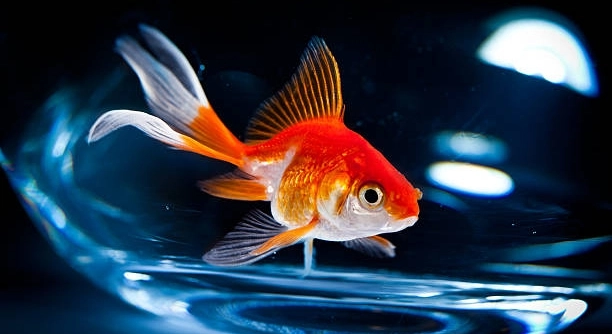
Goldfish are wonderful pets, but their health can sometimes raise concerns. One issue many goldfish owners face is when their fish’s tail begins to curl, leading to questions about what might be wrong.
The curling of a goldfish’s tail is often a sign of stress, poor water conditions, or an underlying health problem. Possible causes include fin rot, swim bladder disorder, or inadequate water quality, all of which can affect tail posture.
Understanding the causes of this behavior is crucial for ensuring your goldfish’s well-being. We will explore the different factors that may be contributing to this issue and how to address them effectively.
Poor Water Quality and Its Impact on Your Goldfish
Goldfish are sensitive to their environment, and water quality plays a significant role in their health. If the water in their tank is unclean or improperly maintained, it can lead to stress, which may cause the tail to curl. Dirty water can contain high levels of ammonia, nitrites, or nitrates, which are harmful to fish. These toxins can damage their skin and fins, leading to issues like tail curling.
It’s essential to test the water regularly to ensure its balance. Regular water changes and proper filtration can make a big difference in preventing health problems.
To maintain a healthy tank, make sure your goldfish has the right environment. Invest in a good filtration system, check water parameters, and clean the tank often. By doing so, you will create a safer habitat for your goldfish, reducing the likelihood of stress and tail issues. A stable and clean environment is the foundation of your goldfish’s well-being.
Swim Bladder Disorder and Tail Curling
Swim bladder disorder is another common reason why a goldfish’s tail might curl. This condition affects the fish’s ability to control its buoyancy, leading to abnormal swimming behavior, including the curling of the tail. Goldfish with swim bladder problems may float sideways or struggle to maintain a proper swimming position.
Swim bladder disorder can occur for several reasons. Overfeeding, especially with high-protein food, can lead to constipation, which in turn affects the swim bladder. Additionally, a sudden temperature change or injury may cause this condition. If your goldfish is struggling to swim correctly, it’s important to examine their diet and tank environment for possible triggers.
In some cases, swim bladder issues can be resolved by adjusting the fish’s diet and water conditions. Avoid overfeeding and ensure a balanced diet that includes sinking pellets or vegetables. If necessary, a fish-specific treatment can help, but always consult an expert before taking any drastic steps.
Fin Rot and Tail Curling
Fin rot is an infection that can affect the tail and fins of a goldfish. If left untreated, it can cause severe damage, including the curling of the tail. The infection usually occurs when water conditions are poor, making it easier for bacteria to thrive.
To prevent fin rot, maintaining clean water is essential. A well-maintained filtration system and regular water changes are key. In addition to water quality, it’s important to monitor your goldfish for signs of infection, such as discoloration, fraying fins, or lesions. Early intervention can prevent the infection from spreading.
If you notice signs of fin rot, act quickly by isolating the affected fish and using aquarium salt or a specific antibacterial treatment. These steps can stop the infection and promote healing. Be sure to keep the water clean during the treatment process to avoid further complications.
Stress and Tail Curling
Stress is a common cause of tail curling in goldfish. It can be triggered by various factors, such as sudden changes in their environment, overcrowding, or incompatible tank mates. A stressed fish may exhibit abnormal swimming patterns, including curled fins or tails.
One of the first steps in reducing stress is ensuring that your goldfish has enough space. Overcrowding can lead to anxiety and health problems. Additionally, minimize sudden temperature fluctuations, loud noises, or other disturbances that could stress out the fish. Stable and calm environments contribute to a more relaxed goldfish.
Consider rearranging the tank to make it feel secure or even add some plants or decorations for hiding spots. By reducing the stressors around your goldfish, you can improve its overall health and prevent tail curling.
Poor Diet and Tail Curling
A poor diet can lead to health issues that affect your goldfish’s tail. If your fish isn’t getting the right nutrients, it may develop problems, including tail curling. A lack of proper vitamins, minerals, and protein can weaken the fish’s body, making it vulnerable to disease.
Ensure your goldfish is eating high-quality food that provides the necessary nutrients. Offer a mix of pellets, flakes, and occasional fresh vegetables like peas. Avoid overfeeding, as excess food can lead to water quality issues. A balanced diet promotes a healthier fish and reduces the risk of tail curling.
Water Temperature and Tail Curling
Goldfish are sensitive to temperature changes. Water that is too cold or too warm can cause stress, which may result in tail curling. Goldfish typically thrive in water temperatures between 65°F and 75°F. A drastic temperature drop or rise can trigger health issues, including abnormal swimming behavior.
Check your tank’s temperature regularly to ensure it remains within the ideal range. If you live in a place with fluctuating temperatures, consider using a heater to maintain consistency. Stable water temperature not only prevents tail curling but also keeps your goldfish comfortable and healthy.
Swim Bladder Disorder and Tail Curling
Swim bladder disorder can affect a goldfish’s buoyancy and lead to abnormal swimming patterns, including the curling of the tail. The condition can occur due to overfeeding, constipation, or sudden temperature changes. It often causes your goldfish to float sideways or have difficulty swimming upright.
Treating swim bladder disorder involves addressing the underlying cause. For constipation-related issues, reduce feeding and offer foods that help with digestion, like peas. Also, keep the tank’s temperature stable and avoid sudden changes. If the problem persists, consult an expert for further advice or treatment.
FAQ
Why is my goldfish’s tail curling?
A curling tail can result from a variety of causes, including poor water quality, stress, or health issues like fin rot or swim bladder disorder. Often, it’s an indication that something in the environment is affecting your goldfish. If the water quality isn’t ideal or if your fish is stressed, it can lead to abnormal behavior, including tail curling. Additionally, infections or injuries can cause the tail to curl as a sign of damage or discomfort. Regular water maintenance and a stress-free environment are essential to help prevent this.
What causes fin rot in goldfish?
Fin rot is a bacterial infection that typically occurs due to poor water conditions. High levels of ammonia, nitrites, or nitrates can damage the fish’s skin and fins, making them more susceptible to infections. When this happens, the edges of the fins or tail begin to deteriorate, often leading to curling or fraying. To avoid fin rot, ensure that your goldfish’s tank is regularly cleaned and that water quality is monitored. If you notice signs of fin rot, act quickly by treating the tank with aquarium salt or an antibacterial medication.
How can I fix a curling tail?
To fix a curling tail, first, assess the tank’s water quality. Perform regular water changes, ensure proper filtration, and check the temperature. If the water is dirty or imbalanced, the fish will remain stressed, causing issues like tail curling. Once the water quality is stabilized, you can focus on other potential causes like fin rot or swim bladder disorder. If necessary, isolate the affected fish for treatment, such as using medications or salt treatments. Ensuring a balanced diet and proper tank environment is crucial for long-term recovery.
Can swim bladder disorder cause tail curling?
Yes, swim bladder disorder can lead to tail curling. This condition affects the fish’s ability to maintain proper buoyancy, causing it to swim erratically or have difficulty staying upright. As a result, your goldfish may exhibit unusual behaviors, including a curled tail. Swim bladder disorder can be caused by overfeeding, constipation, sudden temperature changes, or injury. To help, reduce feeding and offer easily digestible food like peas to alleviate constipation. Keeping the water temperature stable and clean also aids in preventing swim bladder issues.
How do I treat swim bladder disorder?
Treatment for swim bladder disorder depends on the underlying cause. If constipation is the issue, offering peas and fasting the fish for a few days can help clear the blockage. If temperature fluctuations have triggered the disorder, maintaining a stable water temperature between 65°F and 75°F will be beneficial. In more severe cases, an antibacterial treatment may be necessary if the disorder is caused by an infection. Always monitor your fish for other symptoms and consult a veterinarian if the problem persists.
Why is my goldfish’s tail turning white and curling?
A white tail that is curling could be a sign of fin rot, a bacterial infection. The white coloration is often the result of tissue damage, and the curling may indicate that the fish’s tail is weakening. In this case, the goldfish will need prompt treatment, including antibiotics and improving water quality. Check the tank’s water parameters for harmful substances like ammonia and nitrites, which can exacerbate infections. Cleaning the tank and isolating the infected fish is essential to prevent the spread of the infection to other fish.
Can stress cause my goldfish’s tail to curl?
Yes, stress is a major factor that can cause tail curling in goldfish. Stress can be triggered by several factors, such as overcrowding, sudden changes in water temperature, or noisy surroundings. If your goldfish is stressed, it may exhibit signs like tail curling, erratic swimming, or hiding. To reduce stress, ensure your fish has enough space in the tank, limit external disturbances, and maintain stable water conditions. Adding plants and hiding spots can also help your fish feel more secure and relaxed.
What should I feed my goldfish to prevent tail curling?
Feeding your goldfish a balanced diet is essential for its overall health. High-quality pellets, flakes, and occasional vegetables like peas can help ensure your fish gets the nutrients it needs. Avoid overfeeding, as this can lead to digestive problems like constipation, which can contribute to swim bladder disorder and tail curling. A well-fed goldfish will have better immunity to diseases and stress, leading to a healthier, more stable tail. Also, be sure to vary the diet to provide essential vitamins and minerals.
How often should I change my goldfish tank water?
To maintain a healthy tank environment, change about 25% to 30% of the water every week. This helps remove toxins like ammonia and nitrates that build up over time and can cause stress or illness in your goldfish. Regular water changes will also keep the tank cleaner and make the water more comfortable for your fish. In addition to regular changes, monitor the water parameters using a testing kit to ensure the water quality remains stable.
Can temperature fluctuations cause my goldfish’s tail to curl?
Yes, temperature fluctuations can cause your goldfish’s tail to curl. Goldfish are sensitive to changes in temperature, and a sudden drop or increase can lead to stress, which affects their overall health. When water temperature becomes unstable, it can also exacerbate other issues like swim bladder disorder, making it more likely that your goldfish will experience tail curling. To prevent this, maintain a stable water temperature by using an aquarium heater if necessary. Keep the temperature range between 65°F and 75°F for optimal health.
How do I know if my goldfish’s tail is curling because of an injury?
If your goldfish’s tail is curling due to an injury, you may notice other signs like redness, swelling, or tears along the tail fin. Injuries can occur from tank mates, sharp decorations, or rough handling. In some cases, a small injury can lead to infections, causing the tail to curl. If you suspect an injury, remove the affected fish from the main tank to prevent further harm or stress. You can treat the injury with a salt bath or an antibacterial treatment, depending on the severity.
Final Thoughts
Goldfish tail curling is a common issue, but it is usually treatable if caught early. Understanding the causes can help you act quickly to restore your goldfish’s health. Whether the problem is due to poor water quality, improper diet, or stress, identifying the source of the problem is the first step. Once you determine the cause, you can take the necessary steps to fix it, whether that’s adjusting the tank environment, offering a more balanced diet, or addressing any health concerns.
Maintaining stable water conditions is crucial for your goldfish’s overall well-being. Regularly checking water parameters and performing water changes can help prevent most common issues, including tail curling. Keeping the water temperature stable and ensuring proper filtration will create a healthy environment that minimizes stress and illness. A clean, well-maintained tank is not only essential for preventing tail curling but also ensures your goldfish remains active and vibrant.
If your goldfish continues to show signs of tail curling despite your efforts, seeking professional help is always a good idea. A veterinarian or aquatic expert can help identify more complex problems and recommend treatments. In some cases, tail curling may be a symptom of a deeper issue that requires medical attention. However, with the right care and attention, most goldfish will recover and continue to thrive. Understanding these basic principles will guide you toward a healthier tank and a happy goldfish.

Hello,
If you enjoy the content that we create, please consider saying a "Thank You!" by leaving a tip.
Every little bit helps us continue crafting quality advice that supports the health, happiness, and well-being of pets around the world, for pets of all shapes, sizes, and species.
We really appreciate the kindness and support that you show us!