
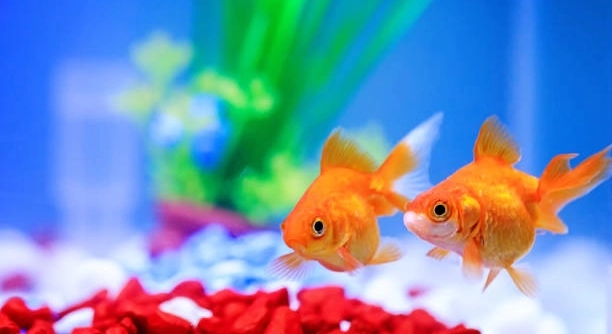
Are your goldfish suddenly ignoring their food, leaving you concerned about their health? It can be worrying when they stop eating, but there are several reasons this might happen, ranging from water conditions to illness or stress.
Goldfish may stop eating due to poor water quality, stress, illness, or changes in diet. Factors like overcrowding, improper temperature, and digestive issues can also contribute. Identifying the cause is key to ensuring your goldfish stays healthy and well-fed.
Various factors could be affecting your goldfish’s appetite. Understanding these causes and knowing the right solutions will help you get your fish eating again and maintain a healthy aquarium environment.
Common Reasons Your Goldfish Is Not Eating
Goldfish can lose their appetite for many reasons, including poor water conditions, stress, illness, or changes in diet. If the water quality is bad, your fish may feel unwell and refuse to eat. Ammonia, nitrites, and low oxygen levels can make it difficult for them to stay active. Stress from sudden changes in temperature, tank mates, or moving to a new tank can also cause them to stop eating. Sometimes, they might be sick due to infections or parasites, making them too weak to eat. Additionally, if their food is old, stale, or not suited for them, they might simply ignore it.
Checking water parameters is the first step to solving this issue. Test for ammonia, nitrites, and pH levels to ensure the environment is safe. If your goldfish recently moved tanks or had new additions, give them time to adjust.
Pay attention to their behavior. If they are lethargic, hiding, or have visible signs of illness, they might need medical attention. Providing high-quality food and maintaining a stable environment will encourage them to eat again.
How Water Quality Affects Appetite
Poor water conditions can make goldfish lose interest in food. Toxins like ammonia and nitrites can irritate their gills and cause discomfort.
Testing the water regularly helps keep your tank safe. A healthy tank should have ammonia and nitrite levels at zero, with nitrate levels kept low. A sudden change in temperature can also stress your fish, so use a heater to maintain consistency. If oxygen levels are too low, your goldfish might struggle to breathe, leading to a loss of appetite. Adding an air stone or increasing surface agitation can help improve oxygen levels.
Keeping up with regular water changes is essential. Replacing 20–30% of the water weekly removes waste buildup and keeps conditions stable. Avoid overfeeding, as leftover food can decay and worsen water quality. If your tank is overcrowded, consider a larger tank to prevent stress. Ensuring a clean and balanced environment will keep your goldfish healthy and eager to eat.
Stress and Tank Conditions
Stress can cause goldfish to stop eating. Sudden changes in their environment, aggressive tank mates, or a noisy location can make them anxious. A stressed goldfish may hide, swim erratically, or become lethargic, leading to a loss of appetite and weakened immune system.
A stable environment is important. Avoid moving decorations or changing water parameters too quickly. If your goldfish has aggressive tank mates, consider separating them to reduce stress. Keeping the tank in a quiet area without frequent disturbances can also help them feel safe. Dim lighting for a few hours a day may provide a calming effect.
Overcrowding makes it harder for goldfish to thrive. They need enough space to swim comfortably, so ensure the tank size is appropriate for the number of fish. Providing plenty of hiding spots and maintaining a clean environment can make them feel more secure and encourage them to eat.
Illness and Digestive Issues
Goldfish may refuse food when they are sick. Bacterial infections, parasites, or swim bladder disease can make them lethargic and uninterested in eating. Common signs of illness include clamped fins, white spots, bloating, or difficulty swimming. If symptoms persist, isolating the fish and using proper treatments may be necessary.
Feeding the wrong type or amount of food can lead to digestive problems. Overfeeding or providing low-quality food may cause constipation, making your goldfish bloated and uncomfortable. Offering fiber-rich options like boiled peas can help with digestion. Floating pellets may contribute to swim bladder issues, so consider switching to sinking pellets or gel-based foods.
Goldfish do best with a varied diet. A mix of high-quality pellets, flakes, and occasional fresh vegetables ensures they get proper nutrients. Avoid giving them food meant for other fish species, as it may lack essential ingredients. Sticking to a regular feeding schedule and monitoring their eating habits can prevent future health problems.
Food Quality and Variety
Goldfish may refuse food if it is stale or low in nutrients. Expired or improperly stored food loses its nutritional value and may not be appealing. Storing fish food in a cool, dry place and replacing it regularly ensures they get fresh, high-quality meals.
A varied diet keeps goldfish healthy and interested in eating. Feeding only flakes or pellets can become boring for them. Adding fresh vegetables like peas, spinach, or zucchini, along with occasional protein sources like brine shrimp or daphnia, provides balanced nutrition and encourages better eating habits.
Temperature and Seasonal Changes
Goldfish are sensitive to temperature fluctuations. If the water is too cold, their metabolism slows down, making them less interested in food. Keeping the water temperature between 65–75°F (18–24°C) helps maintain normal appetite and digestion.
Adjusting Feeding Habits
Feeding too much or too often can cause problems. Giving small portions once or twice a day prevents overeating and keeps the tank cleaner.
FAQ
Why is my goldfish spitting out its food?
Goldfish may spit out food if it is too large, too hard, or not to their liking. Sometimes, they take food in and spit it out repeatedly to soften it before swallowing. Poor water quality or illness can also cause this behavior. If the food seems too big, try breaking it into smaller pieces or switching to a softer alternative like gel food. Make sure the water conditions are stable, as stress or discomfort can make them reject food.
How long can a goldfish go without eating?
A healthy goldfish can survive for about one to two weeks without food. However, extended fasting is not recommended as it can weaken their immune system. If you plan to be away, consider using an automatic feeder or having someone feed them small, measured portions. If your goldfish has stopped eating, check for signs of illness or poor water conditions to address the issue before it affects their health.
What should I do if my goldfish refuses to eat new food?
Goldfish may take time to adjust to a new diet. If they are refusing new food, mix it with their usual food and gradually increase the amount of the new type. Ensure the food is high quality and appropriate for goldfish. If they continue refusing, try offering different textures, such as gel food instead of flakes or pellets.
Can overfeeding make my goldfish stop eating?
Yes, overfeeding can lead to digestive problems, making your goldfish lose its appetite. Excess food can cause bloating, constipation, and even swim bladder issues, making it hard for them to swim or eat. Uneaten food also pollutes the tank, further affecting their health. Feeding small portions once or twice a day and removing uneaten food within a few minutes helps prevent these problems.
Does a goldfish’s appetite change with the seasons?
Goldfish eat less in colder temperatures because their metabolism slows down. In outdoor ponds, they may stop eating completely during winter. If your tank’s temperature drops significantly, their appetite may decrease. Keeping the water within a stable range of 65–75°F (18–24°C) ensures consistent eating habits.
How do I know if my goldfish is sick or just being picky?
A sick goldfish will often show other signs besides refusing food. Look for symptoms like clamped fins, white spots, bloating, redness, or unusual swimming patterns. If they are otherwise active and only refusing certain foods, they might just be picky. Observing their behavior and checking water parameters can help determine the cause.
Should I change my goldfish’s diet if they stop eating?
If your goldfish suddenly stops eating, try offering different foods like boiled peas, bloodworms, or daphnia to see if they show interest. Sometimes, switching from floating pellets to sinking food can help. However, before changing their diet, check water conditions and signs of stress or illness to rule out other problems.
Do goldfish need a feeding schedule?
Yes, a regular feeding schedule helps keep their digestion healthy. Feeding at the same time each day prevents stress and helps regulate their metabolism. Goldfish do not have stomachs, so they should be fed small amounts once or twice daily rather than one large meal.
Can stress alone cause my goldfish to stop eating?
Yes, stress can be a major reason for appetite loss. Sudden tank changes, aggressive tank mates, loud noises, or being moved to a new environment can make them feel uneasy. Ensuring a stable environment, providing hiding places, and keeping the water clean can help them feel safe and regain their appetite.
What is the best type of food for a goldfish that won’t eat?
If your goldfish refuses to eat, try softer foods like gel-based goldfish food, soaked pellets, or fresh vegetables like boiled peas. These options are easier to digest and may be more appealing. Live or frozen foods like brine shrimp or daphnia can also stimulate their appetite.
Final Thoughts
Goldfish refusing to eat can be concerning, but understanding the possible reasons makes it easier to find a solution. Poor water quality, stress, illness, or food-related issues are common factors that affect their appetite. Checking the tank conditions, maintaining a stable environment, and providing high-quality food can help encourage healthy eating habits. If your goldfish is acting differently or showing signs of illness, addressing the problem quickly can prevent more serious health issues. Small changes, like adjusting their diet or improving water conditions, often make a big difference.
Keeping a regular feeding schedule and offering a variety of nutritious foods ensures your goldfish stays healthy and active. Avoid overfeeding, as it can cause digestive problems and dirty the tank. Goldfish have specific needs when it comes to their diet and environment, so providing a balanced routine helps prevent appetite loss in the future. Monitoring their behavior daily allows you to spot any unusual signs early and take action before it becomes a bigger problem. Consistency is key to maintaining their well-being and ensuring they continue to eat properly.
If your goldfish still refuses to eat despite all efforts, consider consulting a veterinarian who specializes in fish care. Some health issues require medical treatment, and professional advice can help diagnose any underlying problems. While goldfish are hardy creatures, they still need proper care to thrive. By creating a stress-free environment, offering a balanced diet, and keeping their tank clean, you can support their health and happiness. Taking the time to understand their needs will not only help them eat again but also ensure they live a long and healthy life.

Hello,
If you enjoy the content that we create, please consider saying a "Thank You!" by leaving a tip.
Every little bit helps us continue crafting quality advice that supports the health, happiness, and well-being of pets around the world, for pets of all shapes, sizes, and species.
We really appreciate the kindness and support that you show us!