
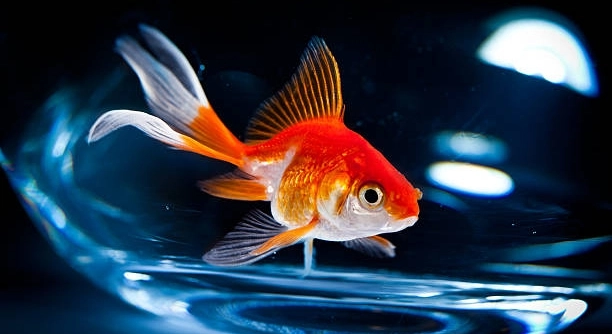
Has your goldfish started floating on its side? This unusual behavior can be alarming, but understanding its cause can help restore your fish’s health and comfort. Keep reading to learn what might be happening with your aquatic friend.
A goldfish floating on its side often signals a health issue, typically related to swim bladder problems, poor water conditions, or physical injury. Identifying the root cause allows for better care and a solution to help your fish recover.
Knowing the reasons behind your goldfish’s behavior will help you provide the best possible care. By addressing the issue early, you can ensure your fish’s well-being and avoid further complications in the future.
Swim Bladder Problems
Swim bladder issues are one of the most common reasons a goldfish floats sideways. The swim bladder is an organ that helps the fish maintain its balance and buoyancy in the water. If this organ is damaged or affected by infection, the fish may find it hard to stay upright, causing it to float on its side. A swim bladder disorder can result from constipation, overfeeding, or stress, making it vital to monitor your fish’s eating habits and water quality.
A goldfish may have swim bladder issues if it consistently floats sideways, stays near the surface, or struggles to swim properly. Keeping track of your fish’s behavior will help identify the problem.
To help a goldfish with swim bladder issues, you can try fasting it for a few days to allow its digestive system to clear up. Additionally, offering foods like peas, which help with digestion, may aid in fixing constipation. If the problem persists, consulting a vet is recommended.
Poor Water Quality
The quality of the water in your tank plays a huge role in your fish’s health. Ammonia, nitrites, and low oxygen levels can cause your goldfish to float abnormally. Poor water quality may stress the fish, impair its organs, and make it vulnerable to infections. It’s crucial to regularly check the water parameters, such as pH, temperature, and cleanliness.
Dirty or unfiltered water may lead to an overgrowth of harmful bacteria, causing both swim bladder issues and infections. Make sure to clean the tank regularly and change the water to maintain a healthy environment.
A water filter can help maintain proper water conditions by removing waste and debris, making it easier for your goldfish to thrive. Testing kits for ammonia, nitrate, and pH levels will also allow you to keep an eye on your fish’s environment, ensuring that it remains healthy and safe.
Overfeeding
Overfeeding is a common issue that leads to digestive problems in goldfish, which may cause them to float sideways. When a goldfish eats more than it can handle, it can develop constipation, affecting its swim bladder. This can lead to the fish being unable to maintain proper buoyancy.
To avoid overfeeding, it’s essential to provide your goldfish with only the amount of food it can consume within a few minutes. Remove any uneaten food promptly to prevent it from decaying in the tank and impacting water quality. Stick to a feeding schedule to keep your fish healthy.
Feeding your goldfish a varied diet that includes both pellets and fresh vegetables like peas can help with digestion. Additionally, you should fast your goldfish once or twice a week to give its digestive system a break. Monitoring your goldfish’s behavior after feeding will also help you identify if it’s eating too much or too quickly.
Physical Injury
Goldfish can experience physical injuries from fighting with other fish or bumping into tank decorations. These injuries can lead to swimming difficulties or imbalance, causing the fish to float on its side. Sharp objects in the tank can cause cuts, which may lead to infections, affecting the fish’s buoyancy.
It’s important to create a safe environment for your goldfish by removing any sharp decorations or potential hazards in the tank. If you notice any physical damage on your fish, such as torn fins or signs of injury, it’s best to isolate it in a quarantine tank. This will allow for proper healing without additional stress.
Injuries may also lead to internal damage, which can affect the fish’s ability to regulate its buoyancy. In such cases, keeping the water clean and ensuring proper nutrition is critical to help support the healing process. If the condition persists, consulting a veterinarian is recommended.
Temperature Extremes
Goldfish are sensitive to water temperature. If the water gets too hot or too cold, it can cause stress or health issues, leading to abnormal floating. Inconsistent temperature changes can also affect their swim bladder, making it harder for them to maintain balance in the water.
Ensure that the water temperature stays within the ideal range for goldfish, which is between 65°F and 75°F. Use a reliable aquarium heater if necessary to prevent rapid temperature changes. Regularly check the temperature with a thermometer to keep track of any fluctuations that could harm your goldfish.
Sudden drops or increases in water temperature can shock the fish, making it harder for their organs, including the swim bladder, to function properly. In extreme cases, this could lead to floating sideways. Try to keep the water temperature stable and avoid placing the tank near windows or air conditioning units.
Infections or Diseases
Goldfish are susceptible to various infections, including bacterial, viral, or parasitic diseases, which can affect their balance and cause them to float abnormally. These infections may damage the swim bladder, making it hard for the fish to swim or stay upright in the water.
Treating infections early is crucial to avoid complications. If you suspect your goldfish has an infection, check for other symptoms such as changes in its skin, scales, or behavior. You can use medicated fish food or aquarium treatments designed for goldfish to target common infections.
Consulting a veterinarian who specializes in aquatic animals can be helpful if the infection persists or worsens. They can recommend the best course of treatment and help restore your goldfish to good health. A clean, stable environment will also aid in preventing future infections.
Stress
Goldfish, like many other animals, can become stressed due to various factors such as overcrowding, poor water quality, or sudden changes in their environment. Stress can affect their overall health, including their buoyancy. Stressed fish may display abnormal swimming patterns, including floating on their sides.
To reduce stress, create a peaceful tank environment with proper filtration, enough space, and regular cleaning. Ensure that your goldfish is not overcrowded and that it has a quiet, stress-free environment. Make sure that the fish tank is in a place free of excessive noise or sudden movements.
FAQ
Why is my goldfish swimming sideways but not floating?
If your goldfish is swimming sideways but not floating, it may be experiencing swim bladder issues or other internal problems affecting its balance. Swim bladder problems can cause difficulty with buoyancy and swimming patterns. In some cases, the fish may swim sideways or upside down due to an infection, injury, or poor water conditions. Checking the water quality, adjusting the temperature, and observing your fish for signs of stress or injury can help identify the issue. Additionally, adjusting the diet and considering fasting or adding digestive aids like peas can help relieve constipation, which might be contributing to the problem.
Can overfeeding cause my goldfish to float sideways?
Yes, overfeeding can lead to constipation and swim bladder issues in goldfish, which may result in abnormal floating behavior. When a goldfish eats too much or consumes food too quickly, it can become constipated, affecting its buoyancy. This can lead to the fish floating sideways or struggling to swim properly. To avoid overfeeding, offer only a small amount of food that your fish can consume in a few minutes. If overfeeding occurs, try fasting your goldfish for a couple of days to help reset its digestive system.
How do I fix swim bladder problems in my goldfish?
Fixing swim bladder problems usually involves identifying the cause, such as constipation, poor water quality, or infection. Start by adjusting the diet, offering peas or fasting your fish to aid digestion. Regular water changes and testing for proper water parameters, including pH, ammonia, and nitrate levels, can also improve your goldfish’s health. If the issue persists, isolating the fish in a separate tank to reduce stress and monitor its condition can help. If no improvement is seen, it’s a good idea to consult with a veterinarian for further treatment.
What should I do if my goldfish is floating upside down?
A goldfish floating upside down is often a sign of a severe swim bladder issue. In such cases, it is important to assess the tank’s water quality and make any necessary changes, such as cleaning the tank or adjusting the temperature. You can try fasting the goldfish for a few days to help with digestion or offering it foods that aid in clearing out the digestive tract, like peas. If the problem persists or worsens, seeking professional advice from an aquatic vet may be necessary to address any internal issues or infections.
How can I tell if my goldfish is stressed?
Goldfish may show signs of stress through erratic swimming, scratching against tank decorations, or hiding in corners. Stress can also cause your goldfish to float on its side or display other abnormal behaviors. Common stress triggers include poor water quality, overcrowding, abrupt changes in temperature, and aggressive tankmates. To reduce stress, maintain a clean tank, regulate the temperature, and avoid overcrowding. Ensuring your fish has plenty of space and a calm environment will help it thrive and reduce the likelihood of health problems.
Why is my goldfish constantly near the surface?
Goldfish staying near the surface of the tank could be a sign of several issues, including poor water quality, high oxygen demand, or swim bladder problems. If the water has high ammonia levels or lacks sufficient oxygen, your goldfish might rise to the surface in search of better conditions. It’s essential to test the water regularly for ammonia, nitrites, and oxygen levels to ensure they are within the proper range. If the water quality is fine, the fish might be dealing with swim bladder issues, and a change in diet or fasting could help.
Can temperature changes cause my goldfish to float sideways?
Yes, rapid changes in water temperature can stress your goldfish and affect its buoyancy. Goldfish are cold-water fish and are sensitive to significant temperature fluctuations. When the water gets too hot or too cold, it can impair the functioning of the swim bladder and cause your goldfish to float sideways or display other abnormal swimming behavior. To avoid this, maintain a stable water temperature between 65°F and 75°F and avoid placing the tank near air conditioners, heaters, or windows that might cause sudden temperature changes.
What are the signs of a goldfish infection?
Signs of a goldfish infection include discoloration of the skin, unusual growths or sores, clamped fins, changes in swimming patterns, and floating abnormalities. Infected goldfish may also appear lethargic or have difficulty eating. Infections can result from poor water quality, injuries, or exposure to pathogens in the tank. If you notice any of these symptoms, it’s important to act quickly by isolating the affected fish and treating the tank with appropriate medications. A consultation with a veterinarian can help determine the exact cause and treatment plan.
Is it normal for my goldfish to float on its side occasionally?
Occasional floating on its side is not necessarily a cause for concern if it happens infrequently and doesn’t last long. Goldfish can momentarily lose their balance, especially after eating or if they are in a stressful environment. However, if this becomes a regular issue or lasts for extended periods, it could indicate underlying problems such as swim bladder issues, poor water quality, or overfeeding. It’s important to monitor your goldfish’s behavior and make adjustments to its diet, water conditions, and overall care routine to prevent future occurrences.
Can I treat a floating goldfish at home?
Yes, you can treat a floating goldfish at home by adjusting its diet and improving its water conditions. If the issue is related to swim bladder problems, fasting your goldfish for a few days or offering foods like peas may help clear constipation. Additionally, performing regular water changes and checking water quality can help reduce stress and improve your fish’s health. If the problem persists or worsens, seeking advice from a professional vet who specializes in aquatic animals is recommended.
Final Thoughts
Goldfish floating on their side can be alarming, but it is often a sign of a manageable issue. There are various reasons why your goldfish might be floating sideways, from swim bladder problems to poor water conditions. Identifying the root cause is the first step toward helping your fish recover and ensuring its health. While some causes, like overfeeding or minor injuries, are easy to address, others, such as infections or severe swim bladder issues, may require more careful attention and intervention.
Regular tank maintenance is key to preventing many of the issues that cause goldfish to float sideways. Keeping the water clean and testing for proper pH, ammonia, and nitrate levels will help maintain a healthy environment for your fish. A stable temperature is also important, as rapid temperature changes can cause stress, which could result in abnormal swimming behavior. Additionally, maintaining a proper feeding routine and avoiding overfeeding will help prevent digestive problems that can affect your goldfish’s buoyancy.
If your goldfish’s condition doesn’t improve after making adjustments to its environment and diet, seeking advice from a veterinarian who specializes in aquatic animals is a good next step. They can help identify more complex health issues and offer the right treatment. Remember, a little care and attention can go a long way in ensuring your goldfish stays healthy and happy. By keeping an eye on its behavior, maintaining good water quality, and providing proper nutrition, you can help your goldfish recover and thrive.

Hello,
If you enjoy the content that we create, please consider saying a "Thank You!" by leaving a tip.
Every little bit helps us continue crafting quality advice that supports the health, happiness, and well-being of pets around the world, for pets of all shapes, sizes, and species.
We really appreciate the kindness and support that you show us!