
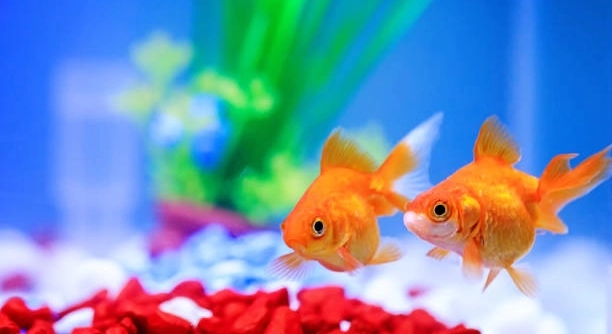
Goldfish are known for their calm and peaceful nature, but rapid breathing can be a sign of something troubling. If you notice your goldfish breathing quickly, it’s important to understand the potential causes and solutions.
Fast breathing in goldfish can be caused by various factors, such as poor water quality, stress, or even illness. These issues can lead to oxygen deprivation or discomfort, prompting the fish to breathe faster in an attempt to compensate.
Understanding why your goldfish is breathing fast is crucial to ensuring its well-being. Several factors can contribute to this behavior, and identifying the right cause will help you take appropriate action.
Poor Water Quality
Goldfish are highly sensitive to changes in their environment, and poor water quality is one of the most common reasons for rapid breathing. Ammonia, nitrites, and nitrates in the water can cause irritation to a goldfish’s gills, making it harder for the fish to breathe. When the water is not properly filtered or cleaned, these harmful chemicals build up, affecting the oxygen exchange process. This causes your goldfish to try harder to get enough oxygen, resulting in faster breathing.
The simplest way to prevent this is by performing regular water changes and ensuring the filtration system is functioning correctly. Ammonia levels should be kept as low as possible, ideally under 0.25 ppm. Regular testing with water test kits can help monitor these levels and prevent issues before they affect your fish.
If you notice rapid breathing, check the water quality first. Maintaining clean water helps keep your fish comfortable and healthy, reducing stress and preventing future issues. By staying on top of water maintenance, your goldfish will thrive.
Stress and Anxiety
Goldfish can become stressed for various reasons, leading to faster breathing. Stress can be caused by overpopulation in the tank, sudden temperature changes, or even a noisy or unfamiliar environment. These factors create an unsettling atmosphere for your goldfish, making it harder for them to relax. Stress negatively impacts a goldfish’s overall health and well-being, contributing to a range of behaviors, including rapid breathing.
In an ideal setting, goldfish should be in a calm, stable environment. It is important to keep their tank away from loud noises or sudden movements that can startle them. Additionally, ensure that the water temperature is stable and within the recommended range for goldfish (65-75°F). Avoid overcrowding, as this can add to the stress.
By reducing stressors in the tank and creating a peaceful environment, you can help prevent rapid breathing in your goldfish. The key to keeping goldfish calm is ensuring they feel safe and secure in their environment.
Poor Diet and Overfeeding
An improper diet or overfeeding can lead to digestive issues, causing your goldfish to breathe rapidly. When fed too much, goldfish can experience bloating or discomfort, which increases their breathing rate. They may try to expel excess food or gas, leading to stress.
Goldfish are omnivores and require a balanced diet of pellets, vegetables, and occasional live food. Overfeeding disrupts their digestive process and contributes to poor water quality as leftover food breaks down. It’s important to feed them in moderation and remove any uneaten food promptly.
If your goldfish is breathing fast due to overeating, consider adjusting their feeding schedule. Feed them small amounts two to three times a day, ensuring they can finish their meal within a few minutes. A varied diet will help maintain their digestive health and reduce breathing difficulties.
Illness or Infection
Goldfish can suffer from various illnesses, including gill diseases, parasites, or internal infections, which affect their breathing rate. Infections often lead to inflammation or damage to the gills, making it harder for the fish to extract oxygen from the water. As a result, the goldfish increases its breathing rate to compensate for the reduced oxygen absorption.
If you suspect illness, look for additional signs like discoloration, lesions, or abnormal swimming behavior. You may also notice a lack of appetite or erratic movements. Quick intervention can help prevent the condition from worsening. It’s important to isolate the infected fish in a separate tank to prevent spreading the disease.
To treat infections, consider using aquarium medications designed for goldfish. Consult with a vet specializing in fish for a more accurate diagnosis and treatment plan. Keeping your tank clean and ensuring your fish receive a proper diet also reduces the risk of infections.
Low Oxygen Levels
When oxygen levels in the tank drop, your goldfish will breathe faster to compensate. This often happens if the water is stagnant or poorly aerated. Low oxygen can result from overcrowding, a lack of water movement, or an insufficient filtration system.
Adding an air pump or improving water circulation can help increase oxygen levels. Ensure the tank is not overstocked, and provide plenty of surface area for gas exchange. Regular water changes also improve oxygenation by removing waste products that can reduce oxygen availability. Keeping the water fresh ensures your goldfish can breathe easily.
Water Temperature
Goldfish are sensitive to temperature changes, and water that is too warm can cause them to breathe more rapidly. Hot water holds less oxygen, making it harder for goldfish to get enough. Keeping the water temperature stable helps maintain healthy breathing patterns.
The ideal water temperature for goldfish is between 65°F and 75°F. Sudden fluctuations or prolonged exposure to high temperatures can stress your fish, leading to rapid breathing. Use a reliable aquarium heater to maintain consistent water conditions. Check the temperature regularly to ensure it stays within the healthy range for goldfish.
Tank Size and Space
A cramped tank can stress your goldfish and limit their ability to swim freely. When there isn’t enough space, your goldfish may breathe faster due to the reduced water quality and increased stress. Overcrowding can also cause more waste, leading to lower oxygen levels.
Ensure your goldfish has enough space to grow and swim comfortably. A minimum of 20 gallons per goldfish is recommended. Larger tanks provide more room for swimming and help maintain better water quality. The more space they have, the healthier and more comfortable they will feel.
FAQ
What should I do if my goldfish is breathing fast?
If your goldfish is breathing fast, the first step is to check the water quality. Perform a water test to ensure ammonia, nitrite, and nitrate levels are within safe ranges. If the water is clean, investigate other possible causes like stress, temperature fluctuations, or overcrowding. If the breathing persists, it could indicate an illness, in which case you should consult with a vet specializing in fish.
How often should I change the water in my goldfish tank?
Water changes should be done regularly to maintain healthy tank conditions. Aim for at least a 25% water change every week. If the tank is heavily stocked, or if you have poor filtration, more frequent changes may be needed. This helps prevent the build-up of harmful substances like ammonia and nitrates that can contribute to rapid breathing.
Can overfeeding cause fast breathing in goldfish?
Yes, overfeeding can lead to digestive issues that may cause discomfort and fast breathing. Goldfish that are overfed may also produce excess waste, leading to poor water quality. To avoid this, feed your goldfish only what they can eat in a few minutes and remove any leftover food promptly. This helps maintain both their health and the quality of the tank environment.
Can stress make my goldfish breathe faster?
Stress is a common cause of rapid breathing in goldfish. Factors such as overcrowding, sudden changes in their environment, or exposure to loud noises can stress your fish. To minimize stress, provide a stable, quiet, and spacious tank. Avoid sudden temperature changes and ensure the tank is large enough for the number of fish you have.
What temperature should my goldfish tank be?
Goldfish thrive in water temperatures between 65°F and 75°F (18°C to 24°C). Water that is too hot or too cold can stress your goldfish and lead to rapid breathing. Using an aquarium heater with a thermometer will help maintain a consistent temperature. Avoid drastic temperature changes as they can cause shock to the fish.
How can I tell if my goldfish is sick?
Signs that your goldfish may be sick include rapid breathing, unusual swimming behavior, discoloration, lesions, or a lack of appetite. If your fish shows any of these symptoms, it’s important to isolate them and check the water conditions. A visit to a vet specializing in fish can help diagnose and treat the issue.
Can poor filtration lead to fast breathing in goldfish?
Yes, poor filtration can lead to a build-up of toxins in the tank, including ammonia and nitrites. These substances irritate your goldfish’s gills and make it harder for them to breathe. To prevent this, ensure your filtration system is adequate for the size of your tank and clean the filter regularly to maintain optimal water quality.
Is it normal for goldfish to breathe rapidly after being moved to a new tank?
It’s common for goldfish to experience stress after being moved to a new tank, and this can result in rapid breathing. The unfamiliar environment, changes in water parameters, and possible overcrowding can cause anxiety. Give the fish time to acclimate, and ensure the new tank has proper water conditions to reduce stress.
How can I reduce oxygen levels in my goldfish tank?
If you find that your goldfish are breathing too rapidly, it’s likely that oxygen levels are low. To increase oxygen, improve water circulation by adding an air pump or adjusting the filter flow. Adding live plants can also help oxygenate the water. Ensure that the tank is not overcrowded, as too many fish can deplete oxygen levels quickly.
Can goldfish live with other fish?
Goldfish can live with other species, but only if they are compatible. Avoid housing them with aggressive or fin-nipping fish. Goldfish are peaceful by nature and prefer calm tank mates. Choose tank mates that thrive in similar water conditions and have similar swimming patterns to avoid stress and aggression.
Final Thoughts
Fast breathing in goldfish is often a sign of an underlying issue. While it may sometimes be a natural response to stress or changes in the environment, it can also indicate more serious problems such as poor water quality, illness, or even overcrowding. It’s essential to monitor your goldfish closely and identify the cause of the rapid breathing. Addressing the root issue quickly can prevent further complications and help maintain your fish’s health. Regular tank maintenance, proper feeding, and stable water conditions are key factors in ensuring your goldfish thrive.
If you notice that your goldfish is breathing rapidly, start by testing the water quality. Poor water conditions can lead to low oxygen levels, which forces your goldfish to breathe more quickly to compensate. Make sure that ammonia, nitrite, and nitrate levels are in safe ranges. Additionally, check the water temperature. Goldfish are sensitive to temperature changes, and water that’s too warm can cause stress, leading to rapid breathing. If the water is clean and the temperature is stable, consider other factors such as overfeeding or possible illness.
Ultimately, the key to preventing fast breathing is proper care and observation. Provide a suitable environment with clean, oxygen-rich water and space for your goldfish to swim comfortably. Maintain a consistent feeding schedule and avoid overfeeding, as excess food can impact water quality. If you’re unsure about the cause of your goldfish’s fast breathing, don’t hesitate to consult a vet specializing in fish. By staying proactive and attentive, you can ensure your goldfish remain healthy and happy in their tank.

Hello,
If you enjoy the content that we create, please consider saying a "Thank You!" by leaving a tip.
Every little bit helps us continue crafting quality advice that supports the health, happiness, and well-being of pets around the world, for pets of all shapes, sizes, and species.
We really appreciate the kindness and support that you show us!