
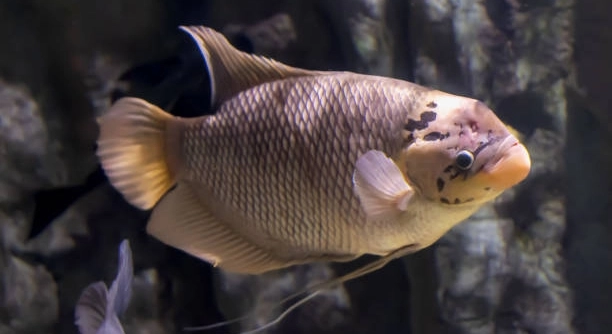
Have you ever noticed your giant gourami lingering at the bottom of the tank, moving slowly and seeming uninterested in swimming around as it usually does? This behavior can be puzzling and concerning for any fish keeper.
Giant gouramis staying at the bottom of the tank are often responding to stress, illness, poor water quality, or inadequate nutrition. Addressing these environmental and health factors can encourage healthier activity and normal swimming behavior.
Observing subtle changes in behavior and environment can reveal important clues about your fish’s well-being. Understanding these factors will help maintain a balanced and healthy aquarium for your giant gourami.
Common Reasons Your Giant Gourami Stays at the Bottom
Many giant gouramis spend time at the bottom when the tank conditions are not ideal. Water temperature, oxygen levels, and pH all play a role in their activity. Low oxygen or cold water can make them sluggish and less likely to swim actively. Overcrowding in the tank or aggressive tank mates can also cause them to hide near the bottom. Poor nutrition or sudden changes in diet may lead to lethargy as their bodies adjust. Sometimes, illnesses such as bacterial infections or parasites can result in bottom-dwelling behavior. Observing your gourami carefully can help identify patterns. Look for changes in breathing, color, or appetite. Regular testing of water quality, consistent feeding, and monitoring interactions with other fish often reveal the underlying reasons. Understanding these factors ensures your giant gourami can stay healthy and active in its environment.
Poor water conditions are a leading factor for bottom-dwelling behavior.
By keeping a clean tank, testing water regularly, and providing a balanced diet, you can improve your gourami’s energy levels. Paying attention to tank mates and their behavior can also reduce stress. Adjusting the environment to meet the fish’s needs often results in more active swimming and better overall health.
How to Encourage Your Gourami to Swim More
Adjusting the water temperature gradually and ensuring it remains within the recommended range can make a noticeable difference. Installing an aerator or adjusting the filter can improve oxygen circulation. Providing hiding spots and plants allows your fish to feel secure while encouraging exploration. Regular feeding with high-quality food tailored to giant gouramis can restore energy and vitality. Avoid sudden changes in water chemistry or tank setup, as stress can increase bottom-dwelling tendencies. Monitoring for signs of disease and addressing them promptly is important for recovery. Gentle observation and consistent care often lead to a more active fish that enjoys swimming through different tank levels.
Tracking changes in behavior, diet, and tank conditions helps prevent long-term issues and ensures your giant gourami thrives. Maintaining stable water parameters and minimizing stress improves activity. Regular cleaning, balanced nutrition, and social monitoring can encourage more interaction. These steps support both health and mental well-being. Observing your fish over time and adjusting care as needed allows it to regain normal swimming patterns. Consistency is key, as sudden interventions can increase stress. A calm and stable environment promotes confidence and energy, helping your gourami leave the bottom and explore the tank more actively. Over time, these strategies can lead to improved growth, better color, and overall happiness.
Signs of Stress in Giant Gouramis
Lethargy, staying at the bottom, and loss of appetite are common stress indicators. Faded color, rapid gill movement, or rubbing against surfaces also suggest discomfort. Recognizing these signs early can prevent more serious health problems and improve your fish’s quality of life.
Stress in giant gouramis often results from environmental changes, poor water quality, or aggressive tank mates. Sudden temperature drops, high nitrate levels, or overcrowding can make your fish hide at the bottom. Even minor adjustments in lighting or decorations can cause anxiety. Stress weakens their immune system, making them more susceptible to disease. Watching your gourami’s behavior closely allows you to identify triggers and take timely action, ensuring they remain active and healthy.
Other stress indicators include erratic swimming, fin clamping, and excessive hiding. Behavioral changes can be subtle at first, but persistent signs indicate that intervention is needed. Stress can impact growth, appetite, and color, affecting overall health. By observing patterns, you can determine if the cause is environmental, dietary, or social. Correcting water parameters, adjusting tank mates, and maintaining a routine feeding schedule often restores normal behavior. Regular monitoring helps prevent recurring stress and supports long-term well-being for your gourami.
Water Quality and Its Impact
Poor water quality directly affects a giant gourami’s energy and mood. Ammonia, nitrites, and nitrates build up quickly, causing discomfort and lethargy. Frequent testing and timely water changes maintain a safe and stable environment for your fish.
Maintaining proper water parameters is crucial for preventing bottom-dwelling behavior. Temperature, pH, and oxygen levels must remain stable to support normal activity. Using a reliable water testing kit helps identify imbalances before they become serious. Regular partial water changes reduce toxin accumulation, while a well-maintained filter ensures proper circulation and oxygenation. Removing uneaten food and debris prevents bacterial growth and keeps the tank clean. Observing your fish’s behavior alongside water parameters allows you to see improvements and adjust care. By prioritizing water quality, your giant gourami is more likely to swim actively and display healthy coloration.
Consistent monitoring and maintenance create a comfortable living space that minimizes stress. Even small deviations in water chemistry can affect energy levels and appetite. Maintaining stable temperature, pH, and cleanliness prevents lethargy and disease. Providing an enriched environment with plants and hiding spots encourages exploration while promoting well-being. Regular feeding with high-quality food supports health and activity, reinforcing positive behavior. By paying close attention to water quality and tank conditions, your gourami is more likely to regain energy, leave the bottom, and interact with its surroundings, ensuring long-term health and vitality.
Dietary Factors Affecting Activity
A poor or inconsistent diet can make a giant gourami lethargic. Lack of essential nutrients or sudden diet changes often cause them to stay at the bottom and reduce swimming activity.
Overfeeding can also lead to sluggish behavior. Uneaten food decays and affects water quality, indirectly stressing the fish.
Tank Size and Space Considerations
Giant gouramis need ample space to swim and explore. Small tanks or overcrowded conditions limit movement, causing them to linger at the bottom. Proper tank size reduces stress, encourages exercise, and supports healthy growth. Providing open swimming areas alongside hiding spots balances activity and comfort.
Illness and Disease
Bacterial infections, parasites, or fungal growth can result in bottom-dwelling behavior. Loss of appetite, discolored patches, and rapid gill movement are common signs. Timely diagnosis and treatment are essential to restore activity and prevent the illness from worsening.
Social Interactions
Aggressive or incompatible tank mates can intimidate a giant gourami. Stress from constant harassment or competition for food often makes them retreat to the bottom, seeking safety. Observing interactions helps identify problems and maintain harmony in the aquarium.
Why is my giant gourami staying at the bottom?
A giant gourami staying at the bottom usually indicates stress, poor water quality, illness, or inadequate nutrition. Environmental factors like temperature fluctuations, low oxygen, or overcrowding can make them sluggish. Observing water parameters, tank mates, and feeding habits can help pinpoint the reason and restore normal behavior.
Is it normal for a giant gourami to rest at the bottom sometimes?
Yes, occasional resting at the bottom is normal. Giant gouramis are naturally slow-moving and may rest near the substrate to conserve energy or feel secure. Persistent bottom-dwelling behavior, however, often signals an underlying issue that requires attention.
How can I improve my gourami’s water quality?
Regular partial water changes, using a reliable filter, and testing for ammonia, nitrites, and nitrates are key. Remove uneaten food and debris promptly. Stable pH and temperature levels reduce stress and encourage activity. Proper aeration ensures adequate oxygen, which supports healthy swimming.
What foods should I feed my giant gourami to increase activity?
A balanced diet including pellets, fresh vegetables, and occasional protein sources keeps them healthy and energetic. Avoid sudden changes in diet, as this can stress them. Feeding small, consistent portions helps prevent uneaten food from polluting the tank.
Can tank size affect my gourami’s behavior?
Yes, insufficient space can make your gourami feel confined, causing it to stay at the bottom. They need enough room to swim freely. Overcrowding with other fish increases stress, so maintaining a spacious, well-planned aquarium is essential.
Could illness be causing my gourami to stay at the bottom?
Bacterial infections, parasites, or fungal growth often lead to lethargy and bottom-dwelling behavior. Watch for signs like color changes, clamped fins, rapid gill movement, or loss of appetite. Early intervention with appropriate treatment improves recovery chances.
How do I reduce stress from tank mates?
Aggressive or territorial fish can intimidate a giant gourami. Observing interactions, providing hiding spots, and separating incompatible species reduces stress. Peaceful companions and a balanced population encourage natural swimming behavior and healthier social dynamics.
Can temperature changes affect my gourami’s activity?
Yes, giant gouramis are sensitive to sudden drops or rises in water temperature. Cold water slows metabolism, making them less active and more likely to stay at the bottom. Maintaining a stable temperature suitable for the species encourages normal swimming patterns.
How long will it take for my gourami to start swimming normally again?
Recovery time depends on the cause. Improving water quality, diet, or reducing stress can show results in a few days to a couple of weeks. Persistent illness may require treatment and longer recovery. Observing behavior daily helps gauge progress.
Are there any preventive measures I can take?
Regular water testing, balanced feeding, proper tank size, and careful selection of tank mates prevent bottom-dwelling behavior. Maintaining a consistent routine, monitoring for early signs of stress or disease, and addressing issues promptly keeps your giant gourami active and healthy.
What signs indicate serious health problems?
Persistent lethargy, rapid breathing, discolored patches, fin rot, or abnormal swimming patterns are warning signs. These symptoms require immediate attention, as delayed action can worsen the condition and threaten the fish’s survival.
Is it safe to medicate my gourami at home?
Yes, but only with treatments suited for giant gouramis and recommended dosages. Always follow instructions carefully. If unsure, consulting a veterinarian or experienced aquarist ensures safe and effective care.
Can stress from lighting or decorations affect behavior?
Bright lights or sudden changes in tank layout can stress your gourami. Providing shaded areas, plants, and stable decoration placement allows them to feel secure while promoting natural movement throughout the tank.
How can I tell if my gourami is simply resting or unwell?
Occasional resting with normal coloration, appetite, and alertness is healthy. Persistent bottom-dwelling with faded color, clamped fins, or reduced appetite usually indicates a problem that requires attention. Observation over time helps differentiate between normal behavior and illness.
Do water currents influence bottom-dwelling behavior?
Strong currents can tire your giant gourami and push it toward the bottom. Gentle, steady flow mimics natural conditions, encourages swimming, and reduces stress. Adjusting filter output or creating calmer zones allows comfortable movement.
Will changing the tank location help?
Relocating the tank may reduce external stressors like vibrations or excessive light. Ensure stability during the move, as sudden shifts in water chemistry or temperature can worsen stress. Gradual adjustments support better behavior and activity.
Are supplements helpful for sluggish gouramis?
Vitamins or mineral supplements can improve energy and overall health, especially if diet alone is insufficient. Introduce them gradually and monitor response, ensuring they complement a balanced diet rather than replace it.
How often should I observe my giant gourami?
Daily observation is recommended to detect early signs of stress, illness, or behavioral changes. Noting patterns in swimming, feeding, and interactions allows timely interventions and ensures long-term well-being.
Can seasonal changes affect activity?
Yes, temperature fluctuations and daylight changes can influence metabolism and energy. Maintaining stable water conditions year-round helps prevent lethargy and reduces bottom-dwelling tendencies. Adjust care routines to match seasonal variations when needed.
Is it normal for older gouramis to stay at the bottom more often?
Aging can slow metabolism, making older gouramis less active. Occasional bottom resting is typical, but sudden changes in behavior, color, or appetite still require monitoring to rule out health issues.
What is the best way to monitor improvement?
Track swimming activity, feeding habits, color, and interactions daily. Gradual increases in movement, appetite, and alertness indicate recovery. Keeping a simple log of changes can help assess the effectiveness of interventions over time.
This FAQ section provides detailed guidance to identify, prevent, and address the factors causing your giant gourami to stay at the bottom, ensuring healthier, more active behavior in the tank.
Giant gouramis are beautiful, calm fish, but their behavior can sometimes be worrying. When they stay at the bottom of the tank, it is usually a sign that something in their environment or routine needs attention. Water quality, tank size, diet, and social interactions all play a role in how active these fish are. Keeping the tank clean and stable is one of the most important ways to support their well-being. Regular water testing for ammonia, nitrites, nitrates, pH, and temperature helps prevent stress before it becomes serious. Maintaining proper filtration and aeration ensures that the fish have enough oxygen and that the water remains safe. Overfeeding or letting leftover food sit in the tank can cause toxins to build up, which also makes the fish sluggish. Observing the gourami’s daily behavior is key to noticing small changes that could indicate a problem early on.
Diet is another major factor in keeping a giant gourami healthy and active. A balanced diet with pellets designed for gouramis, fresh vegetables, and occasional protein sources provides the nutrients they need. Sudden changes in food type or quantity can lead to stress and bottom-dwelling behavior. Feeding small, consistent portions prevents leftover food from polluting the tank and ensures the fish get proper nutrition. Over time, a good diet combined with a stable environment helps the fish regain energy and swim normally. It also supports proper growth and vibrant coloration, making your aquarium more visually appealing. Paying attention to both diet and water quality together creates a solid foundation for the fish’s health.
Behavior and social interactions are also important to consider. Giant gouramis can feel stressed when they share a tank with aggressive or overly active fish. Providing hiding spots and plants can help them feel safe and encourage natural exploration. Older fish may rest at the bottom more often, but sudden changes in activity, color, or appetite should not be ignored. Illnesses such as bacterial infections or parasites can also cause lethargy, so monitoring for signs like clamped fins, rapid gill movement, or discoloration is crucial. Timely intervention, whether by adjusting water conditions, improving diet, or treating disease, often restores normal behavior. By keeping a calm and consistent environment, monitoring daily activity, and responding to early signs of stress or illness, you can help your giant gourami stay healthy, active, and comfortable in its home.

Hello,
If you enjoy the content that we create, please consider saying a "Thank You!" by leaving a tip.
Every little bit helps us continue crafting quality advice that supports the health, happiness, and well-being of pets around the world, for pets of all shapes, sizes, and species.
We really appreciate the kindness and support that you show us!