
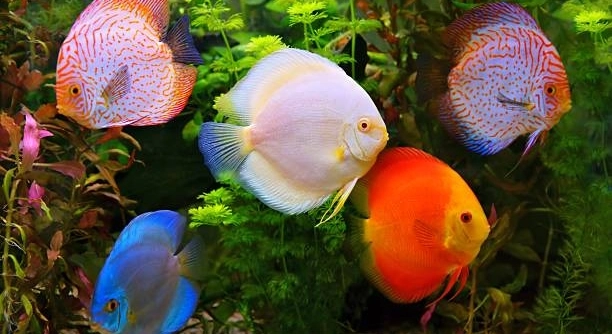
Is your discus staying in one spot, barely moving, and making you feel concerned about its health and comfort in the tank?
The most common reason your discus is refusing to move is stress caused by poor water quality, sudden environmental changes, or incompatible tankmates. These factors affect their behavior and can lead to serious health issues if left unchecked.
Understanding the possible causes behind this behavior can help you improve your discus’s environment and overall well-being. Let’s explore what might be going wrong and how to create a healthier space for your fish.
Common Reasons Your Discus Won’t Move
When a discus fish becomes still, it’s often reacting to stress or discomfort in its environment. The most common causes include sudden changes in water parameters, such as pH, temperature, or ammonia spikes. Discus are sensitive to shifts and may become inactive as a response. Poor tank conditions, loud noises, or even rearranged decor can disturb their sense of safety. Incompatible tankmates that nip or chase can also create anxiety, making the discus retreat and stay motionless. Disease or internal parasites may also be affecting their energy levels. These issues, although not always visible, can seriously impact behavior. A discus that feels unsafe or unwell will not swim actively, and this change is a clear sign something is off. Regular maintenance, quiet surroundings, and proper tank companions are all key in keeping them relaxed.
Look closely at their tank setup, recent changes, or signs of physical illness to identify what might be wrong.
Discus need consistency and calm surroundings. Fluctuating water levels or excessive tank activity may create stress that shows up as stillness or hiding. Watch their patterns, especially after water changes or feeding. Small disruptions, when repeated, can have a bigger impact over time.
What to Do When Your Discus Stays Still
Start by testing your water. Ammonia, nitrites, and pH levels should be stable and suitable for discus.
Make sure the water temperature is consistent, ideally between 82–86°F. Use a reliable heater and thermometer. Discus dislike sudden temperature drops, and even a few degrees can make them shut down. Clean the tank regularly to avoid harmful buildup. Watch for signs of disease like clamped fins, faded color, or white spots, which may point to ich or internal parasites. If unsure, isolate the fish in a separate tank and observe more closely. Avoid overcrowding, as discus do best with room to swim and a peaceful tank dynamic. Reevaluate tankmates and feeding habits—uneaten food can pollute the water. Also, reduce lighting intensity if they seem shy. A calm environment with gentle filtration helps them feel secure. Most issues can be managed with small, steady improvements. Responding early makes a difference in helping your discus feel safe and start swimming again.
Checking for Signs of Illness
Look for changes in appearance such as dull color, white spots, bloating, or frayed fins. These are common signs that your discus may be dealing with an infection or internal issue that needs attention right away.
If your discus is refusing to move and also showing physical symptoms, illness may be the cause. Watch for breathing patterns—rapid gill movement can suggest low oxygen or gill parasites. Loss of appetite is also a sign of stress or disease. External parasites like ich leave visible white dots, while internal ones may not be obvious. Feces that are long, white, or stringy are another warning sign. If you spot any of these issues, consider moving the fish to a quarantine tank and treating accordingly. Medications for bacterial, parasitic, or fungal infections should be used carefully. Be sure to follow all dosing instructions and maintain clean water conditions.
Sometimes discus fish become still due to swim bladder problems. This can cause them to float oddly or struggle to maintain position in the water. Constipation from overfeeding or poor diet can also lead to this issue. Offering a peeled, boiled pea can help clear the digestive system. It’s important to feed a balanced diet and avoid dry foods that expand in the stomach. If the fish remains motionless even after changes in diet and care, and no other illness signs are present, consult a vet with fish expertise. Early detection and careful monitoring often help your discus recover and return to normal activity more quickly.
Reducing Environmental Stress
Avoid sudden changes in tank conditions. Keep lighting soft, sound levels low, and avoid moving decorations too often. Discus feel safest in predictable environments with calm tankmates and enough hiding spots. These small adjustments make a big difference in reducing stress.
When discus are exposed to loud noises, frequent tank disturbances, or rough handling during water changes, they can become anxious. They prefer gentle movements and dim lighting. Limit activity around the tank and avoid tapping the glass. Use a timer to keep lighting consistent and provide dark spaces or plants for hiding. Keep tankmates peaceful—avoid fin nippers or fast swimmers that outcompete discus for food. Also, watch for temperature fluctuations caused by drafts or faulty heaters. Use high-quality equipment that maintains stable water conditions. If you must rearrange decor or perform deep cleans, do it gradually over several days to avoid overwhelming the fish. Calm, consistent surroundings help build their confidence and bring back normal swimming behavior.
Adjusting Feeding Habits
Overfeeding can lead to waste buildup and poor water quality, which affects your discus’s health. Offer small portions once or twice a day, and remove any uneaten food after a few minutes to prevent contamination.
Stick to high-quality foods designed for discus, including frozen or live options. Avoid cheap fillers or dry flakes that expand too much.
Observing Social Behavior
Discus are social but sensitive. If one fish is being bullied or excluded, it may stop moving to avoid conflict. Watch their interactions closely and ensure there’s enough space and hiding spots for all. In some cases, separating an aggressive fish may help restore balance and reduce stress for the group.
Knowing When to Get Help
If there’s no improvement after checking water, diet, and behavior, it’s best to consult an aquatic vet.
FAQ
Why is my discus hiding and not moving much?
Discus often hide and stay still when feeling stressed or threatened. This behavior can be caused by poor water quality, sudden changes in the environment, or aggressive tankmates. They may also hide if they are sick or recovering from an illness. Providing quiet, stable conditions with gentle lighting and enough hiding places helps them feel secure and encourages normal swimming.
How long can a discus stay still before it becomes dangerous?
If your discus remains inactive for more than a day or two, it could indicate a serious problem. Extended stillness may point to illness, stress, or poor water conditions. Early intervention is key to prevent worsening health. Regular observation and quick action help improve chances of recovery.
Can water temperature affect discus movement?
Yes, discus are very sensitive to water temperature. Ideal temperatures range from 82 to 86°F (28 to 30°C). If the water gets too cold, discus may become sluggish and stop moving. Sudden temperature drops can shock them and lead to illness. Using a reliable heater and maintaining stable temperature is essential.
Is it normal for discus to rest on the bottom of the tank?
Occasionally resting on the bottom can be normal, especially during sleep or rest. However, if a discus stays at the bottom for long periods and appears lethargic, it may be a sign of stress or illness. Observe for other symptoms like loss of appetite or color changes to decide if action is needed.
Could poor water quality cause my discus to refuse movement?
Absolutely. High ammonia, nitrites, or nitrates can poison discus and cause them to stop swimming. Dirty tanks with leftover food and waste also increase stress. Frequent water tests and regular water changes keep the environment safe and healthy.
What should I feed a discus that is not moving much?
Feed easily digestible foods like high-quality frozen or live foods, such as bloodworms or brine shrimp. Avoid dry flakes or pellets that may be hard to digest. Feeding small amounts ensures food is eaten quickly and reduces water pollution. If the discus refuses to eat, it could be a sign of illness requiring further care.
How can tankmates affect discus behavior?
Aggressive or overly active tankmates can stress discus, causing them to hide or stay still. Fin nippers or fast fish may intimidate them. Choose peaceful species that share similar water needs and swimming speeds. Avoid overcrowding and provide plenty of space and hiding spots to reduce tension.
What role does lighting play in discus activity?
Bright or flickering lights can cause stress in discus, making them less active. Soft, consistent lighting that mimics natural conditions helps them feel safe. Using floating plants or dimmers can reduce harsh light. Keeping a regular day-night cycle supports healthy behavior.
When should I consider using medication for a motionless discus?
If your discus shows physical signs of disease such as white spots, frayed fins, or unusual swelling along with inactivity, medication may be necessary. Always diagnose carefully before treatment. Quarantine sick fish to prevent spreading illness, and follow dosage instructions exactly to avoid harm.
Can stress from handling cause discus to stop moving?
Yes, frequent handling or rough netting during tank cleaning can stress discus and cause them to become still or hide. Minimize direct contact and be gentle when moving or inspecting your fish. Allow time for recovery after any handling to reduce stress effects.
How important is tank size for discus movement?
Discus need ample space to swim comfortably. Small or overcrowded tanks limit their movement and increase stress. A minimum of 50 gallons is recommended for a small group. Larger tanks provide better water quality and room to establish territories, promoting natural behavior and activity.
What environmental changes should be avoided to keep discus active?
Avoid sudden changes in water chemistry, temperature, lighting, or tank layout. These disruptions cause stress and may lead to stillness. Introduce any changes gradually over days, and keep a stable routine. Consistency is key for maintaining discus health and activity levels.
Can a discus recover from long periods of inactivity?
With proper care, many discus can recover from times of low activity if the underlying issues are fixed quickly. Improving water quality, diet, and reducing stress are essential. Recovery may take days or weeks, depending on severity, so patience and careful monitoring are important.
Are there signs to tell if inactivity is due to aging?
Older discus may naturally slow down but should still swim and eat regularly. If your discus is inactive but otherwise healthy looking, age could be a factor. However, sudden inactivity in older fish should be checked for illness or tank problems to rule out treatable causes.
How can I encourage a reluctant discus to swim more?
Keep the environment calm and stable with good water quality and gentle lighting. Provide a balanced diet and remove aggressive tankmates. Adding plants or decorations offers security and encourages exploration. Regular observation helps identify and address issues early.
This FAQ covers common concerns and practical steps to help your discus become more active and healthy. Taking time to understand their needs and behaviors goes a long way in creating a happy tank environment.
Discus fish are beautiful but sensitive creatures that need careful attention to thrive. When a discus refuses to move, it is usually a sign that something in its environment or health is not quite right. This behavior should never be ignored because it often points to stress, illness, or poor tank conditions. By paying close attention to their behavior and environment, you can often identify the cause early and make changes that help your discus return to normal activity. Consistency and care are key to maintaining their well-being.
Water quality is one of the most important factors affecting discus behavior. Keeping the tank clean and stable supports their health and comfort. Regular water testing, timely water changes, and proper filtration reduce harmful substances like ammonia and nitrates. Temperature should remain steady in the ideal range, and the tank should avoid sudden changes in lighting or decorations that might stress the fish. Additionally, choosing compatible tankmates and providing hiding spots can make your discus feel more secure and confident in their home.
If your discus remains still despite your best efforts, it is important to consider illness or internal problems. Signs like loss of color, unusual swimming patterns, or changes in appetite require attention. Sometimes professional help from a vet who specializes in fish is needed to diagnose and treat the issue properly. Feeding the right diet and avoiding overfeeding also play a role in keeping discus active and healthy. Remember, patient care and observation often lead to improvement. By understanding their needs and reacting quickly to changes, you give your discus the best chance for a healthy, active life.

Hello,
If you enjoy the content that we create, please consider saying a "Thank You!" by leaving a tip.
Every little bit helps us continue crafting quality advice that supports the health, happiness, and well-being of pets around the world, for pets of all shapes, sizes, and species.
We really appreciate the kindness and support that you show us!