
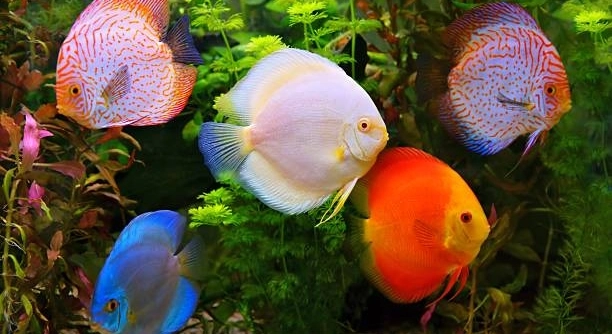
Many aquarium enthusiasts enjoy keeping discus fish for their beauty and elegance. Sometimes, despite good care, these fish do not grow as expected. Understanding the reasons behind slow growth can help improve their health.
Discus fish may not grow well due to factors such as inadequate diet, poor water quality, improper tank conditions, or stress. Each of these affects their metabolism and overall development, leading to slower or stunted growth.
Recognizing these issues early allows you to make changes that support your discus’s growth and well-being. This article will guide you through key points to consider for healthier, thriving discus fish.
Common Causes of Slow Discus Growth
Several factors can lead to slow growth in discus fish. One major reason is an inadequate diet. Discus need a balanced diet rich in proteins, vitamins, and minerals to develop properly. Feeding only flakes or low-quality food can stunt their growth. Another key factor is water quality. Poor water conditions with high ammonia, nitrites, or inconsistent temperature can stress discus and reduce their growth rate. Tank size also matters; overcrowded or too small tanks limit their space to swim and grow. Stress caused by aggressive tank mates or frequent changes in environment can weaken their immune system. Finally, lack of proper filtration and insufficient water changes reduce oxygen and increase harmful substances. All these factors together affect the fish’s ability to thrive and reach their full size.
Good water and diet management are essential to avoid these problems and encourage healthy growth.
Addressing these causes early helps prevent long-term issues and improves discus health significantly.
Importance of Proper Nutrition
Proper nutrition is critical for discus growth. They require a diet that includes high-protein foods such as bloodworms, brine shrimp, and specially formulated pellets. Variety is also important to provide essential nutrients and vitamins. Feeding small amounts multiple times a day encourages better digestion and steady growth. Avoid overfeeding, which pollutes the water and harms fish health. Fresh, live, or frozen foods often provide better nutrition than dry foods alone. A poor diet slows metabolism and weakens immune systems, making discus vulnerable to disease. Observing how your fish respond to different foods can help you adjust their diet for best results.
Balanced nutrition supports stronger bones, vibrant colors, and faster development.
With careful feeding, discus fish can reach their growth potential and stay healthier longer.
Water Quality and Temperature
Maintaining clean water is vital for discus growth. Poor water conditions cause stress and slow development.
Regular water changes keep ammonia, nitrites, and nitrates low. Using a good filter helps remove waste and toxins. The ideal temperature for discus is between 82°F and 86°F. Temperatures outside this range can affect their metabolism and growth. Sudden temperature changes cause stress, which weakens their immune system. Testing water parameters often ensures a stable environment. Avoid overcrowding, as it increases waste and reduces oxygen levels, harming growth. Clear, stable water conditions support healthier, faster-growing discus.
Consistency in water quality and temperature creates a safe space for discus to thrive.
Adjusting these factors carefully improves overall fish health and encourages natural growth patterns.
Tank Size and Environment
Discus need enough space to swim freely and grow well. Small tanks limit movement and stunt their growth. A minimum of 50 gallons is recommended for a small group of discus. Larger tanks reduce stress and improve water quality by diluting waste. Proper tank setup includes hiding spots and plants, which make discus feel secure. Stress from cramped conditions affects appetite and slows development. Regular tank maintenance ensures a stable environment, preventing growth issues. Choosing compatible tank mates also matters; aggressive fish cause stress and reduce growth rates. A well-planned tank environment supports healthy discus behavior and development.
Stress and Its Effects on Growth
Stress lowers discus fish’s ability to grow properly. It can come from sudden changes, poor water, or tank mates.
Keeping a calm environment with stable conditions helps reduce stress. Less stress means better health and growth for your discus.
Importance of Regular Monitoring
Monitoring water parameters and fish behavior is crucial. Regular checks catch problems early, preventing growth delays. Watching feeding habits and appearance helps identify stress or illness. Consistent care ensures discus stay healthy and grow as expected.
Avoiding Overcrowding
Too many fish in one tank increase competition for food and space. Overcrowding leads to poor water quality and more stress, all affecting growth negatively.
Disease and Growth Impact
Illness weakens discus and slows development. Early detection and treatment are key to maintaining good growth.
FAQ
Why is my discus not growing despite good water quality?
Good water quality is essential, but it is not the only factor. If discus are not growing, their diet might be lacking key nutrients. Also, stress from tank mates or overcrowding can prevent growth. Make sure the tank is big enough, feeding is balanced, and the environment is calm.
How often should I feed my discus to promote growth?
Feeding small amounts two to three times daily works best. This encourages better digestion and reduces waste buildup in the tank. Overfeeding causes poor water quality, which harms growth. Variety in food, including frozen or live options, supports better nutrition and healthy development.
Can temperature changes affect discus growth?
Yes, discus are sensitive to temperature fluctuations. The ideal range is between 82°F and 86°F. Temperatures outside this range can slow metabolism and cause stress, which impacts growth negatively. Use a reliable heater and thermometer to maintain stable temperatures.
Is tank size really important for discus growth?
Tank size plays a big role. Discus need plenty of space to swim and grow. A tank smaller than 50 gallons for a group causes stress and limits growth. Larger tanks help maintain water quality and reduce aggressive behavior, both of which promote healthy development.
What are common signs of stress in discus fish?
Signs include hiding often, loss of appetite, faded colors, and erratic swimming. Stress lowers immune response and slows growth. Identifying stress early allows you to fix water quality, tank mates, or environmental problems to help discus recover and grow.
How do I improve the nutrition of my discus?
Feed a mix of high-protein foods like bloodworms, brine shrimp, and pellets made for discus. Include vitamins by adding fresh or frozen foods occasionally. Avoid relying on flakes only. Balanced nutrition supports muscle development, bright colors, and overall health.
Can diseases affect discus growth?
Diseases weaken discus and slow their development. Common problems include parasites, bacterial infections, and fungal diseases. Early detection and treatment are essential to prevent long-term damage. Keep the tank clean and quarantine new fish to reduce risks.
How important are water changes for discus growth?
Regular water changes remove toxins and replenish oxygen, which is critical for discus health and growth. Changing 25-30% of water weekly keeps ammonia and nitrites low. Neglecting water changes leads to poor water quality, causing stress and stunted growth.
What tank mates are suitable for discus?
Peaceful, slow-moving fish that tolerate warm water are best. Avoid aggressive or fast swimmers that stress discus. Good choices include certain tetras, corydoras catfish, and dwarf cichlids. The right tank mates reduce stress and allow discus to grow comfortably.
How long does it usually take for discus to grow?
Growth rates vary, but healthy discus typically show noticeable size increases within a few months with proper care. Full adult size may take up to 1-2 years. Patience and consistent care are key to seeing steady progress.
Discus fish are beautiful and rewarding to keep, but they can be a bit tricky when it comes to growing well. Many factors affect their growth, including diet, water quality, tank size, and stress levels. Understanding these basics can help make sure your discus reach their full potential. Sometimes small changes, like improving their food or checking the water temperature, make a big difference. It’s important to pay attention to how your fish behave and grow over time to catch any problems early. Keeping discus healthy requires patience and careful care.
Feeding discus the right foods regularly is one of the most important things you can do. They need a diet rich in proteins and nutrients to grow strong. Simply giving them flakes may not be enough. Adding live or frozen foods like bloodworms or brine shrimp can help. Also, feeding them smaller amounts several times a day supports better digestion and steady growth. Good nutrition supports vibrant colors and a healthy immune system, which helps discus fight off illnesses. Watching how your discus react to different foods can guide you in choosing the best diet for them.
Besides diet, the tank environment plays a big role in discus growth. They need clean, warm water with stable conditions. Regular water changes and proper filtration keep the water safe and comfortable for them. Tank size matters too—discus need room to swim and avoid stress from overcrowding. Stress can slow growth and lead to health problems. Choosing calm tank mates and creating hiding spots can make your discus feel secure. Paying attention to these details creates the best chance for your fish to grow well and live happily in your aquarium.

Hello,
If you enjoy the content that we create, please consider saying a "Thank You!" by leaving a tip.
Every little bit helps us continue crafting quality advice that supports the health, happiness, and well-being of pets around the world, for pets of all shapes, sizes, and species.
We really appreciate the kindness and support that you show us!