
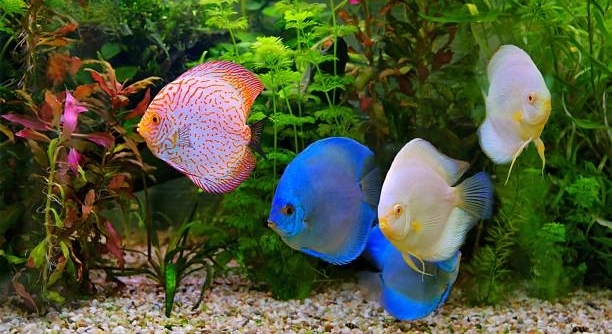
Is your discus fish spending more time at the bottom of the tank than swimming around like usual? This behavior might feel worrying, especially if you’re not sure what’s causing it or how to help.
The most common reason a discus hovers at the bottom is due to stress or illness. Environmental factors such as poor water quality, incorrect temperature, or bullying from other fish can also contribute to this behavior.
Many owners overlook subtle changes in tank conditions, but these small shifts can greatly impact your discus’s well-being and activity level.
Common Reasons Your Discus Is Staying at the Bottom
Discus fish are sensitive to their environment, and even slight changes can make them act differently. One common reason for staying near the bottom is stress from water issues like low oxygen levels, incorrect pH, or poor temperature control. Discus need stable, clean water to feel safe and active. Another reason could be bullying from tank mates. If they are being chased or nipped at, they may retreat to the bottom for safety. Illness is also something to consider. Look for signs like clamped fins, lack of appetite, or rapid breathing. These could point to internal parasites or infections. Lastly, overcrowding or sudden changes to the tank setup might make them feel insecure, causing them to hover low and stay still. Regular tank maintenance, water checks, and gentle tank dynamics can help your discus stay healthy and active. Small details often make a big difference in their behavior.
It’s important to keep track of any new decorations, water treatments, or changes in tank mates, as these can quickly affect your discus.
If your discus was once active and has suddenly changed, it’s worth checking all equipment. Sometimes a failing heater or filter can lead to stress. Even noise or vibrations can influence how comfortable they feel in the tank.
What You Can Do to Help
Start by testing your water parameters. Make sure the temperature stays between 82°F and 86°F, and that the pH is slightly acidic, around 6.0 to 7.0.
Adjusting the tank to suit discus needs can help improve their behavior. Begin by doing a partial water change if anything looks off. Clean the substrate and check that ammonia, nitrite, and nitrate levels are within safe ranges. If your heater or filter isn’t working right, replace or repair it. Check for aggressive tank mates and consider using a divider or moving the discus to a quieter space. Watch closely for signs of illness like white feces, bloating, or visible spots, and consult a vet if needed. Keep the lights gentle, avoid sudden tank changes, and give them a calm environment. Consistency is key. Once they feel safe and conditions improve, you’ll likely notice them swimming around more and eating again. It might take a few days, but steady care can make a big difference.
Feeding and Diet Issues
Feeding problems can make your discus feel weak or unwell, causing them to stay at the bottom of the tank. Uneaten food, poor nutrition, or irregular feeding times can all add to their stress.
Discus fish need a varied and high-quality diet to stay active and healthy. Relying only on flakes or pellets may not give them the nutrition they need. Try mixing in frozen or live foods like bloodworms, brine shrimp, or beef heart. Feed them small portions two to three times a day and remove any uneaten food within a few minutes to keep the water clean. Overfeeding can cause bloating, constipation, or foul water, all of which make them sluggish. Underfeeding can also weaken them. Look for signs like a sunken belly, lack of energy, or refusal to eat—these all mean a change in feeding habits may be needed.
If your discus is eating but still staying at the bottom, it’s possible the food quality or type isn’t right. Some foods may be too hard to digest or lacking in essential nutrients. Make sure their food is soft, fresh, and easy to consume. Soaking dry pellets before feeding can help with digestion. Keep track of how much they eat and how often. If they stop eating or spit out food, take action quickly. Poor appetite is often the first sign of stress or illness. If unsure, try rotating different high-quality foods to see if they respond better. Their behavior around feeding time can tell you a lot about their overall health.
Water Quality and Tank Conditions
Unstable tank conditions are one of the biggest reasons discus fish stay low and act differently. Even minor changes in water quality can make them uncomfortable and withdrawn.
Keep ammonia and nitrite levels at zero, and nitrate under 20 ppm. Test your water weekly using a reliable kit. Sudden drops or rises in temperature can also lead to stress, so use a heater with a built-in thermostat for accuracy. Avoid placing the tank in direct sunlight or near drafts, as both can cause temperature swings. Change 25–30% of the water weekly, or more often if the tank is heavily stocked. Don’t overcrowd the tank—discus like space and calm surroundings. Use a soft sponge filter to keep the flow gentle, as strong currents can stress them out. Clean the tank carefully, avoiding harsh chemicals or sudden movements that might startle them. These steps help them feel safe and stay active.
Signs of Illness to Watch For
Clamped fins, pale coloring, or white, stringy poop can be early signs of illness. These symptoms often show before your discus stops eating or starts isolating at the bottom of the tank.
Look for labored breathing or flicking against surfaces, which may mean parasites or irritation. Quick treatment helps prevent bigger problems.
When to Separate the Discus
If your discus shows signs of illness or is being bullied, it’s best to move it to a separate tank. Use a hospital tank with clean, warm water and minimal stress. Observe its behavior closely and treat with the right medication if needed. Keep the tank quiet and dim to reduce stress.
Final Checks Before Taking Action
Check all equipment for proper function. A faulty heater, low oxygen level, or dirty filter can all make your discus uncomfortable. Sometimes fixing these is all it takes to get things back to normal.
FAQ
Why is my discus lying on its side at the bottom of the tank?
When a discus lies on its side, it’s usually a sign of serious stress or illness. This could be caused by poor water conditions, internal parasites, or a swim bladder issue. Sometimes, discus will rest briefly after a water change, but if it continues, something is wrong. Check the water parameters first. If everything is stable, observe for signs of bloating or trouble swimming upright. Treating with a general internal parasite medication may help if symptoms match. Always isolate the fish if you suspect illness, so it doesn’t affect the others in the tank.
Can discus fish sleep at the bottom of the tank?
Yes, discus sometimes rest near the bottom during the night or early morning. It’s normal if they are upright, breathing steadily, and respond to movement or lights. However, if they stay there for too long, show no interest in food, or seem sluggish during the day, it could mean something more serious. Keep track of when and how long the behavior happens. If they perk up again after the lights come on or when you approach, it’s likely they were just resting. If not, take action to check tank conditions or look for signs of distress.
How long should I wait before worrying?
If your discus stays at the bottom for more than a few hours without eating or moving much, start checking things. Begin with the water temperature, pH, ammonia, nitrites, and nitrates. Look for any changes in behavior, appetite, or body appearance. A short rest isn’t unusual, but if the discus is inactive the next day, you should investigate further. The sooner you catch an issue, the easier it is to fix. Waiting too long can make treatment harder and recovery slower. Pay close attention to their behavior and act quickly when something feels off.
What does rapid breathing mean in discus fish?
Rapid breathing is usually a sign of stress or low oxygen levels. It can also happen when the tank is too warm or if there are toxins in the water. If only one fish is breathing fast, it may be sick. If all fish are doing it, the oxygen might be too low. Try increasing surface agitation with an air stone or lowering the temperature slightly. Always test the water right away, especially for ammonia and nitrites, as these can damage the gills and make it hard for fish to breathe.
Can a discus recover after staying at the bottom?
Yes, discus can bounce back once the problem is fixed. Whether it’s water quality, illness, or stress, they often return to normal activity after proper care. Recovery depends on how long they’ve been down and what caused it. Improve the tank conditions, feed high-quality food, and watch them closely. Be patient—it can take a few days. Avoid making too many changes at once. If they start swimming more, eating, and reacting to their surroundings again, that’s a good sign they’re improving. Gentle care and a clean, calm tank environment can make a big difference.
Is it normal for a new discus to stay at the bottom?
Yes, new discus may stay low when they are first introduced to a tank. They are shy and need time to adjust to the new surroundings. Give them a few days in a quiet, dimly lit tank with hiding spots. Don’t try to feed too much at first. Offer small portions of food, and remove any leftovers. If they are still at the bottom after a few days and not eating, test the water and make sure tank mates aren’t being aggressive. Slowly, they will feel more secure and start swimming around more confidently.
Should I treat my whole tank if one discus is sick?
Not always. It’s better to move the sick discus to a hospital tank, especially if it shows clear signs of illness. This keeps the other fish safe and allows you to treat only the affected one. However, if multiple fish show symptoms, it might be safer to treat the entire tank. Before using medication, double-check the water conditions, as poor water quality is often the real cause. Always follow the dosage instructions carefully, and remove any carbon from filters before treating, since carbon can remove medicine from the water.
Can poor diet make my discus act strange?
Yes, a low-quality or unbalanced diet can lead to health issues. Discus need protein-rich foods and a mix of nutrients. If they don’t get what they need, they might become weak, lose color, or act sluggish. Feed them a variety of foods like frozen bloodworms, beef heart, and quality pellets. Avoid overfeeding or feeding the same thing every day. Watch how they react during feeding. If they stop eating or spit out food often, try offering something different. A strong appetite and healthy digestion are key signs of a well-fed discus.
Final Thoughts
Keeping discus fish healthy takes patience and attention to detail. They are sensitive to changes in their environment, so even small shifts in water quality, temperature, or tank setup can affect their behavior. When a discus starts hovering at the bottom of the tank, it’s often a sign that something isn’t right. It might be stress, illness, poor water conditions, or even something as simple as a new tank decoration that made them uncomfortable. The key is to watch them closely and act calmly and quickly. Often, making small adjustments can help bring your discus back to normal behavior.
It’s important to check everything slowly and not rush. Look at the water temperature, pH, ammonia levels, and other water parameters. Make sure your equipment is working properly, including your heater, filter, and air pump. Also, think about their feeding habits. Are they eating normally? Are you offering a balanced diet? Sometimes, the problem is as simple as a food they don’t like or a feeding routine that needs improvement. Always watch for signs like clamped fins, pale color, or rapid breathing. These signs can help you understand what might be going on. If you’re unsure, it’s okay to ask for help or consult a vet who knows about fish.
Staying consistent with care will make a big difference over time. Clean the tank regularly, keep the water stable, and avoid sudden changes. Give your discus a calm, peaceful environment with enough space and hiding spots. Avoid overcrowding and make sure their tank mates aren’t too aggressive. These simple habits can help your discus stay active and feel safe. If they ever start acting differently, like hovering at the bottom, you’ll know what to look for and how to respond. It can be worrying at first, but with steady care and attention, most problems can be fixed. Discus are beautiful and rewarding fish to keep, and learning to understand their behavior is part of what makes caring for them special.

Hello,
If you enjoy the content that we create, please consider saying a "Thank You!" by leaving a tip.
Every little bit helps us continue crafting quality advice that supports the health, happiness, and well-being of pets around the world, for pets of all shapes, sizes, and species.
We really appreciate the kindness and support that you show us!