
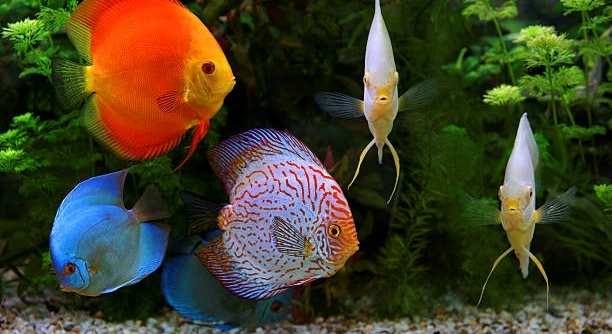
Discus fish are known for their vibrant colors and graceful movements. When they start hiding frequently, it can concern many fish keepers. Understanding the reasons behind this behavior helps in providing better care for these sensitive aquatic pets.
Discus fish often hide due to stress, poor water quality, inadequate tank conditions, illness, or territorial disputes. These factors impact their well-being and cause them to seek shelter for comfort and safety. Addressing these root causes improves their health and behavior.
Identifying the specific reasons for hiding will help improve your discus fish’s environment and overall well-being in the long term. The following information explains the common causes and what can be done about them.
Stress and Its Impact on Discus Fish
Discus fish are sensitive to changes in their environment, and stress is a common reason for hiding behavior. Stress can come from sudden changes in water temperature, poor water quality, or loud noises around the tank. Even overcrowding or aggressive tank mates can make discus fish feel threatened. When stressed, they often retreat to hiding spots to feel safe. Prolonged stress can weaken their immune system, making them more vulnerable to diseases. Observing the tank carefully can help identify stress factors. Keeping the environment stable and peaceful encourages discus fish to come out more often and display their natural colors and behavior. Stress management is crucial for their health and longevity. Simple steps such as maintaining water parameters and avoiding sudden changes can make a significant difference in their comfort and activity level.
Stress causes discus fish to seek shelter and avoid open areas until conditions improve.
Addressing stress involves maintaining stable water conditions, reducing noise, and providing enough space. It’s also important to avoid sudden changes in the tank and ensure compatible tank mates. Adding plants and decorations can create natural hiding spots that help fish feel secure. Monitoring the fish daily will help catch stress signs early, allowing timely adjustments. This approach fosters a healthier, more comfortable environment for discus fish, encouraging them to swim freely and exhibit normal behavior. Consistency and care in the aquarium setup play vital roles in reducing stress and promoting overall well-being.
Poor Water Quality
Poor water quality is one of the most common reasons discus fish hide. They require clean, well-filtered water with stable parameters. High levels of ammonia, nitrites, or nitrates can irritate the fish and cause discomfort. Sudden changes in pH or hardness also stress the fish. Keeping the water clean with regular changes and testing helps prevent these issues. Discus fish are more sensitive than many other species, so even slight water quality problems can lead to hiding or lethargy. Ensuring the tank has proper filtration and avoiding overfeeding will also keep water conditions optimal.
Illness and Disease
Illness often causes discus fish to hide as they try to conserve energy and avoid threats. Signs of illness include clamped fins, loss of color, or abnormal swimming. Bacterial, fungal, and parasitic infections are common among discus fish, especially if the tank conditions are poor or the fish have been stressed. Quarantining new fish before adding them to the main tank helps reduce the risk of disease. Treatment depends on the specific illness, but early intervention is key to recovery. Keeping the tank clean and monitoring fish closely prevents many common health issues.
When fish show signs of illness, isolation and proper treatment are necessary to avoid spreading disease. Monitoring water quality and maintaining a stress-free environment supports healing. Sick discus fish benefit from a quiet, stable habitat with regular water changes. If unsure about the illness, consulting a professional or experienced keeper is advised. Prompt action helps prevent long-term damage and encourages recovery. Proper care reduces hiding behavior caused by health problems.
Territorial Behavior
Discus fish sometimes hide due to territorial disputes within the tank. They establish territories and may feel threatened by other fish invading their space. This behavior increases during breeding or when the tank is overcrowded. Providing enough space and hiding spots helps reduce aggression. Avoiding incompatible tank mates also minimizes stress. Observing interactions allows better management of territorial issues.
Territorial disputes lead discus fish to seek shelter to avoid confrontations.
Creating separate zones with plants or decorations reduces conflict. Overstocking increases stress and hiding, so maintaining an appropriate number of fish is essential. Rearranging the tank layout occasionally breaks established territories, calming aggressive behavior. Understanding these social dynamics supports a more peaceful aquarium where discus fish feel secure enough to explore without hiding.
Inadequate Tank Setup
Discus fish need a spacious, well-maintained tank to feel secure. A cramped or poorly arranged tank encourages hiding.
A tank that is too small limits swimming space and increases stress. Lack of hiding spots or too much open space can also make discus fish feel exposed. Proper tank size and layout create a comfortable environment. Plants, driftwood, and decorations provide shelter and reduce stress. These elements mimic their natural habitat and encourage natural behavior. Consistent maintenance of the tank setup supports a healthy, active fish population.
Water temperature and lighting also affect comfort. Discus prefer stable, warm water between 82°F and 86°F. Bright lighting may cause them to hide, so dim or adjustable lighting can help. Ensuring the tank has proper aeration and a soft substrate supports their well-being. Regularly checking and adjusting the setup is necessary to maintain a stable environment that discourages hiding and promotes natural activity.
Lack of Proper Nutrition
Poor diet affects discus health and behavior. Without balanced nutrition, discus fish can become weak and hide more often.
Discus fish require a varied diet rich in protein and nutrients. Relying on only flakes or pellets can cause deficiencies. Incorporating frozen or live foods like bloodworms, brine shrimp, and daphnia improves health and color. Feeding smaller portions multiple times daily matches their natural eating habits. Proper nutrition boosts immune function and energy, reducing hiding caused by weakness or illness.
A consistent feeding schedule and high-quality food are key. Avoid overfeeding, which pollutes the water and stresses fish. Monitoring eating habits helps detect health issues early. Balanced nutrition promotes vibrant, active discus fish that are less likely to hide and more likely to interact with their environment and tank mates.
New Tank Syndrome
New tanks often have unstable water parameters that stress discus fish. This causes them to hide more than usual.
Uncycled tanks can have harmful ammonia and nitrite spikes. These chemicals irritate fish and affect their health. Waiting for the tank to cycle fully before adding discus is important. Regular testing ensures water remains safe and stable.
Incompatible Tank Mates
Discus fish can be stressed by aggressive or overly active tank mates. This leads to hiding and reduced activity.
Choosing peaceful species that share similar water needs helps maintain harmony. Avoid fin-nippers and overly boisterous fish. Careful selection and monitoring of tank mates prevent stress-related hiding behavior.
Poor Lighting Conditions
Harsh or bright lighting can make discus fish feel exposed, causing them to seek shelter and hide.
Adjusting light intensity or providing shaded areas helps discus feel safer. Natural lighting cycles support their comfort and reduce stress.
FAQ
Why does my discus fish hide all the time?
Discus fish hide mainly due to stress or discomfort. This can result from poor water quality, inappropriate tank conditions, illness, or aggressive tank mates. Hiding is a natural response to feeling unsafe. Addressing environmental factors and maintaining good care routines often reduces this behavior.
How can I tell if my discus fish is sick or just shy?
Sick discus fish show additional signs like clamped fins, loss of color, labored breathing, or loss of appetite. Shy but healthy fish still swim actively and eat normally. Observing behavior over time helps differentiate between illness and normal hiding tendencies.
What water parameters are ideal for discus fish?
Discus fish thrive in warm, soft, slightly acidic water. Ideal temperature ranges from 82°F to 86°F, pH between 6.0 and 7.0, and low hardness levels. Stable water quality with minimal fluctuations is essential for their health and comfort.
How often should I perform water changes for discus tanks?
Frequent water changes are crucial. Weekly changes of 25-50% help maintain clean, stable water. Discus fish are sensitive to buildup of toxins, so regular partial changes reduce stress and improve their willingness to swim openly.
Can poor diet cause my discus to hide?
Yes, a poor diet weakens discus fish and makes them less active. Providing a balanced diet with protein-rich foods like bloodworms, brine shrimp, and quality pellets supports their health and reduces hiding caused by weakness.
Are certain tank mates better for discus fish?
Peaceful, slow-moving species that prefer similar water conditions work best. Avoid aggressive or fin-nipping fish, which stress discus. Corydoras catfish, tetras, and some dwarf cichlids are often good companions.
How does tank size affect discus behavior?
Small or overcrowded tanks cause stress and hiding. Discus fish need at least 50 gallons for a small group, with enough space to swim and establish territories. Larger tanks reduce territorial disputes and provide better water stability.
What lighting conditions are best for discus tanks?
Moderate, diffused lighting works best. Bright lights can cause hiding, while dim lighting or shaded areas make discus feel secure. Using plants or decorations to create shaded zones helps balance light exposure.
How long does it take for discus fish to stop hiding in a new tank?
It varies but generally takes 1-2 weeks for discus to acclimate and feel comfortable enough to swim openly. Stable water conditions and a stress-free environment speed this process.
What should I do if my discus fish continues hiding despite good care?
Check for hidden stressors like tank mates, water quality, or illness. Consulting an experienced fish keeper or veterinarian can help identify less obvious issues. Patience and careful observation are important. Sometimes fish take time to adjust or recover.
Final Thoughts
Discus fish hiding is a common behavior often linked to their comfort and well-being. Understanding the reasons behind this behavior is important for proper care. Many factors can cause hiding, including water quality, tank setup, diet, and tank mates. Addressing these elements improves the fish’s environment and reduces stress. A well-maintained tank with stable water parameters creates a safer space where discus can display natural behavior instead of hiding.
Maintaining proper water temperature, pH, and cleanliness is essential. Discus fish are sensitive to sudden changes and poor water conditions, which can lead to hiding and health problems. Regular water testing and partial water changes help keep the environment stable. Providing a suitable tank size with hiding spots such as plants and decorations supports their need for shelter. Balancing light intensity also plays a role in making discus feel secure, as too much brightness can increase stress.
Diet and social environment influence discus behavior as well. Feeding a balanced diet with varied foods ensures discus stay healthy and active. Poor nutrition weakens them, making hiding more likely. Choosing compatible tank mates is important to reduce aggression and competition. Observing discus fish regularly can help identify signs of stress or illness early. With patience and consistent care, discus fish will feel more comfortable, spending less time hiding and more time swimming openly.

Hello,
If you enjoy the content that we create, please consider saying a "Thank You!" by leaving a tip.
Every little bit helps us continue crafting quality advice that supports the health, happiness, and well-being of pets around the world, for pets of all shapes, sizes, and species.
We really appreciate the kindness and support that you show us!