
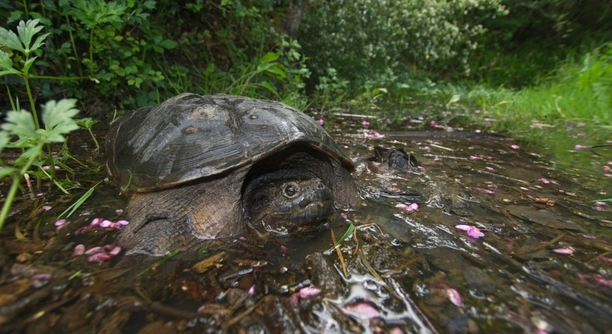
If you’ve noticed your common snapping turtle’s skin peeling, you might be wondering what could be causing this change. Skin shedding in turtles can happen for various reasons and is often linked to their overall health and care.
Skin peeling in turtles can be a natural part of their growth and shedding process. However, excessive or irregular peeling may indicate underlying issues such as dehydration, poor diet, or improper tank conditions. Regular health monitoring is essential.
Understanding these factors will help ensure your snapping turtle stays healthy and comfortable in its environment. Keep reading to learn more about the causes and solutions.
Common Causes of Skin Peeling in Snapping Turtles
There are several reasons why your snapping turtle’s skin might be peeling. One of the most common causes is the natural process of shedding, which allows turtles to grow. In healthy turtles, skin shedding happens regularly, especially after they molt. It could also be related to their environmental conditions, such as water temperature or humidity levels, which affect their skin’s health. Dry or dirty water may irritate their skin, causing it to peel more than usual. Stress, from changes in habitat or diet, can also contribute to this issue.
Poor water quality is another frequent cause of skin problems in turtles. When the water becomes contaminated with harmful bacteria or ammonia, it can lead to irritation or infection, leading to peeling skin. Keeping the water clean is crucial to maintaining a healthy habitat for your turtle.
In some cases, skin shedding may be a sign of a nutritional deficiency. Turtles require a balanced diet with proper vitamins and minerals to maintain healthy skin. Without these, the skin can become dry and flaky, making it more likely to peel.
How to Maintain a Healthy Environment
It’s important to provide a stable and clean environment for your snapping turtle. Regular water changes and filtration are key in preventing irritation from bacteria or waste.
Ensure your turtle’s tank has proper lighting and temperature control to avoid skin damage. If the water quality and lighting are optimal, the risk of skin peeling reduces.
Nutritional Deficiencies
A poor diet is one of the main reasons for peeling skin in snapping turtles. They require a diet rich in calcium, protein, and vitamins to maintain healthy skin and shell. If they are not getting enough nutrients, it can show up as skin issues.
A lack of calcium can cause the skin to become dry and flaky, while insufficient vitamin A may affect their ability to shed skin properly. It’s essential to feed them a varied diet with high-quality turtle pellets, leafy greens, and occasional protein like insects or fish.
Offering your snapping turtle a balanced diet not only supports healthy skin but also promotes strong bones and a shiny shell. Regularly adding vitamin supplements or changing their food can make a significant difference in the overall health of your turtle.
Dehydration and Overheating
Dehydration is another factor that can lead to skin peeling in turtles. Snapping turtles need access to fresh water at all times, as dehydration can cause their skin to dry out and peel.
Along with dehydration, excessive heat can also have the same effect. If your turtle is exposed to high temperatures for too long without access to cooler areas or fresh water, the skin may begin to peel. Keeping their habitat at a stable temperature is essential for maintaining their health.
Skin Infections
Skin infections can occur if your snapping turtle’s habitat is not properly maintained. Bacterial or fungal infections can cause skin peeling, often with other symptoms like swelling or redness. These infections are usually a result of dirty water or poor tank conditions.
If you notice any changes in your turtle’s skin, such as sores or unusual peeling, it’s important to consult a vet. Infections can spread quickly and cause more severe health issues if not treated. Keeping the water clean and regularly disinfecting the tank can help prevent infections.
Regular Health Checks
Regular health checks are essential to ensure your turtle’s skin stays healthy. Monitoring their skin condition allows you to spot any potential issues early. Keep an eye on changes in their skin and behavior.
If the peeling persists, a vet visit may be necessary for diagnosis and treatment.
FAQ
Why is my snapping turtle’s skin peeling?
Peeling skin in snapping turtles can be a natural part of their shedding process, especially as they grow. However, excessive or irregular peeling could indicate underlying health issues such as dehydration, poor diet, or improper tank conditions. If the skin is peeling excessively or accompanied by other symptoms like swelling or infection, it may be a sign of stress or health problems.
Is it normal for snapping turtles to shed their skin?
Yes, it’s normal for snapping turtles to shed their skin as part of their growth process. Like many reptiles, turtles shed their outer layer of skin regularly. Healthy turtles shed skin in patches, usually without causing any issues. If shedding seems excessive, you may need to assess their diet and tank conditions.
How can I prevent my snapping turtle’s skin from peeling too much?
To prevent excessive skin peeling, ensure that your turtle has a clean, well-maintained environment. Regular water changes, proper filtration, and maintaining appropriate temperature and humidity levels will reduce the risk of skin problems. A well-balanced diet that includes adequate calcium and vitamin A is also important for healthy skin.
What is the best diet for a snapping turtle?
A snapping turtle’s diet should consist of a mix of high-quality turtle pellets, leafy greens, and occasional protein, such as fish or insects. Offering a varied diet ensures that your turtle receives the right nutrients, such as calcium and vitamins, which help support healthy skin and shell.
Can I give my snapping turtle vitamin supplements?
Yes, vitamin supplements can help address nutritional deficiencies. Vitamin A is particularly important for skin health and shedding. Be sure to consult a vet for recommendations on the best supplements and dosage for your turtle, as over-supplementing can cause harm.
How often should I clean my snapping turtle’s tank?
Regular tank cleaning is crucial for your turtle’s health. Aim to clean the tank and change the water at least once a week, depending on the tank size and the number of turtles. A well-maintained tank reduces the risk of infections and keeps your turtle’s environment healthy.
What are the signs of a skin infection in snapping turtles?
Signs of a skin infection in snapping turtles include swelling, redness, sores, or an unusual change in skin texture. If the peeling is accompanied by any of these symptoms, it’s important to consult a vet for a proper diagnosis and treatment.
Can poor water quality cause skin peeling in turtles?
Yes, poor water quality can cause skin peeling. Dirty or contaminated water, with high levels of ammonia or bacteria, can irritate your turtle’s skin. This can lead to peeling or even infections. Ensure your turtle’s tank is regularly filtered and the water is changed frequently to maintain good water quality.
What is the ideal temperature for a snapping turtle’s tank?
The ideal temperature for a snapping turtle’s tank is between 75°F and 80°F (24°C – 27°C) during the day. At night, the temperature should be slightly cooler, around 70°F to 75°F (21°C – 24°C). Maintaining proper temperature helps regulate your turtle’s overall health and skin condition.
How can I tell if my snapping turtle is dehydrated?
Dehydration in snapping turtles can cause dry, flaky skin. You may also notice that your turtle is less active or not eating as much. Providing access to clean water at all times and ensuring your turtle has a proper basking area will help prevent dehydration.
How long does it take for a snapping turtle to shed its skin?
Skin shedding in snapping turtles can take several days to a week, depending on the turtle’s age and overall health. If the shedding is happening in small patches and the skin underneath looks healthy, there is usually no cause for concern.
Can stress cause my turtle’s skin to peel?
Yes, stress can lead to skin peeling in turtles. Stress factors can include changes in their environment, handling, or poor tank conditions. If your turtle seems stressed, try to identify the source and make the necessary adjustments to reduce the stress and promote healing.
What should I do if my snapping turtle’s skin is peeling excessively?
If your snapping turtle’s skin is peeling excessively, first check its environment and diet. Ensure the tank is clean, and the water is at the correct temperature. If the peeling continues or worsens, it may be time to consult a vet for further evaluation and treatment.
Can I bathe my snapping turtle if its skin is peeling?
You can gently bathe your snapping turtle in shallow, lukewarm water to help remove dead skin. Avoid scrubbing or using soap, as this can irritate the skin further. If your turtle’s skin continues to peel excessively, consult a vet for advice.
Is there any medication to help with skin peeling in turtles?
There is no specific over-the-counter medication for skin peeling in turtles. Treatment depends on the underlying cause, whether it’s dehydration, infection, or nutritional deficiency. A vet may recommend specific treatments, such as antibiotics or dietary changes, to address the issue.
Final Thoughts
Understanding the reasons behind your snapping turtle’s skin peeling is essential for ensuring its health and well-being. While some skin shedding is normal, excessive peeling can be a sign of underlying issues such as dehydration, poor diet, or poor tank conditions. Addressing these factors early can help prevent further complications and improve the overall health of your turtle.
Proper care involves maintaining a clean environment, providing a balanced diet, and ensuring your turtle has access to fresh water at all times. Regular tank cleaning, monitoring water quality, and keeping temperatures stable are simple yet crucial steps in preventing skin issues. Additionally, offering a variety of foods with essential nutrients, like calcium and vitamin A, will support your turtle’s skin and shell health.
If the skin peeling persists or worsens, it’s always best to consult a vet. A professional can assess your turtle’s condition and provide advice or treatment if needed. Regular health checks and monitoring your turtle’s behavior will help you spot any signs of trouble early. Taking these steps will ensure that your snapping turtle remains healthy and comfortable in its habitat.

Hello,
If you enjoy the content that we create, please consider saying a "Thank You!" by leaving a tip.
Every little bit helps us continue crafting quality advice that supports the health, happiness, and well-being of pets around the world, for pets of all shapes, sizes, and species.
We really appreciate the kindness and support that you show us!