
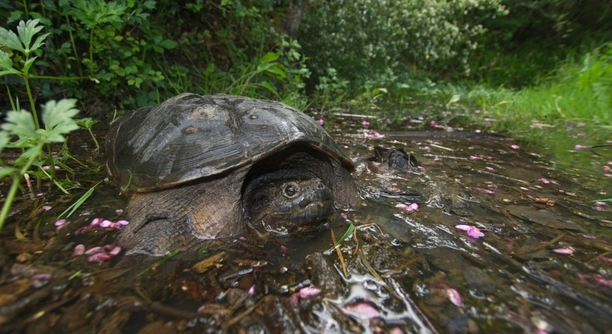
If your common snapping turtle isn’t eating, it can be concerning. This behavior can be frustrating, especially when you’re trying to care for your pet properly. Turtles are known to have particular dietary habits and preferences.
The most common reasons for a snapping turtle refusing food include stress, water temperature, poor habitat conditions, or health issues. Ensuring proper water quality, a balanced diet, and a suitable environment can often help encourage your turtle to eat.
Understanding the possible causes behind your turtle’s lack of interest in food will help you address these issues effectively. Keep reading for tips on how to encourage your snapping turtle to start eating again.
Stress and Environmental Factors
One of the main reasons your snapping turtle might not be eating is stress. This can come from sudden changes in its environment, including unfamiliar surroundings or noise. Turtles are sensitive to their habitat and can become anxious if anything feels off. Stress can make them feel unsafe, causing them to avoid food.
In some cases, stress can be triggered by other animals, such as tank mates or pets nearby. If your turtle feels threatened, it may stop eating until it feels more secure in its environment. Try to ensure a calm, peaceful atmosphere for your turtle to feel comfortable.
Your turtle’s habitat setup plays a significant role in its well-being. Ensure the water quality is optimal, the tank is large enough, and there’s a hiding spot for your turtle to retreat when it needs peace. Regularly check for stressors and make adjustments as needed. Offering a stable environment is key to maintaining your turtle’s health and encouraging it to eat.
Temperature and Health Concerns
Another factor to consider is water temperature. Snapping turtles are cold-blooded, which means they rely on their surroundings to regulate their body temperature. If the water is too cold or too hot, it can affect their digestion and appetite. Ensure the water temperature stays between 75°F and 85°F to promote healthy eating.
If temperature isn’t the issue, your turtle might have a health concern that’s impacting its appetite. Turtles are known to hide symptoms of illness, so if you notice a sudden lack of interest in food, it’s essential to check for signs of sickness. Common issues could include respiratory infections, parasites, or digestive problems. If you suspect illness, it’s best to consult a veterinarian for advice.
A healthy, happy snapping turtle thrives in the right environment and with proper care. Pay attention to water quality, temperature, and potential health issues to keep your turtle in top shape. With these steps, you can help your snapping turtle regain its appetite.
Improper Diet
If your snapping turtle isn’t eating, it could be related to its diet. Turtles are known to be picky eaters, and offering the wrong food can lead to a lack of interest in meals. Ensure you’re providing a balanced diet with the right mix of protein, vegetables, and occasional fruits.
It’s important to offer a variety of foods to keep your turtle interested. Try offering different types of protein sources, such as earthworms, crickets, or fish, along with leafy greens like kale, lettuce, and dandelion greens. A turtle that is used to one type of food may not show much interest in new offerings, but rotating options could spark its appetite.
Another factor is the size and texture of the food. Large or tough-to-eat pieces can discourage a turtle from eating, especially if it feels they are too challenging to consume. Consider cutting food into smaller, bite-sized pieces to make it easier for your turtle to eat and keep them engaged during feeding time.
Water Quality
Poor water quality can have a big impact on your snapping turtle’s appetite. Dirty or stagnant water can stress out your turtle and make it less likely to feed. Regular water changes and filtration are essential to maintaining a clean and healthy environment.
Water that is too dirty can harbor harmful bacteria and parasites that might cause your turtle to feel unwell. It’s essential to change the water frequently and invest in a quality filtration system to keep the water clean. Snapping turtles, in particular, thrive in environments where the water is clear, free from debris, and well-maintained. Regularly check the water’s pH levels and temperature as well to make sure they’re within the proper range.
If the water quality is consistently poor, your turtle may become more stressed and stop eating. Regularly clean the tank and check the filtration system to ensure it’s functioning correctly. Providing a clean and healthy environment will promote better health and a better appetite.
Overfeeding
Overfeeding can lead to a lack of interest in food. If your snapping turtle is consistently offered more food than it can eat, it may lose its hunger. It’s important to regulate portion sizes to avoid this issue.
Offer the appropriate amount of food for your turtle’s size and age. Generally, snapping turtles should be fed every 2-3 days, depending on their age and health. Keeping food portions manageable ensures that your turtle will stay active and interested when it’s time to eat. Always remove any uneaten food from the tank after a few hours.
Inconsistent Feeding Schedule
An inconsistent feeding schedule can confuse your turtle and make it reluctant to eat. A routine helps your snapping turtle know when to expect food, which encourages better eating habits. Try feeding at the same time every day or every other day.
Turtles are creatures of habit. A consistent schedule will help them anticipate meal times, leading to a better appetite and a healthier feeding routine. Skipping days or varying feeding times can make your turtle anxious, causing it to skip meals. Stick to a regular feeding routine for the best results.
Tank Size and Space
Your snapping turtle’s tank size could be affecting its appetite. If the tank is too small, your turtle may feel cramped and stressed. A small space can make them less likely to feed. Ensure your turtle has enough room to swim and roam freely.
Providing ample space is essential for a healthy and happy snapping turtle. A minimum tank size of 75 gallons is recommended for an adult snapping turtle, but larger tanks are even better. When a turtle has room to move and explore, it’s more likely to feel comfortable and eat.
FAQ
Why isn’t my snapping turtle eating?
There are several reasons why your snapping turtle may not be eating. It could be due to stress from an unstable environment, improper water temperature, or poor water quality. Illness or an unbalanced diet might also be the cause. Ensuring your turtle has a clean tank, the correct water temperature, and a variety of foods could help.
Can snapping turtles fast?
Yes, snapping turtles can go without food for several days or even weeks, depending on their age, health, and environmental conditions. However, prolonged fasting should not be ignored, as it could indicate a deeper problem such as stress or illness. It’s essential to monitor their behavior and check the tank’s conditions to ensure everything is in order.
What should I do if my turtle stops eating?
If your turtle stops eating, the first thing to do is check its environment. Make sure the tank is clean, the water temperature is appropriate, and it has enough space to roam. If everything seems fine, try offering a variety of food, and consider the possibility of an illness that may need a vet’s attention.
How often should I feed my snapping turtle?
Adult snapping turtles typically eat every 2-3 days, while younger turtles may require daily feedings due to their higher metabolism. You should feed them in moderation to avoid overfeeding, which can lead to weight gain and other health issues. Keep track of how much food your turtle is consuming and adjust accordingly.
Can a snapping turtle be overfed?
Yes, overfeeding can cause problems. If your turtle consistently eats more than it needs, it may lose interest in food over time. This can also lead to obesity and other health issues. It’s important to feed your snapping turtle the right portion sizes based on its age and size to prevent overfeeding.
How do I know if my turtle is sick?
Signs of illness in a snapping turtle include lack of appetite, lethargy, abnormal swimming patterns, swollen eyes, or discharge from the eyes or nose. If you notice any of these symptoms, it’s crucial to consult a veterinarian experienced in reptiles. Illnesses like respiratory infections or parasites can affect a turtle’s appetite.
What temperature should my turtle’s water be?
The water temperature for a snapping turtle should range between 75°F and 85°F. If the water is too cold or too hot, it can negatively affect their appetite and digestion. Keep a thermometer in the tank to monitor the temperature and ensure your turtle is comfortable.
Can I feed my turtle too much protein?
While protein is an essential part of a snapping turtle’s diet, too much can lead to an imbalance. Excessive protein can cause kidney problems and other health issues. It’s best to provide a balanced diet with a variety of food sources, including both protein and plant-based items, to meet your turtle’s nutritional needs.
What type of food is best for a snapping turtle?
A balanced diet for a snapping turtle should include high-quality pellets, insects, fish, and a variety of leafy greens. You can also offer fruits in moderation. The key is to provide variety to ensure they get all the nutrients they need to stay healthy.
How long can a snapping turtle go without food?
Snapping turtles can survive without food for extended periods, especially if they are well-fed and healthy. Juvenile turtles may need to eat more frequently than adults. If your turtle refuses food for an extended period, it could be a sign of a problem that should be addressed.
Should I be concerned if my snapping turtle is not eating?
If your snapping turtle refuses food for more than a few days, it could be cause for concern. Factors like stress, water quality, temperature, or illness could be the reason. Monitor your turtle closely and make sure the habitat is in top condition. If the problem persists, consider seeking veterinary advice.
Final Thoughts
It’s normal for a snapping turtle to go through phases where it doesn’t show much interest in food. There are several factors that could be at play, from stress in the environment to issues with water quality or temperature. If your turtle refuses to eat, it’s important to look at the bigger picture, such as its tank setup, feeding routine, and any potential signs of illness. Making sure these areas are addressed is key to getting your turtle back on track.
In many cases, a simple adjustment to their living conditions or diet can help. Ensuring your snapping turtle has a proper-sized tank, clean water, and a consistent feeding schedule will create an environment where it feels comfortable and secure. Sometimes, introducing variety into their diet can spark their appetite as well. Offer different types of food, like fish, insects, and greens, to encourage healthy eating habits. But remember, patience is important; turtles are slow to adjust to changes.
If you’ve made all the necessary adjustments and your turtle is still refusing food, it may be time to consider a visit to a reptile vet. A vet can help diagnose any underlying health issues, such as parasites or infections, that could be affecting your turtle’s appetite. Keep monitoring their behavior and stay aware of any other signs that something might be wrong. Ensuring your snapping turtle’s long-term health requires attention to its diet, environment, and well-being.

Hello,
If you enjoy the content that we create, please consider saying a "Thank You!" by leaving a tip.
Every little bit helps us continue crafting quality advice that supports the health, happiness, and well-being of pets around the world, for pets of all shapes, sizes, and species.
We really appreciate the kindness and support that you show us!