
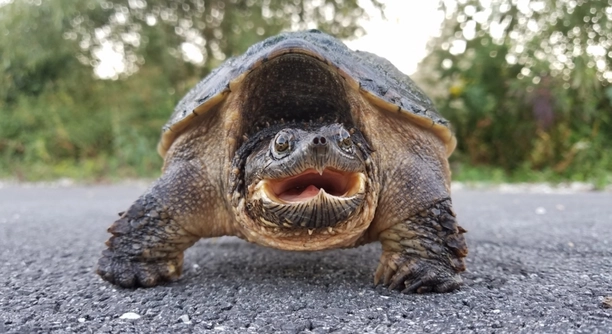
Common snapping turtles are known for spending most of their time in the water, but there are times when you may notice one avoiding it. This behavior can be puzzling, especially if you’re concerned about their health.
A common reason for a snapping turtle avoiding water could be environmental stressors such as changes in water temperature, habitat disruption, or the presence of predators. Illness, dehydration, or the need for a safe resting place can also contribute to this behavior.
Understanding why your turtle is avoiding water is important for ensuring its well-being. The article will provide insights into factors that could be affecting your turtle and offer advice on how to address these issues.
Environmental Stressors Affecting Your Turtle
One of the most common reasons a snapping turtle might avoid the water is due to environmental stress. Snapping turtles are highly sensitive to changes in their habitat, such as sudden fluctuations in water temperature. If the water has become too cold or too warm, your turtle may seek a safer, more comfortable location on land. Additionally, other disruptions like human activity, loud noises, or pollution in the water can cause stress, leading your turtle to retreat to a dry area.
Turtles also rely on specific environmental cues, like light and air quality, to determine when to enter the water. If their usual habitat feels unsafe or uncomfortable, they may choose to stay on land until things improve.
If your turtle’s usual spot in the water has been disturbed, consider checking for any external factors that might be causing discomfort. A change in the natural flow of water, a sudden disturbance, or even the presence of other animals might make your turtle avoid its aquatic habitat. Always try to ensure that the environment around your turtle remains calm and undisturbed.
Health Issues That Could Affect Behavior
Your snapping turtle’s refusal to enter the water might also be due to a health issue. Dehydration is one of the most common problems turtles face, especially if they haven’t been drinking enough water. A turtle that feels weak or unwell may avoid the water to prevent exacerbating its condition.
Turtles can also suffer from injuries or infections, which can cause them to retreat from the water. If they’re dealing with a wound or any kind of physical discomfort, they may avoid swimming, as it can aggravate their condition. Turtles can be very resilient, but they rely on you to notice when something’s wrong. If your turtle seems to be avoiding the water more often, it’s important to check for visible signs of injury or distress, and if you notice anything unusual, consult a veterinarian.
Even if your turtle has been healthy for some time, sudden behavioral changes may signal the need for a closer look at its health. A proper examination can rule out any underlying health conditions that might make the turtle avoid its normal water habitat.
Habitat and Space Considerations
Sometimes, your turtle may simply be avoiding the water because it feels like there is not enough space to move around comfortably. Snapping turtles are territorial and enjoy having enough room to explore their environment, whether it’s in the water or on land. If the water area has become too crowded, whether due to an increase in other animals or the growth of plants that block movement, your turtle might avoid the water in search of a better spot.
Additionally, the layout of the environment can have a big impact. If there are no clear areas for the turtle to rest or if the water access is too difficult, they might stay on land to feel safer and more secure. Snapping turtles prefer environments where they can easily enter and exit the water, so having proper access points is important.
Regularly check the layout of your turtle’s habitat to ensure it is suitable for its needs. A clean, open, and accessible water area can help encourage your turtle to spend more time in the water.
Water Quality and Cleanliness
Water quality plays a huge role in whether or not your snapping turtle chooses to stay in the water. If the water is murky, contaminated, or has an unpleasant smell, your turtle may avoid it. Poor water quality can make the turtle feel uncomfortable, causing it to seek dry ground instead.
Turtles are sensitive to pollutants, chemicals, and even high levels of waste in their water. A buildup of algae or waste from food scraps can make the water unsuitable. If you’ve noticed your turtle avoiding the water, it may be a sign that its habitat needs a good cleaning. Regularly changing the water and making sure the environment is clean will encourage your turtle to return to its natural aquatic space.
A filter can help maintain better water quality, and providing access to both clean water and dry resting areas will give your turtle the best chance to thrive. Monitoring water parameters like temperature, pH levels, and cleanliness will also help ensure your turtle feels comfortable enough to stay in the water.
Temperature and Seasonal Changes
Temperature is another key factor in whether your snapping turtle will stay in the water. Turtles are cold-blooded, meaning their body temperature depends on the environment. If the water is too cold, your turtle might avoid it to prevent stress or hypothermia. On the other hand, if the water is too warm, the turtle may look for cooler, shaded areas on land.
Seasonal changes can also influence a turtle’s behavior. In colder months, some species of snapping turtles may brumate, a kind of hibernation where they stay inactive for long periods. This could cause them to avoid the water altogether. During warmer seasons, however, snapping turtles are more likely to stay active in the water unless the conditions are uncomfortable. Be mindful of these seasonal shifts to ensure that your turtle has an appropriate environment year-round.
If you notice that your turtle stays out of the water more often as temperatures change, make sure its habitat is accommodating to the seasonal needs. A well-maintained, temperature-regulated environment will help your turtle feel comfortable enough to return to the water when needed.
Stress from Other Animals
Snapping turtles can be territorial and may avoid the water if they feel threatened by other animals. If there are larger or more aggressive animals nearby, such as other turtles or predatory creatures, your turtle might seek safety on land.
Even harmless animals, like birds or other pets, can cause stress to your turtle. If they feel like they are at risk, they may avoid the water to stay out of sight. Pay attention to your turtle’s surroundings to make sure it feels safe.
Lack of Resting Spots
If there aren’t enough places for your snapping turtle to rest, it may choose to stay out of the water. Turtles need dry, secure spaces to rest and regulate their body temperature. Without proper areas to escape, they may feel uncomfortable in the water.
Make sure to provide enough basking spots around the water where your turtle can rest. A dry platform or a secluded area will help your turtle feel secure, encouraging it to go back into the water when it’s needed.
Water Depth and Access
The depth and access to water can impact whether your turtle stays in the water. Snapping turtles are not great swimmers in deep water. They may prefer shallow areas where they can stand or rest.
Ensure that the water area has gentle slopes or platforms so your turtle can easily enter and exit. Having accessible areas where your turtle feels in control of its movements will help it remain comfortable in the water.
FAQ
Why is my snapping turtle staying on land all of a sudden?
If your snapping turtle is suddenly staying on land, it could be due to a variety of reasons. First, check the water quality. Poor water conditions, like murkiness or contaminants, can make your turtle avoid it. Secondly, temperature plays a major role. If the water is too cold or too warm, your turtle might seek shelter on land to regulate its body temperature. Lastly, stress from other animals or changes in its environment can also cause this behavior.
How can I encourage my snapping turtle to go back into the water?
To encourage your turtle to return to the water, focus on creating a calm and comfortable environment. Clean the water regularly and make sure it is at the proper temperature. Provide clear access to the water with shallow entry points, so your turtle doesn’t feel trapped. Ensure there are plenty of dry basking spots nearby, so your turtle can rest whenever it needs.
Is it normal for my snapping turtle to avoid the water during colder months?
Yes, it’s normal for some species of snapping turtles to reduce their water activity during colder months. Turtles are cold-blooded and may brumate in the winter. Brumation is a type of hibernation where the turtle remains inactive for long periods. During this time, they often avoid the water or spend a lot of time on land in a burrow or other sheltered area.
Can my snapping turtle be avoiding the water because it’s sick?
Yes, illness can cause your snapping turtle to avoid the water. If your turtle is feeling weak or unwell, it might not want to swim because the water could worsen its condition. Turtles can also develop infections or injuries that make them less likely to enter water. If your turtle shows signs of lethargy, swollen limbs, or any visible wounds, it’s best to consult a veterinarian.
How do I know if my snapping turtle is dehydrated?
Dehydration is common in turtles, and it can make them avoid the water. Signs of dehydration include sunken eyes, dry or wrinkled skin, and lethargy. If you suspect dehydration, make sure your turtle has constant access to fresh water, and consider increasing humidity levels in its habitat. If symptoms persist, a vet should assess the situation.
What should I do if my turtle avoids the water because it’s stressed?
If your turtle is avoiding the water due to stress, you need to identify the cause. Stress could come from predators, loud noises, sudden changes in its habitat, or even overcrowding. Try to minimize disturbances and create a calm environment. If there are other animals in the area, consider separating them, as turtles are often territorial.
Can my snapping turtle avoid the water due to space issues?
Yes, if your turtle feels cramped or doesn’t have enough space to move around comfortably, it might avoid the water. Snapping turtles are territorial and need enough space to explore. If your tank or enclosure is too small, your turtle may feel restricted and prefer to stay on land. Ensure your turtle has a large enough area to swim, bask, and move freely.
Should I worry if my snapping turtle isn’t basking or going in the water?
If your snapping turtle isn’t basking or entering the water, it could be a sign of environmental issues, such as poor water quality or inadequate basking areas. However, if the behavior persists for a prolonged period or if the turtle shows other symptoms like weight loss, lethargy, or abnormal behavior, it may indicate an underlying health problem. Monitor the turtle and consult a veterinarian if necessary.
How can I improve my snapping turtle’s water environment?
To improve your snapping turtle’s water environment, focus on maintaining clean, clear water with the proper temperature. Use a reliable water filter and change the water regularly. Check water parameters, like pH, temperature, and salinity, to ensure they fall within the ideal range for your turtle’s species. Adding plants or hiding spots can make the water feel more natural and comfortable for your turtle.
What temperature should the water be for my snapping turtle?
The ideal water temperature for most snapping turtles is between 70°F to 80°F (21°C to 27°C). Water that is too cold can cause your turtle to avoid it, while water that is too warm can lead to stress. Ensure that you maintain a stable temperature using a reliable aquarium heater or by adjusting the tank location. Temperature fluctuations should be minimized to keep your turtle comfortable.
Final Thoughts
When your snapping turtle starts avoiding the water, it’s important to consider all the factors that could be influencing its behavior. Snapping turtles are sensitive creatures, and even small changes in their environment can have a big impact. Whether it’s the temperature of the water, its cleanliness, or even stress from other animals, these are all things that could make your turtle avoid its natural habitat. Keeping a close eye on these factors can help you identify the cause and take steps to fix it.
It’s also crucial to pay attention to your turtle’s health. If your snapping turtle is not feeling well, it might stay on land to rest or avoid water to prevent worsening its condition. Look for signs of injury, infection, or dehydration. If you notice any signs of illness, such as lethargy, difficulty moving, or changes in appearance, it’s a good idea to consult with a veterinarian who specializes in reptiles. They can help diagnose any potential health problems and guide you in taking the best care of your turtle.
In the end, creating a comfortable and safe environment for your snapping turtle is the key to encouraging healthy behaviors. Make sure the water temperature is appropriate, the water quality is maintained, and that there is enough space for the turtle to move around freely. Providing both water and dry areas for basking will help your turtle feel more at ease. If you stay attentive to its needs and address any problems, your snapping turtle will likely return to its natural behavior, spending more time in the water where it belongs.

Hello,
If you enjoy the content that we create, please consider saying a "Thank You!" by leaving a tip.
Every little bit helps us continue crafting quality advice that supports the health, happiness, and well-being of pets around the world, for pets of all shapes, sizes, and species.
We really appreciate the kindness and support that you show us!