
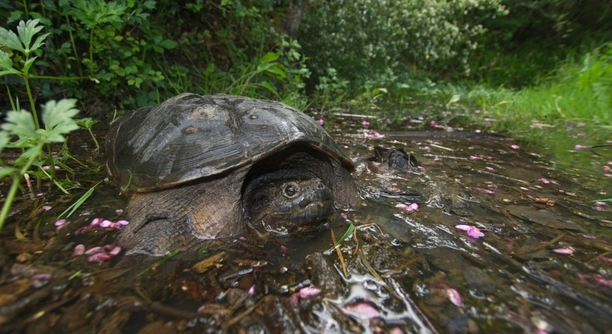
Snapping turtles are fascinating creatures, but if your common snapping turtle keeps biting the glass of its tank, it might be signaling something. Understanding its behavior can help ensure your turtle is healthy and content in its environment.
Common snapping turtles often bite the glass because of territorial behavior, hunger, or curiosity. They may associate the glass with food or see their reflection as another turtle, which can provoke aggression. Ensuring proper stimulation and diet may help reduce this behavior.
By understanding the root causes of your snapping turtle’s behavior, you can make adjustments that will improve its environment and reduce unnecessary glass biting.
Understanding Snapping Turtle Behavior
Snapping turtles are naturally curious and often interact with their surroundings by exploring and testing boundaries. When they bite the glass, it’s not always a sign of aggression but could be related to their instincts to explore. Turtles use their senses to assess their environment, and glass can confuse them, making them think it’s a barrier or a potential food source. If your turtle is in a tank, it’s important to recognize that their behavior might stem from a lack of mental stimulation or space to roam. Without enough enrichment, they can start acting out.
If you suspect hunger is the reason behind the biting, consider adjusting your feeding schedule or ensuring the food is appropriate for its size and age. Overfeeding can also lead to boredom, causing the turtle to bite in frustration. Another factor to keep in mind is the reflection in the glass. Turtles might see their own reflection and mistake it for another turtle, leading to territorial or defensive behavior.
Making sure your turtle has a varied environment with hiding spots, plants, or other objects will help keep it entertained.
Feeding and Tank Setup
A well-fed and stimulated turtle is less likely to bite the glass. Turtles need a balanced diet that matches their age and size. If their diet is lacking, they may become more active in their search for food. In addition to regular meals, offering treats like worms or small fish can also provide some excitement and prevent them from focusing on the glass.
Creating a tank setup that mimics the natural environment can help alleviate the biting. Turtles are used to having plenty of space to swim, so giving them more room will reduce stress and discourage unnecessary behavior. Consider adding rocks, plants, and even a water filter to keep your turtle engaged and active. The more natural the environment, the more likely your turtle will feel at ease, reducing the likelihood of glass biting.
Tank Size and Environment Enrichment
A small tank can lead to frustration for a snapping turtle. Turtles need room to explore and feel safe. A cramped space can encourage repetitive behaviors like biting the glass, trying to escape. Ensure your turtle’s tank is large enough to allow swimming, basking, and roaming freely.
Adding natural elements such as rocks, plants, and hiding spots can also help your turtle feel more at ease. These elements simulate a real habitat, giving your turtle something to interact with. Including water plants not only gives your turtle a place to explore but can help keep the water clean, making it more comfortable in its space.
Provide a proper basking area with a heat lamp, and make sure the water temperature is ideal for your turtle’s species. If the temperature fluctuates too much, it can cause stress and encourage abnormal behavior, like biting the glass. A stable environment promotes a healthier and calmer turtle.
Boredom and Lack of Stimulation
Boredom can be a significant factor in glass biting. Turtles, like many animals, need stimulation to stay engaged. Without enough to do in their tank, they may resort to aggressive or repetitive behaviors. Provide toys, floating platforms, or even a small water fountain to offer mental stimulation.
Changing the tank layout occasionally can also help break the monotony. Turtles enjoy exploring new environments, and by rearranging the tank or adding new elements, you provide variety that can reduce stress and boredom. Try adding new objects like logs or even an underwater cave to encourage curiosity and exploration.
Interaction outside of the tank can also make a big difference. Occasionally allowing your turtle to explore outside the tank in a safe, controlled environment can give it much-needed mental exercise. This change in scenery can help alleviate some of the frustration that leads to glass biting.
Tank Maintenance
Dirty water can stress out your turtle and lead to glass biting. Make sure to clean the tank regularly and replace the water. Filtration systems help maintain water quality, but periodic deep cleaning is still necessary to keep the environment healthy for your turtle.
A clean tank also reduces the risk of algae build-up, which can make the water less clear, and your turtle might mistake the glass for something else. Regularly check the water temperature and pH levels, as changes can make your turtle feel uncomfortable and more prone to unwanted behaviors.
Lighting and Temperature
Proper lighting is essential for your turtle’s well-being. They need both UVA and UVB light to thrive, which helps in the absorption of calcium and the maintenance of a healthy shell. Keep the tank lit during the day and ensure your turtle has a basking spot under a heat lamp.
If your turtle doesn’t have access to proper light or temperature, it may feel stressed, leading to glass biting. Ensure that the basking area is warm enough, and keep the water cooler. A healthy balance between warmth and coolness is vital for a happy turtle.
Health Check
Sometimes, a turtle biting the glass might indicate an underlying health issue. If your turtle’s behavior changes suddenly or it becomes more aggressive than usual, it’s important to check for signs of illness. Look for symptoms like lethargy, abnormal swimming patterns, or a lack of appetite.
If you suspect something is wrong, it’s wise to consult a veterinarian. A health problem can be the root cause of unusual behavior, and addressing it quickly can prevent further complications. Always keep an eye on your turtle’s physical condition to avoid serious health concerns.
FAQ
Why does my turtle bite the glass?
Turtles bite the glass mainly due to curiosity, hunger, or territorial behavior. They may see their reflection and think it’s another turtle, which triggers a defensive response. If your turtle is hungry, it may associate the glass with food, leading to glass biting. Lack of stimulation or space in the tank can also cause this behavior, as they become frustrated and start acting out.
How can I stop my turtle from biting the glass?
To prevent your turtle from biting the glass, make sure the tank is large enough for it to swim freely and has enough hiding spots and decorations. Provide a proper diet and ensure your turtle is not bored by offering enrichment activities. Changing the tank layout periodically or adding new items can also help alleviate frustration.
Is my turtle aggressive if it bites the glass?
Not necessarily. While glass biting can be a sign of territorial behavior, it doesn’t always indicate aggression. It may be a reaction to confusion from seeing its reflection or an instinctive action when the turtle feels trapped. Over time, this behavior can often be reduced with proper care and tank enrichment.
Do snapping turtles need a larger tank than other turtles?
Yes, snapping turtles require more space than other species. They are larger and more active, needing plenty of room to swim, explore, and feel comfortable. A tank that is at least 75 gallons is ideal for a single adult snapping turtle. Without enough space, they may become stressed and engage in unwanted behaviors like biting the glass.
Can I keep a snapping turtle in a small tank?
A small tank is not recommended for a snapping turtle. Snapping turtles are known for their aggressive behavior and need a large tank to move freely. Keeping them in a small tank can lead to stress, making them more likely to bite the glass or display other signs of discomfort. A larger tank helps prevent these behaviors.
How often should I feed my snapping turtle?
Feeding frequency depends on the age and size of your turtle. Hatchlings and juveniles need to eat every day, while adults can be fed every other day. A balanced diet that includes a variety of protein sources, vegetables, and some fruits is crucial for their health. Make sure to offer appropriate-sized meals to prevent overfeeding.
What kind of lighting do snapping turtles need?
Snapping turtles require both UVA and UVB lighting to stay healthy. UVB light helps them process calcium, which is essential for their shell and bone health. A basking area should have a heat lamp to allow your turtle to warm up and digest its food. Ensure the lights are on for 12-14 hours a day and positioned properly to provide adequate heat.
How do I know if my turtle is stressed?
Signs of stress in a turtle can include erratic swimming, loss of appetite, lethargy, or aggression, such as biting the glass. If your turtle seems to be engaging in repetitive behaviors or hiding more than usual, it could indicate stress. Regularly check for any changes in behavior, and ensure the tank is clean, spacious, and properly maintained.
Can a dirty tank cause my turtle to bite the glass?
Yes, a dirty tank can stress out your turtle, making it more likely to bite the glass. Poor water quality can lead to health issues and irritate your turtle. Regular tank cleaning is essential to keep the water fresh and your turtle comfortable. Clean the tank every 1-2 weeks, and do water changes to maintain good water conditions.
Why is my turtle swimming in circles?
Swimming in circles can be a sign of stress or frustration. It can happen if the turtle feels confined due to a small tank, insufficient tank decorations, or poor water quality. Sometimes, this behavior can also be a result of insufficient space or environmental factors like improper lighting or temperature.
Is my turtle biting the glass because it’s sick?
Glass biting is typically not directly related to illness. However, if your turtle is also showing other symptoms, such as lethargy, loss of appetite, or abnormal swimming patterns, it could indicate health problems. If you notice these symptoms along with glass biting, it’s best to consult a vet to rule out any medical issues.
Final Thoughts
Understanding why your common snapping turtle is biting the glass can help you address the behavior effectively. Often, it is a sign of stress, curiosity, or frustration. Turtles are naturally curious animals, and when they see their reflection in the glass, they may mistake it for another turtle. This can lead to them biting or attempting to interact with the glass. In some cases, if your turtle is hungry or not getting enough stimulation, it might start biting the glass in search of food or simply out of boredom. Recognizing these triggers can help you create a better environment for your turtle.
Providing a spacious, well-maintained tank is one of the most important factors in reducing glass biting. A tank that is too small or lacks appropriate hiding spots can cause stress and frustration. Snapping turtles, in particular, need plenty of space to swim and explore, as well as clean water to stay healthy. Adding enrichment items such as rocks, plants, and logs can also help keep them occupied. Regular water changes, proper lighting, and correct water temperatures are all necessary to keep your turtle comfortable and reduce negative behaviors like glass biting. The more you can mimic a natural environment for your turtle, the less likely it will be to engage in this behavior.
Lastly, it is essential to keep an eye on your turtle’s health. While glass biting is often a behavioral issue, it could also be a sign of underlying stress or illness. If the behavior persists despite addressing environmental factors, it may be worth consulting a veterinarian to rule out health concerns. Turtles can’t tell us what’s bothering them, but by observing their habits and maintaining proper care, you can ensure that your snapping turtle stays healthy, happy, and free from unnecessary stress.

Hello,
If you enjoy the content that we create, please consider saying a "Thank You!" by leaving a tip.
Every little bit helps us continue crafting quality advice that supports the health, happiness, and well-being of pets around the world, for pets of all shapes, sizes, and species.
We really appreciate the kindness and support that you show us!