
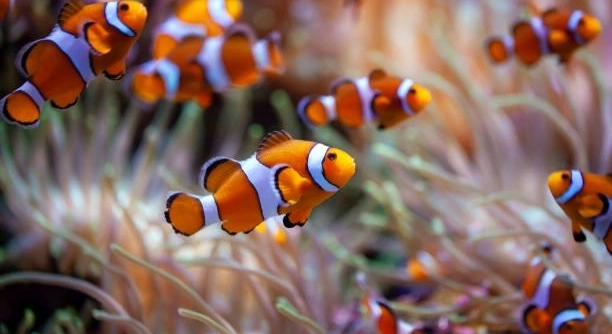
Many clownfish owners notice their fish twitching near the filter and wonder what it means. This behavior can be concerning, especially when it happens frequently or seems unusual. Understanding why this occurs is important for keeping clownfish healthy.
Clownfish twitching near the filter is often caused by irritation from strong water currents or poor water quality. It may also indicate stress from changes in the tank environment or the presence of parasites. Regular maintenance helps reduce these issues.
Learning the causes of twitching can help you keep your clownfish comfortable and safe. The following information will explain the main reasons behind this behavior and how to address them.
Causes of Twitching Near the Filter
Clownfish twitching near the filter is usually linked to environmental factors in the aquarium. One common reason is the water current created by the filter, which can be too strong for the fish. Clownfish prefer gentle water flow, and strong currents may cause them to twitch as they struggle to maintain their position. Another factor is water quality. High levels of ammonia, nitrites, or nitrates can irritate the fish’s skin and gills, leading to twitching behavior. Stress is also a significant contributor. Changes in tank conditions, such as temperature fluctuations or new tankmates, can make clownfish anxious and twitchy. Additionally, parasites or infections may cause discomfort, prompting twitching near the filter where water flow is higher. Regular water testing and careful observation can help identify these issues before they worsen, ensuring a healthier environment for your clownfish.
Water flow and water quality are the two most common reasons clownfish twitch near the filter.
Addressing these factors often resolves twitching quickly. Adjusting the filter’s flow rate or adding decorations to block strong currents can make a big difference. Maintaining proper water parameters through regular testing and water changes keeps the environment stable. If parasites are suspected, treatment with appropriate medication is necessary. It is also helpful to watch for other signs of illness, such as loss of appetite or color changes. By closely monitoring these elements, you can reduce your clownfish’s twitching and improve its overall well-being.
How to Improve Your Clownfish’s Environment
Improving your clownfish’s environment starts with controlling water flow and quality. Use a filter with adjustable settings or add a spray bar to reduce strong currents. Regular water changes and testing help maintain healthy water parameters, which prevent irritation. Ensure the tank temperature is stable and suitable for clownfish, usually between 75-82°F (24-28°C). Adding live rock or coral decorations can provide shelter and reduce stress by offering hiding spots. Feeding a balanced diet supports immune health, making the fish less vulnerable to parasites and illness. Keeping the tank clean and free from uneaten food also helps prevent poor water quality. Observing your clownfish daily allows you to catch early signs of problems and act before twitching becomes severe.
Consistent care and monitoring are key to preventing twitching near the filter.
Maintaining a balanced environment requires regular attention. Weekly water tests check for ammonia, nitrites, nitrates, and pH levels. If these parameters are off, perform partial water changes to restore balance. Adjusting the filter’s flow or rearranging decorations can calm fish stressed by strong currents. Quarantining new fish before adding them prevents introducing parasites. If twitching persists despite these efforts, consulting a vet or aquarium specialist can help diagnose less obvious causes. Small changes can make a big difference in your clownfish’s comfort, reducing twitching and promoting a happier, healthier tank.
Signs of Parasites or Illness
Twitching can sometimes be a sign of parasites or illness in clownfish. Watch for other symptoms like white spots, rapid breathing, or rubbing against objects. Early detection is important for effective treatment.
Parasites such as ich or marine velvet can cause twitching and discomfort. These tiny organisms attach to the fish’s skin or gills, causing irritation. Infections weaken the fish’s immune system and can spread quickly in the tank if not treated. If you notice twitching combined with visible spots or unusual behavior, it is best to isolate the affected fish. Use medications specifically designed for marine fish parasites and follow dosing instructions carefully to avoid harming your clownfish or other tank inhabitants.
Infections may also result from poor water quality or stress. When a fish’s immune system is compromised, bacteria or fungi can cause illness. Twitching near the filter may be the fish’s attempt to relieve irritation or breathe easier. Keeping the tank clean, maintaining stable water parameters, and minimizing stress all support the fish’s ability to resist disease. Regular observation and quick response to signs of illness are essential for your clownfish’s health.
Adjusting Tank Conditions
Reducing water flow can help stop twitching caused by strong currents. Try repositioning the filter or adding flow-dampening decorations like plants or rocks. Stability in water temperature and quality is also important.
Water parameters like ammonia, nitrite, nitrate, and pH need to stay within safe ranges for clownfish. Sudden changes or poor conditions increase stress and lead to twitching. Use a reliable test kit and perform regular water changes to maintain balance. Avoid overcrowding and provide hiding places to reduce anxiety. Consistency in tank conditions helps clownfish feel secure, preventing twitching related to environmental stress. Regular maintenance and monitoring can improve your fish’s comfort and reduce unwanted behavior.
Common Stress Factors
Stress often causes twitching in clownfish. Loud noises, sudden movements, or constant tank disturbances can make them uneasy. Reducing external stressors helps calm your fish and reduce twitching.
Changes in tankmates or poor water conditions also increase stress. Keeping a stable environment with peaceful companions supports your clownfish’s well-being.
Importance of Regular Water Testing
Regular water testing is essential to prevent issues that cause twitching. Monitoring ammonia, nitrite, nitrate, and pH levels keeps the environment safe. Early detection of changes helps you act quickly before problems worsen. Using test kits weekly ensures water stays within ideal ranges for clownfish health.
Feeding and Nutrition Tips
Providing a balanced diet strengthens your clownfish’s immune system. High-quality pellets, frozen foods, and occasional live treats support overall health. Avoid overfeeding, as leftover food can harm water quality.
When to Seek Professional Help
If twitching continues despite your efforts, consult a vet or aquarium expert. Persistent symptoms may indicate underlying health problems needing specialized care.
FAQ
Why is my clownfish twitching only near the filter?
Twitching near the filter often happens because the water flow there is stronger. Clownfish prefer gentle currents, so strong water movement can irritate them. The filter area may also collect debris or cause small changes in water quality, which can bother your fish. Adjusting the filter flow or placing decorations to block the current usually helps.
Can poor water quality cause twitching in clownfish?
Yes, poor water quality is a common reason for twitching. High levels of ammonia, nitrites, or nitrates irritate the fish’s skin and gills, causing discomfort. Regular water testing and changes are needed to keep these levels safe. Even small fluctuations can stress clownfish, leading to twitching and other signs of illness.
Is twitching a sign of disease in clownfish?
Twitching can indicate disease, especially if accompanied by other symptoms like spots, fading color, or lethargy. Parasites such as ich or marine velvet cause twitching by irritating the fish’s skin. Bacterial and fungal infections may also lead to twitching as the fish tries to relieve discomfort. Prompt treatment improves recovery chances.
How can I reduce stress for my clownfish?
Reduce stress by keeping the tank environment stable and calm. Avoid loud noises and sudden movements near the tank. Maintain good water quality and temperature within the recommended range. Provide hiding spots with live rock or decorations. Avoid overcrowding the tank and choose peaceful tankmates to create a secure space for your clownfish.
What should I do if twitching continues despite good water quality?
If twitching continues even after fixing water conditions, check for parasites or infections. Consider isolating the fish in a quarantine tank and using appropriate medication. If unsure, consult a vet or aquarium specialist for diagnosis. Persistent twitching may require professional care to identify less obvious causes.
Can diet affect twitching behavior in clownfish?
A poor diet can weaken a clownfish’s immune system, making it more prone to twitching caused by stress or illness. Feeding a balanced diet with high-quality pellets, frozen foods, and occasional live treats helps maintain good health. Avoid overfeeding to prevent water quality problems that can also cause twitching.
Is it normal for clownfish to twitch sometimes?
Occasional twitching may happen as a reaction to small changes in water flow or environment. If it is brief and rare, it is usually not a concern. However, frequent or intense twitching signals a problem that needs attention, such as stress, poor water quality, or illness.
How often should I test my aquarium water?
Test your aquarium water at least once a week to monitor ammonia, nitrite, nitrate, and pH levels. Frequent testing helps catch issues early before they cause twitching or other health problems. If you notice any signs of stress or illness, increase testing frequency until the situation stabilizes.
Can changing the filter help stop twitching?
Changing the filter or adjusting its flow rate can reduce twitching caused by strong currents. Some filters come with adjustable flow settings or spray bars to soften water movement. Rearranging decorations to block direct flow from the filter can also make the environment more comfortable for your clownfish.
When should I isolate my clownfish?
Isolate your clownfish if twitching is accompanied by visible signs of disease like white spots, frayed fins, or lethargy. Quarantine helps prevent spreading parasites or infections to other tank inhabitants. Use appropriate treatment in isolation, then return the fish to the main tank once fully recovered.
Can tank size affect twitching behavior?
Yes, a tank that is too small or overcrowded can stress clownfish, causing twitching. Crowding increases competition for space and resources and worsens water quality. Providing enough space and avoiding overstocking are important for reducing stress and promoting natural behavior.
How long does it take for twitching to stop after fixing tank problems?
Twitching usually decreases within a few days after improving water quality or reducing stress. However, if parasites or infections are present, treatment may take one to two weeks before twitching stops. Monitor your clownfish closely and continue care until symptoms fully disappear.
Clownfish twitching near the filter can be worrying, but it is often a sign that something in their environment needs attention. Strong water currents, poor water quality, or stress are common causes of this behavior. Making small adjustments, like lowering the filter flow or improving water conditions, usually helps reduce twitching. It is important to keep the tank stable and clean to give your clownfish a comfortable place to live. Regular testing and maintenance play a key role in preventing many problems that cause twitching.
Sometimes, twitching may be caused by illness or parasites. When this happens, you might notice other signs like spots on the fish, fading colors, or unusual behavior. It is best to act quickly if you see these symptoms. Isolating the affected fish and using the right medication can help treat the issue before it spreads. Keeping a balanced diet and a calm tank environment supports your clownfish’s health and helps prevent disease. Watching your fish daily allows you to spot early signs and respond before twitching becomes severe.
Overall, understanding why your clownfish twitches near the filter helps you take better care of it. Paying attention to water quality, tank setup, and fish behavior ensures a happy, healthy clownfish. Small changes can make a big difference, and early action often prevents more serious problems. By keeping your tank well-maintained and your clownfish stress-free, you can enjoy watching them thrive without worrying about twitching or other issues. Consistency in care is the best way to support your fish’s long-term well-being.

Hello,
If you enjoy the content that we create, please consider saying a "Thank You!" by leaving a tip.
Every little bit helps us continue crafting quality advice that supports the health, happiness, and well-being of pets around the world, for pets of all shapes, sizes, and species.
We really appreciate the kindness and support that you show us!