
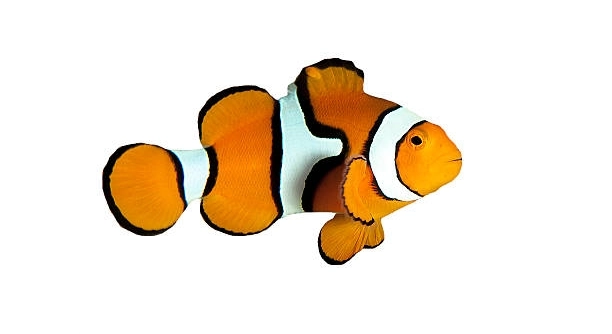
Clownfish are popular pets in home aquariums, admired for their bright colors and playful behavior. Sometimes, owners notice their clownfish swimming in tight circles, which can be surprising and concerning. This behavior is often a sign that something is affecting the fish’s well-being.
Clownfish swimming in tight circles usually indicate stress, illness, or neurological issues. Causes may include poor water quality, infections, parasites, or injuries affecting their balance. Monitoring the environment and health is essential to address this abnormal behavior promptly.
Understanding why your clownfish behaves this way helps you act quickly to improve its health. The following information will guide you through common causes and practical solutions to support your pet’s recovery.
Common Causes of Circular Swimming in Clownfish
Clownfish may swim in tight circles due to several underlying issues. Poor water quality is one of the main factors, as high levels of ammonia, nitrites, or nitrates can stress fish and affect their behavior. Infections caused by bacteria, viruses, or parasites can also interfere with their nervous system, leading to abnormal swimming patterns. Another reason could be physical injury, such as damage to the swim bladder or fins, which impacts balance and movement. Additionally, nutritional deficiencies or sudden changes in the tank environment may contribute to this issue. Regular tank maintenance, including water testing and cleaning, is important to prevent these problems. Observing your clownfish’s behavior daily helps catch early signs of distress, allowing prompt treatment. If the behavior persists, consulting an aquatic veterinarian may be necessary for a proper diagnosis and care plan.
Maintaining a stable and clean environment reduces the risk of your clownfish swimming in circles.
Being aware of these causes equips you to provide better care and improve your clownfish’s quality of life.
How to Improve Water Quality for Your Clownfish
Water quality directly affects the health of clownfish and their swimming behavior.
Regularly test water parameters, including ammonia, nitrites, nitrates, pH, and salinity, to ensure they remain within the ideal range for clownfish. Perform routine water changes of about 10-20% weekly to dilute toxins and keep the water fresh. Using a good filtration system helps remove waste and maintain oxygen levels. Avoid overfeeding, as leftover food decomposes and pollutes the water. Make sure the tank is properly cycled before introducing fish to establish beneficial bacteria that break down harmful substances. Temperature stability is also important; sudden fluctuations can stress the fish. Keeping the tank clean and monitoring water quality prevents many health issues linked to swimming problems. A well-maintained environment supports your clownfish’s natural behavior and reduces stress, helping them swim normally and stay healthy.
Identifying Signs of Illness in Clownfish
Changes in swimming patterns, such as tight circling, often signal illness. Other signs include loss of appetite, discoloration, lethargy, or visible wounds. Observing these symptoms early can help prevent serious health problems.
Illness in clownfish can result from bacterial, viral, or parasitic infections. Common diseases like marine ich or fin rot affect their behavior and appearance. Stress from poor water conditions weakens their immune system, making infections more likely. If you notice unusual behavior alongside physical symptoms, it is important to isolate the affected fish to avoid spreading illness. Treatment may require medication specifically designed for marine fish, which should be administered carefully following dosage instructions. Timely action increases the chances of recovery.
Maintaining stable tank conditions and providing a balanced diet strengthens your clownfish’s immune system. Routine observation and quick response to illness signs help keep your fish healthy and active.
Nutritional Deficiencies and Their Impact on Behavior
Poor nutrition can cause erratic swimming behavior in clownfish. A diet lacking essential vitamins and minerals affects their overall health and energy levels.
Feeding clownfish a varied diet that includes high-quality pellets, frozen or live foods such as brine shrimp and mysis shrimp ensures they get the necessary nutrients. Vitamin deficiencies, especially in vitamin C and vitamin E, can lead to neurological problems, causing them to swim abnormally. Overfeeding or feeding only one type of food often leads to nutritional imbalances. To avoid this, rotate their diet and avoid excess food accumulation in the tank. Healthy nutrition supports their immune system and helps prevent disease, which in turn reduces the risk of abnormal swimming patterns. Proper feeding habits play a crucial role in maintaining your clownfish’s normal behavior and vitality.
Preventing Stress in Clownfish
Stress can cause clownfish to swim in tight circles. It often results from sudden changes in the tank or aggressive tank mates.
Maintaining a calm environment with stable water conditions and compatible fish reduces stress. Avoid overcrowding and provide hiding spots to help your clownfish feel secure.
Monitoring Tank Mates for Aggression
Aggressive behavior from other fish can cause clownfish to act strangely. Territorial disputes or bullying may force your clownfish into defensive swimming patterns. Watch how your fish interact and separate aggressive tank mates if needed to prevent stress-related behaviors.
Using Medication Safely
Medicating your clownfish requires careful attention. Always follow instructions and use treatments designed for marine fish. Improper use can worsen health or damage beneficial bacteria in the tank. When in doubt, consult a professional before administering medication.
When to Seek Professional Help
If abnormal swimming continues despite your efforts, it may be time to consult an aquatic veterinarian. Early diagnosis and treatment improve outcomes for your clownfish’s health.
FAQ
Why is my clownfish swimming in tight circles suddenly?
Sudden tight circling is often a sign of stress, injury, or illness. Changes in water quality, temperature, or tank environment can trigger this behavior. It might also be caused by infections or physical damage that affect the fish’s balance. Immediate attention is needed to identify and fix the cause.
Can poor water quality cause my clownfish to swim in circles?
Yes, poor water quality is a common reason for abnormal swimming. High levels of ammonia, nitrites, or nitrates stress clownfish and affect their nervous system. Maintaining proper filtration, regular water changes, and testing water parameters help prevent this issue.
How do I know if my clownfish is sick?
Signs of illness include tight circling, lethargy, loss of appetite, discoloration, and visible wounds. If you notice any of these, isolate the fish and check water quality. Seek treatment with appropriate medication or professional help if symptoms persist.
Could tank mates cause this behavior?
Aggressive or territorial tank mates can stress clownfish, leading them to swim in circles or hide. Monitor interactions closely. Separating or removing aggressive fish can help reduce stress and normalize behavior.
Is poor nutrition linked to swimming problems?
Yes, inadequate or unbalanced diets can cause neurological issues affecting swimming. Feeding a varied diet with quality pellets, frozen, or live foods supports your clownfish’s health and helps prevent abnormal behavior.
How can I improve water quality in my tank?
Perform regular partial water changes, test water parameters weekly, and avoid overfeeding. Use a reliable filtration system and ensure the tank is properly cycled before adding fish. Stable temperature and salinity are also essential.
When should I use medication for my clownfish?
Medication is recommended when infection or parasites are suspected. Always follow dosing instructions carefully. Overuse or misuse can harm your fish or beneficial tank bacteria. Consult a specialist if unsure.
Can injuries cause tight circling in clownfish?
Yes, injuries to fins, swim bladder, or head can disrupt balance, causing tight circling. Observe for physical damage and provide a safe, clean environment to support healing.
What steps help reduce stress in clownfish?
Maintain stable water conditions, avoid overcrowding, provide hiding places, and choose compatible tank mates. Gentle handling and minimizing sudden changes in the tank also reduce stress.
When is it necessary to see a veterinarian?
If your clownfish’s abnormal swimming continues after correcting water quality, diet, and stress, professional advice is needed. An aquatic veterinarian can diagnose underlying issues and recommend treatment to improve health.
Final Thoughts
Watching your clownfish swim in tight circles can be worrying. This behavior usually points to an underlying problem that needs attention. It might be due to poor water quality, illness, stress, or injury. Understanding these causes is important for keeping your clownfish healthy. Maintaining a clean and stable environment is the first step in preventing many issues. Regular testing of water parameters and proper tank maintenance help create a safe space for your fish. When your clownfish acts abnormally, checking these basics can often resolve the problem quickly.
If the water conditions are good and the behavior continues, illness or injury may be the cause. Diseases, parasites, or physical damage can affect your clownfish’s balance and nervous system, making it swim in circles. Paying attention to other symptoms such as changes in color, appetite, or activity level can help identify health problems early. Acting quickly by isolating the fish and providing treatment is important to prevent worsening of the condition. Sometimes, a varied and balanced diet also helps support the immune system and overall health. Keeping your clownfish well-fed with proper nutrition can reduce the risk of disease.
Stress is another key factor that affects clownfish behavior. Aggressive tank mates, overcrowding, sudden changes in temperature, or poor lighting can make your clownfish feel unsafe. Providing hiding spots and ensuring compatible fish live together can reduce stress. Stress weakens their immune system and can trigger abnormal swimming patterns. Observing your tank regularly and maintaining a peaceful environment allows your clownfish to thrive. If you have tried all basic care steps and the problem persists, consulting an aquatic veterinarian is recommended. Early diagnosis and treatment improve the chances of recovery and long-term health. Taking these steps helps ensure your clownfish stays healthy and active for years to come.

Hello,
If you enjoy the content that we create, please consider saying a "Thank You!" by leaving a tip.
Every little bit helps us continue crafting quality advice that supports the health, happiness, and well-being of pets around the world, for pets of all shapes, sizes, and species.
We really appreciate the kindness and support that you show us!