
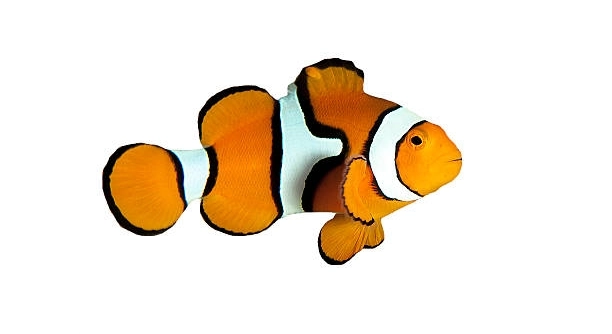
Is your clownfish suddenly shaking or twitching in a way that seems strange or worrying compared to its usual behavior?
Clownfish often shake or tremble as part of their natural social behavior, especially during dominance displays. However, if the movement is excessive or paired with other symptoms, it could signal stress, illness, or poor water conditions.
Learning how to tell the difference between natural actions and warning signs can help keep your clownfish safe and healthy.
Common Reasons Your Clownfish Is Shaking
Clownfish shaking is usually a display of submission or dominance, especially when establishing a pecking order. This behavior is more common when a new clownfish is introduced or when a pair is forming a bond. It’s normal to see one clownfish tremble in front of another, signaling that it’s not a threat. This behavior helps avoid direct conflict. However, if shaking is frequent or aggressive, it may indicate an ongoing struggle for hierarchy. Keeping an eye on their interactions is important to ensure things don’t escalate. Tank conditions also influence this behavior. Poor water quality, overcrowding, or sudden changes in temperature can heighten stress, causing clownfish to act more erratically. Test your water parameters regularly and maintain stable conditions to avoid unnecessary stress. A peaceful environment encourages healthier and more predictable behavior.
Shaking during feeding time or after a light change is usually harmless and part of how clownfish react to their environment.
If your clownfish is shaking constantly, consider checking for signs of disease, like cloudy eyes, heavy breathing, or frayed fins. These symptoms, combined with shaking, may suggest an infection or parasite. In such cases, isolating the fish and seeking treatment is necessary. Also, look at other fish in the tank. If more than one is acting oddly, your tank may be experiencing broader environmental issues. Maintaining proper salinity, pH, and temperature is key. Even subtle shifts can trigger stress responses in sensitive fish. Try to minimize loud noises or sudden disturbances near the tank. Some clownfish are more reactive than others, especially if they’re still adjusting. If shaking continues beyond a few days or worsens, consult a vet or an experienced aquarist. It’s always better to address the issue early than to risk long-term harm to your fish. Your attention makes a big difference in their well-being.
When to Take Action
Watch your clownfish closely for changes in appetite, breathing, or swimming patterns alongside the shaking. These changes may be early signs that something more serious is affecting your fish.
If the shaking appears aggressive, continues for several days, or happens with other symptoms, it’s time to step in. Start by testing your water parameters—ammonia, nitrite, nitrate, salinity, and pH. Correct any imbalances immediately. Do a partial water change if needed and remove any uneaten food or waste. Observe tankmates to see if they’re also acting strangely. If only one clownfish is affected, consider isolating it in a separate tank for closer monitoring. During isolation, check for physical signs of illness like white spots, swelling, or skin changes. Use medications only when you’re sure of the issue, as unnecessary treatments can stress your fish even more. A peaceful, clean tank with consistent care often prevents problems before they begin. Keeping a regular care routine helps your clownfish thrive.
Environmental Stress Factors
Poor water quality is one of the most common causes of clownfish stress. Even slight imbalances in ammonia, nitrite, or nitrate levels can affect their behavior. Frequent shaking may be their response to discomfort or irritation caused by toxic water conditions.
Keeping your tank clean is essential. Test the water weekly to track ammonia, nitrate, and nitrite levels. Make sure pH, salinity, and temperature stay within healthy ranges. Clownfish thrive in stable environments, and even small changes can upset their system. Overcrowding also creates stress. Too many fish in one space can lead to increased competition and aggression. Inconsistent lighting, loud noises near the tank, or sudden changes in the environment can also contribute. Use a reliable filter, keep the lighting schedule consistent, and avoid tapping on the glass. Limit changes to the tank layout, as even shifting rocks or corals too often can make them feel unsafe.
A well-established tank setup helps prevent stress-related behaviors like shaking. Clownfish do better when they have familiar surroundings and reliable routines. Avoid frequent relocation or sudden water changes. Provide hiding spaces or access to anemones or soft corals where they feel secure. When clownfish are left with no cover, they may shake from feeling vulnerable. If you’re adding new fish or invertebrates, quarantine them first to reduce risks. Introductions should be gradual. Any disruption, whether from new tankmates or environmental imbalance, can trigger a stress response. Your attention to routine, cleanliness, and stability plays a huge part in their overall comfort. Small adjustments often lead to noticeable improvements.
Illness and Parasites
Shaking paired with other symptoms like white spots, clamped fins, or loss of appetite could mean your clownfish has a parasite or infection. Common issues include marine ich, brooklynella, and flukes—all of which need fast treatment to prevent worsening.
Use a quarantine tank to observe symptoms more clearly and start treatment safely. Medications like copper-based treatments or formalin are common, but dosage must be accurate. Maintain good water quality throughout recovery. Watch for improvements within a few days. If there’s no change, recheck your diagnosis or ask an expert for help.
Compatibility with Tankmates
Not all fish get along with clownfish. Aggressive tankmates may chase or nip at them, leading to stress-induced shaking. Even constant territorial disputes can make a calm fish start acting differently.
Breeding Behavior
During mating, clownfish sometimes shake as part of courtship. Females may show dominance, while males twitch to signal submission. This is natural and usually not a concern unless it becomes aggressive or constant.
FAQ
Why is my clownfish shaking but still eating normally?
If your clownfish is eating well and appears active, the shaking is likely social behavior. Clownfish often twitch or shake to show submission, especially when establishing dominance or pairing with another. This can happen without any health issues. As long as water parameters are stable and there are no signs of disease—like spots, gasping, or physical damage—this behavior is usually harmless. Still, it’s a good idea to monitor closely for any changes. If the shaking becomes more intense or frequent, recheck the tank’s conditions and observe how other fish are reacting.
Can clownfish shake when stressed by light or movement?
Yes, sudden changes in lighting or loud movements around the tank can startle clownfish. This can trigger a short shaking episode or quick darting around. Keeping the light schedule consistent and avoiding fast hand motions near the tank helps reduce stress. Even small changes like turning lights on too quickly can surprise them. Using a dimmer or turning on room lights before the tank lights can ease transitions. Over time, most clownfish adjust to a regular routine and become less reactive, especially if their environment feels safe and predictable.
How do I tell the difference between social shaking and illness?
Social shaking is usually brief, happens in front of another clownfish, and doesn’t include other symptoms. Illness-related shaking often appears with signs like clamped fins, labored breathing, white patches, or a lack of appetite. Sick clownfish may isolate themselves or stay near the bottom. If the shaking happens all day or looks more like spasms, it’s worth investigating further. Use a flashlight to check for spots or parasites. Also, compare their behavior to tankmates. If only one fish is affected, quarantine and observe. Early detection is the best way to keep things under control.
Can new tank setups cause shaking?
Yes, new setups can be overwhelming for clownfish. Moving to a new environment or adding new decorations can trigger shaking. This is often due to stress or confusion. The fish need time to adjust. If the tank was recently cycled or rearranged, it may take a few days before they calm down. Avoid making further changes during this time. Provide hiding spots or familiar places in the tank to help them feel secure. Gradually, as they become comfortable with the space and tankmates, the shaking should decrease.
Should I be worried if both clownfish are shaking?
Not always. When forming a bond or deciding hierarchy, both clownfish may twitch or shake at each other. This can happen during the pairing process or when one becomes dominant. If there’s no fighting, missing scales, or other symptoms, it’s usually normal. However, if both fish seem weak, are breathing heavily, or show signs of irritation, you should check water conditions and look for parasites. Always rule out environmental issues first. A shared stressor, like poor water quality, can affect more than one fish at the same time.
Can clownfish shake from being lonely?
Clownfish are social, but they can live alone. A single clownfish may act differently—less active or more cautious—but shaking from loneliness isn’t common. If the fish is alone and still shaking, it’s more likely due to stress, environment, or a health issue. However, some clownfish may benefit from having a compatible tankmate. Just be sure to introduce them properly to avoid aggression. A second clownfish can sometimes help balance the tank’s energy, but only if the tank is large enough and the setup is stable.
What should I do first if my clownfish starts shaking?
Start by checking water quality. Test ammonia, nitrite, nitrate, pH, salinity, and temperature. Fix anything out of range with small changes, not sudden shifts. Then observe the fish closely for other symptoms—like spots, color changes, or breathing problems. If all seems normal, it may just be behavioral. Try to limit noise and disturbances near the tank. If you recently added new tankmates or decorations, give them a few days to settle in. If symptoms continue or worsen, isolate the fish for further observation and consider treatment.
Final Thoughts
Clownfish shaking can be a normal part of their behavior, especially when it happens during interactions with other fish. In many cases, this movement is a natural sign of submission or bonding. It’s something clownfish often do when forming pairs or establishing their social structure. If your fish is otherwise healthy, eating well, and swimming normally, there is usually no reason to worry. The shaking should settle once the social balance is in place. Observing your clownfish over time will help you learn what is normal for them and when something might be wrong.
However, not all shaking is harmless. When it happens frequently or along with other symptoms like heavy breathing, loss of appetite, color changes, or unusual swimming patterns, it may point to stress or illness. Poor water quality, disease, and aggressive tankmates can all play a role. That’s why it’s so important to test your water regularly and maintain a consistent tank environment. Even small changes in temperature, pH, or salinity can affect your clownfish’s health. If you notice other fish acting strangely or more than one showing symptoms, check the entire tank setup. Catching these issues early can help prevent larger problems.
Taking care of clownfish means more than feeding them. They rely on a clean, stable, and peaceful environment to stay healthy. Providing proper hiding spots, avoiding sudden tank changes, and introducing new tankmates carefully can reduce stress and shaking behavior. If you’re ever unsure whether a behavior is normal, take notes and look for patterns. Reaching out to a vet or experienced aquarist can also be helpful when things seem off. Being patient and observant can go a long way. In most cases, with the right care and attention, clownfish will adjust well and continue to thrive in your tank.

Hello,
If you enjoy the content that we create, please consider saying a "Thank You!" by leaving a tip.
Every little bit helps us continue crafting quality advice that supports the health, happiness, and well-being of pets around the world, for pets of all shapes, sizes, and species.
We really appreciate the kindness and support that you show us!