
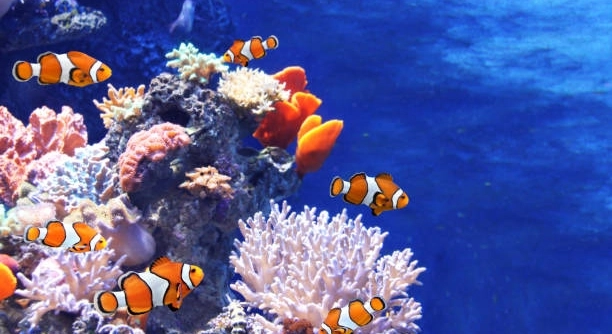
Is your clownfish acting strangely and rubbing its body against the sand or rocks at the bottom of the tank? This behavior can seem odd at first, especially if your fish seemed healthy before.
Clownfish typically scrape against the substrate due to skin irritation, which is often caused by parasites such as marine ich or Brooklynella. This reaction is a common sign of distress and should be addressed promptly to prevent further health issues.
Understanding what triggers this behavior and how to respond can make a big difference in your clownfish’s health and comfort.
Common Reasons for Substrate Scraping in Clownfish
One of the most common causes of clownfish scraping against the substrate is the presence of external parasites. Marine ich (Cryptocaryon irritans) and Brooklynella are two parasites known to cause irritation and discomfort in clownfish. These parasites attack the skin and gills, prompting the fish to rub against surfaces to find relief. Poor water quality can also contribute to stress, making the fish more vulnerable to infection. In some cases, scraping may be a reaction to sudden changes in water temperature or chemistry. Even though clownfish are hardy, they still need a stable, clean environment. Overstocked tanks, lack of quarantine for new arrivals, and inconsistent maintenance can all increase the chances of this behavior appearing. In rare cases, the scraping could be related to natural behaviors, but if the action is frequent or aggressive, it’s likely a sign of discomfort. Paying attention to other symptoms can help clarify the cause.
Tank conditions play a big role in preventing stress and illness. A stable temperature, clean substrate, and good filtration are essential for healthy behavior in clownfish.
Observing your clownfish closely and noting any additional signs like rapid breathing, loss of appetite, or faded color can help you catch potential problems early.
How to Treat and Prevent This Behavior
Start by checking your water parameters. Ammonia, nitrite, and nitrate levels should all be within safe ranges. If needed, perform a partial water change to improve quality. If parasites are suspected, isolating the affected fish in a hospital tank is important. Treatments like copper-based medications or formalin baths are commonly used, depending on the parasite. Be sure to follow directions carefully and never treat the main tank unless absolutely necessary. If Brooklynella is the issue, quick action is essential, as this parasite can be aggressive. Cleaning the main tank, including the substrate and filter components, is also important to stop the spread. Quarantining new fish for at least two weeks before introducing them can help prevent infections. Always avoid using harsh chemicals or over-treating, as this can cause even more stress to the fish. Good tank maintenance and a consistent routine will go a long way in keeping clownfish comfortable and healthy.
Recognizing When It’s a Serious Issue
Scraping that continues for several days or gets more frequent is usually a clear sign that something is wrong. When paired with other symptoms, it’s often more than just a temporary reaction or habit.
If your clownfish is scraping often and also shows signs like cloudy eyes, labored breathing, pale coloration, or staying near the water’s surface, you’re likely dealing with a health problem that needs attention. These symptoms can signal a parasite infection or even a bacterial issue. Scratching alone isn’t always urgent, but when combined with other behavior changes, it becomes a real concern. Watching closely helps determine whether to treat or wait. Early signs can be easy to miss, so staying alert and acting quickly can prevent a serious outbreak. Waiting too long can cause more stress and affect other fish in the tank. The goal is to catch it early and reduce harm.
Sometimes clownfish scrape after introducing new fish or rearranging the tank, but this usually passes quickly. If the scraping doesn’t stop, or it becomes more intense, it’s likely related to illness. Stress weakens the immune system, making clownfish more vulnerable to parasites and infections. Keeping records of changes and treatments can be helpful when evaluating progress or speaking with a vet.
The Role of Diet and Nutrition
A weak immune system can make clownfish more likely to react strongly to minor irritations. A balanced diet supports overall health and helps fish handle mild stress better without turning to constant scraping.
Feeding your clownfish high-quality pellets or frozen foods like mysis shrimp and brine shrimp provides essential nutrients. Variety is also important—rotate between different types of food to ensure they get a mix of vitamins and minerals. Avoid overfeeding, as leftover food can pollute the water and cause skin irritation. Supplementing with vitamin-enriched foods or soaking food in liquid vitamins can help if your clownfish seems stressed or vulnerable to infection. A well-fed fish will recover more quickly from minor irritation and show fewer signs of discomfort. If scraping continues even after improving diet and water quality, the issue may require a more specific treatment. Consistency in feeding and cleanliness supports recovery and long-term health.
Natural Behavior vs. Warning Signs
Clownfish may scrape now and then as part of normal behavior, especially when exploring a new tank or after a minor change. Occasional rubbing without other symptoms isn’t always a reason to worry.
Frequent, aggressive scraping paired with other signs like hiding, flashing, or loss of appetite usually points to a health problem.
When to Involve a Professional
If symptoms continue for more than a few days despite stable water conditions and proper care, reaching out to a vet or aquarium specialist is a smart step. They can help confirm whether it’s a parasite or another issue and guide treatment. Delaying too long can lead to worsening symptoms or affect other fish.
Simple Ways to Stay Ahead
Keep a regular cleaning schedule, check water levels weekly, and watch your fish’s behavior closely. Early signs are easier to treat and prevent when caught quickly.
What causes clownfish to scrape against the substrate?
Clownfish scrape against the substrate mainly because of skin irritation. This irritation can be caused by parasites like marine ich or Brooklynella, poor water quality, or stress from sudden changes in their environment. Sometimes they rub to relieve discomfort from minor injuries or irritants.
Is scraping always a sign of illness?
Not always. Occasional scraping can be normal, especially after a new tank setup or introduction of new fish. However, if scraping happens often or is combined with other symptoms like color fading, breathing issues, or loss of appetite, it usually signals a health problem that needs attention.
How do parasites cause scraping?
Parasites attach to the clownfish’s skin and gills, causing itching and irritation. The fish reacts by rubbing against surfaces to try to remove or soothe the parasites. This behavior is a natural response but can lead to further skin damage if left untreated.
What are common symptoms to watch for besides scraping?
Look for rapid gill movement, hiding, loss of appetite, color changes, clamped fins, and lethargy. These signs, together with scraping, often indicate infections or stress. Early detection is key to effective treatment.
Can poor water quality cause scraping?
Yes, poor water quality can irritate a clownfish’s skin and gills. High levels of ammonia, nitrites, or nitrates, improper pH, or sudden temperature changes all contribute to stress and skin issues that lead to scraping behavior.
How can I improve water quality?
Regular partial water changes, proper filtration, avoiding overfeeding, and testing water parameters often help keep water clean and safe. Using a good quality marine test kit helps monitor levels like ammonia, nitrite, nitrate, pH, and salinity.
When should I quarantine new fish?
Always quarantine new fish for at least two weeks before adding them to your main tank. This helps prevent introducing parasites or diseases that cause irritation and scraping in your clownfish.
What treatments work for parasites?
Treatments vary depending on the parasite. Copper-based medications, formalin baths, or freshwater dips can be effective. Always identify the parasite first and follow medication instructions carefully. Over-treating or treating the entire tank unnecessarily can stress all fish.
Is it safe to treat the main tank?
Treating the entire tank should be a last resort because many medications affect beneficial bacteria and other tank inhabitants. If possible, isolate the affected clownfish in a hospital tank for treatment to reduce risks.
How important is diet for preventing scraping?
A balanced diet supports the immune system, making clownfish less vulnerable to parasites and stress-related skin problems. Feeding a variety of high-quality pellets and frozen foods ensures they get necessary nutrients. Supplements can help during recovery or stress.
Can stress cause scraping?
Yes, stress weakens a clownfish’s immune system and can lead to increased scraping. Stress factors include sudden changes in water quality, aggressive tank mates, poor diet, overcrowding, and inadequate hiding spots.
How do I know if scraping is normal or a problem?
Normal scraping is occasional and not aggressive. Problematic scraping is frequent, rough, and linked with other symptoms like changes in behavior or appearance. Keeping a close eye on your fish’s overall health helps decide when action is needed.
What should I do if scraping persists?
If scraping lasts more than a few days despite good water conditions and care, seek advice from an aquarium specialist or vet. Persistent scraping usually means there is an underlying health issue requiring treatment.
Can scratching cause permanent damage?
If scraping is severe and ongoing, it can damage the clownfish’s skin, making it vulnerable to secondary infections. Prompt treatment reduces the risk of long-term harm.
Are there any tank maintenance tips to reduce scraping?
Keep up with regular water changes, clean substrate, and good filtration. Avoid overcrowding and monitor water parameters closely. Proper maintenance reduces stress and lowers the chances of skin irritation.
What role does tank environment play?
A stable environment with proper temperature, salinity, and pH keeps clownfish comfortable. Sudden or extreme changes can cause irritation and scraping, so gradual adjustments and consistency are best.
Can other fish cause scraping?
Aggressive or territorial tank mates can stress clownfish, leading to scraping behavior. Observe interactions and provide plenty of hiding spaces to minimize stress and prevent injuries.
Is it possible for clownfish to outgrow scraping behavior?
If scraping is due to natural causes or minor irritations, fish may stop once conditions improve. But if scraping results from parasites or poor health, it won’t go away without treatment.
How often should I monitor my clownfish?
Daily observation helps catch early signs of scraping or illness. Early intervention leads to better outcomes. Watch for changes in behavior, appetite, and appearance.
Can scraping be a sign of a fungal or bacterial infection?
Yes, infections often follow skin damage from scraping or parasites. Redness, swelling, or white patches alongside scraping suggest a secondary infection needing treatment.
What’s the best way to support recovery after treatment?
Maintain clean water, provide a nutritious diet, and avoid stressors. Monitor fish closely and continue observing behavior to ensure the problem doesn’t return.
Clownfish scraping against the substrate is a behavior that can mean several things. Sometimes, it is just a normal way for the fish to explore or adjust to its environment. However, if the scraping happens often or is paired with other signs like color fading, rapid breathing, or hiding, it is usually a sign that the fish is uncomfortable or sick. Skin irritation caused by parasites is one of the most common reasons for this behavior. Poor water quality or stress can also lead to scraping. Because clownfish are sensitive to changes in their surroundings, keeping the tank stable and clean is very important to help them stay healthy.
If you notice your clownfish scraping frequently, it is important to take action quickly. Testing your water for ammonia, nitrites, nitrates, and pH can help find if the environment is causing irritation. Sometimes, parasites need to be treated with medication, but this should be done carefully to avoid harming other tank life. Quarantining new fish before adding them to the main tank can reduce the risk of infections spreading. Feeding a balanced diet also supports the fish’s immune system and helps them handle minor irritations better. Watching your fish’s behavior closely and responding to changes early can prevent small problems from becoming serious.
Overall, maintaining a healthy environment and paying attention to your clownfish’s behavior is key. Regular water changes, proper filtration, and a steady feeding routine will support their well-being. While scraping might seem like a small issue, it can be a warning sign that something needs fixing. Taking these steps not only helps your clownfish feel better but also keeps your entire tank balanced and healthy. Staying patient and observant will make a big difference in preventing scraping and ensuring your clownfish live a long, comfortable life.

Hello,
If you enjoy the content that we create, please consider saying a "Thank You!" by leaving a tip.
Every little bit helps us continue crafting quality advice that supports the health, happiness, and well-being of pets around the world, for pets of all shapes, sizes, and species.
We really appreciate the kindness and support that you show us!