
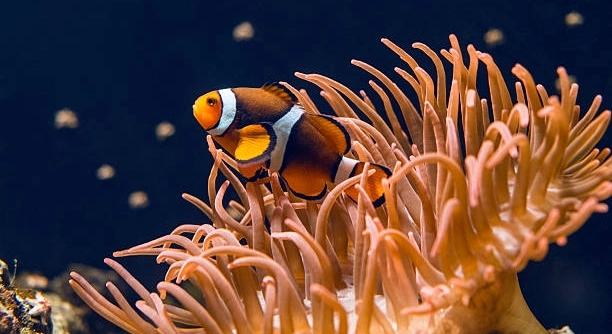
Clownfish are popular aquarium pets known for their bright colors and interesting behaviors. Many owners notice their clownfish seem more lively when they are nearby. This curious activity often sparks questions about why fish behave differently around people.
Clownfish are more active when observed because they respond to external stimuli like movement and light. This heightened awareness is a natural survival instinct, causing increased activity when they detect a presence, such as their owner watching them.
Understanding this behavior can improve how you interact with your fish and create a better environment for them. The following information explains why your clownfish acts this way and what it means for their care.
Why Clownfish React to Human Presence
Clownfish are naturally alert animals. In the wild, they stay aware of their surroundings to avoid predators and find food. When you watch your clownfish, your movement and presence create stimuli that catch their attention. Bright lights, shadows, and motion near their tank cause them to become more active. This reaction is a survival trait that helps them respond quickly to changes around them. At home, your clownfish may interpret your watching as a signal that something new or important is happening. This makes them swim faster or explore more. Their behavior is not about recognizing you personally but reacting to environmental cues. Over time, they might learn to associate your presence with feeding time, which further increases their activity when you are near. This responsiveness is a sign of their good health and alertness in their environment.
Clownfish respond to movement and light by becoming more active, which is a natural survival behavior.
Your clownfish’s increased activity when you watch shows they are alert and engaged. This responsiveness can help build a routine, as fish often anticipate feeding or interaction when you approach. Keeping consistent feeding times and limiting sudden changes in light or movement around the tank can reduce stress. Creating a calm environment encourages your clownfish to feel safe and comfortable, even when no one is watching. This balance helps maintain healthy, steady behavior and strengthens their natural rhythms.
How to Encourage Natural Behavior in Your Clownfish
Creating an environment that mimics the clownfish’s natural habitat supports normal behavior. Use proper tank decorations like anemones or artificial substitutes to provide hiding spots. These spaces give your clownfish comfort and security. Regular feeding schedules help establish trust and predictability. Avoid tapping the glass or sudden movements, which can startle the fish and cause stress. Use gentle lighting that reflects natural daylight cycles to keep their activity consistent. Observing your clownfish without disturbing them allows their natural behavior to show, making them more comfortable in their surroundings. This approach benefits their health and overall well-being.
To encourage calm behavior, keep lighting natural and avoid sudden movements around the tank.
Providing stable conditions with proper hiding spots, regular feeding, and minimal disturbances allows your clownfish to thrive. Their activity will then reflect a healthy and balanced environment rather than stress or fear. When they feel safe, their behaviors are easier to interpret, and you can enjoy watching them without triggering constant activity. Understanding these simple care techniques ensures your clownfish live comfortably, displaying natural behaviors regardless of your presence.
Common Signs of Stress in Clownfish
Stress in clownfish can show through changes in behavior and appearance. Signs include hiding excessively, loss of color, rapid breathing, and erratic swimming. These symptoms indicate discomfort or poor water conditions.
Stress often results from sudden changes in the tank environment, such as fluctuations in temperature or water quality. Loud noises, overcrowding, and aggressive tank mates can also cause stress. When stressed, clownfish may lose their appetite or stop interacting, which affects their health. Monitoring their behavior closely helps identify early signs of stress and allows for timely adjustments to their care routine.
To reduce stress, maintain stable water parameters and avoid disturbing the tank. Regularly check water temperature, pH, and ammonia levels to keep conditions ideal. Provide hiding spaces and avoid placing aggressive fish nearby. These steps create a calm environment that supports your clownfish’s well-being and helps prevent stress-related problems.
Feeding Habits and Activity Levels
Clownfish activity often increases around feeding time because they recognize cues like your presence or movement near the tank. A consistent feeding schedule helps them develop predictable behavior patterns.
Feeding your clownfish a balanced diet with varied foods like pellets, flakes, and frozen items keeps them healthy and active. Avoid overfeeding, which can lead to water quality issues and stress. Proper nutrition supports energy levels and natural behaviors, including swimming and exploring.
Healthy clownfish are naturally curious and responsive but benefit from a routine that includes feeding and minimal disturbances. Observing how your clownfish reacts to feeding can help you understand their habits and tailor their care to suit their needs better.
Tank Environment and Its Impact
A stable tank environment is essential for clownfish activity and health. Proper filtration, lighting, and temperature keep them comfortable. Sudden changes can cause stress and affect their behavior.
Keeping the tank clean and maintaining consistent water conditions supports natural activity levels. Regular water testing is important to catch issues early.
Building Trust Over Time
Clownfish may gradually get used to your presence with patience and gentle interactions. Regular, calm behavior around the tank helps them feel secure.
Light and Activity Patterns
Lighting affects clownfish behavior by influencing their day-night cycle. Consistent light schedules promote natural activity and rest patterns.
Avoiding Overstimulation
Too much noise or rapid movements can overwhelm clownfish. Minimizing disturbances helps keep them calm and active naturally.
FAQ
Why is my clownfish only active when I’m watching?
Clownfish are naturally alert to changes around them. Your movement, presence, and light near the tank stimulate their senses, making them more active. This reaction is part of their survival instinct, helping them stay aware of potential food or danger. When no one is watching, they tend to rest or swim slowly, conserving energy.
Can my clownfish recognize me?
Clownfish don’t recognize people like pets such as dogs or cats do. However, they can learn to associate your presence with feeding times or other regular events. This association explains why they become more active when you approach the tank, as they expect food or interaction.
Is it normal for clownfish to hide a lot?
Yes, hiding is normal, especially if the clownfish is new to the tank or feeling stressed. Providing hiding spots with rocks or artificial anemones helps them feel secure. Excessive hiding, though, might indicate stress or poor water conditions that need attention.
What can cause stress in clownfish?
Stress can come from sudden changes in water temperature, poor water quality, loud noises, aggressive tank mates, or overcrowding. Stress affects their behavior and health, so it’s important to keep the tank stable and avoid frequent disturbances.
How often should I feed my clownfish?
Feeding twice a day with small amounts is ideal. Overfeeding can pollute the tank and harm your fish’s health. Use a balanced diet of pellets, flakes, and occasional frozen or live foods to keep them healthy and active.
Why does my clownfish lose color sometimes?
Color loss can result from stress, poor diet, illness, or improper water conditions. Ensuring a stable environment and nutritious food usually helps restore their vibrant colors.
Can lighting affect my clownfish’s behavior?
Yes, lighting plays a role in their activity. Consistent light and dark cycles mimic natural conditions, helping regulate their day and night patterns. Too much or too little light can cause stress or irregular behavior.
Is it okay to tap the glass to get my clownfish’s attention?
Tapping the glass can startle clownfish and cause stress. It’s better to move slowly and avoid sudden noises or movements around the tank to keep them calm and comfortable.
How do I know if my clownfish is healthy?
Healthy clownfish are active, swim smoothly, have bright colors, and eat regularly. Watch for signs like loss of appetite, discoloration, lethargy, or unusual swimming patterns as indicators of possible health issues.
What should I do if my clownfish seems sick?
If you notice signs of illness, test the water quality first. Poor water conditions often cause sickness. Quarantine the fish if possible, and consult a veterinarian or fish care expert for diagnosis and treatment. Early intervention improves recovery chances.
Can clownfish live without anemones?
Yes, clownfish can live happily without anemones in a home aquarium. Many owners use artificial anemones or provide rock formations for hiding. While anemones offer natural shelter, they are not necessary for clownfish survival in captivity.
How big should my clownfish tank be?
A minimum of 20 gallons is recommended for one clownfish. Larger tanks provide more stable water conditions and space for natural behavior, which benefits the fish’s overall well-being.
Do clownfish get lonely?
Clownfish are social creatures but can be territorial. They do well in pairs or small groups if the tank is large enough. Keeping too many clownfish together in a small space can cause aggression.
Can I keep clownfish with other fish?
Yes, but choose compatible species. Avoid aggressive or very large fish that might stress or harm clownfish. Peaceful community fish that occupy different tank levels work best.
What water parameters do clownfish need?
Maintain temperature between 74-78°F, pH around 8.0-8.4, and stable salinity. Regular testing and water changes help keep these conditions consistent for healthy clownfish.
How do I clean my clownfish tank without stressing the fish?
Perform regular water changes and clean the tank carefully. Avoid sudden movements or loud noises. Use gentle suction to remove debris without disturbing the fish or their environment too much.
Clownfish are fascinating pets that show interesting behaviors, especially when it comes to how they react to their owners. It is normal for clownfish to become more active when they sense someone watching them. This behavior comes from their natural instincts to respond to changes in their surroundings. Movement, light, and presence near the tank catch their attention and make them swim more or explore. Understanding this helps us appreciate their alertness rather than thinking it is unusual or strange. It also reminds us that these fish are sensitive to their environment and depend on stable conditions to feel safe.
Creating a calm and consistent environment is important for clownfish health and well-being. They thrive best when water quality is stable, temperatures are steady, and lighting follows a regular day-night cycle. Sudden changes or loud noises can cause stress, which leads to hiding, color loss, or even illness. Providing hiding places and avoiding too much disturbance allows clownfish to relax and behave naturally. Feeding them a balanced diet and following a consistent schedule supports their energy and activity. When clownfish feel secure, their natural behaviors shine through, making them easier to care for and enjoy.
Taking the time to learn about clownfish behavior and care helps build a better relationship with these pets. Patience and observation are key to understanding what makes them comfortable or stressed. While they may never fully recognize people like other pets, they respond to routine and gentle interactions. This responsiveness is part of their charm and a sign of good health. Focusing on stable tank conditions, proper feeding, and minimizing sudden disturbances ensures your clownfish remain active and happy whether you are watching or not. These small efforts create a healthy home for your clownfish and enrich your experience as a caretaker.

Hello,
If you enjoy the content that we create, please consider saying a "Thank You!" by leaving a tip.
Every little bit helps us continue crafting quality advice that supports the health, happiness, and well-being of pets around the world, for pets of all shapes, sizes, and species.
We really appreciate the kindness and support that you show us!