
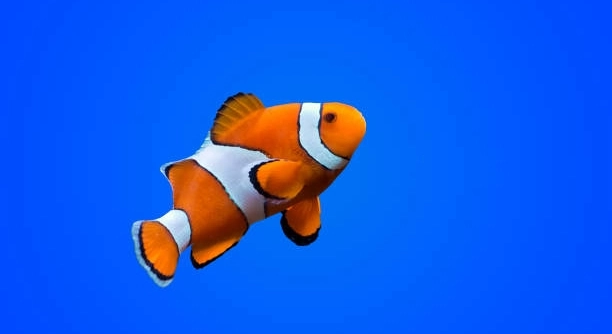
Many aquarium owners notice their clownfish spending time near plastic plants. These artificial decorations often become a favorite spot for fish. Understanding why this happens can improve both fish care and tank setup.
Clownfish host plastic plants primarily for shelter and security. These plants provide hiding spaces that mimic natural environments, reducing stress and offering protection. The stationary nature of plastic plants makes them a reliable refuge compared to live plants or open water.
Exploring the reasons behind this behavior can help you create a healthier, more comfortable habitat for your clownfish. This knowledge supports better aquarium management and fish well-being.
Why Clownfish Choose Plastic Plants
Clownfish are naturally drawn to places that offer safety and comfort. In the wild, they live among sea anemones, which provide shelter from predators. In home aquariums, plastic plants act as a substitute by giving them a secure spot to rest and hide. The shape and texture of these plants can feel familiar, helping reduce stress. Unlike live plants, plastic ones don’t change or require special care, making them a stable environment. The fixed position of plastic plants means clownfish can establish territory and feel more confident moving around the tank. This behavior is not just about hiding but also about marking a safe zone. Observing your clownfish near these plants shows their need for a place that feels like home. Understanding this can help you choose the best decorations to keep your fish calm and happy in their space.
Plastic plants provide a stable and safe environment that clownfish naturally seek out for comfort and protection.
To create a healthy habitat, consider the placement of plastic plants carefully. Position them where your clownfish can easily access shelter but also have room to swim freely. Avoid overcrowding the tank with decorations, as this may limit swimming space and increase stress. Regularly check the plants for algae or dirt buildup to maintain a clean environment. Plastic plants are also useful for territorial clownfish, as they help reduce aggression by giving clear boundaries. When selecting plastic plants, choose those with smooth edges and natural shapes to prevent injury. By paying attention to these details, you support your clownfish’s natural behaviors while keeping your aquarium visually pleasing and functional.
How Plastic Plants Affect Clownfish Behavior
Plastic plants can influence clownfish behavior in positive ways.
These plants offer constant shelter that doesn’t change or decay like live plants might. This consistent refuge helps clownfish feel safe and secure in their environment. Plastic plants also encourage natural hiding and resting behaviors, which are important for fish well-being. When clownfish have a reliable hiding place, they tend to be less stressed and more active when exploring the tank. Additionally, these plants can act as a social hub, where clownfish gather or interact with tank mates. Providing a structured environment helps maintain peace and reduces territorial disputes. While live plants require care and can sometimes harm fish if they decay, plastic plants eliminate those risks. By including plastic plants thoughtfully, you support your clownfish’s natural instincts and promote a calm, balanced aquarium atmosphere.
Caring for Plastic Plants in Your Aquarium
Plastic plants need regular cleaning to stay safe for your clownfish. Over time, algae and debris can build up, making the plants less attractive and possibly harmful. Use a soft brush or sponge to gently scrub them during tank maintenance. Avoid harsh chemicals, as residues can stress or poison fish.
Keeping plastic plants clean prevents unwanted bacteria and algae growth. Cleaning every two weeks is usually enough unless your tank conditions require more attention. Remove plants during water changes to clean thoroughly. Rinse well to avoid soap or cleaner residues. Clean plants help maintain water quality and reduce stress for your clownfish.
Inspect plastic plants for damage regularly. Cracked or sharp edges can injure fish. Replace damaged plants immediately to avoid harm. Also, make sure plastic plants are securely anchored so they don’t float or topple, which can frighten or injure your clownfish. Proper care of plastic plants helps create a safe, comfortable habitat.
Choosing the Right Plastic Plants for Clownfish Tanks
Select plastic plants with smooth, rounded edges to protect your clownfish from cuts or abrasions. Natural-looking shapes and colors tend to encourage fish to explore and rest near them more comfortably.
Avoid plants made from hard or brittle materials that can break easily. Choose sizes that fit well within the tank without overcrowding swimming space. Plants that mimic natural coral or anemone shapes work well because they resemble the clownfish’s natural habitat. Also, consider plants that are easy to clean and durable to maintain water quality over time. With the right selection, plastic plants can enhance your aquarium’s appearance while supporting your clownfish’s behavior and health.
Signs Your Clownfish Likes Its Plastic Plants
Clownfish often hover or rest near plastic plants, showing comfort and security. They may dart quickly into plants when feeling threatened or use them to establish territory. These behaviors indicate the plants are meeting their need for shelter and safety.
When clownfish clean themselves near plastic plants or repeatedly return to the same spot, it signals they feel at ease. Watching these signs helps you understand their preferences and adjust the tank environment accordingly.
Impact of Plastic Plants on Water Quality
Plastic plants do not absorb nutrients or affect water chemistry like live plants do. However, if not cleaned regularly, they can accumulate algae, waste, and debris. This buildup can degrade water quality and promote harmful bacteria growth. Regular cleaning helps maintain a healthy tank environment.
Alternatives to Plastic Plants
Live plants offer natural filtration and oxygenation but require specific care and conditions. Other decorations, like rocks or coral replicas, provide shelter but may not feel as safe to clownfish. Balancing different types of decorations can create an enriching habitat for your fish.
FAQ
Why does my clownfish spend so much time near the plastic plants?
Clownfish use plastic plants as safe spots where they can rest and hide from potential threats. These plants provide shelter similar to their natural environment, like sea anemones. Spending time near plastic plants helps reduce their stress and makes them feel secure.
Can plastic plants harm my clownfish?
If plastic plants have sharp edges or cracks, they can injure your clownfish. It’s important to check the plants regularly and remove any damaged ones. Also, unclean plastic plants can harbor algae or bacteria, which might affect water quality and fish health.
Are plastic plants better than live plants for clownfish tanks?
Plastic plants are easier to maintain and won’t decay like live plants. They provide consistent shelter without affecting water chemistry. However, live plants can improve water quality by absorbing nitrates and producing oxygen, but they need proper lighting and care.
How often should I clean plastic plants?
Cleaning plastic plants every two weeks is a good routine for most tanks. Use a soft brush and warm water to remove algae and debris. Avoid harsh chemicals or soaps, as residues can harm your fish. Regular cleaning keeps the tank environment safe and healthy.
Can clownfish damage plastic plants?
Clownfish generally do not damage plastic plants. They use them mainly for shelter and resting. However, if plants are flimsy or poorly anchored, fish movement might shift or knock them over, which could cause minor wear or damage over time.
Is it normal for clownfish to hide all the time?
Clownfish hiding often can be normal, especially when they feel stressed or threatened. Plastic plants offer a safe refuge. However, if hiding is excessive, it might signal tank problems like poor water quality, aggressive tank mates, or illness, which need to be addressed.
How can I make plastic plants safer for my clownfish?
Choose plastic plants with smooth edges and natural shapes. Secure them firmly in the tank to prevent shifting. Regular cleaning prevents algae buildup, and inspecting for damage ensures no sharp parts hurt your fish. These steps keep the plants safe and comfortable.
Do plastic plants affect water parameters?
Plastic plants do not directly change water parameters because they are inert. But algae or debris buildup on plants can affect water quality if not cleaned. Maintaining clean plastic plants supports stable tank conditions, helping your clownfish stay healthy.
Can I use both live and plastic plants together?
Yes, combining live and plastic plants is possible. Live plants improve water quality, while plastic plants provide stable shelter. Make sure both types suit your tank size and lighting needs. This combination can create a balanced, attractive habitat for your clownfish.
What should I do if my clownfish ignores the plastic plants?
If your clownfish ignores plastic plants, it might feel secure elsewhere or prefer other tank decorations. Make sure the plants are placed in quiet, low-traffic areas. You can try different plant shapes or locations to encourage use. Observing your fish helps you understand their preferences.
Are certain plastic plant colors better for clownfish?
Natural colors like green, brown, or reddish shades usually appeal more to clownfish because they resemble their natural habitat. Bright or unnatural colors might be less inviting. Choosing plants with subtle, realistic hues encourages your fish to use them as shelter.
How do plastic plants compare to anemones for clownfish?
Anemones offer natural protection and a symbiotic relationship with clownfish but require specialized care and stable water conditions. Plastic plants do not provide the same biological benefits but are low-maintenance and still offer a safe place for clownfish to rest and hide.
Clownfish often choose plastic plants because these decorations offer them a sense of safety and comfort. In the absence of live anemones or natural hiding spots, plastic plants provide a reliable place where clownfish can rest, hide, and feel protected. This behavior is natural and shows how your fish adapt to their environment. Plastic plants do not change or decay like live plants, so they create a stable space that clownfish can depend on daily. Understanding this helps you provide better care by arranging the tank to meet their needs.
Taking care of plastic plants is important to maintain a healthy aquarium. Over time, algae and debris can build up on the plants, which may harm water quality or stress your fish. Regular cleaning, using gentle methods, keeps the plants looking good and safe for your clownfish. It’s also necessary to check for any damage, like sharp edges or cracks, because these could injure your fish. By paying attention to these details, you help your clownfish stay comfortable and safe in their habitat.
Choosing the right type of plastic plants matters as well. Natural colors and smooth textures encourage clownfish to use these decorations as shelter. Avoid overcrowding the tank to give your fish enough swimming space while still offering places to hide. Combining plastic plants with live plants or other decorations can also create a balanced environment. Overall, plastic plants are a practical and useful addition to a clownfish tank, helping to support the fish’s natural behaviors and well-being.

Hello,
If you enjoy the content that we create, please consider saying a "Thank You!" by leaving a tip.
Every little bit helps us continue crafting quality advice that supports the health, happiness, and well-being of pets around the world, for pets of all shapes, sizes, and species.
We really appreciate the kindness and support that you show us!