
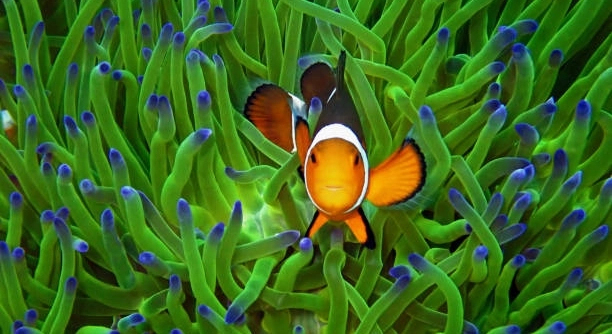
Clownfish are popular pets for many aquarium enthusiasts. Sometimes, these fish spend a lot of time near the heater in their tanks. This behavior can seem unusual or concerning to owners who want the best care for their fish.
Clownfish hanging around the heater often seek warmer water due to stress, illness, or suboptimal tank temperature. Maintaining a stable, appropriate temperature and monitoring water quality helps ensure their health and comfort.
Understanding why your clownfish prefers the heater area can improve its well-being and keep your aquarium balanced. The following information will explain the reasons behind this behavior.
Why Clownfish Seek Warm Spots in the Tank
Clownfish are sensitive to water temperature changes. When their environment is too cold or fluctuates too much, they instinctively move toward warmer areas like near the heater. This helps them maintain their body temperature and stay comfortable. Inconsistent or low temperatures can cause stress, making the fish more vulnerable to disease. Sometimes, the heater area may feel like a safe spot if the rest of the tank feels off. It is important to regularly check your aquarium’s temperature with a reliable thermometer to ensure it stays within the ideal range of 75 to 82 degrees Fahrenheit. Proper heating prevents sudden temperature drops, which can affect your clownfish’s health. Besides temperature, poor water quality or an illness may also drive them to the heater. Observing your fish’s behavior and maintaining good tank conditions supports their well-being and reduces the need for them to seek warmer spots constantly.
Keeping the tank temperature stable reduces stress and promotes healthy clownfish activity and appetite.
Watching where your clownfish spends most of its time gives clues about the tank environment. If the fish lingers near the heater, test the water temperature and quality first. A sudden shift in water parameters or low oxygen levels can make your clownfish uncomfortable. Additionally, infections or parasites can cause lethargy and a preference for warmth. Regular water changes and tank maintenance can help prevent these issues. If illness is suspected, consider consulting an aquatic veterinarian for proper diagnosis and treatment. A well-maintained tank with consistent temperature creates a balanced habitat that supports your clownfish’s natural behavior and health.
How to Adjust Your Aquarium for Clownfish Comfort
The first step is to verify your heater’s accuracy and adjust it if needed. Using a separate thermometer helps ensure the water is at a proper temperature. If the heater is too strong or creates uneven heat zones, reposition it or use a heater guard to distribute warmth evenly. Maintaining stable temperature prevents your fish from needing to find a warm spot constantly. Keep the tank clean by regularly testing water parameters like pH, ammonia, and nitrites, as these affect fish comfort. Proper filtration and regular water changes also improve water quality. If your clownfish continues to stay near the heater despite these measures, observe its behavior for signs of illness. Proper care and attention to environmental factors will encourage your clownfish to explore the entire tank rather than staying in one warm area.
Signs of Stress and Illness in Clownfish
Clownfish showing stress or illness often act differently. They may hide more, lose appetite, or swim sluggishly. Color changes or spots on their body can also appear. Watching these signs early helps in taking action before problems worsen.
Stress weakens the immune system and makes clownfish more prone to diseases. Causes of stress include poor water quality, sudden temperature changes, overcrowding, or aggressive tank mates. Illnesses such as ich, bacterial infections, or parasites can cause abnormal behavior. Providing a clean, stable environment is crucial. If your fish shows signs of illness, it’s important to test water parameters immediately and consider quarantine or treatment if necessary. Ignoring these signs can lead to severe health decline.
Monitoring your clownfish daily allows you to catch stress symptoms early. Using water test kits helps keep tank conditions optimal. If illness is suspected, consulting a professional can save your fish’s life. Prevention through good care is always better than treatment.
Maintaining Proper Tank Conditions
Temperature should remain steady between 75 and 82 degrees Fahrenheit, avoiding sudden fluctuations. Use a reliable heater and thermometer to maintain this range consistently.
Keeping water clean is essential. Regular water changes, about 10-20% weekly, remove toxins and keep chemical levels balanced. Test for ammonia, nitrites, and nitrates regularly. Proper filtration supports a healthy environment. Overfeeding should be avoided, as leftover food can pollute water. Providing enough space and hiding spots reduces stress. Maintaining a balanced ecosystem helps your clownfish thrive and behave normally. Consistent tank care ensures they won’t seek warmth near the heater out of discomfort.
Common Heater Problems in Aquariums
Heaters can malfunction by overheating or failing to turn on. This causes uneven temperatures that stress fish. Regularly check the heater’s function to prevent issues.
A faulty heater may create hot spots or cold zones. Using a second thermometer helps monitor water temperature accurately. Replace damaged heaters promptly to maintain stable conditions.
Proper Placement of Aquarium Heaters
Position heaters where water flows well, such as near filters or pumps. This helps distribute heat evenly throughout the tank, avoiding temperature layering.
When to Seek Professional Help
If your clownfish continues to hang near the heater despite proper tank care, illness or injury could be the cause. A veterinarian experienced with fish can provide diagnosis and treatment options.
Importance of Consistent Monitoring
Regular observation of your clownfish’s behavior and tank conditions helps catch problems early. Consistency in care prevents many common issues that affect fish health.
FAQ
Why does my clownfish stay near the heater all the time?
Clownfish often stay near the heater if the water temperature is too low or inconsistent in other parts of the tank. This behavior helps them stay warm and comfortable. It may also indicate stress or illness, so checking water quality and fish health is important.
How can I tell if my clownfish is sick?
Signs of sickness include loss of appetite, lethargy, unusual swimming patterns, faded colors, or spots on the body. If your clownfish is hanging near the heater and showing these signs, it could be ill and may need treatment or quarantine.
What temperature is best for clownfish?
Clownfish thrive in temperatures between 75 and 82 degrees Fahrenheit. Keeping the temperature steady within this range prevents stress and promotes healthy behavior.
How often should I check my aquarium’s temperature?
It’s best to check the temperature daily or every few days, especially if you notice unusual behavior. Using a reliable thermometer helps you catch any changes early.
Can a heater cause problems in the tank?
Yes, a malfunctioning heater can cause overheating or cold spots. This can stress your clownfish or harm other tank inhabitants. Regular testing and maintenance of your heater are necessary.
What should I do if my heater stops working?
Turn off the heater and remove it from the tank if possible. Use a backup heater or move your fish to a temporary tank with stable temperature until the heater is replaced or repaired.
Does poor water quality affect where my clownfish swims?
Yes, poor water quality can make your clownfish seek warmer or safer areas like near the heater. Testing water parameters and performing regular water changes help maintain a healthy environment.
How often should I clean my aquarium?
Perform partial water changes weekly, usually 10-20% of the tank volume. Clean filters and remove debris regularly to keep the water clear and healthy.
Is it normal for clownfish to hide near the heater sometimes?
Occasional hiding near the heater can be normal, especially if the fish feels cold or stressed. Persistent hiding or staying only in that area suggests a problem that needs attention.
Can overcrowding cause my clownfish to act strangely?
Yes, overcrowding increases stress and competition for resources, which can cause your clownfish to behave abnormally, including staying near the heater.
What should I do if my clownfish is stressed?
Check water temperature and quality first. Make sure the tank isn’t overcrowded and provide hiding places. Reduce sudden changes in the tank environment to help your clownfish feel secure.
How can I prevent illness in my clownfish?
Maintain stable water temperature, keep the tank clean, avoid overfeeding, and monitor fish behavior regularly. Quarantine new fish before adding them to the tank to prevent disease spread.
Can changes in lighting affect my clownfish’s behavior?
Yes, sudden changes or inappropriate lighting can stress fish. Use a consistent light schedule and avoid very bright or flickering lights.
Should I isolate my clownfish if it stays near the heater too much?
Isolation might help if the fish is sick or stressed. Quarantine it in a separate tank to monitor and treat any illness without affecting other fish.
What role does diet play in my clownfish’s health?
A balanced diet strengthens your clownfish’s immune system and overall health. Feed high-quality pellets, flakes, and occasional live or frozen food. Avoid overfeeding to keep water quality high.
Final Thoughts
Clownfish spending time near the heater is often a sign that something in their environment needs attention. Temperature plays a big role in their comfort and health, so keeping it steady within the ideal range is important. If the water is too cold or unevenly heated, clownfish will naturally seek out warmer areas like the heater. This behavior can also signal stress or illness, so it should not be ignored. Regularly monitoring water temperature and quality is an essential part of responsible aquarium care. This simple step can help prevent many common problems and keep your clownfish healthy and active.
Maintaining a clean and stable tank environment benefits clownfish in many ways. Proper filtration, regular water changes, and balanced feeding routines all contribute to good water quality. Stress from poor water conditions or overcrowding can weaken a clownfish’s immune system, making it more likely to show unusual behavior such as lingering near the heater. Observing your clownfish’s habits carefully allows you to detect early signs of stress or illness. When problems arise, taking prompt action by adjusting the tank environment or seeking professional advice can improve your fish’s chances of recovery.
In the end, the goal is to provide a comfortable and safe home for your clownfish. Paying close attention to tank conditions and the fish’s behavior helps create a balanced habitat where they can thrive. Understanding why your clownfish hangs around the heater helps identify potential issues before they worsen. By keeping the temperature stable, water clean, and fish healthy, you reduce the chances of your clownfish needing to seek out warm spots for comfort. Consistent care and observation will support the long-term well-being of your clownfish and make your aquarium experience more rewarding.

Hello,
If you enjoy the content that we create, please consider saying a "Thank You!" by leaving a tip.
Every little bit helps us continue crafting quality advice that supports the health, happiness, and well-being of pets around the world, for pets of all shapes, sizes, and species.
We really appreciate the kindness and support that you show us!