
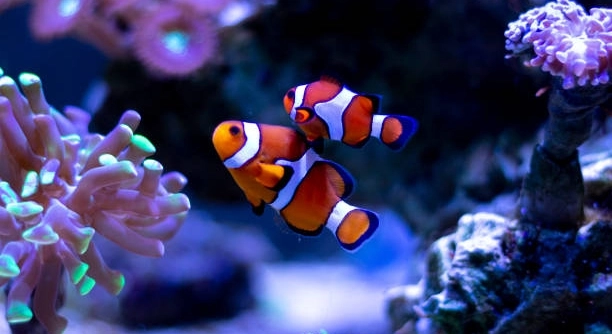
Is your clownfish suddenly rubbing against rocks, leaving you puzzled about its strange new behavior in your aquarium? You’re not alone. Many fish owners notice this and wonder what it might mean for their pet.
The most common reason clownfish flash against rocks is due to external parasites or skin irritation. This behavior is an attempt to relieve discomfort. Environmental stress, poor water quality, or early signs of disease may also contribute.
Learning more about what causes flashing and how to respond can help you protect your clownfish’s health and prevent future issues.
Common Reasons Clownfish Flash Against Rocks
Clownfish often flash or rub against rocks when something in their environment is irritating their skin. The most frequent cause is parasites, such as marine ich or flukes, which can make them feel itchy or uncomfortable. Poor water quality is another major factor—high levels of ammonia or nitrates can irritate the fish’s skin and gills, leading to abnormal behavior. New tank additions, including other fish or corals, can also introduce stress or disease. It’s important to rule out aggressive tank mates as well. If another fish is bullying your clownfish, it may use the rocks as a way to protect itself or relieve anxiety. Any sudden changes in water parameters, like temperature or pH, may also trigger flashing. If flashing is persistent, the best step is to monitor closely and test the water, then make slow, informed adjustments to help your clownfish feel more comfortable in its tank.
Flashing occasionally is not always a concern. But if it becomes frequent, you should investigate your tank conditions right away.
Look for any signs of white spots, labored breathing, or changes in appetite. These may indicate disease or stress and require quick action to prevent bigger problems.
How to Help Your Clownfish Stop Flashing
Start by testing your water parameters. Use a reliable test kit to check ammonia, nitrite, nitrate, salinity, and pH levels. If anything is outside the normal range, make gradual adjustments. Avoid large, sudden changes that may stress the fish even more. Next, observe other fish in the tank for similar symptoms. If others are flashing or acting oddly, it may point to parasites or a shared water issue. If flashing continues beyond a few days or other signs of illness appear, consider quarantining your clownfish and treating with a reef-safe antiparasitic medication. Make sure your tank has stable temperatures, plenty of hiding spaces, and low aggression from other species. Keeping up with regular maintenance, such as water changes and filter cleanings, plays a major role in preventing future problems. Healthy clownfish behavior includes swimming normally, eating regularly, and interacting calmly with their surroundings. Pay attention to even small shifts—they can reveal more than you think.
Signs That Flashing Is a Problem
Frequent flashing, especially when paired with other symptoms, is usually a sign that something is wrong. If your clownfish is flashing several times a day, or seems distressed while doing it, action is needed.
Look for other warning signs like loss of appetite, cloudy eyes, faded colors, or rapid breathing. These often appear alongside flashing when the fish is dealing with parasites or stress. If your clownfish is hiding more than usual or avoiding other tank mates, it may be trying to protect itself from further irritation. Mucus on the body or visible wounds also point to a deeper issue. Watch how long the behavior lasts—if it continues for more than a few days, it should be treated seriously. Regular observation helps catch issues early before they develop into more serious conditions that could affect the health of the entire tank.
Do not confuse occasional scratching with flashing caused by illness. Fish may occasionally rub against surfaces after feeding or when exploring their environment. This behavior is brief and not repeated constantly. Flashing due to illness tends to happen in quick bursts and looks more urgent. When in doubt, track the frequency and check your water levels. If anything seems off, it’s safer to investigate early than to wait. Acting promptly can often prevent a small problem from becoming a serious one.
When to Use Medication
Medication should only be used when you’re sure the problem is parasite-related and cannot be solved through water changes or improved tank conditions. Look for signs like white spots, visible worms, or frayed fins.
Before medicating, quarantine the affected clownfish in a separate tank to avoid stressing other fish or harming invertebrates. Use treatments specific to the issue, like copper-based medications for marine ich or praziquantel for flukes. Follow dosage instructions carefully and monitor the fish throughout treatment. Avoid mixing medications unless directed by a vet. During treatment, keep the quarantine tank clean and well-aerated, and continue testing water quality. After the treatment cycle ends, watch your fish closely for at least a few days before reintroducing it to the main tank. Medications are helpful but should not be used as a first step. Always confirm the cause before using them, and focus on maintaining long-term tank stability.
Natural Behaviors vs. Warning Signs
Clownfish may occasionally flash or rub against rocks as part of their normal grooming routine. It helps them remove debris or shed old skin. This is harmless if it happens rarely and without other symptoms.
Repeated flashing, especially when paired with changes in appetite or color, should not be ignored. It often signals stress or disease.
Importance of Tank Maintenance
Clean water is one of the best ways to prevent flashing. Regularly test your tank’s parameters and keep ammonia, nitrite, and nitrate levels in check. Perform partial water changes weekly and clean filters as needed. Avoid overfeeding, which can lead to waste buildup and lower water quality. Use a protein skimmer if necessary. Stable temperatures, gentle lighting, and calm tank mates also help reduce stress. When introducing new fish or corals, quarantine them first to avoid spreading parasites. Taking the time to maintain your tank properly will keep your clownfish healthy, prevent illness, and reduce abnormal behaviors like flashing. Prevention is always easier than treatment.
When to Call a Vet
If you’ve tried everything and your clownfish is still flashing or getting worse, contacting a vet with marine fish experience is the best next step.
FAQ
Can flashing be caused by poor water quality?
Yes. Poor water quality is one of the most common causes of flashing. High levels of ammonia, nitrites, or nitrates irritate your clownfish’s skin and gills, causing discomfort. pH swings and unstable temperatures can also trigger stress-related behaviors. Regular water testing, weekly partial water changes, and filter cleaning help prevent this issue.
Is it normal for clownfish to rub on rocks occasionally?
Occasional rubbing can be normal if it happens infrequently and your clownfish shows no signs of illness. Some clownfish may flash briefly after feeding, while exploring, or when adjusting to their surroundings. If this behavior increases or is paired with other symptoms like hiding, weight loss, or cloudy eyes, it’s time to investigate further.
Can clownfish get ich or flukes?
Yes, clownfish are vulnerable to both marine ich (Cryptocaryon irritans) and flukes. Ich appears as white spots on the skin, while flukes may cause excess mucus, labored breathing, or inflamed gills. These parasites irritate the fish and often lead to frequent flashing. Quarantine and proper medication are necessary to treat these conditions.
What should I do first if I see my clownfish flashing?
Start by checking your tank’s water parameters—ammonia, nitrite, nitrate, pH, temperature, and salinity. If all readings are normal, observe your clownfish closely for other symptoms. If flashing persists or worsens, consider moving the fish to a quarantine tank and using a reef-safe antiparasitic treatment after confirming the cause.
Should I treat the entire tank with medication?
Not unless absolutely necessary. Treating the whole tank can harm invertebrates and disrupt your biological balance. It’s safer to move the affected fish to a quarantine tank and treat it separately. Only medicate the main tank if multiple fish are infected and there’s no way to remove them safely.
Can stress alone cause flashing?
Yes. Stress can cause clownfish to flash, even if there are no parasites. Common stressors include poor tank conditions, sudden changes in water parameters, aggressive tank mates, overcrowding, or loud noises around the tank. Reducing stress by improving the tank environment can often resolve the behavior without medication.
How long should I quarantine a new fish before adding it to the main tank?
Quarantine all new fish for at least 2–4 weeks. This gives you time to observe for signs of disease or parasites before introducing them to your main display tank. During quarantine, maintain stable water conditions and feed high-quality foods to support their immune system.
Can flashing spread to other fish in the tank?
Flashing itself doesn’t spread, but the cause behind it—such as parasites or poor water quality—can affect other fish. If one clownfish is flashing and others begin to show signs too, you may be dealing with an outbreak or tank-wide issue that needs immediate attention.
Do clownfish get stressed by strong currents or lights?
Yes. Clownfish prefer gentle currents and moderate lighting. Strong flow or harsh lighting can increase stress, especially in smaller tanks. Make sure your filtration and lighting setup is appropriate for your tank size and livestock. Providing shaded areas and low-flow zones helps your fish feel more comfortable.
When is it time to seek help from a vet?
If your clownfish continues to flash after you’ve tested and adjusted the water, ruled out aggression, and tried treatment without improvement, contact a vet with marine fish experience. A professional can perform diagnostic tests and recommend targeted treatments that are safer and more effective than guessing.
Final Thoughts
Caring for clownfish means paying attention to even the smallest changes in behavior. Flashing against rocks may seem minor at first, but it often signals that something in the tank is bothering your fish. Whether it’s a parasite, poor water quality, or stress from a new environment, this behavior should not be ignored if it happens often. Taking a calm and careful approach to understanding the cause is the best way to protect your clownfish’s health. Small adjustments, like testing your water or changing your maintenance routine, can make a big difference.
Keeping your tank clean, stable, and well-balanced helps prevent most problems that lead to flashing. Quarantining new fish, choosing peaceful tank mates, and providing hiding spaces will also reduce stress. Observation is key. Learning what is normal for your clownfish helps you notice when something feels off. Not every case of flashing means there’s a serious issue, but it’s always worth checking, especially if the behavior increases or is joined by other symptoms. Catching problems early can prevent the need for heavy treatments later.
Maintaining a healthy tank is an ongoing task, but it doesn’t have to be overwhelming. Stay consistent with water changes, monitor the health of your fish, and respond quickly to signs of stress or illness. If flashing continues after these steps, don’t hesitate to speak with a marine vet. Having support from professionals can take the guesswork out of care. Your clownfish will reward your efforts with active, colorful behavior and a strong presence in your tank. By keeping their environment safe and comfortable, you’re giving them the best chance to thrive.

Hello,
If you enjoy the content that we create, please consider saying a "Thank You!" by leaving a tip.
Every little bit helps us continue crafting quality advice that supports the health, happiness, and well-being of pets around the world, for pets of all shapes, sizes, and species.
We really appreciate the kindness and support that you show us!