
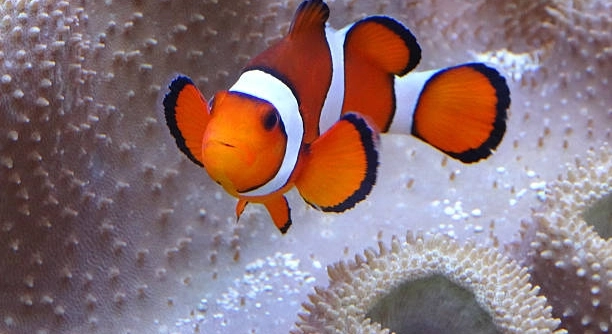
Clownfish are fascinating pets with many unique behaviors. One interesting action you might notice is your clownfish building a nest out of sand. This behavior can be surprising, especially if you’re new to caring for these colorful fish.
Clownfish build sand nests primarily as part of their breeding behavior. They prepare a safe and clean area to lay eggs and protect them from predators. This natural instinct is essential for their reproduction and survival in the wild and captivity.
Learning about your clownfish’s nesting habits helps you better care for them. Understanding this behavior can improve your aquarium environment and support your fish’s health and well-being.
Why Clownfish Build Sand Nests
Clownfish build sand nests mainly to create a safe spot for laying their eggs. The nest helps keep the eggs secure and clean, away from potential threats in their environment. This behavior is linked to their natural breeding cycle. Before laying eggs, the clownfish will clear an area on the sand or near a rock, removing debris and small particles to make a smooth surface. This ensures the eggs have the best chance to develop without being disturbed. The male clownfish usually takes charge of this nest-building and also guards the eggs once they are laid. In captivity, this instinct can still appear even if there are no immediate dangers. Observing this nesting behavior gives insight into how healthy and comfortable your clownfish feels in the tank.
Sand nest building is a sign of natural breeding behavior. It shows your clownfish is preparing for reproduction.
Knowing why your clownfish makes these nests helps you understand its needs better. You can ensure the tank environment supports this important activity by providing enough space and clean substrate. Also, avoid disturbing the nest area to reduce stress. Supporting your fish’s natural instincts is key to their health and happiness in captivity.
How to Support Nest-Building Behavior
When you see your clownfish building a sand nest, it’s important to provide a calm, stable environment. Avoid sudden changes in water temperature or strong currents that can disrupt the process.
Maintaining clean water and providing a fine, soft substrate encourages natural nesting. If you want to encourage breeding, a well-balanced diet rich in protein will support your clownfish’s energy and health. Additionally, having hiding spots like anemones or rocks near the nest site helps the fish feel secure. Make sure the tank is large enough for your clownfish to move freely and build their nests without stress. By carefully observing and supporting these behaviors, you can create a peaceful home that respects their natural instincts and promotes successful breeding.
Is Sand Nest Building Harmful to Your Tank?
Sand nest building by clownfish is generally harmless to your aquarium setup. The fish simply move small amounts of sand or substrate to prepare their nesting area. This natural behavior does not usually disturb other tank inhabitants or damage decorations.
However, if your clownfish digs excessively, it might cause some minor cloudiness in the water due to stirred-up sand particles. Regular water changes and proper filtration help keep the water clear. It’s also important to make sure that the substrate is safe for your fish and won’t cause irritation or injury. Watching this behavior can be fascinating, and knowing it isn’t harmful allows you to appreciate your clownfish’s natural instincts.
This digging can sometimes disrupt planted areas or shift lightweight decorations, so keep an eye on your tank layout. Providing a dedicated nesting spot with softer sand can minimize disturbances. If you notice stress in other fish, consider rearranging the tank or separating territorial individuals to maintain harmony.
When to Intervene with Nest Building
Intervene only if the nesting behavior leads to significant water quality issues or if the clownfish appears overly aggressive. Excessive digging can cause stress to other fish or disrupt the tank environment.
If the nest building is persistent but does not harm tank conditions or other fish, it is best to let your clownfish continue. Stressing the fish by trying to stop natural behaviors can cause more harm than good. Monitoring the overall health of the fish and the tank environment will help you decide when to step in. Adjusting water parameters, substrate type, or tank mates can sometimes reduce excessive nesting if it becomes a problem.
Signs Your Clownfish Is Ready to Breed
Clownfish often become more active and territorial before breeding. They may clean the nesting site frequently and display more vibrant colors. These are clear signs that your fish is preparing to lay eggs.
You might also notice increased pairing behavior, with the male closely following the female. This bonding is part of their natural breeding ritual.
Providing the Right Environment for Nesting
A stable water temperature around 75–80°F and clean, well-filtered water are essential for encouraging nesting. Soft, fine sand or smooth substrate helps your clownfish build a comfortable nest. Including hiding spots like anemones or rocks nearby can also create a sense of security, making your fish more willing to breed.
What to Expect After Eggs Are Laid
After the eggs are laid, the male clownfish will guard and aerate them carefully. This period requires a calm tank environment with minimal disturbances.
FAQ
Why does my clownfish keep moving sand around the tank?
Clownfish move sand mainly to prepare a safe and clean spot for laying eggs. This is part of their natural breeding behavior. Even if your clownfish is not currently breeding, it may still build nests as an instinct. Moving sand also helps them feel more secure in their environment by clearing debris and creating a comfortable area.
Is it normal for clownfish to dig a lot in the sand?
Yes, digging is normal when they are preparing nests. However, if the digging becomes constant and aggressive, it might indicate stress or discomfort. Make sure your tank conditions are stable and the substrate is suitable. Sometimes, other fish or tank disturbances can cause your clownfish to dig excessively.
Can nest-building harm other fish or plants in my aquarium?
Usually, nest-building does not cause serious harm. It might disturb plants or shift lightweight decorations, but these effects are minor. If you have delicate plants, consider placing them in areas less likely to be disturbed. Providing enough space in the tank helps reduce conflict among fish during nesting periods.
Should I separate my clownfish during nest-building?
Separating clownfish is not typically necessary unless aggression increases significantly. Clownfish pairs naturally protect their nesting area and may become territorial, but this is normal. Watch for signs of stress or injury in tank mates before deciding on separation.
How can I support my clownfish during nesting?
Maintain stable water parameters with regular testing and changes. Offer a fine, soft substrate suitable for nest building. Feeding a nutritious diet supports their energy needs. Minimize disturbances by avoiding sudden changes or excessive tank maintenance during this time.
What happens to the eggs after they are laid?
The male clownfish guards the eggs, keeping them clean and oxygenated by fanning them with his fins. Eggs usually hatch within a week, depending on water temperature. The male’s care increases the survival chances of the fry.
Can clownfish breed in home aquariums?
Yes, clownfish can breed in home tanks if the environment is suitable. Providing a healthy diet, clean water, and proper nesting areas increases the chance of successful breeding. However, raising the fry requires special care and often separate tanks.
Why is my clownfish building nests but not laying eggs?
Sometimes clownfish build nests as a natural instinct without completing the breeding cycle. This can happen if there is no suitable mate or the conditions are not ideal for reproduction. Nest-building alone is a sign your fish is healthy and comfortable but may need better conditions to breed.
How long does nest-building last?
Nest-building can last from a few days to several weeks, depending on the fish and environment. It usually intensifies just before eggs are laid and slows down afterward. Providing patience and a calm environment during this period is important.
Is sand the only material clownfish use for nests?
Clownfish primarily use sand or fine substrate to build nests. They may also clean small rocks or smooth surfaces near their nesting site. The goal is to create a flat, secure area where eggs can attach safely.
These answers cover common concerns about clownfish nesting behavior and help you support your fish’s natural instincts. Observing and understanding this behavior strengthens the care you provide in your aquarium.
Clownfish building sand nests is a natural and important part of their behavior, especially linked to breeding. Seeing your clownfish move sand and create a nest shows that they feel comfortable and are following their instincts. This activity is generally harmless and reflects healthy behavior. Understanding why they do this can help you provide better care and create an environment where your clownfish can thrive. It also gives you a chance to learn more about their natural life cycle, even if you don’t plan to breed them.
It is important to support your clownfish during this time by maintaining stable water conditions and avoiding disturbances near the nest. Providing a soft, fine substrate and safe hiding spots will encourage natural behaviors and reduce stress. Sometimes, nest-building can cause minor issues like clouding of the water or slight disruption of tank decorations, but these problems are usually easy to manage. Patience and careful observation can help you notice any signs of stress or aggression in your fish, so you can take action if necessary.
Overall, nest-building is a sign that your clownfish are healthy and behaving naturally. By offering a calm and supportive tank environment, you allow them to express these behaviors safely. This not only benefits your fish’s well-being but also makes watching them more interesting and rewarding. Whether or not breeding happens, understanding this behavior helps you become a more attentive and knowledgeable fish keeper.

Hello,
If you enjoy the content that we create, please consider saying a "Thank You!" by leaving a tip.
Every little bit helps us continue crafting quality advice that supports the health, happiness, and well-being of pets around the world, for pets of all shapes, sizes, and species.
We really appreciate the kindness and support that you show us!