
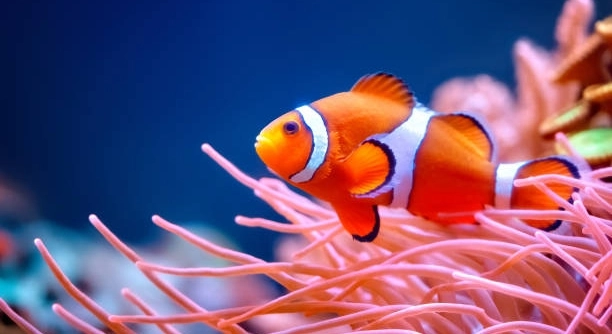
Clownfish are popular aquarium pets known for their bright colors and lively behavior. Sometimes, these fish may start breathing faster than usual, which can be worrying for their owners. Understanding why this happens is important for their care and well-being.
Rapid breathing in clownfish is often a sign of stress or poor water conditions. It can result from low oxygen levels, high ammonia, or illness. Identifying and correcting the underlying cause is crucial to restoring the fish’s normal respiration and health.
Recognizing the reasons behind fast breathing helps ensure your clownfish stays healthy and comfortable in its environment. This article will explain common causes and what you can do about them.
Common Causes of Fast Breathing in Clownfish
Fast breathing in clownfish usually signals that something in their environment is affecting their comfort. Poor water quality is one of the most frequent causes. High levels of ammonia, nitrites, or nitrates can irritate their gills, making it harder to breathe. Additionally, low oxygen levels in the water force clownfish to breathe faster to get enough oxygen. Another cause can be sudden temperature changes, which stress the fish and disrupt their normal breathing patterns. Illnesses such as parasites or bacterial infections also lead to increased respiration as the fish struggle to get enough oxygen. Observing your clownfish carefully can help spot other signs like lethargy or discoloration, which often accompany breathing problems.
Maintaining a clean and stable tank environment is essential to prevent these issues. Regular water tests and proper filtration keep the water safe for your fish.
Addressing the exact cause quickly can improve your clownfish’s breathing and overall health. This involves testing water parameters, ensuring proper oxygenation, and watching for signs of disease. Early intervention often prevents more serious problems.
How Water Quality Affects Clownfish Breathing
Water quality directly influences how well clownfish breathe. Poor conditions cause stress and gill damage, leading to faster breathing.
Maintaining good water quality requires regular monitoring of ammonia, nitrite, nitrate levels, and oxygen content. Ammonia and nitrites should always be at zero, while nitrates remain low to prevent stress. Overfeeding and lack of water changes contribute to toxic buildup, so routine cleaning is important. Adding an air stone or increasing water circulation can help raise oxygen levels. Proper filtration removes harmful chemicals and waste products. When water quality is kept stable, clownfish are less likely to experience respiratory distress. This makes their breathing slower and more natural, which is a good sign of their well-being. Keeping the environment balanced supports a healthy, active fish that enjoys its home without breathing difficulties.
Recognizing Signs of Stress in Clownfish
Fast breathing is one clear sign your clownfish is stressed. Other signs include hiding more than usual, loss of appetite, and erratic swimming. Stress weakens their immune system, making them more vulnerable to illness.
Stress often comes from poor water quality, overcrowding, or sudden changes in temperature. Clownfish may also react to aggressive tank mates or lack of hiding places. Keeping the tank environment stable reduces stress levels and helps your fish breathe normally again.
Observing your clownfish daily is important. Catching stress signs early allows you to make adjustments before problems worsen. Simple steps like improving water conditions, lowering tank population, or adding plants for shelter can make a big difference in your clownfish’s comfort and breathing.
Treating Illnesses That Cause Fast Breathing
Certain illnesses can cause clownfish to breathe rapidly. Parasites, bacterial infections, or gill damage often affect their ability to get enough oxygen. Treatment depends on the specific illness identified.
Common treatments include medicated baths, antibiotics, or antiparasitic medications. Always isolate sick fish to prevent spreading disease to others in the tank. Improving water quality supports recovery by reducing stress on the immune system. Sometimes, oxygen supplementation in the tank may be necessary during treatment.
Regular monitoring and early treatment improve chances of recovery. Consult a vet or aquatic specialist if you are unsure about symptoms or medications. Acting quickly can prevent serious harm and restore your clownfish’s normal breathing.
Monitoring Oxygen Levels in the Tank
Low oxygen is a common cause of fast breathing in clownfish. Ensuring proper aeration and water movement helps maintain healthy oxygen levels.
Using air stones or adding a powerhead can improve oxygen circulation. Regular water changes also help keep oxygen levels stable for your fish’s comfort.
Adjusting Tank Temperature
Clownfish are sensitive to sudden temperature changes. Too warm or too cold water causes stress and faster breathing.
Maintaining a stable temperature between 75°F and 82°F is ideal. Use a reliable heater and thermometer to monitor the tank constantly.
Providing Hiding Spots and Reducing Stress
Clownfish feel safer with adequate hiding places. Lack of shelter increases stress and breathing difficulties.
Adding rocks, plants, or coral decorations creates a natural environment. This reduces stress and promotes healthier breathing.
FAQ
Why is my clownfish breathing fast all of a sudden?
Sudden fast breathing usually points to a change in the tank environment. It could be due to low oxygen, poor water quality, or stress from new tank mates or decorations. Checking water parameters and observing any recent changes helps identify the cause quickly.
Can poor water quality really make clownfish breathe faster?
Yes, water quality is critical. High ammonia, nitrite, or nitrate levels irritate the gills and reduce oxygen availability. This forces clownfish to breathe faster to get enough oxygen. Regular testing and water changes keep these harmful substances under control.
How can I tell if my clownfish is stressed?
Besides fast breathing, stressed clownfish may hide more, stop eating, or swim erratically. Their colors might dull, and they may lose interest in their surroundings. Stress can lead to illness, so it’s important to respond quickly.
Is temperature affecting my clownfish’s breathing?
Clownfish need stable temperatures between 75°F and 82°F. If the water is too hot or too cold, it can stress them, causing rapid breathing. Use a heater and thermometer to keep the temperature consistent.
Do I need to add an air stone for better oxygen?
If oxygen levels seem low, an air stone or powerhead helps increase circulation and oxygen in the water. This is especially useful in tanks without much surface agitation. Good oxygen levels support normal breathing.
Can illnesses cause fast breathing?
Yes, parasites, bacteria, and gill damage all interfere with breathing. Sick clownfish often breathe faster as their gills struggle to absorb oxygen. Early treatment with proper medication can help, but isolation of sick fish is important to protect others.
How often should I test the water?
Testing weekly is ideal to catch problems early. Keep ammonia and nitrites at zero, and nitrates below 20 ppm. Regular testing helps maintain a healthy environment and prevents breathing problems.
What should I do if I notice fast breathing?
First, test water quality and oxygen levels. Check temperature and look for signs of stress or illness. Make changes slowly, like water changes or adding aeration. If illness is suspected, isolate the fish and consider treatment.
Can diet affect breathing in clownfish?
Poor nutrition weakens immune systems but doesn’t directly cause fast breathing. Feeding a balanced diet supports overall health and resilience against stress and disease, which helps maintain normal breathing.
Are overcrowded tanks a problem?
Yes, overcrowding leads to competition for oxygen and increases waste, lowering water quality. Both factors cause stress and fast breathing. Keeping appropriate tank size and fish number helps prevent these issues.
How do I improve my clownfish’s environment?
Regular water changes, good filtration, stable temperature, and enough hiding spots make a big difference. Avoid sudden changes and overfeeding. A clean, calm environment reduces stress and supports healthy breathing.
When should I seek professional help?
If breathing remains fast after improving water conditions or if other illness signs appear, a vet or aquatic specialist can provide diagnosis and treatment advice. Early intervention improves chances of recovery.
Can fast breathing be normal sometimes?
Occasionally, fast breathing can occur after exercise or excitement, such as chasing food. This is usually brief and not a concern unless it continues or other symptoms develop. Monitoring behavior helps distinguish normal from problematic breathing.
Fast breathing in clownfish is often a sign that something in their environment needs attention. It can be caused by many factors, such as poor water quality, low oxygen levels, temperature changes, or illness. Paying close attention to the conditions in your tank and the behavior of your fish is important. When you notice your clownfish breathing faster than usual, it is a clear signal to check the water and other conditions carefully. Simple actions like testing the water regularly, performing routine water changes, and making sure the tank is not overcrowded can prevent many problems. These small steps help keep your clownfish healthy and comfortable.
Maintaining a stable environment is key to preventing stress in clownfish. Stress weakens their immune system, making them more likely to develop diseases that cause breathing problems. Providing enough hiding spots and avoiding sudden changes in temperature or tank setup can reduce stress. Also, proper filtration and aeration improve water quality and oxygen levels. When a clownfish is stressed or sick, fast breathing is one of the first signs. Recognizing this early allows you to take action before the problem becomes serious. Keeping the tank clean and stable will give your clownfish the best chance at a long, healthy life.
If illness is the cause of rapid breathing, treatment must be started quickly. Parasites and bacterial infections affect the fish’s gills and make breathing difficult. Isolating sick fish and using appropriate medications can help them recover. It is also important to continue monitoring water quality and tank conditions during treatment. Overall, fast breathing in clownfish is a warning sign but not always an emergency if addressed properly. Being observant and proactive will keep your clownfish happy and healthy, making your aquarium a more enjoyable space.

Hello,
If you enjoy the content that we create, please consider saying a "Thank You!" by leaving a tip.
Every little bit helps us continue crafting quality advice that supports the health, happiness, and well-being of pets around the world, for pets of all shapes, sizes, and species.
We really appreciate the kindness and support that you show us!