
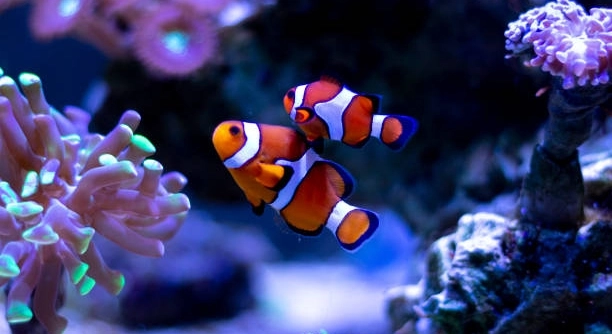
Is your clownfish spending most of its time near the edges or hiding away instead of swimming through the middle of the tank?
The most common reason your clownfish avoids the middle of the tank is stress caused by tank conditions, aggressive tank mates, or lack of hiding spaces. These environmental factors impact its comfort, behavior, and natural swimming patterns.
Understanding these factors can help improve your clownfish’s well-being and create a more balanced, peaceful environment within your aquarium.
Common Reasons Your Clownfish Stays Near the Sides
Clownfish often avoid the center of the tank when they feel unsafe or unsettled. Strong water currents, improper lighting, or lack of shelter can all make the center feel exposed. If your tank has aggressive tank mates, your clownfish may choose the edges to stay out of sight. In some cases, the fish may associate the center of the tank with food delivery or disruptions, making it less appealing as a resting or swimming area. New additions to the tank or recent changes to the setup can also cause temporary avoidance of open spaces. Clownfish naturally seek shelter and tend to form bonds with specific spots or objects. If there’s nothing drawing them to the center, they may simply prefer staying closer to their safe zone.
Even small environmental issues, like inconsistent temperatures or loud noises, can influence how secure your clownfish feels in its surroundings.
Once your clownfish feels safe and the environment suits its needs, it will naturally start using more space, including the center.
How to Encourage More Active Swimming
Begin by checking your tank setup. A well-balanced aquarium with proper lighting, gentle currents, and hiding spots will help.
Ensure your clownfish has a host-like object, such as an anemone or soft coral, to build its territory around. If your tank lacks this, try placing a soft fake anemone or similar structure near the center. It may help attract your clownfish outward. Rearranging decorations to make the middle area feel safer can also work. Limit tank disturbances like loud tapping, sudden movements, or nearby noise. Monitor tank mates and watch for bullying behavior. If one fish seems too dominant, you may need to separate them. Check water parameters regularly and adjust if needed. Clownfish respond best to stable conditions. Feeding patterns can also help—try offering food closer to the center to slowly change their swimming habits. Be patient. With time and the right setup, your clownfish will likely become more confident and active.
Monitoring Behavior and Tank Conditions
Watch how your clownfish behaves throughout the day. Take note of any patterns, such as hiding after feeding, swimming erratically, or staying in one spot. These small signs can tell you a lot about its comfort level.
Use a reliable testing kit to check the water’s temperature, pH, ammonia, nitrite, and nitrate levels. Even small shifts in water quality can affect your clownfish’s mood and energy. Make adjustments slowly and consistently to avoid sudden stress. Keep an eye on filtration and water flow—too much current in the middle area can discourage swimming there. Look for signs of aggression from tank mates or territorial behavior near key spaces. These clues can help you understand why your clownfish is acting differently and whether it feels secure.
Documenting these behaviors over a few days can help you figure out if it’s a long-term pattern or just a temporary adjustment period.
Making Long-Term Adjustments
Focus on maintaining consistent tank conditions, even during routine cleanings or equipment updates. Sudden changes in lighting, water flow, or temperature can throw your clownfish off and encourage hiding behavior. Regular monitoring builds trust and keeps them active.
Introduce new elements gradually. Adding soft plants, gentle caves, or low-profile décor in the center of the tank helps shift the focus of your clownfish. Make these items part of its comfort zone, not just visual fillers. Feed closer to the new objects so your clownfish associates them with safety and reward. Avoid overcrowding the tank, which can lead to competition and hiding. If needed, reduce the number of aggressive fish. Keep lighting soft and stable—harsh or inconsistent lighting can discourage movement. Long-term comfort comes from predictability, so keep noise, water conditions, and handling consistent. Small changes done over time can turn an unused center space into a more active, welcoming part of your tank.
When to Be Concerned
If your clownfish refuses to eat, breathes rapidly, or shows signs of injury, it’s important to act quickly. These behaviors could point to illness or severe stress and should not be ignored.
Also look for pale coloring, clamped fins, or unusual swimming patterns. These can signal discomfort or disease that may need treatment.
Professional Help and Support
If your clownfish continues to avoid the center despite changes, it may be time to consult an aquarium specialist or vet. Sometimes the issue isn’t visible—parasites, infections, or internal stressors can affect behavior without obvious symptoms. A professional can help rule out health problems and provide targeted advice for your setup. You can also reach out to local aquarium groups or online forums to hear from other hobbyists who’ve dealt with similar issues. Bringing in support doesn’t mean you’re doing something wrong—it simply helps your clownfish stay healthy and active, especially if something deeper is going on behind the behavior.
Observing Improvements
Track small changes in behavior as you adjust the tank. More movement or feeding near the center shows progress.
FAQ
Why does my clownfish hide most of the time?
Clownfish hide when they feel stressed, scared, or uncomfortable. This can happen if tank conditions are poor, such as bad water quality, strong currents, or aggressive tank mates. They also seek shelter if the tank lacks proper hiding places. Providing soft caves or anemones can help them feel safe and reduce hiding behavior.
Can poor water quality cause my clownfish to avoid the middle of the tank?
Yes, poor water quality is a common reason for unusual behavior. High levels of ammonia, nitrites, or nitrates can stress your clownfish, making it stay near the tank edges or in hiding. Regular water testing and maintenance keep conditions stable and encourage healthy swimming patterns.
Is aggressive behavior from other fish affecting my clownfish?
Aggressive tank mates can cause your clownfish to avoid open areas. If other fish chase or bully your clownfish, it will seek safety along the edges or behind decorations. Identifying and separating aggressive fish can help restore peace and encourage more natural movement.
Does lighting affect where my clownfish swims?
Bright or inconsistent lighting may cause your clownfish to avoid certain areas, especially the center if it feels exposed. Soft, even lighting helps clownfish feel comfortable and encourages them to explore the whole tank. Avoid sudden changes in lighting intensity.
How long does it take for a clownfish to adjust to a new tank?
Adjustment times vary, but generally, clownfish take several days to a few weeks to settle. During this period, they may stay near hiding spots or tank edges. Patience and a stable environment help speed up their comfort level.
Can adding decorations help my clownfish swim in the middle?
Yes, adding safe, soft decorations or fake anemones in the center can attract your clownfish. These provide a sense of security and territory. Feeding near these spots encourages the fish to spend more time in the middle.
What water temperature is best for clownfish?
Clownfish thrive in water between 74°F and 79°F (23°C to 26°C). Temperatures outside this range can cause stress and impact swimming habits. Maintaining stable temperature is important for overall health.
Should I be concerned if my clownfish stops eating?
Loss of appetite often indicates stress or illness. If your clownfish avoids food for more than a day or two, check water quality and tank conditions. If everything seems normal but the problem continues, seek advice from a vet or aquarium expert.
Is it normal for clownfish to be shy?
Clownfish can be shy, especially when introduced to a new environment. Over time, as they grow more comfortable and familiar with their tank, they usually become more active and visible.
How can I reduce stress for my clownfish?
Keep water parameters stable, provide hiding spots, avoid overcrowding, and minimize loud noises or sudden movements near the tank. Consistent feeding schedules and gentle handling also help reduce stress.
Does feeding location influence where my clownfish swims?
Yes, feeding near the center encourages clownfish to venture away from edges. Over time, this can change their swimming patterns and help them feel more comfortable in open areas.
Can diseases cause a clownfish to avoid the center?
Diseases or parasites can weaken a clownfish, making it less active and more likely to hide. Watch for other symptoms like discoloration, clamped fins, or rapid breathing. Early diagnosis and treatment are important.
Is water current important for clownfish comfort?
Yes, clownfish prefer gentle water flow. Strong currents can tire them and push them to the edges. Adjust your filtration system or use flow reducers to create a calm swimming environment.
How often should I test my tank water?
Testing water weekly is recommended, especially in new tanks. This helps catch problems early and keeps conditions stable for your clownfish.
Can overcrowding cause hiding behavior?
Too many fish in one tank leads to competition and stress. Your clownfish may hide more to avoid conflict. Keeping an appropriate number of fish and compatible species is key.
Are fake anemones a good alternative for clownfish?
Yes, fake anemones provide shelter and comfort when real ones aren’t available. They can help your clownfish establish a territory and feel safe in the tank center.
What should I do if my clownfish shows signs of illness?
Isolate the fish if possible and check water quality immediately. Consult an aquarium vet for diagnosis and treatment. Early care improves the chance of recovery.
Can changing the tank layout help?
Rearranging decorations to create more hiding spots in the center can encourage your clownfish to explore that area. Avoid sudden, drastic changes to reduce stress.
How important is tank size for clownfish behavior?
A tank too small limits swimming space and can cause stress. Larger tanks with proper environment give clownfish room to swim freely and behave naturally.
Can stress cause physical changes in clownfish?
Yes, stress may cause color fading, clamped fins, or lethargy. Addressing stress factors often improves physical appearance and activity levels.
What is the best diet for clownfish?
A varied diet with high-quality flakes, pellets, and occasional live or frozen food supports good health and energy levels. Proper nutrition helps maintain normal behavior and appearance.
When your clownfish avoids the middle of the tank, it usually means something in its environment is making it feel unsafe or stressed. This behavior is a natural way for the fish to protect itself by staying near places where it can hide or feel secure. Many factors can influence this, such as water quality, lighting, tank mates, or even the layout of the tank. Understanding these causes is the first step toward helping your clownfish feel more comfortable and confident to explore all parts of its home, including the center.
Maintaining a stable and healthy tank environment is very important. Regular water testing and changes help keep the conditions right for your clownfish. Gentle water flow and proper lighting can make a big difference in their behavior. Providing hiding spots or decorations in the middle of the tank can give your clownfish a safe area to swim through. It is also helpful to observe your fish’s daily habits and note any changes that may point to stress or illness. Sometimes small adjustments in tank setup or care routines can encourage your clownfish to swim more freely and use the entire tank space.
Patience is key when working to improve your clownfish’s comfort level. These fish may take days or even weeks to adjust to new conditions or tank mates. Avoid sudden changes that might add stress and try to keep the environment as calm and consistent as possible. If your clownfish shows signs of illness or continues to avoid the middle of the tank despite your efforts, consulting a specialist is a good idea. With proper care, attention, and time, your clownfish can regain confidence and enjoy a healthier, more active life in its aquarium.

Hello,
If you enjoy the content that we create, please consider saying a "Thank You!" by leaving a tip.
Every little bit helps us continue crafting quality advice that supports the health, happiness, and well-being of pets around the world, for pets of all shapes, sizes, and species.
We really appreciate the kindness and support that you show us!