
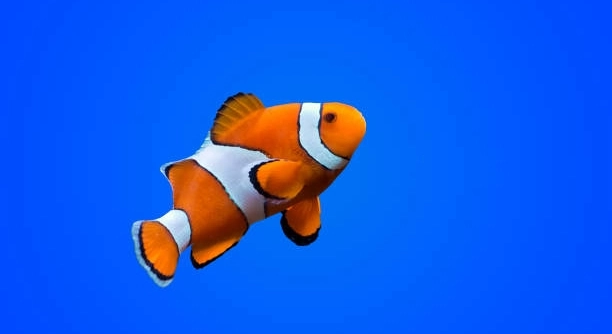
Many clownfish often stay close to bubbles in their tanks, which can catch the attention of aquarium owners. This behavior may seem unusual but is quite common among these colorful fish. Understanding their reasons helps improve tank care.
Clownfish stay near bubbles mainly because of the increased oxygen levels and water movement. The bubbles create an environment that supports better respiration and stimulates their natural instincts to explore and interact with their surroundings. This behavior is both a response to water quality and environmental enrichment.
Observing why your clownfish prefers this spot can reveal more about its health and tank conditions. Small details like this often guide better fish care and a happier aquarium.
Why Clownfish Like Bubbles
Clownfish often gather near the bubbles in a tank because bubbles increase oxygen levels in the water. Fish need oxygen to breathe, and the bubbles help circulate fresh oxygen-rich water around the tank. The movement caused by bubbles also mimics natural currents found in their wild habitats. This keeps clownfish active and engaged. Many times, the bubbles create tiny water movements that clownfish find stimulating. These small water flows help them exercise and stay healthy. It’s normal for clownfish to spend time near these bubbles because it feels more comfortable and natural to them. If the tank water is stagnant, they may avoid swimming much, but bubbles help keep the environment lively. Watching them swim around bubbles can also be calming for tank owners, showing that the fish are content and active in their habitat. Keeping a good flow of water is essential for clownfish well-being.
The bubbles improve oxygen levels and water circulation, which supports clownfish health and activity.
Noticing this behavior helps understand how your clownfish interacts with its environment and signals good tank maintenance.
How Bubbles Affect Tank Conditions
Bubbles are created by filters, air stones, or pumps that move water and add oxygen.
In a tank, bubbles help improve gas exchange, which removes harmful carbon dioxide and brings in oxygen. This process keeps the water fresh and safe for fish. Without enough oxygen, clownfish can become stressed and less active. The bubbles also help spread heat evenly through the tank. This creates a balanced temperature that clownfish prefer. Additionally, the movement from bubbles prevents buildup of waste in one place, reducing the chance of harmful bacteria growth. When bubbles are constant, they improve the overall water quality. This means your clownfish will live in a cleaner, healthier environment. It’s important to maintain equipment like air stones or filters to keep bubbles flowing steadily. If bubbles stop, water quality might drop, and fish could show signs of distress. Consistent bubbles are a simple way to support a thriving aquarium.
Common Reasons Clownfish Stay Near Bubbles
Clownfish are attracted to bubbles mainly because of oxygen and water movement. They feel safer and more comfortable where the water is fresh and lively.
Oxygen levels near bubbles are higher, which helps clownfish breathe easier. The gentle water currents created by bubbles also simulate natural ocean conditions, making the fish more active and less stressed. When the water moves, it encourages clownfish to swim and explore instead of staying still in one spot. This stimulation is important for their physical health and mental well-being. In tanks without bubbles, clownfish may appear sluggish or hide more often. Adding bubbles creates a better environment that encourages natural behavior.
In addition to oxygen, bubbles can help clownfish feel less vulnerable by breaking up the water surface. This reduces reflections and shadows, which might otherwise scare or confuse the fish. The bubbles create a kind of moving barrier that distracts them from potential threats. Overall, bubbles make the tank feel more like their natural habitat, supporting healthier and more confident clownfish.
How to Improve Your Tank for Clownfish
Maintaining proper water flow and oxygenation is key to a healthy clownfish tank. A reliable air pump or filter helps keep bubbles consistent.
Regularly check that your equipment is working properly to maintain steady bubbles and water movement. Cleaning air stones and changing filter media ensure that water flow remains strong. Also, avoid overcrowding the tank since too many fish reduce oxygen availability. Use a water test kit to monitor oxygen, ammonia, and nitrite levels. Adjusting temperature and keeping the tank clean prevents stress and illness. Proper lighting also influences fish activity. When the tank is well maintained, clownfish are more likely to stay near bubbles happily and remain active throughout the day.
Signs of Stress in Clownfish
If your clownfish stays near the bubbles but also shows rapid gill movement, it might be stressed. Stress can be caused by poor water quality or sudden changes in the tank environment.
Other signs include hiding too much, loss of appetite, or dull coloration. Stress weakens their immune system, making them prone to illness.
Adjusting Bubble Flow in Your Aquarium
Too strong a bubble flow can tire out clownfish or make them avoid certain tank areas. It’s important to find a balance that provides enough oxygen without overwhelming the fish. Adjust air pump settings or move air stones to create gentle water movement.
Tank Setup Tips for Clownfish
Using live rock or coral decorations near bubbles can offer hiding spots and reduce stress. These also help improve water quality naturally.
Observing Your Clownfish Behavior
Watch your clownfish daily to notice any changes in how it interacts with bubbles or the tank environment.
FAQ
Why does my clownfish always stay near the bubbles?
Clownfish stay near bubbles because these bubbles bring fresh oxygen into the water, making it easier for them to breathe. The bubbles also create water movement similar to ocean currents, which helps the fish stay active and comfortable. This natural environment encourages healthy behavior.
Can too many bubbles harm my clownfish?
Yes, too many bubbles or very strong water flow can tire out clownfish or cause stress. They prefer gentle currents that mimic their natural habitat. Strong flows may force them to swim harder than necessary, leading to exhaustion or avoidance of certain tank areas.
Is it normal for clownfish to hide near bubbles?
Yes, clownfish sometimes hide near bubbles because the movement breaks up reflections and shadows in the tank. This can make them feel safer by reducing stress from sudden movements or visual disturbances outside the tank.
How often should I clean the equipment that produces bubbles?
You should clean air stones and filters about once a month or as soon as you notice reduced bubble output. Regular cleaning prevents clogging and maintains steady water flow and oxygen levels, which keeps your clownfish healthy and active.
Can bubbles help with tank water quality?
Yes, bubbles increase water circulation, which helps distribute heat and oxygen evenly. They also assist in removing carbon dioxide and other waste gases from the water surface. This improves overall water quality and creates a better living space for your clownfish.
What should I do if my clownfish avoids bubbles?
If your clownfish avoids bubbles, the water flow might be too strong, or there could be a problem with water quality. Check the filter and air pump settings, test the water parameters, and reduce flow if needed. Also, ensure the tank isn’t overcrowded.
Are bubbles necessary for all clownfish tanks?
While bubbles aren’t absolutely necessary, they are highly beneficial. They help maintain oxygen levels and simulate natural water movement. In well-planted tanks or those with strong filtration, water circulation might be enough, but bubbles add extra benefits.
How can I tell if my clownfish is stressed?
Signs of stress include rapid gill movement, loss of appetite, dull colors, and hiding more than usual. If your fish is near bubbles but still shows these symptoms, test water quality and check tank conditions immediately to prevent illness.
Do different clownfish species react differently to bubbles?
Some species of clownfish may prefer different levels of water movement, but most enjoy gentle currents. It’s important to research your specific species to tailor the bubble flow and tank setup to their needs.
Can I adjust the bubble size in my tank?
Yes, you can adjust bubble size by changing the type or size of air stones or using different air pump settings. Smaller bubbles increase oxygen exchange more efficiently, while larger bubbles create more noticeable water movement. Choose based on your clownfish’s comfort.
Clownfish staying near bubbles is a common behavior that often points to their need for oxygen and water movement. Bubbles help keep the water fresh by increasing oxygen levels and circulating the water, which creates a more natural environment for the fish. When clownfish swim near bubbles, they are usually taking advantage of better conditions that make breathing easier and keep them active. This behavior is a good sign that your tank setup supports their basic needs. It also means that the fish feel comfortable enough to explore and enjoy their space. Observing this habit helps you understand how your clownfish interacts with its environment and what it needs to thrive.
Keeping bubbles flowing steadily in the tank requires some attention to equipment like air stones, filters, and pumps. These devices are responsible for creating bubbles and moving the water, which prevents stagnation. Regular maintenance is important because clogged or dirty equipment can reduce bubble output and lower oxygen levels. This, in turn, might stress your clownfish and cause changes in their behavior. Simple tasks like cleaning air stones, changing filter media, and checking pump settings can make a big difference. It is also important to balance the bubble flow so it is not too strong or too weak. Strong currents can tire clownfish, while weak water movement may not provide enough oxygen. Finding the right balance will help your clownfish stay healthy and comfortable in their tank.
Finally, paying attention to your clownfish’s behavior near bubbles can tell you a lot about its health and the tank’s condition. If the fish avoids bubbles or shows signs of stress, it may be time to check water quality and equipment function. Proper oxygenation and water flow are essential for fish well-being. Adding natural decorations like live rock can also improve the tank environment and reduce stress for clownfish. Overall, bubbles are more than just a visual feature; they play an important role in creating a healthy, balanced home for your clownfish. Taking care of this aspect of your aquarium will help your fish live a longer, happier life.

Hello,
If you enjoy the content that we create, please consider saying a "Thank You!" by leaving a tip.
Every little bit helps us continue crafting quality advice that supports the health, happiness, and well-being of pets around the world, for pets of all shapes, sizes, and species.
We really appreciate the kindness and support that you show us!