
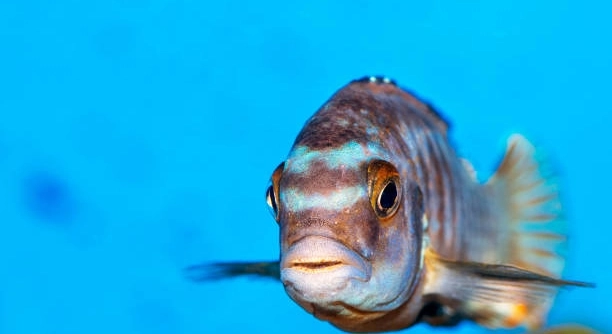
Is your cichlid spending a lot of time staring at the water surface? This behavior can catch your attention, especially when you’re trying to enjoy watching your fish swim happily in the tank. Many fish owners notice this and wonder what it means.
Cichlids staring at the surface often indicate issues with water quality or oxygen levels. Poor oxygenation or high levels of toxins in the water can cause fish to seek the surface where oxygen is more available. This behavior serves as an important sign of potential tank problems.
Recognizing these signs early can help you create a healthier environment for your cichlid and prevent further stress or illness. Understanding what causes this behavior is key to keeping your fish happy.
Common Reasons Cichlids Stare at the Surface
When a cichlid stares at the water surface, it usually signals something about its environment. One common reason is low oxygen levels in the tank. Water that lacks oxygen makes fish go near the surface where oxygen is higher. Another cause is poor water quality. Waste, leftover food, or chemicals can build up and stress the fish. This stress often leads to unusual behaviors like surface staring. Sometimes, the water temperature is too high or too low, affecting how much oxygen dissolves in the water. Even illness or parasites can cause this behavior, as the fish might feel weak or uncomfortable. Checking your tank’s parameters regularly helps spot these issues early. Maintaining a clean tank with good filtration and stable temperature is essential to keep your cichlid healthy and active.
Proper water changes and aeration often solve the problem quickly.
Watching your fish closely for other signs of distress can help you identify health problems before they worsen.
How to Improve Oxygen Levels in Your Tank
Low oxygen is often easy to fix with better aeration.
Using an air pump or adjusting your filter can increase oxygen circulation. This keeps water moving, so oxygen spreads evenly throughout the tank. Adding live plants can also help because they produce oxygen during the day. Avoid overcrowding your tank, as too many fish reduce oxygen availability for everyone. Regular water changes remove waste that uses oxygen when it breaks down. Make sure the water temperature stays within the ideal range for your cichlid species because warmer water holds less oxygen. Testing oxygen levels can be helpful if you have the right tools. If your fish continues to stare at the surface despite these changes, consider checking for diseases or consulting a specialist. Addressing oxygen issues promptly supports your cichlid’s wellbeing and prevents further health risks.
Signs of Poor Water Quality
Cloudy water, strong odors, and excess algae are clear signs of poor water quality. Your cichlid may stare at the surface because the water conditions are stressing it. Regular testing helps catch problems early.
Keeping your tank clean is crucial. Uneaten food, fish waste, and decaying plants all affect water quality. These factors increase toxins like ammonia and nitrites, which harm your fish. Using a reliable test kit can help you monitor these levels. Changing 20-30% of the water weekly prevents buildup and keeps the environment safe. Filters must be cleaned but not over-cleaned, as beneficial bacteria live there. Maintaining balance in the tank helps your cichlid feel comfortable and healthy, reducing stress behaviors like surface staring.
If you notice your cichlid still acting oddly despite clean water, check if the filter is working properly or if hidden waste remains. Sometimes, gravel traps debris that slowly pollutes the tank. Consistent tank maintenance ensures better water quality and a happier fish.
Temperature and Its Impact on Cichlids
Water temperature affects oxygen levels and your cichlid’s metabolism. Too warm or too cold water makes fish uncomfortable and may cause them to seek the surface.
Ideal temperatures vary by species but generally range from 74 to 82°F (23 to 28°C). Warmer water holds less oxygen, so your fish may look for air near the surface. Sudden temperature changes stress fish and weaken their immune systems, making them more prone to illness. Using a reliable heater and thermometer helps keep conditions steady. Avoid placing the tank near windows or vents where temperature fluctuates. Proper temperature control supports your cichlid’s health and keeps them active and comfortable in their tank.
Signs of Illness in Cichlids
Illness can cause a cichlid to stare at the surface. Look for changes in color, appetite, or behavior.
Other symptoms include clamped fins, rapid breathing, or scratching against objects. These signs indicate your fish may need treatment or a tank health check.
How Parasites Affect Behavior
Parasites irritate fish, causing discomfort and stress. Affected cichlids might gasp at the surface to get more oxygen. Parasites can also cause lethargy, loss of appetite, and visible spots or wounds. Early detection and treatment help prevent serious health problems. Quarantining new fish before adding them to the tank reduces parasite risk.
Tank Overcrowding and Stress
Too many fish increase stress and lower oxygen levels, pushing cichlids to the surface.
Keeping the right number of fish for your tank size is essential to avoid these problems.
Improving Tank Conditions
Regular cleaning, proper filtration, and balanced stocking levels support a healthy tank environment and reduce stress for your cichlid.
FAQ
Why does my cichlid keep staring at the surface even after I cleaned the tank?
Sometimes cleaning the tank is not enough if water parameters are still off. The filter might not be working properly, or there could be leftover waste trapped in the gravel. Also, oxygen levels may still be low if aeration isn’t enough. Check the filter’s flow and clean the gravel with a siphon during water changes. Make sure the water temperature is stable and suitable for your cichlid. If everything seems fine but the behavior continues, watch for signs of illness or parasites, as these can cause gasping at the surface.
Can poor diet cause my cichlid to stare at the surface?
A poor diet alone usually doesn’t cause surface staring, but it can weaken your fish’s immune system. When cichlids are undernourished or fed low-quality food, they become more vulnerable to stress and illness. A stressed or sick fish may display unusual behaviors like staring at the surface. Feeding a balanced diet rich in nutrients and vitamins helps your cichlid stay healthy and better resist infections or environmental stress.
Is it normal for cichlids to occasionally stare at the surface?
Yes, occasional surface staring is normal, especially during feeding or when the fish is curious. Cichlids may also come to the surface to take in air briefly. However, if the behavior is constant or accompanied by other signs like heavy breathing or lethargy, it indicates a problem with the tank or fish health that needs attention.
How often should I test my aquarium water?
Testing your aquarium water weekly is a good practice. This helps you catch problems like high ammonia, nitrites, or low oxygen before they harm your fish. If you notice unusual behavior like surface staring, test the water immediately. Regular testing allows you to keep the tank environment stable and safe for your cichlid.
What is the best way to increase oxygen in my tank?
Adding an air pump with an air stone is one of the easiest ways to increase oxygen. Adjusting your filter to create more surface agitation also helps oxygen dissolve into the water. Live plants produce oxygen during the day but remember they consume oxygen at night, so aeration is still important. Avoid overcrowding your tank and maintain good water quality to support oxygen levels.
Can temperature swings cause my cichlid to stare at the surface?
Yes, sudden temperature changes can stress fish, causing them to gasp at the surface. Temperature swings affect how much oxygen the water holds and can weaken your fish’s immune system. Use a reliable heater and thermometer to keep the temperature stable within your cichlid’s preferred range.
How do I know if my cichlid is sick?
Look for changes in behavior, such as loss of appetite, hiding, or erratic swimming. Physical signs include faded color, clamped fins, spots, wounds, or swelling. Rapid breathing or gasping at the surface also indicates health problems. If you notice any of these signs, test the water and consider treating the fish or consulting a specialist.
Can overcrowding cause cichlids to stare at the surface?
Yes, overcrowding leads to low oxygen levels and increased waste buildup, which stresses fish. Stressed cichlids may stare at the surface to find more oxygen. Keep the number of fish suitable for your tank size and provide good filtration to avoid overcrowding problems.
Should I quarantine new fish before adding them to my tank?
Quarantining new fish for at least two weeks helps prevent introducing diseases or parasites. Parasites cause irritation and stress, which can make your cichlid stare at the surface. A quarantine tank allows you to observe and treat any problems before mixing new fish with your established ones.
What can I do if my cichlid still stares at the surface after fixing water and oxygen issues?
If water quality and oxygen levels are good but the behavior continues, check for illness or parasites. Treating your fish with appropriate medication may be necessary. Also, review your feeding routine and tank setup to reduce stress. Sometimes, subtle environmental factors or social stress from other fish can cause this behavior. Observing your cichlid closely helps identify the root cause.
Final Thoughts
When your cichlid stares at the surface, it is usually a sign that something in its environment needs attention. Often, the issue relates to water quality or oxygen levels, which are essential for the fish’s health. A well-maintained tank with clean water and proper aeration can prevent many problems. Paying attention to your fish’s behavior early helps you act before small issues become serious. Watching your cichlid closely and testing the tank regularly are simple but effective ways to keep it comfortable and healthy.
Maintaining the right temperature is also very important. Water that is too warm or too cold affects oxygen availability and stresses the fish. A stable temperature that matches your cichlid’s needs supports good health and normal behavior. It is easy to overlook how much temperature changes can impact your fish until you notice odd actions like surface staring. Using a heater and thermometer helps maintain steady conditions. Along with good filtration and tank cleaning, these steps create a balanced environment where your cichlid can thrive.
Sometimes, staring at the surface may signal illness or parasites. These problems require attention beyond basic tank care. Watching for other signs like changes in color, appetite, or movement is key. If you suspect health issues, testing the water and consulting resources or experts can guide you toward the right treatment. Quarantining new fish before adding them to your tank helps prevent the spread of disease. Overall, a combination of clean water, proper oxygen, stable temperature, and careful observation will give your cichlid the best chance to stay happy and healthy.

Hello,
If you enjoy the content that we create, please consider saying a "Thank You!" by leaving a tip.
Every little bit helps us continue crafting quality advice that supports the health, happiness, and well-being of pets around the world, for pets of all shapes, sizes, and species.
We really appreciate the kindness and support that you show us!