
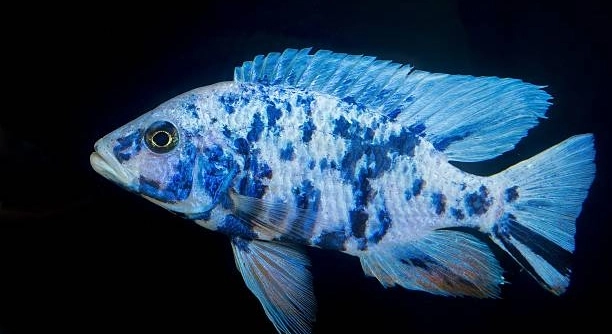
Many cichlid owners notice their fish spitting out food during feeding time. This behavior can be confusing and sometimes concerning. Understanding why it happens helps keep your cichlid healthy and happy.
Cichlids may spit out food due to poor water quality, incorrect diet, stress, or illness. Each factor affects their appetite and feeding behavior differently, making it important to identify the cause for proper care and treatment.
Recognizing the reasons behind this behavior can improve your fish’s well-being and prevent future feeding problems.
Poor Water Quality and Its Effects on Cichlids
Poor water quality is one of the main reasons cichlids spit out food. When the water is dirty or contains high levels of toxins like ammonia or nitrites, fish can become stressed or sick. This stress often leads to a reduced appetite or refusal to eat properly. Water parameters such as pH, temperature, and hardness must also be suitable for the specific type of cichlid. If these factors are off, your fish might not recognize the food as edible or may feel uncomfortable enough to reject it. Regular water testing and partial water changes help maintain a healthy environment. Keeping the tank clean and stable is key to preventing feeding problems and promoting overall health.
Cleaning the tank and monitoring water quality regularly will help your cichlid eat normally and stay healthy.
Monitoring water quality closely ensures your cichlid’s environment remains stable. Using water test kits for ammonia, nitrites, nitrates, and pH is essential. Maintaining temperature and hardness within species-specific ranges supports their natural feeding behavior. A well-maintained tank reduces stress and encourages appetite, so your fish won’t reject food due to discomfort.
Diet and Feeding Habits
A poor or inappropriate diet can cause your cichlid to spit out food. Offering food that doesn’t match their nutritional needs or preferences can make them uninterested or unable to digest it properly. Many cichlids require a mix of protein, vegetables, and sometimes live or frozen foods. Overfeeding or offering stale or spoiled food can also lead to rejection. Feeding small amounts several times a day instead of one large meal encourages proper eating and reduces waste. Paying attention to what your cichlid prefers and adjusting the diet accordingly will help reduce spitting behavior.
Proper feeding practices and varied diets improve food acceptance and digestion in cichlids.
Stress and Environmental Factors
Stress causes cichlids to spit out food frequently. Stressors include overcrowding, sudden changes in water conditions, and aggressive tank mates. These factors make fish uneasy and less likely to eat properly.
Stress weakens a cichlid’s immune system and disrupts normal behavior. Overcrowded tanks can lead to competition for food, making some fish nervous or scared to eat. Sudden changes in temperature or water chemistry shock their system, causing refusal of food. Aggressive or territorial tank mates can intimidate more passive cichlids, preventing them from feeding comfortably. Ensuring a calm, stable environment with enough space and compatible fish reduces stress and improves feeding habits.
Creating hiding spots and maintaining consistent water conditions can help lower stress levels. Adjusting tank setup and monitoring fish behavior closely ensures your cichlids feel safe and ready to eat.
Illness and Health Issues
When cichlids spit out food, illness is a possible reason. Parasites, infections, or internal problems can affect appetite and digestion. Ill fish often lose interest in food or have trouble swallowing.
Illness may cause symptoms such as lethargy, clamped fins, or abnormal swimming, alongside food rejection. Parasites like worms irritate the digestive tract, making it uncomfortable to eat. Bacterial or fungal infections may cause mouth sores or swelling, hindering feeding. Internal issues like swim bladder problems can reduce energy and appetite. Early detection and treatment improve recovery chances. Quarantining sick fish and consulting a vet or aquatic specialist help manage health problems effectively and prevent spread to other tank mates.
Feeding Technique and Food Size
Food size can affect whether a cichlid spits out its meal. If the pieces are too large or hard, the fish may reject them.
Offering appropriately sized food helps your cichlid eat comfortably. Smaller, softer pieces are easier to chew and swallow, reducing the chance of spitting out food during feeding.
Tank Setup and Its Impact
Tank setup plays a key role in a cichlid’s willingness to eat. Proper decoration, hiding places, and enough swimming space reduce stress and encourage natural feeding behavior. A well-arranged tank mimics their natural habitat, making fish feel secure. Without these conditions, fish may feel exposed or threatened, leading to food rejection. Regularly checking the tank layout and making adjustments can create a more inviting environment that supports healthy eating habits.
Overfeeding Consequences
Overfeeding often leads to food spitting because fish feel full or overwhelmed by too much food.
Why is my cichlid spitting out food but still active?
If your cichlid spits out food yet remains active and alert, it could be a sign of mild stress or minor water quality issues. Sometimes, fish reject food temporarily when they sense changes in their environment or when the food offered doesn’t match their preference. Keep an eye on water parameters like temperature, pH, ammonia, and nitrites. Also, try offering different types or sizes of food to see if your fish prefers something else. Maintaining a stable environment often resolves this temporary behavior without further intervention.
What should I do if my cichlid spits out food and refuses to eat?
If your cichlid spits out food and stops eating altogether, it might be due to illness or severe stress. Observe other symptoms such as lethargy, clamped fins, or abnormal swimming patterns. Test the water quality immediately, as poor conditions can quickly affect appetite. Quarantine the fish if possible and consult an aquatic vet or specialist to identify diseases or parasites. Meanwhile, keep the tank clean and avoid overfeeding. Offering easily digestible, high-quality food can sometimes stimulate appetite during recovery.
Can improper feeding times cause my cichlid to spit out food?
Yes, feeding at irregular or inappropriate times can confuse cichlids and cause them to reject food. Fish tend to develop feeding routines, so feeding them consistently helps regulate appetite. Feeding too often or too late in the day may reduce their hunger. Try feeding your cichlid at the same times each day, preferably twice rather than many small feedings, to create a predictable schedule. This routine encourages regular eating and reduces spitting behavior caused by confusion or overfeeding.
Is it normal for cichlids to spit out food occasionally?
Occasional spitting out of food can be normal, especially when fish test new foods or when the environment changes. Cichlids sometimes pick and choose what they like or may spit out food if it tastes unusual. However, frequent or continuous spitting usually signals a problem such as stress, poor water conditions, or health issues. Monitoring the pattern and other behaviors can help determine if it’s just a normal quirk or something that needs attention.
How does tank mate aggression affect feeding?
Aggressive tank mates can intimidate cichlids, making them spit out food or avoid eating altogether. When a fish feels threatened, it may be too scared to focus on eating. This behavior often occurs in overcrowded tanks or if incompatible species are housed together. Providing ample hiding spots and enough space reduces stress and competition. Separating aggressive fish or choosing more peaceful tank mates can improve feeding behavior and help your cichlid feel safe during meals.
Could the type of food cause spitting behavior?
Yes, the type and quality of food have a big impact on whether a cichlid accepts it. Some fish prefer live or frozen foods over pellets, while others may reject stale or poor-quality food. Offering a variety of fresh, high-quality foods that meet their nutritional needs encourages proper feeding. Avoid overly processed or old food, as it may taste bad or be difficult to digest, causing spitting. Adjusting food types to your cichlid’s preferences supports a healthier appetite.
What water parameters are best to prevent food rejection?
Stable water parameters matching your cichlid species are crucial to preventing food rejection. Most cichlids thrive in water with a pH between 6.5 and 8.0, temperature from 75°F to 82°F (24°C to 28°C), and low ammonia and nitrite levels (ideally zero). Hardness should also align with species requirements. Fluctuations or extremes in these parameters cause stress and appetite loss. Regular water testing and maintenance, including partial water changes, help keep these conditions steady, encouraging your cichlid to eat normally.
How can I tell if spitting out food is due to illness?
Illness-related spitting is often accompanied by other signs like lethargy, visible sores, swelling, weight loss, or abnormal swimming. If your cichlid repeatedly spits out food and shows these symptoms, it’s likely sick. Internal parasites or infections can cause discomfort when eating. Prompt diagnosis and treatment improve survival chances. Quarantine sick fish to prevent spread, and consider consulting a vet for proper medication.
What role does feeding frequency play in food spitting?
Feeding too frequently or infrequently affects appetite and can cause food rejection. Overfeeding leads to full stomachs and decreased interest in food. Underfeeding might make fish stressed or weak. Twice daily feeding with moderate portions is ideal. This keeps the fish hungry but not starved. Monitoring your cichlid’s response helps adjust frequency for best results.
Can changes in tank environment suddenly cause spitting behavior?
Yes, sudden changes like new decorations, different lighting, or rearranged plants can stress cichlids and cause them to spit out food. Fish need time to adapt to new surroundings. Minimizing sudden changes and keeping the environment stable helps maintain normal feeding. If changes are necessary, introduce them gradually.
Is spitting food related to breeding behavior?
During breeding, some cichlids may spit out food as they focus on protecting eggs or fry. This behavior is temporary and linked to parental care. Reduced feeding is normal but should return once the breeding period ends. Providing extra hiding spots helps reduce stress during this time.
How can I encourage a picky eater cichlid to eat?
Offer a variety of foods like pellets, flakes, frozen, or live foods to find what your cichlid prefers. Warming frozen food to tank temperature makes it more appealing. Feeding in small amounts and removing uneaten food keeps the tank clean and encourages regular eating. Sometimes hand-feeding or feeding from tweezers can stimulate appetite.
What is the impact of poor tank hygiene on feeding?
Dirty tanks increase stress and expose fish to harmful bacteria and toxins. This environment can cause cichlids to reject food and become sick. Regular cleaning, gravel vacuuming, and filter maintenance reduce these risks and promote healthy eating habits. Clean water equals happy, well-fed fish.
When cichlids spit out food, it can feel confusing and frustrating. This behavior often points to underlying issues like water quality, diet, stress, or health problems. Understanding these factors helps you care for your fish better. Keeping water clean and stable is one of the most important steps. Regular testing and changing part of the water keeps harmful chemicals low and the environment safe. A well-maintained tank allows cichlids to feel comfortable and more willing to eat their food without hesitation.
Another key point is the diet you provide. Cichlids have specific nutritional needs depending on their species, and feeding them the right kind of food is essential. Offering food that is the right size and texture encourages better feeding habits. Overfeeding or giving stale food can make your fish spit it out. Feeding smaller amounts several times a day can help avoid waste and keep your cichlid interested. It’s also helpful to watch for signs of illness or stress, which often cause food rejection. If you notice your fish is spitting out food often along with other unusual behavior, it’s important to act quickly.
Finally, creating a peaceful tank environment plays a big role. Stress from aggressive tank mates, overcrowding, or sudden changes in the tank setup can cause cichlids to refuse food. Making sure your fish has enough space, hiding places, and a calm environment helps them feel safe. This sense of security makes feeding time easier for both you and your fish. By paying attention to these simple but important areas—water quality, diet, and environment—you can help your cichlid stop spitting out food and stay healthy. Taking these steps makes a big difference in their happiness and well-being.

Hello,
If you enjoy the content that we create, please consider saying a "Thank You!" by leaving a tip.
Every little bit helps us continue crafting quality advice that supports the health, happiness, and well-being of pets around the world, for pets of all shapes, sizes, and species.
We really appreciate the kindness and support that you show us!