
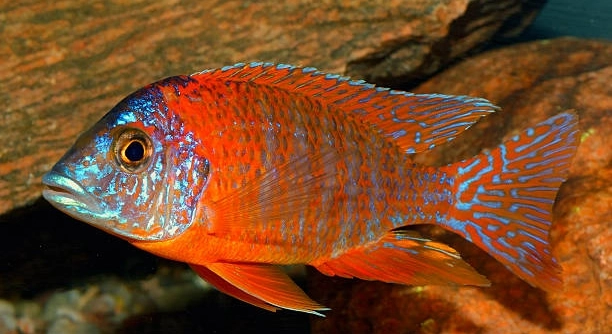
Do you ever find yourself carefully watching your cichlid, hoping to see it care for its eggs, only to notice it seems uninterested or distant? This behavior can feel worrying for any attentive fish keeper.
Cichlids may ignore their eggs due to stress, poor water conditions, lack of proper nutrition, or inexperience in breeding. Environmental disturbances, sudden changes, or the presence of other fish can also cause parents to abandon or neglect their eggs.
Understanding these factors can help improve your fish’s care and encourage healthy breeding habits in your tank environment.
Common Reasons Cichlids Ignore Their Eggs
One of the main reasons cichlids may neglect their eggs is stress. Stress can come from overcrowded tanks, sudden changes in water temperature, or aggressive tank mates. Poor water quality is another major factor. High ammonia or nitrate levels can make parents feel unsafe, leading them to abandon eggs. Nutrition also plays a role; cichlids lacking essential vitamins and minerals may not have the energy or instinct to care for their young. Some cichlids are simply inexperienced and need time to develop parental behaviors. Providing hiding spots and maintaining a calm environment helps encourage egg care. Breeding pairs sometimes need privacy, as constant observation or interference can increase anxiety. Recognizing these signs early can prevent eggs from being lost and allow you to adjust the tank setup. Each tank is different, so paying close attention to your cichlid’s behavior can guide the best interventions.
Addressing water quality, diet, and tank environment is essential to encourage attentive egg care in cichlids.
Taking small steps, like adding plants or adjusting tank mates, can make a noticeable difference in parental behavior and egg survival rates.
Environmental Factors That Affect Egg Care
Tank setup plays a major role in whether a cichlid will care for its eggs.
Water parameters, lighting, and available hiding spaces directly affect how comfortable the fish feel. Sudden temperature shifts or strong currents can make parents stressed. Tanks that are too bright or noisy may also interfere with natural behaviors. Even subtle changes, like moving decorations or introducing new fish, can cause neglect. Cichlids prefer calm, stable conditions where they feel secure enough to protect their eggs. Providing gentle filtration and consistent temperature encourages healthy parenting.
Monitoring the tank daily allows you to catch problems early. If aggression or stress is present, separating the pair temporarily may help. Feeding a nutrient-rich diet supports their energy for egg care. Observing your cichlid closely shows which environmental factors need adjustment. Small modifications, like adding hiding spots, creating shaded areas, or reducing tank traffic, can greatly improve egg attention. Each pair responds differently, so consistent observation and patient adjustments are key. Over time, stable conditions increase the chances of successful hatching and attentive parental behavior.
Nutrition and Health Impact
Proper nutrition is key for cichlids to care for their eggs. Poor diet weakens energy levels and can reduce parental instincts, leading to neglect or abandonment.
Feeding cichlids a balanced diet with protein, vitamins, and minerals supports egg care. Live or frozen foods, along with high-quality flakes or pellets, provide essential nutrients. Deficiencies in calcium or vitamin D can affect egg development, making parents less likely to tend to them. A healthy diet also strengthens the immune system, reducing stress that could distract from egg care. Offering variety keeps the fish engaged with feeding and ensures consistent nutrition.
Overfeeding should be avoided, as excess waste affects water quality and stresses the fish. Moderation and regular feeding schedules help maintain energy without compromising tank conditions. Observing the fish’s activity and appetite can indicate if their diet supports proper parenting behavior. Adjusting food types and frequency may improve egg attention over time, ensuring better survival rates for fry.
Breeding Experience and Behavior
Inexperienced cichlids may ignore eggs simply because they haven’t learned parental instincts.
Even some adult cichlids fail at egg care when breeding for the first time. Observation of previous breeding attempts can reveal patterns of neglect or stress. Experienced pairs are more likely to guard and aerate eggs, while first-time breeders may abandon them or eat the eggs out of instinct. Pairing compatible fish and allowing privacy during breeding increases the chance of successful parental behavior.
Monitoring behavior during early breeding stages helps identify potential problems. Adjusting tank conditions, reducing stressors, and providing hiding spots can encourage proper egg care. Sometimes, experience alone improves parenting in subsequent spawning cycles. Being patient and supportive of the pair during these early attempts is crucial. Tracking diet, water quality, and environmental stability alongside behavioral observation ensures conditions are optimal for both eggs and parents. Over time, even inexperienced cichlids can develop reliable egg-tending habits.
Stress and Tank Disturbances
Frequent disturbances in the tank can cause cichlids to ignore their eggs. Sudden movements, loud noises, or constant observation increase stress and reduce parental care.
Aggressive tank mates or overcrowding also contribute to stress. Cichlids need calm, secure surroundings to focus on their eggs and feel safe enough to tend them properly.
Water Quality Issues
Poor water quality is a common reason eggs are neglected. High ammonia, nitrite, or nitrate levels create an unsafe environment for both parents and eggs. Stable parameters are crucial for healthy breeding behavior and egg survival.
Temperature and Lighting Effects
Water temperature directly affects cichlid egg care. Extreme temperatures can lead to stress or abandonment, while stable warmth encourages attentive behavior. Proper lighting that mimics natural conditions supports normal daily activity and reduces stress, helping parents focus on their eggs.
Tank Setup and Hiding Spots
Cichlids need proper hiding spots to feel secure while guarding eggs. Open or exposed tanks can make them anxious, reducing their willingness to care for offspring.
FAQ
Why is my cichlid not protecting its eggs?
Cichlids may fail to protect eggs due to stress, poor water conditions, or inexperience. Sudden changes in temperature, aggressive tank mates, or a crowded environment can make them feel unsafe. Inexperienced breeders may not yet know how to tend eggs properly, leading to neglect.
Can poor diet affect egg care?
Yes, nutrition is critical. A lack of protein, vitamins, or minerals can reduce a cichlid’s energy and weaken parental instincts. Feeding high-quality flakes, pellets, and occasional live or frozen foods helps maintain energy levels needed for guarding and aerating eggs. Overfeeding should also be avoided to prevent water quality problems.
Does tank size matter for egg care?
Absolutely. A tank that is too small can stress cichlids, especially during breeding. Overcrowding increases aggression and reduces privacy for the pair. Providing enough space allows them to focus on the eggs and reduces anxiety caused by territorial disputes or frequent disturbances from other fish.
How do water parameters affect egg tending?
Water quality directly impacts parental behavior. High ammonia, nitrites, or nitrates make the environment unsafe, prompting parents to abandon eggs. Maintaining stable pH, temperature, and hardness within species-specific ranges creates a secure environment. Regular water changes and monitoring with test kits are essential to support attentive egg care.
What role does tank decor play?
Hiding spots, caves, and plants give cichlids a sense of security. Exposed tanks or minimal decoration can increase anxiety, reducing the likelihood of proper egg care. Even simple adjustments like adding rocks or a small breeding cave can encourage the pair to guard eggs more confidently.
Do first-time breeders often ignore their eggs?
Yes, many first-time breeders fail at parental care. Inexperience can lead to accidental egg consumption or abandonment. Giving pairs privacy, maintaining stable conditions, and avoiding disturbances helps them gain confidence. Subsequent spawnings usually show improved egg-guarding behavior as the parents learn from experience.
Can stress from other fish affect egg care?
Yes, nearby aggressive or active fish can distract cichlids from guarding eggs. Territorial disputes or constant harassment increase stress and can cause neglect or egg loss. Separating breeding pairs or providing adequate hiding spaces reduces interference and encourages attentive behavior.
What signs show a cichlid is stressed with its eggs?
Signs include hiding frequently, frantic swimming, or ignoring eggs altogether. Parents may also become unusually aggressive toward tank mates or even their own eggs. Recognizing these behaviors early allows for adjustments in tank setup, water conditions, or feeding to reduce stress.
How can I improve egg survival if my cichlid is neglectful?
If parents are neglecting eggs, options include improving water quality, stabilizing temperature, and reducing stressors in the tank. In some cases, carefully removing eggs and using a separate hatchery or breeder box may increase survival rates. Proper feeding and quiet conditions also help parents regain focus.
Does lighting affect egg care?
Yes, too much light can stress cichlids and make them feel exposed. Low or diffused lighting helps parents feel secure, allowing them to guard and aerate eggs without distraction. Maintaining a consistent day-night cycle also supports natural behavior patterns.
How long should I monitor my cichlid during breeding?
Daily observation is important, but avoid constant interference. Watching from a distance is best to minimize stress. Intervene only when necessary, such as in cases of poor water quality, aggression, or clear neglect, to ensure eggs have the best chance of survival.
Can I prevent egg neglect entirely?
While some neglect may happen, you can reduce risk by maintaining stable water conditions, providing proper nutrition, offering hiding spots, and minimizing disturbances. Patience and observation are key. Even inexperienced cichlids can become reliable parents with the right environment and care.
Is it normal for cichlids to eat their eggs sometimes?
Yes, it can happen naturally, especially if parents are stressed, inexperienced, or sensing poor egg viability. While it may be frustrating, improving tank conditions and reducing stress can decrease the likelihood of egg consumption in future spawnings.
How important is temperature for egg care?
Temperature stability is crucial. Sudden drops or spikes can stress cichlids and lead to egg neglect. Maintaining species-appropriate warmth ensures proper metabolism and encourages attentive guarding, improving egg survival and hatching success.
Can I encourage better egg care with diet changes?
Yes, feeding high-quality, protein-rich foods strengthens energy and improves parental behavior. Including live or frozen items occasionally keeps fish engaged and ensures they have enough nutrients to guard, aerate, and protect their eggs consistently.
How do I know if my cichlid will become a better parent next time?
Observing breeding behavior over time helps. Many first-time breeders improve with experience. Stable tank conditions, proper nutrition, and a calm environment increase confidence, making attentive egg care more likely in future spawnings.
Are some cichlid species more likely to ignore eggs?
Yes, egg-tending behavior varies by species. Some are naturally more attentive, while others may show partial or inconsistent care. Researching species-specific habits and providing supportive environments helps maximize parental attention to eggs and fry survival.
What immediate steps help if eggs are being ignored?
Improve water quality, remove stressors, provide hiding spots, and ensure proper nutrition. In urgent cases, transferring eggs to a separate breeder tank may save them. Minimizing disturbances and keeping conditions stable encourages parents to resume care.
Does tank noise affect egg care?
Yes, vibrations and loud noises can stress cichlids, making them anxious or distracted. Keeping the tank in a quiet area with minimal movement supports attentive behavior, allowing parents to focus on guarding and aerating eggs effectively.
Can I trust my cichlids after a first failed spawning?
Yes, most cichlids improve with experience. Providing stable conditions, proper nutrition, and privacy allows parents to learn. Observing subsequent breeding cycles often shows more consistent and attentive egg care, increasing the likelihood of successful hatching.
How often should I check water quality during breeding?
Daily testing for ammonia, nitrites, nitrates, and pH is ideal. Maintaining stable parameters prevents stress and creates a safe environment for eggs. Consistent water changes and careful monitoring reduce the risk of neglect and improve parental performance.
What role does tank location play?
Placement affects stress and privacy. High-traffic areas, direct sunlight, or loud environments make cichlids anxious, leading to neglect. A quiet, stable spot with minimal disturbances allows parents to focus on eggs and reduces the risk of abandonment.
Can separating aggressive tank mates help?
Yes, isolating aggressive fish prevents harassment of breeding pairs. Providing a safe area or divider ensures parents can guard eggs without distractions, lowering stress and increasing attentive care for eggs and fry.
Is patience important with breeding cichlids?
Absolutely. Even experienced parents may adjust slowly to breeding conditions. Maintaining calm, stable tanks, proper nutrition, and minimal disturbances gives cichlids time to develop consistent parental behaviors, improving the survival of eggs and fry.
How long do cichlids typically guard their eggs?
Most species guard eggs for several days until hatching. Behavior varies by species, but attentive care usually includes aerating eggs, fanning water, and defending them from potential threats. Consistent conditions and minimal stress encourage full-term protection.
What are signs of successful egg care?
Parents remain near eggs, gently fan them, and show alertness to nearby movement. Eggs stay clean, free from fungus, and hatch successfully. Monitoring these behaviors indicates a healthy environment and attentive parenting.
Can changing tank mates improve egg care?
Yes, removing or isolating disruptive fish reduces stress and distractions. Peaceful surroundings allow cichlids to focus on their eggs, increasing protection and the likelihood of successful hatching.
How do I handle eggs if parents are neglectful?
Careful removal to a separate tank or breeder box is sometimes necessary. Maintaining proper water parameters and gentle handling ensures eggs have a chance to develop, while parents remain in a low-stress environment for future breeding attempts.
Can overfeeding negatively affect parental care?
Yes, excess food increases waste and lowers water quality, creating stress. Stress can cause neglect or egg loss. Feeding moderate amounts at regular intervals supports health and encourages consistent egg care without harming tank conditions.
How important is consistency in breeding tanks?
Consistency in water quality, temperature, lighting, and feeding routines helps cichlids feel secure. Stable conditions encourage attentive behavior, reduce stress, and increase the chances of successful egg tending and hatching.
Do all cichlids require hiding spots?
Most do. Hiding spots reduce stress, provide privacy, and help parents feel safe while guarding eggs. Even simple caves or plants improve comfort, focus, and parental behavior, supporting successful egg care and fry survival.
How long should I wait before trying breeding again?
Allow parents to recover from stress and previous attempts. Ensuring water quality, nutrition, and stable tank conditions before the next spawning increases the chance of attentive egg care and successful hatching.
Can environmental enrichment help?
Yes, plants, rocks, and caves make cichlids feel secure and reduce anxiety. A well-structured tank encourages attentive parenting and protects eggs from stress-related neglect.
Is it normal for cichlids to sometimes eat weak eggs?
Yes, parents may consume eggs that appear unhealthy. This behavior is natural and helps ensure energy is spent on viable eggs, improving overall survival rates for the stronger offspring.
How do I prevent stress during breeding?
Maintain stable water parameters, provide hiding spots, reduce disturbances, and avoid frequent handling. Calm conditions encourage parents to focus on egg care and reduce the risk of neglect or consumption.
Can I improve egg care with lighting adjustments?
Yes, low or diffused lighting reduces stress and creates a sense of safety. Mimicking natural day-night cycles supports normal behavior, allowing parents to guard and aerate eggs effectively.
What is the most important factor for successful egg care?
Stable water quality, proper nutrition, minimal stress, and a secure environment are essential. Observing behavior, adjusting conditions, and providing privacy ensures attentive parenting and higher egg survival rates.
Do cichlids need privacy during egg tending?
Yes, privacy reduces stress and allows parents to focus on guarding and aerating eggs. Even gentle disturbances can distract them, so providing secluded areas supports attentive care and improves hatching success.
How do I know if eggs are developing properly?
Healthy eggs are clean, firm, and free from fungus. Parents remain nearby, fanning and guarding them. Discolored or fuzzy eggs may indicate problems, requiring improved water conditions or intervention to save them.
Can temperature fluctuations cause egg loss?
Yes, sudden changes can stress cichlids, leading to neglect or consumption of eggs. Maintaining consistent, species-appropriate temperatures encourages proper guarding behavior and increases survival chances.
Are some cichlids naturally poor parents?
Yes, behavior varies by species. Some may partially guard or ignore eggs even under ideal conditions. Understanding species tendencies helps manage expectations and improve environmental support for better egg care.
How long should I observe before intervening?
Observe daily but minimize interference. Intervene only if water quality, aggression, or clear neglect threatens eggs. Careful timing ensures eggs have the best chance while parents maintain confidence in future breeding attempts.
Does tank vibration affect egg care?
Yes, vibrations from nearby activity, pumps, or cleaning can stress parents. Reducing these disturbances allows cichlids to remain focused on guarding and fanning eggs.
Can adding plants improve parenting behavior?
Yes, plants provide cover and security, reducing stress. Parents feel safer, improving attention to eggs and increasing the likelihood of successful hatching and fry survival.
How important is monitoring fry after hatching?
Very important. Newly hatched fry need clean water, protection from other fish, and sometimes supplemental feeding. Observing behavior ensures that parents continue guarding or that intervention is provided if necessary.
Can I rely on instinct alone for egg care?
Instinct plays a role, but environmental factors, stress, nutrition, and experience strongly influence success. Providing optimal conditions maximizes the effectiveness of natural parenting behaviors.
What should I do if eggs become fungus-covered?
Remove affected eggs promptly, improve water quality, and consider antifungal treatments if appropriate. Healthy eggs are more likely to survive when fungus is controlled and environmental conditions are stable.
Is it normal for parents to move eggs?
Yes, moving eggs to safer or cleaner spots is natural. Parents adjust positioning for aeration, temperature, and protection. Observing this behavior usually indicates attentive parenting rather than neglect.
How do I prepare a tank for breeding success?
Ensure proper water quality, stable temperature, adequate hiding spots, calm surroundings, and a nutritious diet. These factors create a secure environment for attentive egg care and increase fry survival rates.
Can egg neglect happen even in perfect conditions?
Yes, some neglect is natural, especially with inexperienced or stressed cichlids. Even with ideal conditions, occasional issues may arise, but careful observation and adjustments usually improve outcomes in subsequent spawnings.
How do I support my cichlids after egg loss?
Maintain calm, stable conditions and proper feeding. Avoid immediate breeding attempts to reduce stress. Providing a secure environment helps parents recover and increases success in future spawnings.
Does tank size impact stress levels?
Yes, cramped spaces increase aggression and anxiety. Larger, well-structured tanks reduce stress and allow parents to focus on eggs without distractions, improving parental care and fry survival.
Can frequent handling affect egg care?
Yes, touching or moving eggs or fish increases stress and may cause neglect. Minimal intervention is recommended unless water quality or aggression poses a direct threat to eggs.
How do I balance feeding and water quality?
Feed moderate amounts on a consistent schedule. Remove uneaten food promptly. Proper feeding supports energy for egg care while maintaining water quality, reducing stress and encouraging attentive parenting.
Are there signs of a healthy breeding environment?
Yes, attentive parents, clean eggs, low stress, stable water parameters, and minimal aggression indicate a supportive environment. Observing these factors helps ensure successful egg care and fry survival.
Can environmental enrichment prevent egg neglect?
Yes, adding plants, caves, and varied structures reduces stress and provides security. Enrichment allows parents to focus on guarding and aerating eggs, increasing survival rates.
Is egg neglect reversible?
Often, yes. By addressing stress, improving nutrition, maintaining water quality, and providing hiding spots, parents may resume attentive behavior and protect remaining eggs effectively.
Do all eggs hatch at the same time?
No, hatching times can vary slightly depending on temperature, water quality, and species. Parents usually continue care until all viable eggs have hatched, ensuring the best chance of fry survival.
Can I trust the same pair for multiple spawnings?
Yes, consistent conditions, proper diet, and minimal stress usually improve parental behavior over multiple spawnings. Experience helps pairs become more attentive, increasing egg and fry survival with each attempt.
How do I encourage consistent parental care?
Maintain stable water parameters, provide proper nutrition, ensure hiding spots, reduce disturbances, and allow privacy. Consistency reinforces natural instincts, helping parents reliably guard and aerate eggs through hatching.
What should I do if my cichlids eat their eggs repeatedly?
Assess stress, water quality, nutrition, and tank setup. Providing a secure environment, proper diet, and privacy may reduce egg consumption. In some cases, using a separate breeder tank for eggs may be necessary.
Can overpopulation affect egg care?
Yes, crowded tanks increase aggression and stress, distracting parents from eggs. Providing adequate space and controlling population density supports attentive parenting and higher fry survival rates.
Is it normal for parents to fan eggs constantly?
Yes, fanning ensures oxygen circulation and prevents fungus. Constant fanning is a healthy sign of attentive care, showing parents are actively protecting and maintaining egg viability.
How do I know when to stop intervening?
Once water quality is stable, stress is minimized, and parents are attentive, minimal interference is best. Observing from a distance allows natural parenting behaviors to continue without disruption, supporting successful hatching.
Can lighting schedules improve egg care?
Yes, maintaining consistent day-night cycles reduces stress and supports natural activity patterns. Appropriate lighting encourages attentive guarding and increases the likelihood of successful hatching.
Do all cichlids show the same parental behavior?
No, behavior varies by species and individual experience. Some guard eggs diligently, others partially, and a few may abandon them. Understanding species traits helps set realistic expectations and improve care strategies.
How do I prevent fungal infections on eggs?
Maintain clean water, remove uneaten food, provide aeration, and monitor parents. Fungus can spread quickly, so prompt action and optimal tank conditions are essential to protect eggs and increase hatching success.
What should I do if one parent dies during breeding?
The surviving parent may continue guarding, but stress increases. Ensure optimal water conditions, provide hiding spots, and monitor eggs closely. In some cases, transferring eggs to a separate tank may improve survival.
Can temperature drops cause parents to abandon eggs?
Yes, sudden cooling stresses cichlids and can trigger egg neglect or consumption. Keeping water within species-specific temperature ranges supports attentive parental behavior and healthy development.
How important is water flow?
Moderate flow helps oxygenate eggs but strong currents can stress parents and dislodge eggs. Balanced filtration ensures healthy conditions without creating excessive turbulence, promoting attentive care.
Is it normal for parents to chase each other while guarding eggs?
Some territorial behavior occurs, but excessive aggression can stress parents and affect egg care. Providing hiding spots and enough space reduces conflicts and encourages cooperative guarding.
Can environmental stressors affect future breeding?
Yes, repeated stress during breeding can impact future spawning attempts. Stable conditions, proper nutrition, and reduced disturbances help ensure attentive parenting in subsequent cycles.
What are key indicators of healthy fry development?
Active movement, proper feeding behavior, and consistent growth show healthy development. Observing attentive parental care alongside these indicators ensures eggs were properly tended and fry survival is likely.
How do I handle multiple breeding pairs in the same tank?
Ensure adequate space, hiding spots, and monitor aggression. Overlapping breeding can cause stress, neglect, or egg loss. Separating pairs or providing structured territories improves parental focus and egg survival.
Is it necessary to track individual eggs?
Tracking helps identify neglected or fungus-infected eggs quickly. Early intervention allows corrective measures, increasing the chance that remaining eggs hatch successfully.
Can tank mates learn from breeding behavior?
Some fish may mimic or react to parental behavior, but most do not improve care. Observing interactions ensures tank mates do not interfere with breeding or egg protection.
What is the safest way to remove eggs if needed?
Use gentle tools, clean hands or tweezers, and transfer to prepared
Caring for cichlid eggs can be both rewarding and challenging. Many factors affect whether parents pay attention to their eggs, including water quality, tank setup, diet, and stress levels. Even experienced cichlids may ignore eggs if conditions are not stable or if they feel threatened. Understanding these influences helps fish keepers create an environment that encourages attentive parenting. By maintaining consistent water parameters, providing hiding spots, and keeping aggressive fish separate, the chances of egg survival improve significantly. Observing the fish carefully allows owners to notice signs of stress or neglect early, making it possible to adjust conditions before eggs are lost.
Nutrition plays a major role in parental behavior. Cichlids with a balanced diet have more energy to guard, aerate, and protect their eggs. Protein-rich foods and supplements ensure the parents are physically capable of performing these tasks. Overfeeding should be avoided, as excess food can reduce water quality and increase stress. Inexperienced breeders may need extra support, such as privacy or reduced disturbances, to develop proper egg-tending behavior. Even when parents are attentive, small changes in diet, tank setup, or water conditions can affect how they care for their eggs. A steady routine and consistent environment help cichlids focus on their natural instincts rather than reacting to stressors.
Patience and observation are key components of successful cichlid breeding. Not all eggs will survive, and some parents may neglect eggs during their first spawning attempts. Learning to read the fish’s behavior and responding with adjustments in the tank environment or diet is important. Providing adequate space, calm surroundings, and consistent care gives cichlids the opportunity to improve their parenting skills over time. Even minor changes, like adding plants or adjusting lighting, can make a noticeable difference. Over time, attentive care, stable conditions, and proper nutrition combine to create a supportive environment, increasing the chances that eggs hatch successfully and fry grow healthy. Understanding the balance between environment, diet, and behavior allows owners to guide their cichlids toward consistent and reliable egg care.

Hello,
If you enjoy the content that we create, please consider saying a "Thank You!" by leaving a tip.
Every little bit helps us continue crafting quality advice that supports the health, happiness, and well-being of pets around the world, for pets of all shapes, sizes, and species.
We really appreciate the kindness and support that you show us!