
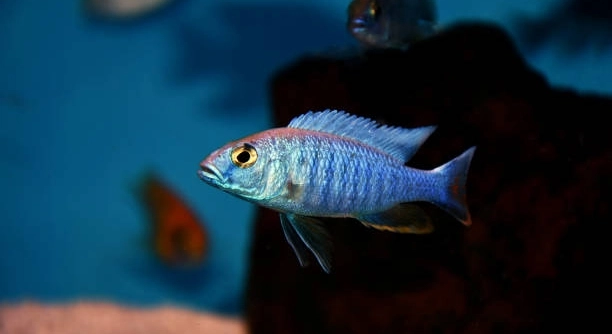
Is your cichlid floating but not moving in the tank? This behavior can be concerning for any fish owner. It often indicates that something is wrong with the fish’s health or environment and needs attention.
Floating without movement in cichlids is usually caused by swim bladder disorder, infections, water quality issues, or stress. These conditions affect the fish’s buoyancy control, making it difficult or impossible to swim properly and maintain balance.
Knowing the possible causes and solutions will help you care for your cichlid better and improve its chances of recovery. Understanding these signs is important for maintaining a healthy aquarium environment.
Common Causes of Floating and Immobility in Cichlids
When a cichlid floats but does not move, several factors could be affecting its swim bladder, the organ responsible for buoyancy. Swim bladder disorder is one of the most frequent causes. This condition may result from physical injury, infections, or digestive issues that affect the fish’s ability to control its position in the water. Poor water quality, such as high ammonia or nitrite levels, can also cause stress and damage to the fish, leading to abnormal swimming behavior. In some cases, sudden changes in temperature or pH can disrupt the fish’s internal balance, making it float uncontrollably. Additionally, overfeeding or constipation may create pressure in the abdomen, impacting the swim bladder. Identifying the cause early is essential to prevent further health decline and improve your cichlid’s wellbeing.
Addressing water parameters and feeding habits promptly often improves the fish’s condition.
Recognizing these causes helps prioritize treatment steps, including water testing, dietary changes, and possible medication. Careful observation of your cichlid’s behavior and environment can guide you to the best solution.
Swim Bladder Disorder and Its Effects
Swim bladder disorder is a common issue in aquarium fish, including cichlids, which affects their ability to maintain proper buoyancy. The swim bladder is a gas-filled organ that helps fish float and stabilize at different water depths. When it malfunctions, fish may float upside down, sideways, or simply remain motionless near the surface. The disorder can be caused by infections, physical trauma, or digestive problems, such as constipation or bloating. Infected swim bladders may require antibiotic treatment, while dietary issues can often be addressed through fasting or feeding high-fiber foods like peas. Keeping the aquarium clean and maintaining stable water parameters reduces the risk of this condition. Observing your cichlid regularly allows you to catch swim bladder problems early, which improves the chances of recovery and keeps your tank healthy overall.
Water Quality and Its Impact
Poor water quality often causes stress and health problems in cichlids. Ammonia, nitrite, and nitrate levels must be monitored regularly to avoid harmful effects.
Maintaining clean water is crucial. High ammonia or nitrite levels can damage gills and internal organs, causing lethargy and abnormal buoyancy. Regular water changes and proper filtration reduce toxins and improve oxygen levels. Testing kits help track water parameters, ensuring a safe environment for your fish. Avoid overfeeding and remove uneaten food promptly, as decaying waste increases toxin buildup.
Keeping stable temperature and pH also supports your cichlid’s health. Sudden changes can stress fish, making them vulnerable to disease. Consistency in water conditions helps prevent floating and immobility issues linked to poor water quality.
Signs of Infection in Floating Cichlids
Infections can cause swim bladder problems and general weakness in cichlids. Look for redness, swelling, or unusual spots on the fish’s body and fins. Loss of appetite and sluggish movement often accompany infections.
Bacterial and parasitic infections require prompt treatment with appropriate medications. Quarantining the affected fish can prevent spreading illness to others. Good water quality and nutrition strengthen the fish’s immune system, making recovery easier. Ignoring infection signs may lead to worsening symptoms and possibly death, so timely intervention is vital.
Regular observation helps catch infections early, improving the chances of successful treatment and a healthy aquarium.
Stress Factors Affecting Cichlids
Stress is a common reason cichlids may float without moving. Overcrowding, aggressive tank mates, or sudden changes in environment increase stress levels. Stress weakens the immune system and disrupts normal behavior.
Providing hiding spots and maintaining peaceful tank conditions helps reduce stress. Consistent water quality and stable temperatures are also essential for keeping cichlids calm and healthy.
Dietary Causes of Floating Behavior
Poor diet can contribute to swim bladder issues in cichlids. Overfeeding or feeding inappropriate foods can cause constipation and bloating. These digestive problems press on the swim bladder, affecting buoyancy. Feeding high-quality pellets and occasional vegetables like peas can improve digestion. Moderation and balanced nutrition support overall fish health and reduce floating problems.
Importance of Observation
Watching your cichlid closely allows you to notice early changes in behavior or appearance. Early detection can lead to faster treatment and better outcomes.
Tank Environment Adjustments
Small changes like rearranging decorations or adjusting lighting may help cichlids feel more secure and reduce stress-related floating.
FAQ
Why is my cichlid floating at the surface and not moving?
Cichlids floating at the surface and remaining still often indicate swim bladder issues, poor water quality, or stress. Swim bladder problems affect the fish’s ability to control buoyancy. High ammonia or nitrite levels in the water can cause weakness, making the fish stay near the surface. Stress from tank conditions or aggressive tank mates can also lead to this behavior.
Can overfeeding cause my cichlid to float?
Yes, overfeeding can lead to constipation or bloating, which puts pressure on the swim bladder. This pressure disrupts buoyancy and causes floating or sideways swimming. Feeding small, balanced meals and including fiber-rich foods like peas can help prevent digestive problems.
How can I improve my cichlid’s swim bladder health?
Maintaining clean water, a balanced diet, and stable tank conditions supports swim bladder health. Avoid sudden changes in temperature or water chemistry. If constipation is the cause, fasting the fish for a day or two and feeding shelled peas can relieve pressure on the swim bladder.
What water parameters should I monitor to keep my cichlid healthy?
Monitor ammonia, nitrite, nitrate, pH, and temperature regularly. Ammonia and nitrite should be at zero, nitrate kept low through regular water changes. pH should match the species’ needs, typically between 6.5 and 8.0 for many cichlids. Stable temperature, usually between 75-82°F (24-28°C), is important.
How do I treat infections that cause floating behavior?
Identify symptoms such as redness, swelling, or spots. Quarantine the infected fish and treat with antibiotics or antiparasitic medication based on the diagnosis. Maintain excellent water quality during treatment to support recovery.
Is it necessary to quarantine new fish before adding them to my tank?
Quarantining new fish is highly recommended to prevent introducing diseases or parasites that could harm existing fish. A quarantine period of two weeks allows observation and treatment if needed.
Can tank mates cause my cichlid to float and be inactive?
Yes, aggressive or overly active tank mates can stress your cichlid, causing it to hide, float, or remain still. Providing enough space and hiding spots can reduce this stress. Choose compatible species to maintain a peaceful environment.
Should I change the water if my cichlid is floating?
Partial water changes help improve water quality and reduce toxins that may cause buoyancy problems. Changing about 25% of the water weekly is ideal. During illness, more frequent changes may help but avoid sudden large changes.
Can temperature fluctuations cause floating issues?
Yes, sudden temperature drops or spikes can stress fish and disrupt their swim bladder function. Keeping a consistent temperature within the recommended range supports healthy swimming behavior.
What signs indicate my cichlid might recover from floating problems?
Signs of recovery include improved swimming control, increased activity, regular feeding, and brightened colors. When the fish regains its balance and starts moving normally, it shows positive response to care and treatment.
How long does it take for a cichlid to recover from swim bladder disorder?
Recovery time varies depending on the cause. Digestive issues may improve within a few days with proper diet and care. Infections or physical damage might take longer and require medication. Patience and consistent treatment are important.
Are there any specific foods to avoid for cichlids prone to floating?
Avoid feeding low-quality foods, large pellets that are hard to digest, or frozen foods with excess water content. Stick to balanced pellets, flakes, and occasional vegetables. Overfeeding any type of food can cause problems.
Can decorations or tank setup affect floating behavior?
Yes, overcrowded tanks or sharp decorations can cause injuries leading to swim bladder issues. Ensure your tank has enough space and safe hiding places to reduce stress and avoid physical damage.
Is it normal for cichlids to rest at the surface occasionally?
Occasional resting near the surface can be normal if the fish is breathing comfortably and shows no other symptoms. However, prolonged floating without movement usually signals a problem needing attention.
When should I consult a veterinarian for my cichlid?
If floating persists despite water changes, diet adjustments, and stress reduction, or if your fish shows signs of infection, severe lethargy, or injury, consulting an aquatic veterinarian is recommended. Early professional advice improves treatment success.
Floating without movement in cichlids is a clear sign that something in their environment or health needs attention. While it can be alarming to see your fish behaving this way, understanding the common causes helps to address the problem effectively. Issues like swim bladder disorder, poor water quality, stress, or infections are often behind this behavior. Each of these factors affects the fish’s ability to swim and maintain balance, which is why it ends up floating but not moving. Keeping a close eye on your cichlid’s behavior and the conditions in the tank is important to catch problems early before they worsen.
Maintaining good water quality is one of the most important steps to prevent and treat floating issues. Regular testing for ammonia, nitrite, nitrate, pH, and temperature ensures the environment remains safe and stable for your fish. Overfeeding and sudden changes in water conditions should be avoided, as they can cause digestive problems or stress, leading to swim bladder troubles. Offering a balanced diet with appropriate portions and occasional fiber-rich foods supports healthy digestion and reduces the risk of bloating or constipation. Additionally, minimizing stress by providing hiding spots and peaceful tank mates helps your cichlid stay healthy and active.
If your cichlid continues to float without movement despite good care, it may require more specific treatment. Quarantining sick fish and using appropriate medications for infections can improve recovery chances. Observing your fish carefully for signs of improvement or worsening is necessary to adjust care as needed. Patience is important, as some conditions take time to heal. Consulting a professional, such as an aquatic veterinarian, can be helpful in difficult cases. Overall, a consistent routine of tank maintenance, balanced feeding, and attention to your cichlid’s health will go a long way in preventing and resolving floating problems.

Hello,
If you enjoy the content that we create, please consider saying a "Thank You!" by leaving a tip.
Every little bit helps us continue crafting quality advice that supports the health, happiness, and well-being of pets around the world, for pets of all shapes, sizes, and species.
We really appreciate the kindness and support that you show us!