
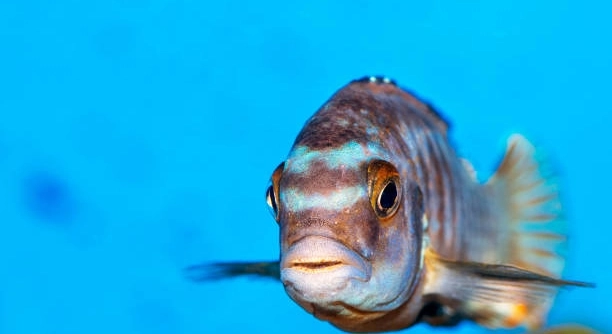
Is your cichlid frequently flicking against the glass of its tank? This behavior can be puzzling and sometimes concerning for fish owners. Understanding why this happens helps in ensuring your fish’s comfort and well-being in its environment.
Cichlids may flick against the glass due to stress, poor water quality, or territorial behavior. These actions often indicate discomfort or attempts to interact with their surroundings, and addressing tank conditions is essential for preventing repeated occurrences.
Recognizing the reasons behind this behavior can improve your cichlid’s habitat and reduce stress. The following information will help you create a healthier environment for your fish.
Common Reasons for Flicking Against the Glass
Cichlids flicking against the glass usually signal issues in their tank environment. Stress is a primary factor, often caused by overcrowding or aggressive tank mates. Poor water quality also plays a significant role, as high ammonia or nitrite levels irritate the fish. Territorial instincts can trigger this behavior, especially in male cichlids defending their space. Sometimes, the fish mistake their reflection for a rival and react by flicking against the glass. Adjusting tank conditions by improving water parameters, rearranging decorations, or reducing the number of fish can help. Paying close attention to these details often leads to noticeable improvements in your cichlid’s behavior.
When stress or poor conditions cause flicking, addressing the tank environment quickly is key to preventing injury and improving your fish’s health.
Creating a stable, clean environment with enough space reduces flicking and encourages natural behavior. This includes regular water changes, appropriate filtration, and providing hiding spots. Monitoring tank mates and removing overly aggressive fish helps too. By observing your cichlid closely and making these changes, you can create a more peaceful and safe habitat where flicking is no longer necessary.
How to Improve Your Cichlid’s Environment
Start by testing your tank water regularly to keep ammonia, nitrite, and nitrate levels safe. Consistent maintenance and water changes prevent harmful buildup. Arrange decorations and plants to give your cichlid places to hide and claim as territory, reducing stress and aggression. Avoid overcrowding, as too many fish lead to tension and erratic behavior.
If your cichlid is flicking due to reflection, you can reduce glass reflections by adjusting lighting or adding a background. Changing tank setup occasionally helps break territorial habits. Remember, a calm fish shows signs of comfort, such as normal swimming and feeding patterns. By providing stable conditions and reducing stressors, you create an environment where your cichlid thrives without flicking against the glass.
Recognizing Signs of Stress in Your Cichlid
Stress in cichlids often shows through unusual behaviors like flicking, hiding more than usual, or loss of appetite. These signs mean your fish is uncomfortable and needs attention to its environment or health.
Stress results from poor water quality, aggressive tank mates, or sudden changes in the tank. Water parameters should be tested regularly, and any spikes in ammonia or nitrites corrected immediately. Overcrowding and incompatible fish species increase stress levels, so keeping a balanced community is important. Sudden changes in temperature or lighting also affect fish comfort and can cause erratic behavior. Observing your cichlid closely for these signs helps in identifying stress early and taking necessary action.
Addressing stress involves improving tank conditions and ensuring your cichlid’s needs are met. This can include adding hiding spots, performing regular water changes, and monitoring fish interactions. Keeping the environment stable supports your fish’s health and reduces flicking behavior.
When to Seek Professional Advice
If flicking continues despite improving tank conditions, it may indicate illness or injury. Consulting an aquatic veterinarian or experienced fish specialist is recommended. Early diagnosis prevents complications.
Persistent flicking can be a symptom of parasites, infections, or fin damage. Professionals can identify these issues with proper examination and suggest treatment options, such as medication or changes in care routine. Ignoring these signs might worsen the fish’s condition, leading to further stress or death. Seeking expert help ensures your cichlid receives timely care.
Regular observation and early intervention are key to maintaining your cichlid’s health. A professional’s guidance can make a significant difference in managing persistent behavioral problems and restoring your fish’s well-being.
Preventing Flicking Through Proper Tank Setup
A well-arranged tank reduces stress and flicking behavior in cichlids. Provide enough space for each fish to establish territory comfortably.
Using plants, rocks, and caves creates hiding spots that help fish feel secure. This also minimizes aggression and erratic movements against the glass.
The Role of Diet in Fish Behavior
A balanced diet keeps cichlids healthy and less prone to stress-induced behaviors. Feeding high-quality pellets or flakes supplemented with occasional live or frozen foods supports their nutritional needs. Avoid overfeeding, as excess food can pollute the tank and affect water quality, indirectly causing stress and flicking.
Adjusting Lighting to Reduce Stress
Bright or flickering lights can cause discomfort and erratic behavior in cichlids. Use gentle, consistent lighting with periods of darkness to mimic natural conditions and promote calmness.
Monitoring Water Temperature
Maintaining a stable temperature appropriate for cichlids (around 75-82°F) is important. Fluctuations cause stress and lead to unusual behaviors like flicking.
FAQ
Why does my cichlid keep flicking against the glass?
Flicking against the glass often means the fish is stressed or uncomfortable. It can be caused by poor water quality, overcrowding, or aggression from other fish. Sometimes, the fish mistakes its reflection for a rival and reacts. Checking water parameters and tank setup usually helps reduce this behavior.
Can flicking cause harm to my cichlid?
Yes, repeated flicking can injure your cichlid’s fins or body, leading to infections or wounds. It’s important to address the cause quickly to prevent physical damage and ensure your fish stays healthy.
How can I test my tank water to improve my cichlid’s health?
Use aquarium test kits to measure ammonia, nitrite, nitrate, and pH levels. These kits are affordable and easy to use. Maintaining safe levels—ammonia and nitrites at zero, low nitrates, and stable pH—supports your cichlid’s well-being and lowers stress.
What is the best tank size for cichlids to avoid flicking?
A larger tank with enough space for each cichlid to claim territory helps prevent flicking caused by stress and aggression. Depending on the species, a minimum of 30 to 50 gallons is recommended for a small group.
How often should I change the water in my cichlid tank?
Changing 20-30% of the water weekly helps maintain water quality. This keeps harmful chemicals low and reduces stress that leads to flicking. More frequent changes might be needed if water tests show poor conditions.
Can tank decorations reduce flicking behavior?
Yes, decorations like rocks, plants, and caves offer hiding spots and territories, which reduce stress and aggression. When fish feel secure, they are less likely to flick against the glass.
Is flicking always caused by stress?
Not always. Sometimes flicking is caused by curiosity or interaction with their reflection. However, persistent flicking usually points to stress, poor water conditions, or social issues in the tank.
Should I remove aggressive tank mates if my cichlid flicks a lot?
Yes, aggressive fish can cause stress and flicking. Removing or separating aggressive tank mates helps create a peaceful environment and reduces this behavior.
Can flicking be a sign of illness?
Yes, flicking may indicate parasites, infections, or irritation. If improving the tank environment doesn’t help, seek advice from an aquatic vet to rule out health problems.
How does diet affect flicking behavior in cichlids?
A poor diet can weaken your cichlid, making it more sensitive to stress. Feeding a balanced diet keeps fish healthy and calmer, which reduces flicking caused by discomfort or weakness.
Can lighting cause flicking?
Yes, bright or flickering lights can stress cichlids. Using stable, soft lighting that mimics natural conditions helps keep your fish calm and reduces flicking.
Is flicking more common in certain cichlid species?
Some species are more territorial or aggressive, which can increase flicking behavior. Knowing your species’ traits helps in managing tank conditions and reducing stress.
What should I do if my cichlid keeps flicking despite all efforts?
Consult an aquatic specialist or vet. Persistent flicking may need professional diagnosis to check for illness or other hidden problems that require treatment.
Flicking against the glass is a common behavior among cichlids that usually signals some form of discomfort or stress. Understanding the reasons behind this action is important for every fish keeper. Often, flicking is linked to issues like poor water quality, overcrowding, or aggressive tank mates. By recognizing these causes early, you can take steps to create a better environment for your fish. Simple changes like improving water conditions, adjusting the tank setup, and providing enough space can make a big difference in how your cichlid behaves. Keeping the tank stable and comfortable is key to reducing stress-related behaviors.
Maintaining good tank hygiene and routine care is essential. Regular water testing and partial water changes help keep ammonia and nitrite levels low, which are harmful to fish. Proper filtration and aeration support water quality and oxygen levels, promoting healthier fish. In addition, arranging decorations to give your cichlid hiding places and territories can reduce aggression and flicking. Avoiding overcrowding and carefully selecting tank mates also prevents unnecessary stress. A balanced diet tailored to your cichlid’s needs supports their overall health and resilience against environmental challenges.
If flicking persists even after addressing tank conditions, it is important to consider health issues. Parasites, infections, or injuries can cause this behavior and may require professional treatment. Monitoring your cichlid’s behavior and appearance regularly helps spot signs of illness early. Consulting an aquatic veterinarian or fish expert can provide guidance on appropriate care and treatment. Taking these steps ensures your cichlid stays healthy, happy, and less likely to flick against the glass. With patience and attention, you can enjoy a thriving aquatic environment.

Hello,
If you enjoy the content that we create, please consider saying a "Thank You!" by leaving a tip.
Every little bit helps us continue crafting quality advice that supports the health, happiness, and well-being of pets around the world, for pets of all shapes, sizes, and species.
We really appreciate the kindness and support that you show us!