
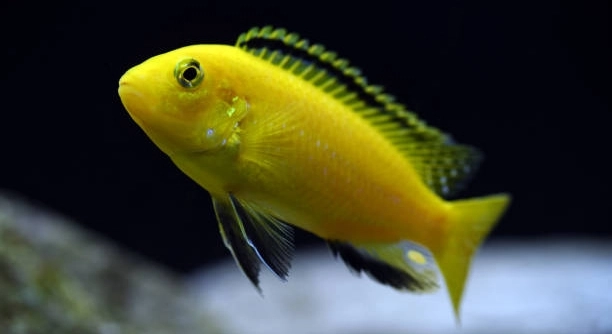
Is your cichlid busy caring for its eggs or fry but suddenly refusing to eat? This behavior is common among breeding cichlids, as their focus shifts entirely toward protecting their young and maintaining a safe environment.
Breeding cichlids often reduce or stop feeding because hormonal changes prioritize parental care over nutrition intake. This temporary fasting ensures eggs or fry receive optimal protection, while the adult conserves energy, minimizing risk from predation or environmental stress during this vulnerable period.
Understanding why your cichlid behaves this way will help you manage its health and ensure both parent and offspring thrive in your aquarium.
Understanding Cichlid Breeding Behavior
When cichlids start breeding, their behavior changes significantly. They become highly protective of their eggs or fry, often staying close to the nest and defending it aggressively. This shift in focus means that feeding takes a back seat. During this period, it’s common for cichlids to ignore food entirely. Hormonal changes trigger this behavior, and the fish are wired to prioritize the survival of their young over their own nutrition. Stress can make them even more reluctant to eat, especially if the tank environment feels unsafe or crowded. Observing them closely can help you recognize the signs of breeding without misinterpreting their fasting as illness. Some cichlids may resume eating slowly, while others take several days to recover after the fry become more independent. Providing a calm and secure environment encourages the parent to focus on feeding once breeding duties decrease.
Keeping their tank peaceful and stable helps reduce stress and supports natural recovery after breeding.
Even small adjustments, like reducing tank disturbances and maintaining water quality, make a noticeable difference. Breeding can be exhausting for cichlids, and respecting their need for space is essential. Over time, they will regain interest in food, and you can gradually reintroduce their usual diet. Observing their behavior also helps you plan future feedings and tank maintenance without disrupting the parents. Avoid overfeeding during this period, as it can worsen water quality and increase stress. Your patience during these few critical days ensures healthier parents and fry. By monitoring water parameters, offering gentle care, and understanding the biology behind their fasting, you can support both the adult cichlids and their offspring effectively.
Tips to Encourage Feeding After Breeding
Start with small, frequent meals to tempt your cichlid back to eating.
After breeding, cichlids may need extra encouragement to resume normal feeding. Begin by offering tiny portions of easily digestible foods such as finely chopped shrimp, baby brine shrimp, or high-quality flakes. Avoid large or hard-to-digest foods initially, as this can overwhelm the parent fish. Keep feedings consistent, but monitor closely to prevent leftover food from polluting the water. Temperature and lighting should remain stable, as sudden changes can increase stress. Gradually, you can mix in regular food once the fish shows interest. Observing their response is key; some cichlids take longer, while others resume feeding within a day or two. Maintaining a calm environment, limiting tank disturbances, and keeping water parameters ideal supports recovery. By taking these careful steps, you help your cichlid regain strength without compromising the fry or the overall tank health.
Common Causes of Fasting During Breeding
Hormonal changes are the main reason cichlids stop eating while breeding. Stress from tankmates or environmental disturbances can make it worse. Some species naturally fast longer than others during this period.
Stress significantly impacts feeding behavior. Even minor changes, such as moving decorations or adjusting water flow, can trigger a temporary refusal to eat. Overcrowding also contributes, as parent cichlids may feel the need to protect their eggs or fry constantly. Diet changes or poor water quality can reinforce fasting, so maintaining stability is crucial. Each species has unique patterns, and observing your fish closely helps you understand when fasting is normal and when intervention is needed.
Environmental conditions affect appetite strongly. Water temperature, pH, and cleanliness play key roles. Maintaining consistent conditions reduces stress, making parents more likely to resume eating sooner. Some cichlids require hiding spots to feel secure enough to feed, and offering these ensures their comfort. Monitoring water quality and minimizing disturbances helps balance the needs of both parent and offspring. Gradual reintroduction of food with gentle handling encourages normal feeding habits while supporting fry development and parental health.
Adjusting Diets for Breeding Cichlids
Offer softer, protein-rich foods that are easy to digest for parents. Small portions prevent waste and reduce stress.
High-quality, easily digestible foods are essential for breeding cichlids. Baby brine shrimp, finely chopped worms, and soft pellets provide necessary nutrients without overwhelming the fish. Avoid large, dense foods initially, as parents may refuse them. Feeding small amounts multiple times a day encourages gradual intake. Balanced nutrition supports recovery after fasting and helps maintain energy for parental duties. Observing which foods your cichlid accepts can guide future diet choices. Slowly returning to the regular diet ensures they regain strength without compromising water quality or fry safety. Maintaining cleanliness and consistency alongside diet adjustments promotes overall health.
Signs Your Cichlid Is Ready to Eat Again
Look for increased movement around the tank and less time guarding eggs or fry. These behaviors usually indicate readiness to resume feeding.
Parents may start showing interest in food slowly, taking small nibbles rather than full meals. Watch for consistent nibbling and reduced hiding behavior as positive signs.
Maintaining Optimal Tank Conditions
Stable water temperature, proper filtration, and regular cleaning are essential. Stress from poor conditions can prolong fasting. Keep water parameters consistent and avoid sudden changes. Frequent monitoring ensures early detection of issues that may affect appetite. Hiding spots for fry and parents create security. Regular partial water changes maintain cleanliness without shocking the fish. Adjust lighting gradually to prevent stress. Avoid overcrowding, as extra tankmates can interfere with parental care and increase anxiety. By focusing on these factors, you support both feeding behavior and overall health, allowing parents to recover naturally.
Encouraging Gradual Feeding
Start with tiny portions of preferred foods and observe reactions carefully. Avoid overfeeding during this sensitive period.
FAQ
Why is my cichlid breeding but not eating?
Breeding triggers hormonal changes that shift the cichlid’s focus entirely toward protecting eggs or fry. During this time, their appetite naturally decreases. Stress from tank disturbances, overcrowding, or sudden environmental changes can prolong this fasting period. Some species fast longer than others, which is normal and should not immediately cause concern.
How long will my cichlid go without eating?
The duration varies by species and individual fish. Most cichlids will begin nibbling again within a few days after fry become more independent. Some may fast for up to a week. Monitoring their behavior is important; as long as they are active and protecting their young, short-term fasting is usually harmless.
Can I force my cichlid to eat?
It is not recommended to force feed during breeding. Doing so can stress the parent and endanger eggs or fry. Instead, offer small portions of soft, protein-rich foods nearby and allow the fish to eat at their own pace. Gradual encouragement works better than force.
What foods are best after breeding?
Soft, easy-to-digest foods like baby brine shrimp, finely chopped worms, or soft pellets are ideal. High-protein options help restore energy lost during fasting. Introduce foods slowly in small amounts multiple times a day to avoid waste and maintain water quality. Once appetite returns, regular foods can be gradually reintroduced.
How can I reduce stress in the tank?
Keep water parameters stable, maintain consistent lighting, and avoid sudden temperature changes. Limit tank disturbances and reduce overcrowding. Hiding spots for both parents and fry provide security. A calm, clean environment encourages the parent to resume feeding and reduces aggressive behavior toward other tankmates.
Should I separate the parent from the fry?
Separation is usually unnecessary unless the parent shows signs of extreme stress or refuses to eat for more than a week. Most cichlids are dedicated parents, and intervening too early can cause more harm than good. Provide a secure, low-stress environment instead of separation.
What signs indicate my cichlid is healthy while fasting?
Active swimming, consistent protection of eggs or fry, and responsive reactions to changes in the tank are good signs. Minor weight loss is normal, but sudden lethargy, disinterest in fry, or rapid decline may indicate a health issue requiring attention.
When should I worry about not eating?
If fasting lasts longer than a week or is accompanied by signs of illness such as rapid breathing, bloating, or unusual spots, it may indicate a problem beyond normal breeding behavior. Testing water quality and observing for disease can prevent serious health issues.
Can fasting affect the fry’s survival?
Typically, no. Healthy parent cichlids prioritize fry care even while fasting. Providing a calm environment ensures that fry are protected and that parents can resume feeding without risk to their young. Stressful conditions, however, may reduce parental care, so minimizing disturbances is crucial.
Will my cichlid return to normal eating habits?
Yes. Once the fry grow more independent and the hormonal shift reverses, most cichlids gradually return to their normal feeding patterns. Small, frequent feedings of preferred foods help them regain strength. Observing behavior closely ensures a smooth transition back to regular diet habits.
Can multiple factors influence fasting?
Absolutely. Fasting can result from a combination of hormonal changes, stress, poor water quality, tank overcrowding, and diet shifts. Addressing these factors simultaneously improves recovery time and overall health. Patience is key during this natural phase of breeding.
How can I support recovery after breeding?
Maintain ideal water conditions, offer small protein-rich meals, reduce tank stress, and allow the parent to feed at its own pace. Gradual adjustments to diet and environment encourage the cichlid to regain strength while ensuring the fry remain safe and healthy.
What precautions should I take for future breeding cycles?
Ensure a stable tank, provide hiding spots, and plan feedings to match your cichlid’s natural behavior. Monitoring the parent closely and keeping environmental conditions consistent reduces fasting stress. Preparation supports healthy breeding and minimizes risks to both parents and fry.
This FAQ covers most scenarios cichlid owners encounter with fasting during breeding. Understanding these patterns and maintaining a calm, supportive environment helps both parent and fry thrive without unnecessary intervention.
Caring for a breeding cichlid can feel challenging, especially when they stop eating while protecting their eggs or fry. This behavior is completely natural and driven by biological instincts. During this time, a cichlid’s focus shifts entirely toward guarding its young, which often comes at the expense of feeding. Observing this behavior can be concerning at first, but understanding that temporary fasting is part of the breeding process helps reduce stress. Small changes in behavior, such as increased time spent near the nest or heightened alertness to movement in the tank, indicate that the parent is actively performing its duties. As long as the fish remains active and continues to protect its offspring, short-term fasting is not usually a sign of illness. Maintaining calm and consistent tank conditions supports the parent during this sensitive period. By keeping the water clean, stable, and free from sudden disturbances, you create an environment that allows the cichlid to focus on its parental role without added stress.
After the initial fasting period, cichlids typically begin returning to their normal feeding routines. Offering small portions of soft, protein-rich foods can encourage them to start eating again. Foods such as baby brine shrimp, finely chopped worms, or soft pellets are ideal because they are easy to digest and provide necessary nutrients. Gradually reintroducing their regular diet ensures that the parent regains strength without overwhelming the digestive system. Monitoring the fish closely is important, as some individuals may take longer to resume eating than others. Tank conditions remain critical during this stage. Stable temperature, consistent lighting, and minimal disturbances all contribute to a smooth transition back to normal feeding behavior. Observing how your cichlid responds to these changes allows you to adjust care as needed, ensuring both the parent and the fry remain healthy and safe.
Supporting a breeding cichlid requires patience and attention to detail, but it is also a rewarding experience. Understanding the natural behaviors that lead to temporary fasting helps prevent unnecessary worry or intervention. Maintaining proper tank conditions, providing appropriate foods, and reducing stress are the main factors that encourage a parent to resume eating while safeguarding the fry. Over time, most cichlids recover fully and continue their normal feeding patterns. By respecting their natural instincts and offering a secure, calm environment, you help ensure the well-being of both the parent and the young. Careful observation, consistent maintenance, and a gentle approach to feeding make a significant difference in the health and success of breeding cichlids. This approach not only supports the fish during their sensitive phase but also strengthens your ability to manage future breeding cycles effectively.

Hello,
If you enjoy the content that we create, please consider saying a "Thank You!" by leaving a tip.
Every little bit helps us continue crafting quality advice that supports the health, happiness, and well-being of pets around the world, for pets of all shapes, sizes, and species.
We really appreciate the kindness and support that you show us!