
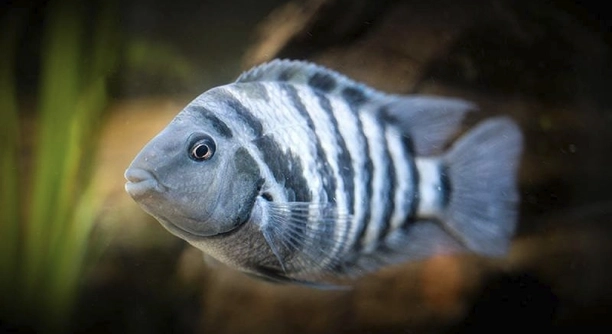
Are your cichlids breathing faster than usual and leaving you worried? Rapid breathing in these fish can be a sign of different issues in your aquarium. It’s important to understand what might be causing this behavior to keep them healthy.
Fast breathing in cichlids is often caused by poor water quality, low oxygen levels, stress, or illness. Identifying the specific cause is essential to address the problem and restore your fish’s normal breathing patterns efficiently.
Knowing the reasons behind your cichlid’s fast breathing can help you take the right steps for their care and well-being. This article will explain seven common causes to watch for and how to respond.
Poor Water Quality
Poor water quality is one of the most common reasons your cichlid may be breathing fast. When the water contains high levels of ammonia, nitrites, or nitrates, it becomes toxic to fish. These chemicals build up from uneaten food, waste, and decaying plants. If the filtration system isn’t working properly or if water changes are skipped, the water quickly turns harmful. Toxic water irritates the gills, making it harder for fish to absorb oxygen. This causes them to breathe faster to get enough air. Cloudy or foul-smelling water is a clear sign that the tank needs attention. Testing the water regularly with a reliable kit can help spot problems before your fish suffer. Changing a portion of the water and cleaning the tank can improve conditions quickly. Keeping the water clean is essential to your cichlid’s health and comfort in the aquarium.
Poor water quality causes stress and breathing problems in cichlids by making oxygen absorption difficult.
Maintaining good water quality means testing water parameters weekly and doing partial water changes regularly. A good filter and proper tank cleaning help keep ammonia and nitrite levels low. Avoid overfeeding to reduce waste buildup. If the water is poor, immediate changes can save your fish from serious harm. Healthy water helps your cichlid breathe easily and stay active. Monitoring and care are key to preventing future issues and keeping your tank safe.
Low Oxygen Levels
Low oxygen levels in the tank can make your cichlid breathe fast. This often happens when the water surface is still and there is little movement or aeration. Oxygen enters the water mainly through surface agitation. If the tank is overcrowded or the temperature is too high, oxygen can drop quickly.
To fix low oxygen, increasing water movement with an air stone or filter can help. Regular water changes also keep oxygen levels stable. Avoid placing the tank in direct sunlight or near heat sources that raise water temperature. Cooler water holds more oxygen. Make sure the tank isn’t too crowded, as too many fish consume oxygen faster than it can be replaced. Watching your cichlid’s breathing and behavior closely will help you notice changes early and respond to keep your fish comfortable and healthy.
Stress
Stress can cause your cichlid to breathe rapidly. Changes in the tank environment or aggressive tank mates often trigger this reaction. Stress weakens the fish’s immune system and affects normal behavior.
Stress happens when cichlids feel threatened or uncomfortable. Loud noises, sudden movements outside the tank, or frequent handling can increase their anxiety. Incompatible tank mates that chase or nip your fish also cause stress. Poor water conditions or overcrowding make the situation worse. Stress can lead to diseases and reduce your fish’s lifespan. It’s important to create a calm environment with proper hiding spots and stable conditions to reduce stress. Removing aggressive fish or rearranging the tank layout may be necessary to protect your cichlid.
Identifying and minimizing stressors helps your cichlid breathe normally again. A peaceful tank environment and consistent care promote healthier fish behavior and well-being.
Disease and Parasites
Disease and parasites often cause rapid breathing in cichlids. Infections can irritate the gills or make it hard for fish to absorb oxygen properly.
Common diseases like gill flukes or bacterial infections damage the gill tissue, leading to breathing problems. Parasites attach to the gills, causing discomfort and inflammation. These conditions make your fish gasp at the surface or breathe quickly. Early signs include lethargy, loss of appetite, and unusual swimming. Treatment depends on the diagnosis but usually involves medication and improved water quality. Quarantining sick fish can prevent spreading illness to others. Regular observation and quick action are essential to keep your cichlids healthy and prevent severe breathing issues caused by diseases or parasites.
High Water Temperature
High water temperature lowers oxygen levels, making it hard for your cichlid to breathe. Warm water holds less oxygen, causing faster gill movement.
Fish become stressed when temperatures rise above their comfort zone. Keeping the tank within the right temperature range helps maintain oxygen and healthy breathing.
Poor Tank Maintenance
Neglecting regular tank cleaning and water changes leads to waste buildup and unhealthy water conditions. This environment stresses your cichlid and causes rapid breathing. Consistent maintenance prevents these issues and keeps your fish comfortable and healthy.
Overcrowding
Too many fish in the tank compete for oxygen, leading to faster breathing. Overcrowding causes stress, poor water quality, and limits swimming space, which affects fish health. Maintaining appropriate stocking levels supports proper oxygen levels and reduces breathing problems.
FAQ
Why is my cichlid breathing fast but still eating and swimming normally?
Sometimes, fast breathing happens due to mild stress or temporary changes in water conditions. If your cichlid is still active and eating well, the issue might be minor, like a slight drop in oxygen or brief irritation. Keep monitoring water quality and tank conditions to catch any problems early.
Can fast breathing be a sign of disease?
Yes, rapid breathing often signals infections or parasites affecting the gills. Diseases like gill flukes or bacterial infections irritate the gills and make breathing difficult. Watch for other signs like lethargy, loss of appetite, or unusual swimming to identify illness early and treat it promptly.
How can I improve oxygen levels in my aquarium?
Improving oxygen levels can be done by increasing surface agitation using air stones or filters. Regular water changes and keeping the tank temperature stable and not too warm also help. Avoid overcrowding, as too many fish consume oxygen faster than it can be replaced.
Is poor water quality always the cause of fast breathing?
Poor water quality is a frequent cause but not the only one. Stress, disease, parasites, and temperature issues also play a role. Testing your water regularly for ammonia, nitrites, and nitrates will help determine if water quality is the main issue.
How often should I test my aquarium water?
Testing once a week is ideal, especially for parameters like ammonia, nitrites, nitrates, and pH. More frequent tests may be needed if your cichlid shows signs of stress or illness. Keeping records helps track trends and catch problems early.
Can temperature swings cause fast breathing in cichlids?
Yes, sudden changes in temperature stress fish and affect oxygen levels in water. Consistent temperatures between 75°F and 82°F are best for most cichlids. Use a reliable heater and thermometer to maintain stable water temperature.
What are signs that my cichlid is stressed?
Fast breathing, hiding, loss of appetite, erratic swimming, and faded colors are common stress indicators. Stress weakens the immune system, making your fish more vulnerable to disease. Addressing tank conditions and removing stressors helps reduce these symptoms.
Can overcrowding cause breathing problems?
Yes, overcrowding reduces oxygen availability and increases waste, both harmful to cichlids. A crowded tank also leads to aggressive behavior and stress. Make sure to keep an appropriate number of fish based on tank size to maintain a healthy environment.
When should I seek help from a professional?
If your cichlid’s fast breathing continues despite water changes and care, or if you notice other symptoms like swelling, discoloration, or severe lethargy, it’s time to consult a vet or experienced aquarium specialist. Early diagnosis improves treatment success.
Are there preventive steps to avoid fast breathing issues?
Regular tank maintenance, proper filtration, stable water temperature, and appropriate stocking levels prevent most causes of fast breathing. Avoid overfeeding and introduce new fish carefully to reduce stress and disease risks. Consistent care keeps your cichlid healthy and breathing normally.
When your cichlid starts breathing fast, it can be a worrying sign, but understanding the possible causes helps a lot. Many factors affect how your fish breathes, including water quality, oxygen levels, stress, disease, and tank conditions. Each of these issues can make it harder for your cichlid to get the oxygen it needs. By keeping an eye on these factors and acting quickly when something feels off, you can help your fish stay healthy and comfortable. Regular tank care and observation are key to catching problems early before they become serious.
Water quality is one of the most important things to maintain. Ammonia, nitrites, and nitrates build up quickly if the tank isn’t cleaned often enough, which can harm your fish’s gills and make them breathe faster. Testing the water regularly and doing partial water changes help keep these chemicals at safe levels. Oxygen in the water also plays a big role. Warm water holds less oxygen, so making sure the temperature stays steady and that the water surface moves enough can improve oxygen levels. Sometimes adding an air stone or adjusting the filter can make a big difference in how well your cichlid breathes.
Stress and illness are other common reasons for fast breathing. Changes in the tank, aggressive tank mates, or poor conditions can make your cichlid anxious, which causes faster breathing and weakens its immune system. Disease and parasites can damage the gills and make it hard for fish to breathe normally. Watching your cichlid closely and maintaining a peaceful, clean environment will reduce stress and help prevent sickness. If problems persist, it’s important to seek advice from experts or vets. With good care, attention, and patience, your cichlid can recover and enjoy a healthy, happy life in your aquarium.

Hello,
If you enjoy the content that we create, please consider saying a "Thank You!" by leaving a tip.
Every little bit helps us continue crafting quality advice that supports the health, happiness, and well-being of pets around the world, for pets of all shapes, sizes, and species.
We really appreciate the kindness and support that you show us!