
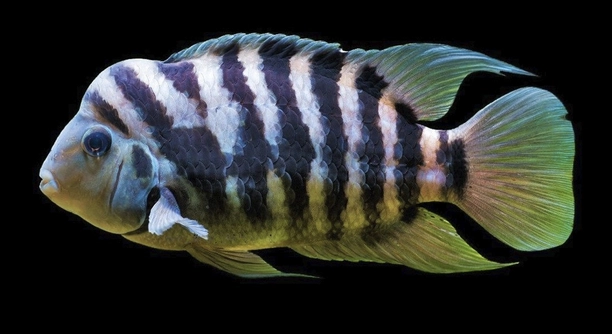
Is your cichlid swimming alone and avoiding other fish in the tank? Many fish owners notice this behavior and wonder what it means for their aquatic pets. Understanding the reasons behind it can help keep your tank healthy and peaceful.
Cichlids may avoid other fish due to stress, territorial behavior, illness, or environmental changes. These factors cause discomfort or fear, prompting the fish to seek solitude as a way to protect itself or recover. Proper care and tank management can reduce avoidance.
Knowing why your cichlid acts this way can help you improve its environment and social interactions. This article will guide you through the common causes and solutions for your fish’s behavior.
Stress and Territorial Behavior in Cichlids
Cichlids are known for their strong territorial instincts. When they feel crowded or threatened by other fish, they often isolate themselves. Stress from tankmates invading their space can lead to hiding or avoiding others. This is especially common if the tank is too small or lacks enough hiding spots. Changes in the environment, like new fish introductions or sudden water quality shifts, can increase stress. A stressed cichlid might stop eating or show dull colors. Keeping the tank clean and stable is important to reduce stress. Providing enough room and decorations allows each fish to claim its own space. Observing your fish regularly can help you notice stress signs early. Sometimes, rearranging the tank or separating aggressive fish is necessary. Stress affects not just behavior but also the immune system, making fish more vulnerable to illness.
Territorial disputes often start when fish compete for limited space or breeding sites.
Cichlids establish clear boundaries to avoid fights. When their territory is respected, they feel safer and more confident. If one fish continually chases another, moving the aggressor to a separate tank or increasing the tank size can help. Adding plants or rocks also creates natural barriers, reducing conflict. Over time, fish adjust and can coexist peacefully if their environment supports it. This helps reduce avoidance behaviors and encourages more natural interactions. Creating a calm, spacious setting is key to a healthy community tank.
Illness and Environmental Factors
Illness can cause a cichlid to avoid others because they feel weak or vulnerable. Sick fish often hide to conserve energy and avoid stress. Poor water conditions, like incorrect pH or high ammonia levels, also cause discomfort and isolation.
Fish need clean water with balanced parameters to thrive. Regular testing and water changes keep conditions stable. Sudden changes in temperature or lighting may stress fish too. Even minor problems can affect a cichlid’s health and social behavior. Paying close attention to water quality and fish appearance helps prevent illness. If a fish looks pale, has spots, or behaves unusually, prompt treatment is needed. Quarantining new fish before adding them reduces disease risks. A healthy environment supports stronger fish that interact more normally. Keeping a calm and clean tank is essential for preventing avoidance caused by sickness or stress.
Adjusting to New Tankmates
Introducing new fish can make a cichlid feel unsettled, causing it to avoid others at first. They need time to get used to the new presence and reestablish territory. Sudden changes often lead to temporary hiding or distance.
During this adjustment, watch for signs of aggression or stress between fish. Keeping the tank environment stable and providing enough hiding spots helps ease tension. Sometimes separating fish briefly can prevent fights. Over time, most cichlids learn to tolerate or accept new tankmates if conditions are right. Patience and careful observation are important in this phase.
Some cichlids are naturally shy and take longer to settle. Knowing your fish’s personality helps manage expectations during introductions. Being gentle and maintaining good tank care supports a smoother transition and healthier interactions.
Importance of Tank Size and Setup
A cramped tank can increase stress and avoidance in cichlids. They need enough space to establish territories and swim freely. Overcrowding leads to constant conflict and hiding. Proper tank size varies by species but generally starts at 30 gallons for smaller cichlids.
The setup also matters. Rocks, plants, and caves create natural barriers and hiding places. These help reduce direct confrontations by giving each fish a personal space. A well-arranged tank mimics their natural habitat and promotes calm behavior.
Regular maintenance, such as cleaning and water changes, keeps the environment healthy. A clean tank reduces stress and illness, encouraging fish to be more social. Proper size and setup are key to reducing avoidance and improving your cichlid’s well-being.
Feeding and Nutrition Impact
Poor nutrition can cause cichlids to feel weak and avoid others. A balanced diet supports their energy and immune system.
Feeding them the right amount and variety reduces stress. Overfeeding or underfeeding can lead to health problems and changed behavior.
Signs of Stress to Watch For
Cichlids showing stress might hide, lose color, or stop eating. Rapid breathing or erratic swimming are also common signs. Stress affects their overall health and social habits.
When to Separate Your Cichlid
If a cichlid is constantly chased or injured, separation is necessary. Keeping aggressive fish apart prevents harm and stress. Creating peaceful conditions helps fish recover and feel safe again.
FAQ
Why is my cichlid hiding all the time?
Hiding is a common behavior when cichlids feel stressed, threatened, or sick. They may need time to adjust to new tankmates or a new environment. Lack of hiding places or overcrowding can also cause them to stay hidden more often. Providing enough space and shelter usually helps reduce hiding.
Can a cichlid’s personality affect how it interacts with other fish?
Yes, some cichlids are naturally more shy or aggressive. Individual personalities influence how they behave with tankmates. Some prefer solitude, while others enjoy company. Knowing your fish’s temperament can help you create a better tank environment that suits their needs.
How long does it take for a cichlid to stop avoiding other fish?
Adjustment time varies by fish and tank conditions. It can take days to weeks for cichlids to settle. Patience and a stable environment are key. Avoid sudden changes and provide hiding spots to encourage natural social behavior.
What should I do if my cichlid is aggressive to others?
Aggression often comes from territorial disputes or stress. Try rearranging tank decorations to break sight lines and provide hiding spots. If aggression continues, consider separating the aggressive fish or increasing the tank size to reduce competition.
Can poor water quality cause my cichlid to avoid other fish?
Absolutely. Dirty water or incorrect pH, ammonia, and nitrate levels can stress fish and cause them to isolate. Regular water testing and maintenance are important to keep water parameters safe and stable for healthy fish behavior.
Is it normal for cichlids to avoid others during breeding?
Yes, breeding cichlids often become territorial and protective. They may chase or avoid other fish to guard eggs or fry. This behavior usually decreases once the breeding period ends. Providing separate breeding tanks can reduce stress for all fish.
How can I improve my cichlid’s social behavior?
Maintain good water quality, proper tank size, and a balanced diet. Add plants and rocks for territory boundaries and hiding places. Introduce new fish slowly and watch for signs of stress. Avoid overcrowding and separate aggressive fish when needed.
When is it necessary to quarantine a new fish?
Quarantine new fish for at least two weeks to prevent diseases from spreading to your main tank. This helps keep all fish healthy and reduces the chance of stress-related avoidance behavior caused by illness.
Could lighting affect my cichlid’s behavior?
Yes, very bright or inconsistent lighting can stress fish, causing them to hide or avoid others. Use moderate lighting and provide shaded areas in the tank to help fish feel secure.
What role does tank decoration play in reducing avoidance?
Decorations like rocks, caves, and plants give cichlids places to retreat and claim as territory. This reduces direct conflicts and helps shy fish feel safer. A well-decorated tank mimics their natural environment and promotes healthier social interactions.
Caring for cichlids involves understanding their behavior and needs. When a cichlid avoids other fish, it often signals stress, illness, or discomfort. These fish rely on their environment to feel safe, so small changes in the tank or social group can affect them a lot. Making sure the tank is the right size, clean, and well-decorated with hiding spots helps reduce stress. It’s important to watch your cichlid closely to catch any signs of illness or aggression early. Sometimes, fish just need time to adjust to new tankmates or surroundings.
Territorial behavior is a natural part of cichlid life. They often claim parts of the tank as their own and may keep other fish at a distance to protect their space. This can look like avoidance, but it is mostly about feeling secure. Providing enough room and natural barriers like plants or rocks can help prevent fights and reduce hiding. If aggression gets too strong, separating fish or changing the tank setup can improve the situation. Each cichlid has its own personality, so some may be more social while others prefer solitude. Understanding these differences helps create a peaceful tank.
Good water quality and proper nutrition are also key to healthy behavior. Poor water or unbalanced food can make cichlids weak and stressed, causing them to avoid others. Regular water tests and cleanings keep the tank safe. Feeding a balanced diet supports their immune system and energy levels. When cichlids are healthy and comfortable, they show more natural behavior and interact better with tankmates. Paying attention to their environment, health, and social needs will help your cichlids thrive and enjoy a better life in the aquarium.

Hello,
If you enjoy the content that we create, please consider saying a "Thank You!" by leaving a tip.
Every little bit helps us continue crafting quality advice that supports the health, happiness, and well-being of pets around the world, for pets of all shapes, sizes, and species.
We really appreciate the kindness and support that you show us!