
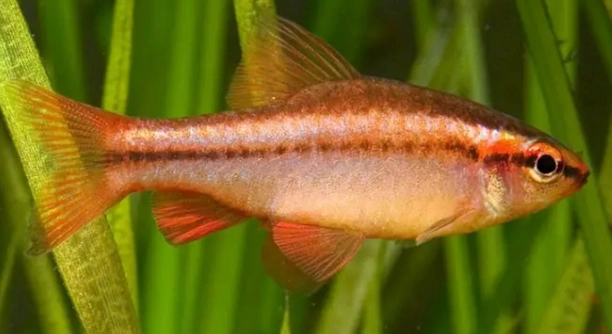
Cherry Barbs are small, active fish known for their vibrant colors and energetic behavior. However, if you’ve noticed your Cherry Barb swimming sideways, it’s a sign that something may be wrong with its health or environment.
Swimming sideways in Cherry Barbs can result from various factors such as stress, water quality issues, or underlying health problems. Poor water conditions, such as incorrect temperature or high ammonia levels, can affect their swimming behavior.
Understanding the cause of this behavior is crucial to addressing the issue and keeping your Cherry Barb healthy. We will explore the common reasons and provide tips to resolve the problem.
Common Reasons for Sideways Swimming in Cherry Barbs
Sideways swimming in Cherry Barbs can stem from various causes. One of the most frequent reasons is poor water quality, which affects their ability to swim properly. Elevated ammonia or nitrite levels, fluctuating water temperatures, or an unbalanced pH can all cause stress and result in abnormal swimming patterns. Cherry Barbs are sensitive to changes in their environment, so even slight water changes can cause them to behave unusually.
In addition to water quality, parasites or infections can cause Cherry Barbs to swim sideways. These health issues may lead to a loss of balance or discomfort in the fish. It’s essential to check for visible signs of illness like lesions, discoloration, or excessive mucus.
If the fish is stressed from being in an overcrowded tank or living with aggressive tankmates, this can also result in abnormal swimming behavior. Stress weakens the immune system, making them more susceptible to illness, which can lead to sideways swimming.
How to Check Your Aquarium’s Water Quality
To ensure your Cherry Barb’s well-being, regularly check the water parameters. A simple aquarium test kit can help you measure ammonia, nitrites, and pH levels. These are essential indicators that reveal the health of your tank’s environment.
Poor water quality can cause Cherry Barbs to feel stressed and behave differently. If these levels are not within the recommended range, you may need to change the water more frequently or adjust the filtration system.
Stress and Overcrowding
Stress is a common factor in abnormal swimming behavior. When Cherry Barbs are kept in overcrowded tanks, they may feel threatened and display erratic movements like sideways swimming. High fish density limits their space, making them anxious.
Overcrowding leads to competition for food, shelter, and swimming space, which can increase stress levels. Cherry Barbs need a peaceful environment to thrive. If your tank is too crowded, consider upgrading to a larger one or reducing the number of fish. Properly sized tanks ensure that each fish has enough room to swim freely, reducing stress-related behaviors.
Additionally, aggressive tankmates can worsen the situation. If there are fish that constantly chase or nip at your Cherry Barbs, this behavior can lead to further anxiety. Aggressive species should be kept separately to prevent stress from escalating.
Signs of Illness in Cherry Barbs
If your Cherry Barb is swimming sideways, it may be suffering from an illness. Look for signs such as lesions, swelling, or unusual color changes on the body. These symptoms indicate possible infections or parasites.
Parasitic infestations like protozoa or external parasites can affect the fish’s ability to swim. Infections such as fin rot or swim bladder disease can also cause abnormal movement. Infected fish will usually exhibit other symptoms like lethargy, loss of appetite, or erratic swimming patterns. If you notice these signs, it’s essential to quarantine the affected fish to prevent the spread of disease.
Promptly addressing any health concerns can improve the chances of recovery. Treatment options, such as medicated baths or specialized foods, depend on the type of illness. Consulting with a vet or aquarium specialist can help ensure proper care.
Water Temperature Fluctuations
Water temperature changes can lead to stress, causing Cherry Barbs to swim sideways. These fish prefer stable temperatures between 74°F and 78°F (23°C-25°C). A sudden drop or increase in temperature can disrupt their balance.
To prevent this, use a reliable aquarium heater with a thermostat. Make sure the heater maintains a constant temperature within the recommended range. Avoid placing the tank in areas where temperature fluctuations are common, such as near windows or air conditioners. Ensuring stable water conditions helps your Cherry Barbs feel comfortable and reduces the risk of abnormal swimming patterns.
Poor Diet and Malnutrition
A poor diet can lead to health problems that affect swimming behavior. Cherry Barbs require a balanced diet that includes both plant and animal-based foods. Overfeeding or underfeeding can lead to malnutrition, weakening their immune system and affecting their ability to swim properly.
To keep your Cherry Barbs healthy, feed them a varied diet that includes high-quality flake food, pellets, and occasional live or frozen foods like brine shrimp or daphnia. Avoid overfeeding, as uneaten food can pollute the tank, causing further water quality issues. Ensuring proper nutrition helps your fish thrive and reduces the likelihood of side swimming behavior.
The Role of Tank Size
Tank size plays a crucial role in the well-being of Cherry Barbs. These small fish need enough space to swim and explore, and a cramped tank can cause stress and abnormal swimming. A tank that is too small doesn’t provide adequate room for them to move freely.
For a healthy, active environment, a minimum tank size of 20 gallons is recommended for a small group of Cherry Barbs. This allows them to swim comfortably without feeling confined. A larger tank also helps maintain stable water conditions, reducing stress factors that can lead to unusual swimming behaviors.
FAQ
Why is my Cherry Barb swimming sideways?
Sideways swimming in Cherry Barbs can be a sign of stress, poor water quality, or an underlying health issue. In many cases, water conditions such as high ammonia levels, low oxygen, or fluctuating temperatures can disrupt their behavior. If there are visible symptoms like lesions or abnormal coloring, it could indicate an infection. Stress from overcrowding, aggressive tankmates, or sudden environmental changes can also cause Cherry Barbs to swim sideways.
How do I know if my Cherry Barb is stressed?
Stressed Cherry Barbs may show several signs, including erratic swimming, hiding more than usual, or refusing to eat. If they appear lethargic or have faded colors, it’s a clear sign of stress. Overcrowding, poor water quality, or conflict with tankmates are common stress factors. Check the tank’s water parameters and consider separating aggressive fish or reducing the number of tankmates to provide a calm environment.
Can poor water quality cause sideways swimming?
Yes, poor water quality is one of the leading causes of abnormal swimming patterns, including sideways swimming. Elevated ammonia, nitrites, or an imbalanced pH can stress your Cherry Barb and affect its swimming behavior. Regular water testing helps identify issues like this, and making sure the tank is properly filtered and the water is changed regularly can prevent it.
How can I fix poor water quality in my tank?
To improve water quality, start by testing the water for ammonia, nitrites, nitrates, pH, and hardness. Make adjustments as needed, such as adding a more powerful filter, doing regular water changes, or using chemical treatments to adjust water parameters. Make sure the tank’s temperature is stable and consistent. Proper filtration and a regular maintenance routine will help maintain a healthy environment for your Cherry Barbs.
Can parasites cause my Cherry Barb to swim sideways?
Yes, parasites are a common cause of abnormal swimming. External parasites, such as protozoa or skin flukes, can affect the fish’s balance, leading to unusual swimming behavior. If your Cherry Barb is swimming sideways and showing other symptoms like white spots or lesions, it might be infected with a parasite. Treating the tank with appropriate medications and quarantining affected fish can help resolve the issue.
What should I do if my Cherry Barb is swimming sideways?
First, check the water quality and make sure it’s within the ideal range for Cherry Barbs. Next, observe your fish for signs of illness, such as lesions, swelling, or unusual behavior. If the water is fine and there are no visible symptoms, consider whether the fish is stressed due to overcrowding or aggressive tankmates. Reducing stressors and providing a peaceful environment will likely help your Cherry Barb recover. If the problem persists, consult with an aquarium specialist.
Can overcrowding cause sideways swimming in Cherry Barbs?
Yes, overcrowding can cause stress, leading to sideways swimming. When fish are kept in a tank that’s too small or with too many tankmates, they can become stressed, which affects their swimming. Cherry Barbs need enough space to move freely and feel secure. Ensure the tank is appropriately sized for the number of fish you have and remove any aggressive tankmates to reduce stress.
What are the signs that my Cherry Barb might be sick?
Signs that your Cherry Barb may be sick include changes in behavior, such as swimming sideways, lethargy, or staying near the bottom of the tank. Physical symptoms like lesions, swelling, rapid gill movement, or faded colors also indicate illness. A lack of appetite or abnormal breathing patterns can signal respiratory problems. If you notice any of these symptoms, it’s best to treat your fish promptly or consult a veterinarian specializing in aquatic animals.
Can a poor diet cause sideways swimming in Cherry Barbs?
A poor diet can contribute to overall health issues, which may affect swimming behavior. Cherry Barbs require a balanced diet with both plant-based and protein-rich foods. A lack of essential nutrients or overfeeding can lead to malnutrition, weakening the fish’s immune system. Malnutrition can make them more susceptible to infections or diseases that affect swimming, including sideways swimming.
How can I improve my Cherry Barb’s diet?
To improve your Cherry Barb’s diet, feed a variety of high-quality foods, including flake food, pellets, and live or frozen foods like brine shrimp, daphnia, or bloodworms. A balanced diet that includes both plant matter and protein helps maintain their health. Be cautious not to overfeed, as uneaten food can pollute the water, leading to poor water quality, which can contribute to sideways swimming behavior.
What’s the best water temperature for Cherry Barbs?
Cherry Barbs thrive in water temperatures between 74°F and 78°F (23°C-25°C). Sudden fluctuations in temperature can cause stress and result in abnormal swimming behavior. Maintaining a stable water temperature with a reliable aquarium heater can prevent temperature-related stress. Ensure that the heater is working correctly and check the temperature regularly to provide the best environment for your fish.
Can aggressive tankmates cause my Cherry Barb to swim sideways?
Yes, aggressive tankmates can cause stress, which may lead to sideways swimming. Cherry Barbs are peaceful fish, and aggressive species may chase or nip at them, leading to anxiety and abnormal swimming behavior. To avoid this, choose tankmates that are compatible with Cherry Barbs, ensuring a peaceful environment for all the fish. If aggression persists, consider separating the fish or adding more hiding spots to reduce stress.
What are the common diseases that affect Cherry Barbs?
Common diseases that can affect Cherry Barbs include fin rot, swim bladder disease, and external parasites like ich. Swim bladder disease, in particular, can cause abnormal swimming behavior, such as swimming sideways or upside down. To prevent disease, maintain a clean tank, feed a proper diet, and avoid overcrowding. If any symptoms of illness appear, treat the fish immediately with appropriate medications or isolate the affected fish.
How can I prevent my Cherry Barbs from swimming sideways in the future?
To prevent future sideways swimming, maintain excellent water quality by performing regular water changes, checking water parameters, and ensuring proper filtration. Keep the tank properly stocked and avoid overcrowding. Provide a well-balanced diet to support their health. Reducing stress factors such as aggression or temperature fluctuations will also help keep your Cherry Barbs healthy and active.
Final Thoughts
Cherry Barbs are generally hardy and peaceful fish, but like all aquarium species, they can experience health issues that affect their behavior. Swimming sideways is a common concern, but it is often a sign of an underlying problem that can be addressed with proper care. Whether it’s due to poor water quality, temperature fluctuations, or stress from overcrowding, identifying the cause is the first step in ensuring the well-being of your fish.
By regularly checking water parameters and providing a balanced, nutritious diet, you can prevent many issues that lead to abnormal swimming behavior. Consistent maintenance, including water changes and monitoring tank conditions, will help create a stable environment for your Cherry Barbs. Avoid overcrowding and ensure there’s enough space for them to swim comfortably. This reduces stress and allows them to thrive. Additionally, selecting compatible tankmates is essential to prevent aggression, which can also lead to erratic swimming.
If you notice your Cherry Barb swimming sideways despite your efforts to maintain a healthy environment, it’s important to act quickly. Isolate any sick or stressed fish and seek advice from a vet or aquarium expert if needed. Taking these steps will not only help your fish recover but also contribute to a healthier and more vibrant aquarium overall.

Hello,
If you enjoy the content that we create, please consider saying a "Thank You!" by leaving a tip.
Every little bit helps us continue crafting quality advice that supports the health, happiness, and well-being of pets around the world, for pets of all shapes, sizes, and species.
We really appreciate the kindness and support that you show us!