
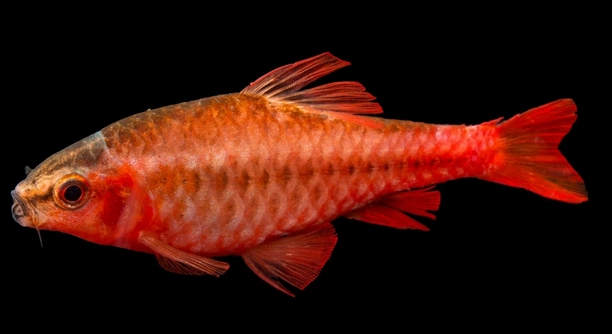
Cherry barbs are a popular choice for aquariums, admired for their lively behavior and vibrant colors. However, if you notice one of your cherry barbs swimming at a tilt, it can be concerning.
The most common reason for this tilted swimming is swim bladder disease, which affects the fish’s buoyancy. This condition can be caused by overfeeding, poor water quality, or stress. Proper tank maintenance and feeding habits are essential for preventing this issue.
Understanding the underlying causes and how to address them can help your cherry barb return to normal swimming. With a few adjustments, you can support their health and prevent future issues.
Common Causes of Swim Bladder Issues in Cherry Barbs
Swim bladder disease in cherry barbs is often linked to poor water quality, overfeeding, or stress. When the swim bladder, which controls buoyancy, becomes inflamed or damaged, it affects the fish’s ability to swim properly. Overfeeding, especially with foods high in fat, can cause constipation and swelling, leading to difficulty swimming. Poor water conditions, such as high ammonia or nitrate levels, can also disrupt normal fish function. Cherry barbs are sensitive to environmental changes, and even slight stressors can impact their health. It’s important to monitor tank conditions closely, as these factors can escalate quickly if left unchecked.
To prevent swim bladder disease, regular water changes and a balanced diet are key. If you’re overfeeding, reduce the amount and avoid fatty foods. It’s also wise to maintain a consistent water temperature and pH level. When fish are stressed, they may also struggle with swimming.
Addressing these issues quickly can often lead to a full recovery. Adjusting feeding habits, ensuring proper water quality, and minimizing stress are simple yet effective steps to keep your cherry barbs healthy.
Signs Your Cherry Barb May Have Swim Bladder Disease
If your cherry barb is swimming at a tilt, it’s likely showing signs of swim bladder disease. One of the first things you may notice is abnormal swimming behavior. The fish might swim sideways, struggle to maintain buoyancy, or even float upside down. These are common signs that the swim bladder is not functioning as it should. Sometimes, the fish may appear lethargic, spending more time near the bottom or top of the tank rather than swimming around.
In addition to swimming irregularities, cherry barbs with swim bladder issues may have difficulty eating. This is due to the fish’s inability to control its position properly. It’s important to assess the situation immediately. If swim bladder disease is suspected, acting quickly can prevent it from getting worse and affecting other fish in the tank.
Treating the disease often involves adjusting the fish’s diet and improving water conditions. If the issue persists, further investigation may be needed to rule out other potential causes, like parasites or injury.
Adjusting Feeding Habits for Cherry Barbs
Overfeeding is one of the most common reasons for swim bladder issues in cherry barbs. When fish consume too much food, their digestive systems become overloaded, leading to constipation and bloating. This can put pressure on the swim bladder, affecting buoyancy. To prevent this, feed your cherry barbs small portions twice a day.
Make sure you’re feeding them only what they can consume in a few minutes. If uneaten food is left in the tank, it can decompose and affect water quality. Additionally, vary their diet with high-quality fish pellets, live foods, and vegetables. A balanced diet will help maintain their health and prevent further problems.
Try to incorporate fiber-rich foods into their diet, like blanched spinach or peas. These foods can help clear up any digestive blockages and improve their overall gut health. By providing the right amount of food, you’ll reduce the chances of swim bladder issues and keep your fish in top condition.
Maintaining Healthy Water Conditions
Water quality plays a major role in the health of your cherry barbs. If the water in your tank is dirty or improperly balanced, it can lead to stress, weakened immune systems, and even swim bladder disease. To maintain healthy water, test for ammonia, nitrite, nitrate, pH, and temperature regularly.
A proper filtration system will help keep the water clean, but you should also do regular water changes—about 25-30% every week. Make sure to vacuum the substrate to remove any waste buildup. Over time, waste can accumulate and cause spikes in toxins, which contribute to stress and illness in your fish.
Stabilizing the water temperature is just as important. Cherry barbs thrive in temperatures between 74-80°F. If the temperature fluctuates too much, your fish can become stressed and more susceptible to illness. Keeping the water in a healthy range will help prevent a variety of issues.
Managing Stress in Cherry Barbs
Stress can contribute to swim bladder problems in cherry barbs. Factors such as overcrowding, aggressive tank mates, or sudden changes in water parameters can cause stress. Cherry barbs are peaceful fish, so it’s important to maintain a calm environment.
To reduce stress, ensure your tank is not overcrowded and that your cherry barbs have plenty of hiding spots. Consider adding plants and decorations to give them spaces to retreat. Avoid keeping them with overly aggressive fish, as this can lead to constant stress and discomfort, further affecting their health.
Ensuring a stable environment with minimal disturbances will help your cherry barbs stay happy and healthy. Stress management is an essential part of preventing swim bladder issues and keeping your fish active. A stress-free tank will promote proper buoyancy and normal swimming behavior.
Treating Swim Bladder Disease
Swim bladder disease can be treated by adjusting your fish’s diet and improving the tank’s conditions. If the disease is caused by constipation, try fasting your fish for a day or two to allow their digestive system to recover. Afterward, offer them peas or other high-fiber foods.
In some cases, a swim bladder infection may be the cause. If this is suspected, consider adding aquarium salt to the water to ease the symptoms. Antibiotics may be required for more severe cases, but only if the problem persists despite dietary and environmental changes.
Prompt treatment is crucial to prevent complications. If swim bladder disease continues to worsen despite adjustments, it’s essential to consult an aquarium professional for further advice. Proper care can restore your fish’s health and prevent the disease from spreading.
Monitoring Recovery Progress
Once you’ve made adjustments to your cherry barb’s diet and environment, it’s important to keep an eye on their recovery. Check for any signs of improvement, such as swimming normally or eating well. Recovery may take a few days, so patience is key.
If your fish continues to swim at a tilt or shows no improvement after making these changes, it may be time to reevaluate their conditions. Sometimes, persistent issues can indicate a deeper health problem. However, most cases of swim bladder disease can be resolved with proper care and attention.
FAQ
Why is my cherry barb swimming sideways?
A cherry barb swimming sideways often points to a swim bladder issue. This problem can arise due to constipation, overfeeding, or poor water quality. If your fish struggles to maintain buoyancy, it’s likely that the swim bladder, which helps control its floating, is affected. In such cases, try adjusting its diet, reduce the amount of food given, and perform regular water changes to ensure clean water conditions.
Can swim bladder disease be cured?
Yes, swim bladder disease can often be treated with proper care. If the condition is caused by overfeeding or constipation, fasting your cherry barb for a few days and then offering fiber-rich foods like peas can help. If the disease is due to poor water quality, improving tank conditions can also support recovery. In more severe cases, medication or aquarium salt may be necessary, but always monitor the fish closely to ensure it doesn’t worsen.
How can I prevent swim bladder issues in my cherry barb?
Preventing swim bladder issues starts with maintaining good water quality, feeding the right amount of food, and managing tank conditions. Regular water changes, using a good filtration system, and checking water parameters will keep the tank safe and healthy for your fish. To avoid overfeeding, feed small portions twice a day and remove uneaten food. Also, keep an eye on the behavior of your cherry barbs—stress from overcrowding or incompatible tank mates can lead to health problems.
Can other fish get swim bladder disease from my cherry barb?
Swim bladder disease is generally not contagious between fish, but poor water quality or environmental stress can affect all the fish in the tank. If one fish has swim bladder issues, it’s important to check the water parameters and ensure that all tank mates are healthy. If the problem is caused by bacteria or parasites, however, it could spread, so make sure to monitor the other fish closely.
What are the signs that my cherry barb is stressed?
Cherry barbs show signs of stress in several ways, including erratic swimming, hiding frequently, or swimming at the surface or bottom of the tank. They may also lose their appetite or show less interest in their surroundings. Stress can be caused by several factors such as water changes, overcrowding, aggressive tank mates, or poor tank conditions. A stressed fish may also display faded colors or unusual swimming patterns.
How long does it take for swim bladder disease to heal?
The healing time for swim bladder disease varies depending on the cause and severity. If the condition is caused by constipation, your cherry barb may show improvement within a few days after fasting and eating high-fiber foods. If the disease is related to water quality, it could take a bit longer for your fish to recover as the environment stabilizes. In more severe cases, such as infections or injury, recovery may take weeks or even require veterinary intervention.
Should I isolate my cherry barb with swim bladder disease?
Isolating your cherry barb can help reduce stress, but it is not always necessary unless the tank conditions are poor or the disease is severe. If the issue is related to the tank’s water quality, isolating the fish in a quarantine tank with optimal conditions can help it recover faster. However, if other fish are showing signs of illness, it’s best to treat the entire tank to prevent the issue from spreading.
Can I treat swim bladder disease with aquarium salt?
Aquarium salt can be helpful when treating swim bladder disease, especially if the condition is caused by a bacterial infection or swelling. Adding salt to the water can help reduce inflammation and improve buoyancy. However, it’s important to use the correct dosage, as too much salt can harm your fish. Always follow the manufacturer’s recommendations and monitor your fish closely during treatment.
How often should I clean my tank to prevent swim bladder problems?
To prevent swim bladder problems, aim to clean your tank at least once a week. This includes removing uneaten food, vacuuming the substrate, and performing partial water changes. Regular maintenance helps keep ammonia, nitrites, and nitrates in check, which can otherwise cause stress and health issues for your cherry barbs. A well-maintained tank reduces the likelihood of swim bladder disease and other health concerns.
Can swim bladder disease cause death in cherry barbs?
Swim bladder disease itself typically does not cause death, but if left untreated, it can lead to complications. If the fish cannot swim properly, it may become more vulnerable to other health issues like infections. Poor water quality and untreated diseases can also cause long-term damage to your fish’s overall health. Early treatment and consistent tank maintenance can prevent the disease from becoming life-threatening.
Can a cherry barb recover fully from swim bladder disease?
Yes, a cherry barb can recover fully from swim bladder disease if treated promptly. In cases of constipation or overfeeding, the fish often makes a complete recovery after dietary changes and proper care. If the issue is related to stress or water quality, recovery is usually possible once the tank conditions are improved. However, recovery may take time, and it’s important to monitor the fish closely to ensure they are regaining normal swimming behavior.
How do I know if my cherry barb is constipated?
Constipation in cherry barbs is often marked by difficulty swimming, bloating, or a lack of appetite. You may also notice that your fish is spending more time near the surface or bottom of the tank. To treat constipation, offer fiber-rich foods like peas and fast the fish for a couple of days. This will help relieve digestive issues and prevent swim bladder problems.
Can stress cause long-term damage to my cherry barb?
Yes, long-term stress can have serious effects on your cherry barb’s health. Chronic stress can weaken their immune system, making them more susceptible to diseases, including swim bladder problems. Stress also causes fish to become lethargic, lose their appetite, and display unusual behavior. By managing stress factors such as water conditions, tank mates, and overcrowding, you can ensure your fish’s long-term health and prevent damage caused by stress.
Do I need to adjust my lighting to help my cherry barb recover?
Lighting can play a role in the overall stress levels of your cherry barb. If your tank is too brightly lit or has erratic light cycles, it can contribute to stress. A consistent, moderate lighting schedule can help your fish feel more comfortable. While light adjustments alone may not cure swim bladder disease, they can help reduce stress and create a more stable environment for recovery.
Is swim bladder disease hereditary in cherry barbs?
Swim bladder disease is generally not hereditary in cherry barbs. Most cases are caused by environmental factors, such as overfeeding, poor water quality, or stress. However, genetic factors could play a role in some cases, especially if the fish has a pre-existing weakness in its swim bladder. Regardless, proper care can help prevent most instances of swim bladder disease.
Final Thoughts
Swim bladder issues in cherry barbs are a common problem but can usually be managed effectively with the right care. The most important steps to take include addressing water quality, adjusting the diet, and ensuring your tank is appropriately set up for your fish’s needs. Cherry barbs, like all aquarium fish, require a clean environment and a balanced diet to thrive. Maintaining good tank conditions is essential in preventing swim bladder disease and other health concerns. Regular water changes, proper filtration, and controlling feeding habits will go a long way in keeping your cherry barb healthy.
If you notice your cherry barb swimming at an odd angle, don’t panic immediately. In many cases, the problem can be resolved by making small adjustments, like fasting the fish for a couple of days or offering fiber-rich foods. In some instances, swim bladder disease may indicate a deeper issue, such as poor water quality or stress caused by overcrowding. If the symptoms persist, it’s a good idea to isolate the affected fish in a separate tank to monitor its recovery. This helps ensure that the issue doesn’t spread to other fish in your aquarium.
Overall, keeping an eye on your cherry barbs’ behavior and health is key to preventing and addressing swim bladder issues. By understanding the causes, symptoms, and treatments, you can improve the chances of a full recovery and ensure your fish stay happy and active. While swim bladder disease can be concerning, it’s often treatable with some attention to diet, water quality, and stress reduction. By taking these preventive steps, you can keep your cherry barb swimming smoothly and enjoy a healthier aquarium overall.

Hello,
If you enjoy the content that we create, please consider saying a "Thank You!" by leaving a tip.
Every little bit helps us continue crafting quality advice that supports the health, happiness, and well-being of pets around the world, for pets of all shapes, sizes, and species.
We really appreciate the kindness and support that you show us!