
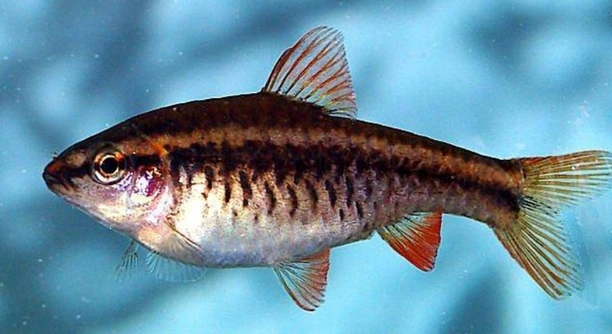
Is your Cherry Barb staying off to the side while the rest of the group swims together? You’re not alone in noticing this behavior. Many fish owners find themselves puzzled by similar signs in their aquariums.
The most common reason your Cherry Barb is not interacting with the group is stress due to poor water conditions, aggressive tank mates, or sudden environmental changes. Ensuring proper care and monitoring can greatly improve their social behavior.
There’s more to uncover about Cherry Barb behavior, and learning these small signs can help you build a better, healthier tank for them.
Common Reasons Your Cherry Barb Is Staying Away from the Group
Cherry Barbs are usually peaceful and enjoy swimming in small schools. When one isolates itself, it’s often reacting to something in its environment. Poor water quality is one of the main causes. Even small spikes in ammonia or nitrite can stress a fish and make it withdraw. Aggression from tank mates is another reason. If other fish are nipping or chasing, your Cherry Barb may be hiding to feel safe. Changes in temperature, lighting, or tank layout can also lead to anxiety and antisocial behavior. Illness is another possible cause. A sick fish often separates itself from the group.
Look for signs like torn fins, pale color, or labored breathing. These may point to a health issue needing attention.
Testing your water regularly, observing tank dynamics, and giving your Cherry Barb a calm space can help. Addressing stress early can often bring them back to their usual, active self.
What You Can Do to Help
Start by checking the water quality. Test for ammonia, nitrite, nitrate, pH, and temperature. Make sure everything is in a safe range for Cherry Barbs.
If the water is fine, look at how your other fish are behaving. Aggression from tank mates is often missed. Cherry Barbs do best in peaceful tanks with enough hiding spots. If there’s a bully in the tank, try separating them or rearranging decorations to break up territories. Also, make sure the group isn’t too small. Cherry Barbs are schooling fish and feel secure in groups of six or more. Sometimes, adding more Cherry Barbs helps them feel confident enough to swim together again. A change in diet, like adding live or frozen food, can also boost energy and interest. Keep the lights on a steady schedule and avoid sudden changes in their environment. Small adjustments often make a big difference in how your Cherry Barb behaves.
Behavioral Signs to Watch For
Cherry Barbs show stress or discomfort through subtle behaviors. If one is hiding often, swimming awkwardly, or has clamped fins, it’s usually a sign something is wrong. Ignoring food or staying near the surface or bottom can also mean your fish isn’t feeling well.
Some Cherry Barbs may become pale or lose their vibrant color when under stress. Watch how they interact with others in the tank. If one avoids group swimming or darts away when approached, it may feel threatened or weak. These behaviors are important to notice early. They often show up before physical signs of illness appear. Keeping an eye out for small changes in activity can help prevent more serious problems. Even subtle shifts in behavior can give you a chance to fix the environment or offer care before things get worse.
Another sign to watch for is excessive hiding during feeding times. A Cherry Barb that skips food consistently might not just be shy. It could be sick or bullied. This is also a good time to look for damage on its fins or body. Fin rot or small wounds might explain its behavior. Always observe how each fish eats and moves during these moments. It’s one of the easiest ways to catch problems early.
Environmental Factors That May Affect Group Behavior
Overcrowding can stress out Cherry Barbs and lead them to avoid the group. A crowded tank creates tension and limits swimming space, which can make shy fish retreat. Make sure your tank size fits the number of fish you have.
Temperature fluctuations, loud noises near the tank, and poor lighting can also affect behavior. Even small things like a strong current or lack of plants can stress a Cherry Barb. Plants provide both shelter and comfort. If your tank is too bare, it may leave nervous fish feeling exposed. Use live or silk plants to break up sightlines and offer places to hide. Keep your tank in a quiet, stable location with a consistent light cycle. Check the heater and filter regularly to avoid sudden changes. Stable water, peaceful surroundings, and plenty of hiding spots all help Cherry Barbs feel safe enough to rejoin the group naturally.
Health Issues to Consider
Internal parasites and bacterial infections can cause your Cherry Barb to isolate. These illnesses often show up with weight loss, bloating, or white stringy feces. Infected fish may also become less active or stop eating altogether.
Fin rot, ich, or velvet are other common issues. Look for white spots, ragged fins, or a dusty appearance. These diseases need quick treatment, so act fast if you see symptoms.
Importance of Group Size and Dynamics
Cherry Barbs feel safer in groups, but the size and balance of that group matter. A group that’s too small can cause stress, while a group that’s too large in a small tank can lead to competition. Aim for at least six Cherry Barbs, as they rely on numbers to feel secure. Watch for one fish dominating the others—this can lead to bullying and isolation. Try to keep male-to-female ratios balanced, with more females than males. This lowers aggression and helps each fish settle into its place. A calm, steady group helps shy fish feel more confident and likely to rejoin.
When to Seek Outside Help
If symptoms continue despite your efforts, it may be time to consult an aquatic vet. Some health issues require medications or treatments not available in stores.
FAQ
Why is only one of my Cherry Barbs hiding all the time?
When just one Cherry Barb is hiding often, it could be stressed by the environment or bullied by other fish. It may also be unwell. Watch how the other fish act around it. If one is chasing or nipping, consider separating them or changing the tank setup to reduce aggression. Also, check the water quality. Even slight changes in pH or ammonia levels can cause stress. If the hiding continues for more than a few days and the fish stops eating, it may be time to check for illness or consult a vet.
Can Cherry Barbs be shy by nature?
Yes, some Cherry Barbs are naturally shy, especially when first introduced to a new tank. They may take longer to adjust and join group activities. This can also happen if the fish was raised in a different setup or had little social interaction before. Giving them time, providing plenty of hiding spots, and ensuring a peaceful tank environment usually helps. Adding more Cherry Barbs to increase the school size can also make shy ones feel more secure and open to social behavior.
How can I tell if my Cherry Barb is sick or just stressed?
Sick fish often show physical symptoms like pale color, clamped fins, bloating, or spots. They might also swim oddly or avoid eating. Stress, on the other hand, usually shows through behavior like hiding, darting, or staying away from the group. Water quality problems are a common cause of stress. Test the water and observe the fish closely. If both behavior and physical changes are present, it could be illness. If only behavior seems off, stress may be the reason. Either way, keeping a clean, stable tank environment helps both issues.
What kind of tank mates are best for Cherry Barbs?
Cherry Barbs do best with peaceful, similarly sized fish. Good companions include Neon Tetras, Corydoras, Harlequin Rasboras, and peaceful Gouramis. Avoid aggressive or overly active fish like Tiger Barbs or large Cichlids, as these can stress Cherry Barbs or outcompete them during feeding. The goal is to build a calm, balanced community where your Cherry Barbs don’t feel threatened. Also, avoid keeping them with fin-nipping species, since Cherry Barbs have soft fins that can be targeted easily.
Why did my Cherry Barb stop eating and separate from the others?
Loss of appetite and isolation are often early signs of stress or illness. The cause can be poor water quality, bullying from tank mates, or a sudden change in the tank like new decorations or lighting. If your fish continues to avoid food for more than two days, check water parameters, remove possible stress sources, and consider offering live or frozen food to stimulate interest. If it still doesn’t eat, you may need to treat for an internal infection or seek expert advice.
Do Cherry Barbs need a heavily planted tank?
They don’t need one, but they thrive in it. Plants offer hiding spots and reduce stress. Floating plants also help by softening the light and giving the fish a sense of safety. Even fake plants work if you’re just starting out, though live plants are better for overall tank health. Heavily planted tanks mimic their natural habitat and help Cherry Barbs feel more at ease, especially if they’re new or recovering from stress. Just make sure the plants don’t block too much swimming space.
How long does it take for a Cherry Barb to adjust to a new tank?
It can take anywhere from a few days to a couple of weeks. During this time, they may hide often, eat less, or avoid the group. Keep the tank quiet and avoid sudden changes. Offer high-quality food, maintain stable water conditions, and avoid rearranging the tank too often. If possible, use tank water or decorations from their old setup to ease the transition. Most Cherry Barbs will slowly become more active and social as they settle in.
Is it normal for Cherry Barbs to chase each other?
Yes, light chasing is common and usually part of social or mating behavior. It’s normal as long as no fish is getting hurt or constantly targeted. However, if you see one fish always chasing and another always hiding, that may be a sign of bullying. In that case, you may need to separate the aggressor, adjust the tank layout, or increase the school size to spread out the aggression. Watching closely helps you spot whether it’s playful or harmful.
Can a Cherry Barb live alone if it’s getting bullied?
While separating it can give relief in the short term, Cherry Barbs are schooling fish and do not thrive alone long-term. It’s better to adjust the group or environment so they can live safely together. Try to reduce bullying through tank setup, adding hiding places, or rehoming aggressive fish. Once things are balanced, your isolated Cherry Barb may rejoin the group and become more active again. Living in a small group is best for their mental and physical health.
Final Thoughts
Cherry Barbs are small, peaceful fish that usually enjoy the company of their group. When one of them starts to act differently—hiding, avoiding the group, or staying still—it’s often a sign that something isn’t right. It could be caused by stress, illness, or changes in the tank. These behaviors are easy to miss at first, especially if you have a busy tank. But watching your fish closely every day can help you spot changes early. A small shift in behavior is often the first clue that your Cherry Barb needs help or that the tank needs some adjustments.
Keeping Cherry Barbs happy and healthy starts with the basics. Clean water, a balanced group size, and a peaceful environment go a long way. Regularly testing your water and providing places to hide, like plants or decorations, can make your fish feel safe. Also, be sure to keep the tank calm and free of sudden changes, like loud noises or bright lights. If you notice aggression from other fish, consider rearranging the tank or separating the aggressive fish. Sometimes, small changes make a big difference. Fish are sensitive to stress, and even one uncomfortable factor can cause a Cherry Barb to withdraw from the group.
If you’ve done everything you can and your Cherry Barb still isn’t acting right, don’t give up. It might take time for them to recover from stress or illness. Patience and consistency are key. Continue monitoring the tank, offering high-quality food, and giving them space. If needed, reach out to a vet or local aquarium expert. They can offer advice or recommend treatment if there’s a health concern. In most cases, with a little care and attention, your Cherry Barb will return to normal behavior and rejoin the group. Watching your fish become active and social again is a good sign that your tank is back in balance.

Hello,
If you enjoy the content that we create, please consider saying a "Thank You!" by leaving a tip.
Every little bit helps us continue crafting quality advice that supports the health, happiness, and well-being of pets around the world, for pets of all shapes, sizes, and species.
We really appreciate the kindness and support that you show us!